

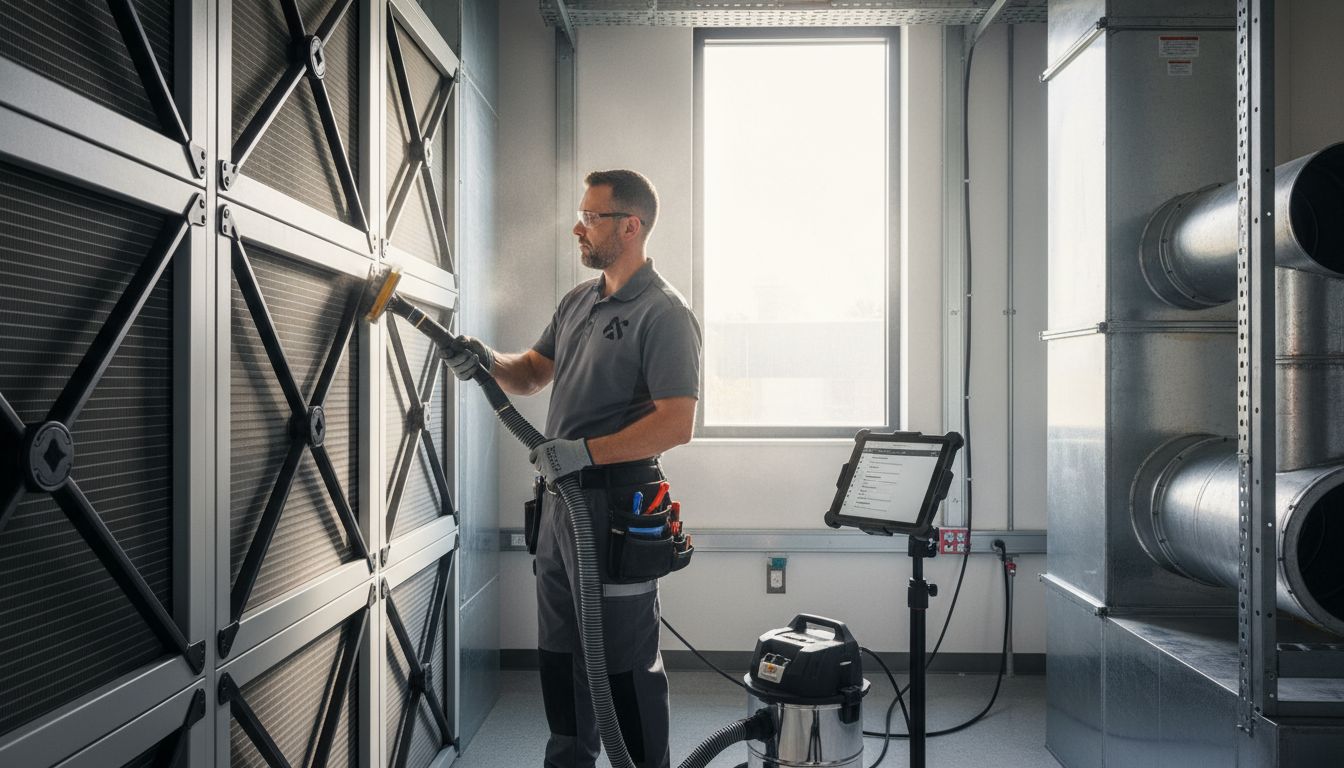
HVAC Cleaning Explained: Science, Methods, and Impact
Did you know that indoor air can be two to five times more polluted than outdoor air? Most people spend the majority of their time indoors, so the quality of the air you breathe matters more than ever. Proper HVAC cleaning removes dust, mold, and hidden contaminants that often go unnoticed but have a real impact on health and comfort. By learning about proven cleaning methods, you can help protect your property, save on energy costs, and enjoy cleaner, safer air every day.
Table of Contents
Contents
- 1 Table of Contents
- 2 Key Takeaways
- 3 What Is HVAC Cleaning and Why It Matters
- 4 Main Types of HVAC Systems and Cleaning Methods
- 5 Step-By-Step HVAC Cleaning Process
- 6 Health, Efficiency, and Longevity Benefits
- 7 Risks, Costs, and Common Mistakes to Avoid
- 8 Ensure Your HVAC System Delivers Clean, Healthy Air Every Day
- 9 Frequently Asked Questions
- 10 Recommended
- What Is HVAC Cleaning and Why It Matters
- Main Types of HVAC Systems and Cleaning Methods
- Step-By-Step HVAC Cleaning Process
- Health, Efficiency, and Longevity Benefits
- Risks, Costs, and Common Mistakes to Avoid
Key Takeaways
| Point | Details |
|---|---|
| Importance of HVAC Cleaning | Regular HVAC cleaning improves indoor air quality and energy efficiency, reducing operational costs and system wear. |
| Specialized Cleaning Methods | Different HVAC systems require tailored cleaning methods to effectively address contamination and enhance performance. |
| Systematic Cleaning Process | A structured cleaning process is vital, including evaluation, removal of contaminants, and sanitization to maintain system integrity. |
| Avoiding Common Mistakes | Property owners should hire qualified professionals and adhere to maintenance schedules to prevent costly errors and health risks. |
What Is HVAC Cleaning and Why It Matters
HVAC cleaning represents a comprehensive maintenance process that ensures optimal performance and indoor air quality for residential and commercial spaces. According to NADCA, this intricate procedure involves meticulously cleaning every component of heating and cooling systems, from air ducts and coils to blower motors and air filters.
At its core, HVAC cleaning is about removing accumulated contaminants that can significantly impact system efficiency and human health. NADCA highlights that when contaminants build up in HVAC systems, they force the equipment to work harder, leading to increased energy consumption and potentially reduced system lifespan. This means dirty HVAC systems not only compromise air quality but also become financial burdens through decreased operational efficiency.

The cleaning process typically involves several critical steps:
- Comprehensive system inspection
- Mechanical cleaning of all components
- Removal of dust, debris, and microbial contaminants
- Sanitization using specialized equipment
- Performance testing and verification
For Dubai residents and property managers, HVAC cleaning isn’t just maintenance—it’s an investment in health, comfort, and long-term system reliability. By understanding and implementing regular professional cleaning, you can ensure your indoor environments remain clean, energy-efficient, and conducive to well-being.
Main Types of HVAC Systems and Cleaning Methods
HVAC systems in residential and commercial spaces come in diverse configurations, each requiring specialized cleaning approaches. NADCA explains that effective cleaning fundamentally involves two critical processes: using agitation devices to break loose contaminants and implementing continuous negative pressure to prevent contaminant spread during cleaning.
According to Estimator Florida, the primary air duct cleaning methods include:
- Contact Cleaning: Direct physical removal of debris
- Air Sweep Cleaning: Using compressed air to dislodge contaminants
- Power Vacuum Cleaning: High-powered extraction of accumulated dust
- Hydro-Pressure Cleaning: Water-based cleaning for deep sanitization
- Ultraviolet (UV) Light Cleaning: Microbial disinfection
- Negative Pressure Cleaning: Preventing contaminant spread during maintenance
Understanding these methods helps Dubai property owners select the most appropriate cleaning technique for their specific HVAC system. Best practices for central AC cleaning recommend tailoring the approach based on system type, age, and contamination levels to ensure optimal performance and indoor air quality.
Here’s a comparison of main HVAC cleaning methods and their ideal applications:

| Cleaning Method | Description | Best For |
|---|---|---|
| Contact Cleaning | Physical removal of debris | Small systems Light dust |
| Air Sweep Cleaning | Compressed air dislodges contaminants | Medium-sized ducts General use |
| Power Vacuum Cleaning | High-powered dust extraction | Large buildings Heavy buildup |
| Hydro-Pressure Cleaning | Water-based deep cleaning | Severe contamination Sanitization |
| Ultraviolet (UV) Light | Microbial disinfection | Mold control Hospitals |
| Negative Pressure Cleaning | Continuous contaminant containment | Multi-zone systems Allergy prevention |
Step-By-Step HVAC Cleaning Process
NADCA outlines a comprehensive HVAC cleaning process that involves several critical stages designed to ensure thorough system maintenance and optimal performance. The process begins with a meticulous approach that systematically addresses every component of the heating and cooling system.
The detailed cleaning procedure includes these key steps:
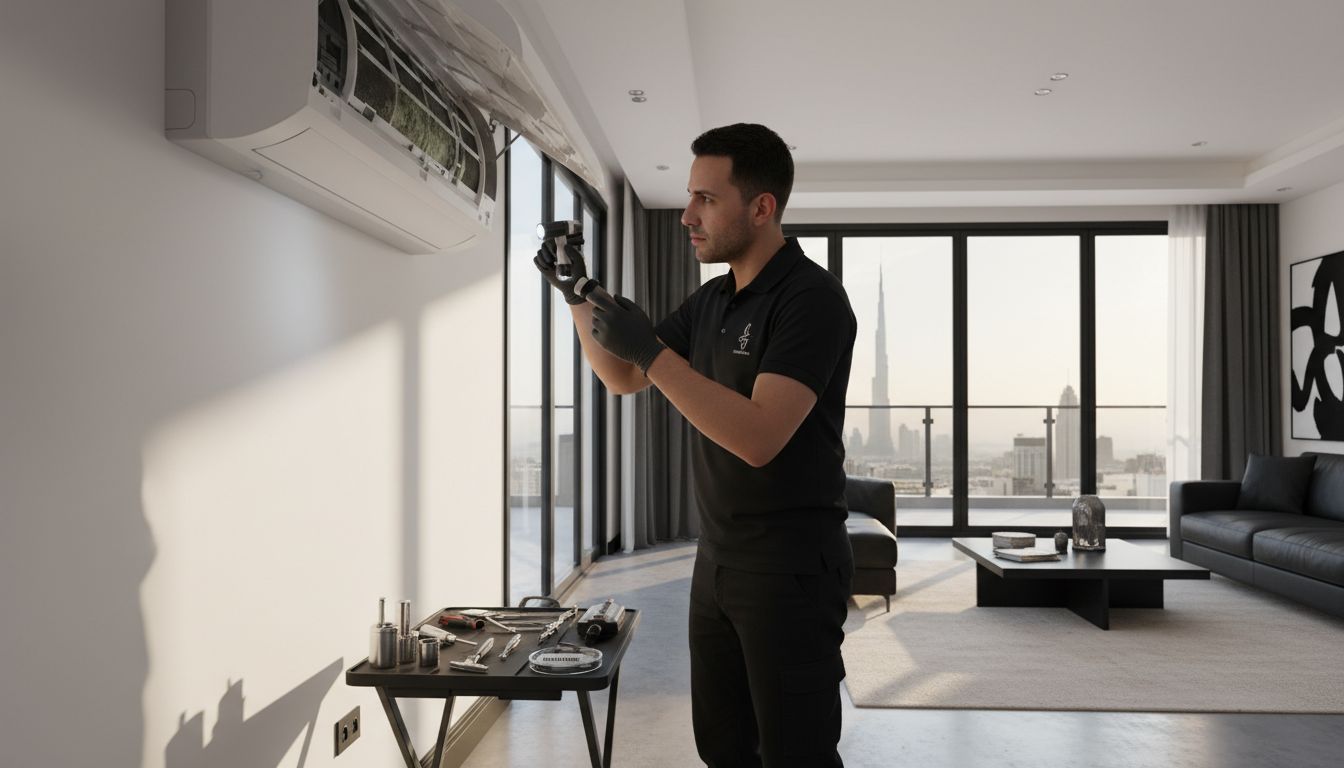
- System Evaluation: Comprehensive inspection to identify specific contamination levels
- Access Preparation: Creating or utilizing existing service openings
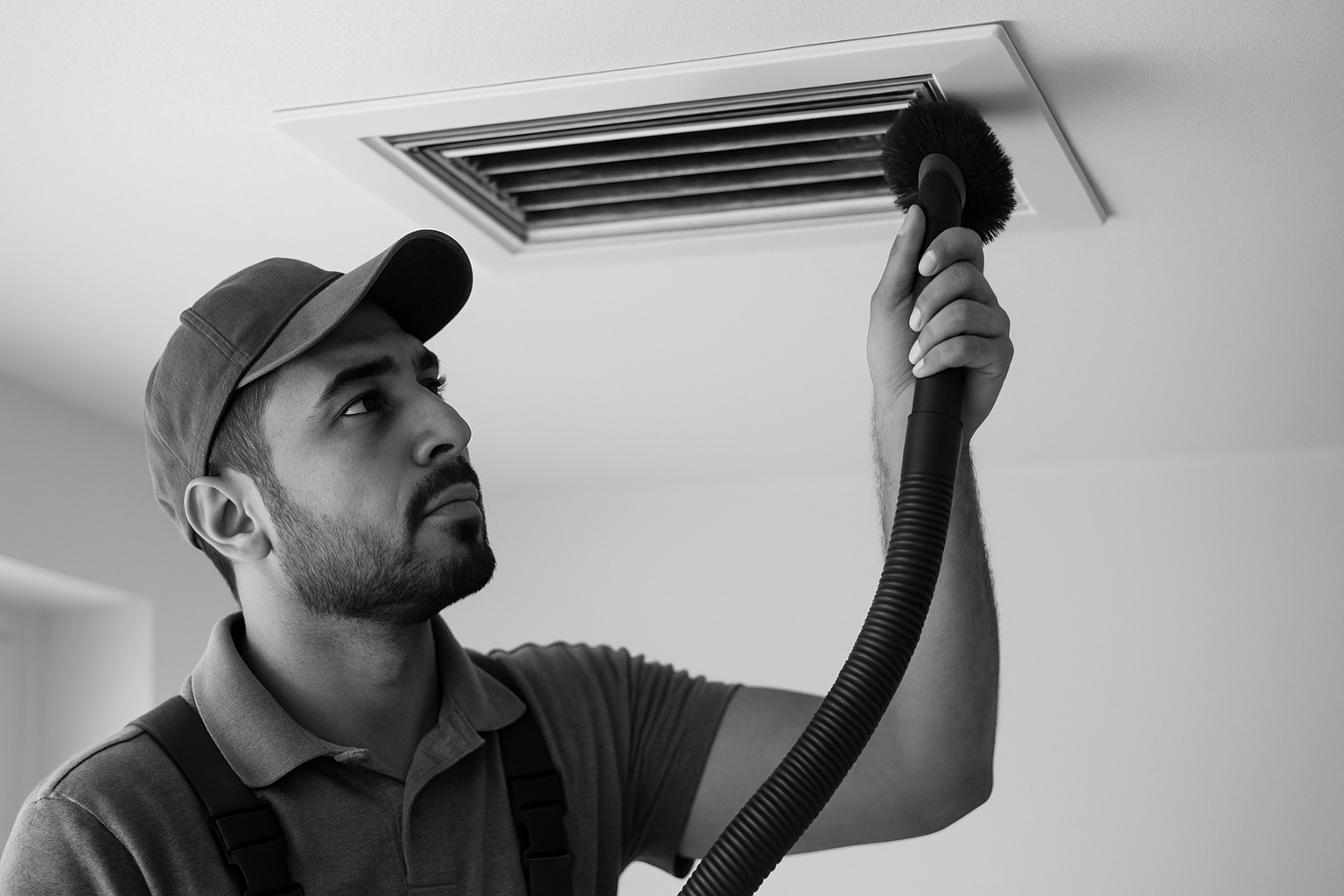
- Contaminant Removal: Using agitation devices to break loose accumulated debris
- Negative Pressure Containment: Preventing contaminant spread during cleaning
- Mechanical Extraction: Utilizing truck-mounted or portable vacuum systems
- Sanitization: Applying targeted antimicrobial treatments if necessary
Prevention is equally crucial in maintaining HVAC system health. Office of Research Services emphasizes the importance of implementing preventative maintenance schedules and robust housekeeping practices to minimize future contamination. By understanding and following these systematic cleaning protocols, Dubai property owners can significantly extend their HVAC systems’ efficiency and longevity.
For those seeking a comprehensive AC cleaning and disinfection guide, professional expertise ensures that each step is executed with precision, protecting both the system’s performance and indoor air quality.
Health, Efficiency, and Longevity Benefits
NADCA reveals a critical insight into HVAC system performance: contaminant buildup forces systems to work significantly harder, dramatically increasing energy consumption and reducing overall efficiency. This hidden strain not only impacts your monthly utility bills but also accelerates system wear and potential breakdown.
The benefits of professional HVAC cleaning extend far beyond energy savings. According to NADCA, regular cleaning dramatically improves indoor air quality by removing accumulated contaminants such as:
- Dust particles
- Pet dander
- Chemical residues
- Microbial growth
- Allergen accumulation
These microscopic invaders, when left unchecked, continuously recirculate through your living spaces, potentially triggering respiratory issues, allergic reactions, and long-term health complications. For Dubai residents seeking comprehensive indoor environmental health, understanding the critical health risks of dirty AC ducts becomes paramount in maintaining a safe, breathable living environment. By investing in professional HVAC cleaning, property owners not only protect their mechanical systems but also create healthier, more comfortable indoor spaces.
Risks, Costs, and Common Mistakes to Avoid
Office of Research Services emphasizes that HVAC cleaning should never be approached as a routine service, but rather as a strategic intervention after careful system evaluation. Premature or unnecessary cleaning can potentially cause more harm than good, leading to unnecessary expenses and potential system damage.
Common mistakes property owners frequently make include:
- Hiring unqualified contractors
- Neglecting preventative maintenance
- Overlooking specific contamination sources
- Assuming all cleaning methods are equal
- Ignoring system-specific requirements
NADCA strongly recommends hiring only qualified contractors who are industry-certified and understand the nuanced requirements of professional HVAC maintenance. Verification of credentials, insurance, and adherence to established cleaning standards is crucial to avoiding costly mistakes. For Dubai residents seeking comprehensive guidance, understanding how often AC should be cleaned becomes an essential component of responsible property management and indoor environmental health.
Ensure Your HVAC System Delivers Clean, Healthy Air Every Day
The detailed breakdown in this article reveals how contaminants like dust, microbes, and allergens significantly affect HVAC performance and indoor air quality. If you are concerned about energy waste, health risks, or reduced equipment lifespan caused by dirty ducts and components, you are not alone. These common issues require targeted, science-backed cleaning methods tailored to your specific system to restore efficiency and protect your family or building occupants.
At Saniservice, we understand these challenges deeply. Our expert team uses proven agitation and negative pressure cleaning techniques alongside hospital-grade, chemical-free biosanitisers for thorough disinfection. Each step follows strict protocols backed by our in-house microbiology lab and industry certifications. Whether you manage a home, villa, or commercial property, our NADCA-certified technicians ensure your HVAC system operates safely and efficiently.
Discover how our comprehensive AC Cleaning & Maintenance – Saniservice AC Cleaning solutions can eliminate hidden contaminants and improve your indoor environment.
Ready to breathe easier and lower your energy bills? Visit Saniservice today and schedule a professional HVAC cleaning tailored to your needs. Protect your health, enhance comfort, and extend your system’s life with expert care you can trust.
Frequently Asked Questions
What is HVAC cleaning and why is it important?
HVAC cleaning involves a comprehensive maintenance process that removes accumulated contaminants from heating and cooling systems, ensuring optimal performance and improving indoor air quality. Regular cleaning helps prevent increased energy consumption and damages to the system due to dirt buildup.
What are the main methods used for HVAC cleaning?
The primary HVAC cleaning methods include Contact Cleaning, Air Sweep Cleaning, Power Vacuum Cleaning, Hydro-Pressure Cleaning, Ultraviolet (UV) Light Cleaning, and Negative Pressure Cleaning. Each method is tailored to specific contamination levels and system types for effective cleaning.
How often should HVAC systems be cleaned?
HVAC systems should be cleaned regularly, though the frequency can vary based on use, environmental factors, and contamination levels. It’s generally recommended to schedule a professional cleaning every 1 to 3 years, with preventative maintenance checks in between.
What are the health benefits of professional HVAC cleaning?
Professional HVAC cleaning improves indoor air quality by removing dust, pet dander, microbial growth, and other contaminants that can trigger allergies and respiratory issues. This creates a healthier living environment, reducing the risk of long-term health complications.
Recommended
- AC Cleaning Price: Discover the Truth Behind Costs
- AC Hygiene for Health Conscious Families : Saniacservice
- 7 Best Practices for Central AC Cleaning in Dubai
- Can AC Cleaning Prevent Respiratory Issues? Air Conditioner Maintenance Matters – Saniservice AC Cleaning
- Diesel Fuel System Cleaning: Best Practices and Pro Tips 2025 – My WordPress
- Understanding the Benefits of HVAC Upgrades – HVAC Service and Repair | Louisville, KY | Project Heating & Cooling

Leave a Reply