10 Must-Know Indoor Air Quality Improvement Solutions for Healthier Homes in Dubai
Table of Contents
Why Indoor Air Quality Matters
Indoor air quality improvement solutions are essential for maintaining a healthy living environment in Dubai’s unique climate. As most residents spend up to 90% of their time indoors, ensuring the air inside homes and offices is clean protects against respiratory issues, allergies, and long-term health risks. Dubai’s hot and humid weather encourages air conditioning use, which can trap pollutants inside if not properly managed. This makes the focus on indoor air quality improvement solutions crucial for wellbeing.
Moreover, Dubai’s rapid urban growth and its desert surroundings contribute to higher dust levels, which can infiltrate indoor spaces. Coupled with lifestyle factors like smoking indoors or use of house cleaning chemicals, indoor pollution can reach harmful levels. Awareness and effective implementation of indoor air quality improvement solutions help mitigate these risks.
Common Indoor Air Pollutants in Dubai Homes
Understanding indoor air pollutants is the first step to improving air quality. The main contaminants found within Dubai residences and offices include:
- Particulate Matter (PM2.5 and PM10): Fine dust from desert storms, construction activities, and indoor sources like cooking can penetrate lungs causing irritation.
- Volatile Organic Compounds (VOCs): Emitted from paints, cleaning agents, and furniture, VOCs can cause headaches, dizziness, and chronic respiratory issues.
- Biological Pollutants: Mold, dust mites, pet dander, and pollen are common in enclosed air-conditioned environments, triggering allergies and asthma.
- Carbon Monoxide (CO): Resulting from incomplete combustion of fuels in kitchens or garage areas, CO is dangerous even in small quantities.
- Radon Gas: While less common in Dubai, some older buildings may harbor radon, a radioactive gas affecting lung health over time.
Dubai Municipality and Dubai Health Authority monitor and set guidelines to manage indoor air quality, emphasizing the importance of indoor air quality improvement solutions for residents’ health.
Practical Indoor Air Quality Improvement Solutions
Addressing indoor air quality requires actionable and sustainable solutions tailored to Dubai’s environment. Here are 10 proven and effective indoor air quality improvement solutions that homeowners and businesses can implement:
1. Optimize Ventilation Systems
Proper ventilation reduces pollutant concentrations and prevents stagnation of indoor air. In Dubai, mechanical ventilation with heat recovery systems is popular due to extreme temperatures. Ensuring HVAC units have regularly cleaned and certified filters can greatly enhance indoor air quality.
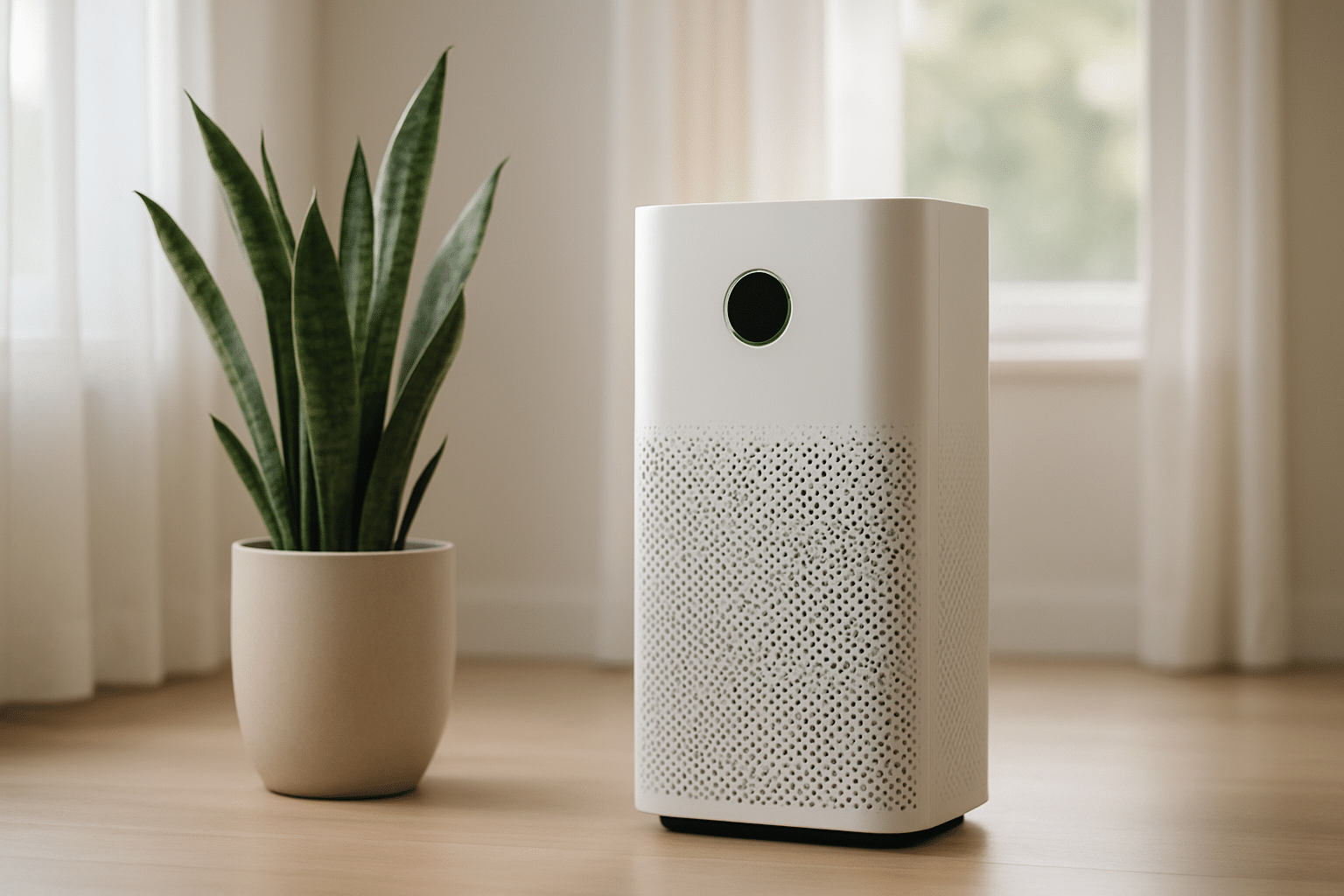
2. Use High-Efficiency PM2.5 Air Purifiers
Air purifiers equipped with HEPA filters capture fine dust particles prevalent due to Dubai’s desert dust storms. These units are especially beneficial in bedrooms and living areas, improving air turns per hour.
3. Control Humidity Levels
While Dubai is generally dry, air conditioners can create cold, damp environments supporting mold growth. Using dehumidifiers or setting air conditioners to appropriate humidity helps control microbial growth responsible for allergies.
4. Reduce Sources of VOCs
Select paints, adhesives, and furnishings certified for low VOC emissions by UAE environmental standards. Avoid harsh chemicals and opt for natural cleaning products whenever possible.
5. Regular Cleaning and Dust Control
Routine dusting with damp cloths, vacuuming with HEPA-filtered vacuums, and washing bedding minimizes accumulation of allergens like dust mites. Using door mats in areas like Business Bay or Dubai Marina can trap outdoors dirt before entering homes.
6. Incorporate Indoor Plants Carefully
Certain plants can improve air quality by absorbing VOCs but require maintenance to avoid mold growth. Popular low-maintenance plants suitable for Dubai indoor conditions include snake plants and peace lilies.
7. Implement Smart Monitoring Devices
Smart indoor air quality monitors provide real-time tracking of PM2.5, VOCs, and humidity, enabling residents to take corrective action promptly.
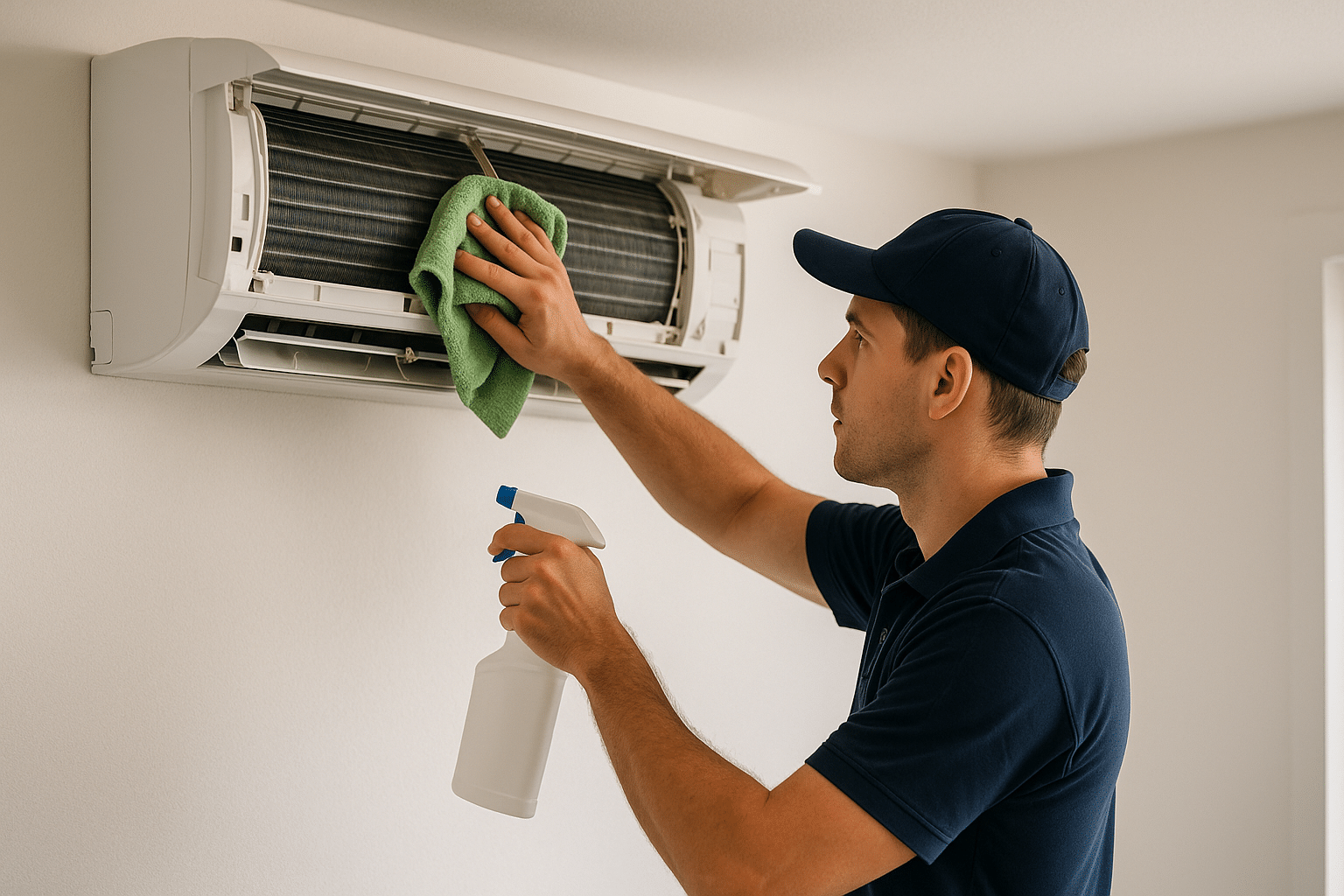
8. Schedule HVAC and Duct Cleaning
Professional services such as Saniservice‘s comprehensive indoor air quality improvement solutions in Dubai ensure that air ducts and HVAC filters are free from dust, mold, and microbial accumulations that severely degrade air quality.
9. Avoid Smoking Indoors
Tobacco smoke introduces toxic chemicals into confined indoor environments. Dubai’s anti-smoking regulations align with reducing indoor air pollution in public and private spaces.
10. Seal Gaps and Improve Building Envelope
Preventing infiltration of outdoor pollutants by sealing windows, doors, and cracks is essential. In Dubai’s competitive real estate market, newer constructions in areas like Nad Al Sheba incorporate enhanced insulation that helps in this regard.
| Solution | Key Benefit |
|---|---|
| Optimized Ventilation | Reduces pollutant build-up |
| HEPA Air Purifiers | Filters fine particulates |
| Humidity Control | Prevents mold and allergens |
| Low-VOC Products | Limits harmful chemical exposure |
| Regular Cleaning | Removes allergens and dust |
How to Maintain Optimal Indoor Air Quality Year-Round
Indoor air quality improvement solutions require ongoing attention and maintenance, especially in Dubai’s demanding climate. Here are strategies to ensure consistent air quality:
Seasonal HVAC Maintenance
Before summer and winter peaks, schedule professional maintenance for cooling and ventilation systems to ensure efficiency and filter integrity. This reduces accumulated dust and microbial growth risks indoors.
Daily Practices for Residents
Keep doors and windows closed during dust storms common in Dubai’s plains. Use mechanical ventilation systems or air purifiers to circulate clean air. Avoid indoor smoking or burning incense excessively.
Monitor and Act Quickly
Utilize indoor air quality monitors linked to phone apps for instant alerts when pollution levels rise, enabling quick responses such as increased ventilation or purifier use.
Educate Household Members
Raise awareness among family or co-workers about behaviors that impact indoor air — for example, reducing chemical cleaners or promptly fixing leaks to prevent mold.
FAQ on Indoor Air Quality Improvement Solutions
What is the most effective way to improve indoor air quality in Dubai homes?
Implementing a combination of high-efficiency air purifiers, controlled ventilation, and reducing pollutant sources is the best approach. Regular cleaning and HVAC maintenance enhance results significantly.
How often should air conditioning systems be serviced for air quality?
Dubai’s climate demands at least twice yearly servicing—typically before summer and winter—to maintain optimal air flow and prevent microbial contamination.
Are indoor plants really helpful for air quality?
Some indoor plants help absorb VOCs, but improper care can increase humidity and mold. Choose low-maintenance plants and monitor indoor humidity levels closely.
Can cleaning services improve my indoor air quality?
Yes. Professional duct and HVAC cleaning companies in Dubai, like Saniservice, specialize in removing dust and microbial buildup that can impair air quality, offering significant improvements.
Does Dubai Municipality regulate indoor air quality?
Dubai Municipality provides guidelines and regulations focusing on public health, including indoor air quality standards for residential and commercial buildings in Dubai.
Conclusion and Actionable Tips
Indoor air quality improvement solutions are critical to ensuring a safe, healthy living environment in Dubai. By understanding the unique challenges posed by climate, urban growth, and lifestyle, you can take powerful steps to protect your family and employees.
Start by diagnosing your current indoor environment using smart monitors, investing in effective air purifiers, and maintaining HVAC systems with certified professionals. Regular cleaning, source control of pollutants, and mindful daily habits complement these technical measures. These comprehensive indoor air quality improvement solutions are key to a healthier home.
Explore detailed professional services like those offered by Saniservice in Dubai to get expert assistance tailored specifically for local conditions. For additional guidance on cleaning and HVAC standards, the National Air Duct Cleaners Association provides valuable insights on indoor air quality improvement solutions compatible with Dubai best practices.
Take charge now—improving your indoor air quality with these well-rounded indoor air quality improvement solutions not only boosts health but elevates quality of life in Dubai’s dynamic urban landscape.
Comprehensive Approaches to Indoor Air Quality Improvement Solutions
Improving indoor air quality is crucial for health, comfort, and overall well-being, especially in urban environments such as Dubai where residents and workers spend substantial time indoors. Effective indoor air quality improvement solutions combine modern technology, proper ventilation, and maintenance practices aligned with Dubai Municipality guidelines and local environmental conditions. By understanding and implementing these strategies, property managers, homeowners, and businesses can significantly reduce airborne contaminants while promoting a healthier indoor environment.
Advanced Filtration and Purification Technologies
One of the cornerstone indoor air quality improvement solutions lies in the use of advanced filtration and purification methods that effectively remove particulate matter, allergens, and harmful chemicals from indoor air. Dubai’s high urban density and increasing construction activity contribute to elevated dust and particulate levels indoors, making filtration essential.
High-efficiency particulate air (HEPA) filters are widely recognized for their ability to capture up to 99.97% of airborne particles as small as 0.3 microns, including dust, pollen, pet dander, and some bacteria. HVAC units equipped with HEPA filtration are commonly recommended within office buildings and residential towers in Dubai Marina, Downtown Dubai, and other urban districts. Such systems must be regularly maintained in accordance with Dubai Municipality’s standards to ensure optimal functioning.
Moreover, innovative air purification technologies, such as activated carbon filters and photocatalytic oxidation units, can enhance indoor air quality by targeting volatile organic compounds (VOCs) and odors. Activated carbon filters absorb gases emitted by cleaning products, paints, and furnishings commonly found in Dubai homes and offices. Photocatalytic oxidation utilizes UV light and a catalyst to break down pollutants, offering a chemical-free purification method respected by Dubai Health Authority (DHA) environmental health protocols.
- HEPA filters: Capture fine particulates and allergens.
- Activated carbon filtration: Absorbs gases and chemical pollutants.
- Photocatalytic oxidation: Neutralizes VOCs using UV light.
Effective Ventilation Strategies Tailored for Dubai’s Climate
Ventilation plays an essential role in indoor air quality by introducing fresh air and removing stale, contaminated air. However, Dubai’s hot and humid climate presents unique challenges for ventilation strategies. Traditional natural ventilation (opening windows) is often impractical or counterproductive due to high outdoor temperatures, dust storms common in certain seasons, and humidity levels that can promote mold growth indoors.
Consequently, many indoor air quality improvement solutions in Dubai focus on mechanical ventilation systems designed to balance air exchange with climate control. Mechanical ventilation with heat recovery, for example, allows fresh air to enter indoor spaces while minimizing energy loss, which is particularly critical given Dubai’s peak temperatures and compliance with DEWA’s energy efficiency guidelines.
Furthermore, building codes enforced by Dubai Municipality require new construction and large-scale renovations to incorporate appropriate ventilation rates to prevent indoor air stagnation without compromising thermal comfort. These codes ensure that commercial buildings in Business Bay or residential developments in Arabian Ranches maintain air circulation adequate to remove carbon dioxide, humidity, and indoor pollutants.
Regular maintenance of ventilation ducts and filters is also mandated to avoid accumulation of dust, mold, or microbial contaminants, which can counteract other air quality efforts.
Additional Practical Indoor Air Quality Improvement Solutions
Beyond technology and ventilation, certain behavioral and operational practices greatly enhance indoor air quality in Dubai’s unique urban environment:
- Source control: Limiting the use of VOC-emitting materials such as synthetic carpets, cellulose-based paints, and scented cleaning agents supports healthier indoor air. In many Dubai offices and homes, selecting low-emission furnishings that comply with local Dubai Municipality environmental standards is increasingly encouraged.
- Humidity control: Maintaining indoor relative humidity between 40% and 60% helps inhibit the growth of mold and dust mites. In Dubai’s climate, this typically involves using dehumidifiers or leveraging HVAC systems designed for moisture regulation.
- Regular cleaning: Dust accumulation and microbial growth on surfaces and fabrics contribute to poor air quality. Routine professional cleaning services aligned with Dubai Health & Safety regulations can reduce the particulate load and allergens.
- Indoor plants: While certain houseplants have air-purifying qualities, care is needed in Dubai to prevent overwatering and mold growth. Consulting with local horticultural experts ensures that only appropriate species are used.
The Role of Monitoring and Compliance in Maintaining Healthy Indoor Air
Continuous or periodic monitoring of indoor air parameters such as carbon dioxide, particulate matter (PM2.5 and PM10), VOCs, and humidity is invaluable in sustaining indoor air quality. In Dubai, companies increasingly utilize smart sensors compatible with building management systems to track air parameters in real-time. These devices alert facility managers or homeowners when pollutant levels breach the thresholds set by Dubai Municipality or DHA guidelines, prompting timely interventions.
Ensuring compliance with local regulations and standards benefits both tenant health and legal adherence. Dubai Municipality’s Green Building Regulations emphasize indoor environmental quality, while the DHA outlines health-based exposure limits for air contaminants in healthcare and office settings. Investing in indoor air quality improvement solutions aligned with these regulations supports sustainable and occupant-friendly building operation.
Indoor air quality improvement solutions in Dubai must reflect the city’s unique climate, lifestyle, and regulatory environment. Integrating advanced filtration and purification technologies with mechanically balanced ventilation systems provides robust removal and prevention of common indoor pollutants. Complementing these technologies with good housekeeping, source control, humidity management, and regular air quality monitoring ensures a safe and comfortable indoor atmosphere for residents and workers in Dubai’s varied environments, from high-rise apartments in Dubai Marina to commercial hubs like Business Bay.
By adhering to Dubai’s environmental and health regulations and employing tailored strategies, property managers and residents can significantly mitigate indoor air pollution, enhancing overall wellness and productivity across the city.