9 Critical Benefits of Following Technical Guidelines for Indoor Air Quality in Dubai
Table of Contents
Contents
- 1 Table of Contents
- 2 Introduction to Technical Guidelines for Indoor Air Quality
- 3 Importance of Indoor Air Quality in Dubai
- 4 Technical Guidelines for Indoor Air Quality in Dubai: Ensuring Healthy Environments
- 4.1 Understanding Pollutant Sources and Control Strategies
- 4.2 Design and Operation Standards for HVAC Systems in Dubai Buildings
- 4.3 Compliance and Testing Protocols for Indoor Air Quality in Dubai
- 4.4 Operational Best Practices and Maintenance to Sustain IAQ
- 4.5 Dubai-Specific Challenges and Solutions in Maintaining Indoor Air Quality
- 5 Key Benefits of Regular AC Cleaning
- 6 Energy Efficiency and Cost Savings
- 7 Health Improvements from Better Air Quality
- 8 Compliance with Dubai Indoor Air Quality Regulations
- 9 Frequently Asked Questions about Technical Guidelines for Indoor Air Quality
- 9.1 What are the main components of the technical guidelines for indoor air quality?
- 9.2 How often should AC units be cleaned in Dubai?
- 9.3 Are there local authorities regulating indoor air quality in Dubai?
- 9.4 Can regular AC cleaning improve energy bills?
- 9.5 Where can I find professional AC cleaning services in Dubai?
- 10 Conclusion and Actionable Steps
Introduction to Technical Guidelines for Indoor Air Quality
The technical guidelines for indoor air quality are essential frameworks that ensure the air inside living and working spaces in Dubai remains safe, clean, and comfortable. With Dubai’s unique climate and rapid urbanization, adhering to these guidelines is more important than ever to maintain optimal air conditions. This article explores key benefits derived from regular air conditioning (AC) cleaning within these frameworks and offers practical insights for residents and businesses alike.
Importance of Indoor Air Quality in Dubai
Indoor air quality (IAQ) impacts health, productivity, and overall wellbeing. In Dubai’s hot and dusty environment, pollutants and allergens can easily accumulate indoors, emphasizing the need for strict compliance with the technical guidelines for indoor air quality. Dubai Municipality alongside Dubai Health Authority (DHA) have set specific standards to limit contaminants and regulate ventilation systems to protect residents and workers.
Understanding and implementing these guidelines helps reduce risks related to airborne diseases, allergic reactions, and respiratory problems, which are particularly critical in densely populated areas like Business Bay, Dubai Marina, and Downtown Dubai.
Technical Guidelines for Indoor Air Quality in Dubai: Ensuring Healthy Environments
Maintaining optimal indoor air quality (IAQ) is pivotal for health and comfort, particularly in Dubai’s unique climatic and urban settings. Understanding and applying the technical guidelines for indoor air quality is essential for building managers, HVAC professionals, facility operators, and occupants looking to minimize health risks from indoor pollutants. This section delves into core technical aspects specific to Dubai, aligned with standards set by Dubai Municipality, Dubai Health Authority (DHA), and other local regulators.
Understanding Pollutant Sources and Control Strategies
Indoor air pollution arises from a mix of sources commonly found in Dubai’s modern residential, commercial, and industrial buildings. Key pollutants include particulate matter (PM2.5 and PM10), volatile organic compounds (VOCs), carbon monoxide (CO), bioaerosols such as mold, and elevated humidity leading to microbial growth.
Dubai’s hot and arid climate leads to high reliance on air conditioning systems, which can exacerbate indoor air problems if improperly maintained. For example, air handling units without frequent filter replacement or cleaning can become breeding grounds for microbial contamination and dust accumulation, significantly reducing IAQ.
Technical guidelines emphasize the importance of a holistic approach, which includes adhering to the technical guidelines for indoor air quality, encompassing:
- Source Control: Limiting indoor pollutant generation through selection of low-emission building materials and furnishings approved by Dubai Municipality’s environmental quality standards.
- Ventilation Management: Providing sufficient fresh air exchange in accordance with Dubai Civil Defence and DHA ventilation codes, balancing energy efficiency with pollutant dilution.
- Air Cleaning Technologies: Utilizing certified filtration systems, including HEPA filters and activated carbon filters, that meet Dubai Municipality standards to reduce allergens, dust, and VOC concentrations.
- Humidity Control: Maintaining indoor relative humidity between 40–60% per Dubai Municipality environmental health guidelines to prevent mold growth and maintain occupant comfort.
Design and Operation Standards for HVAC Systems in Dubai Buildings
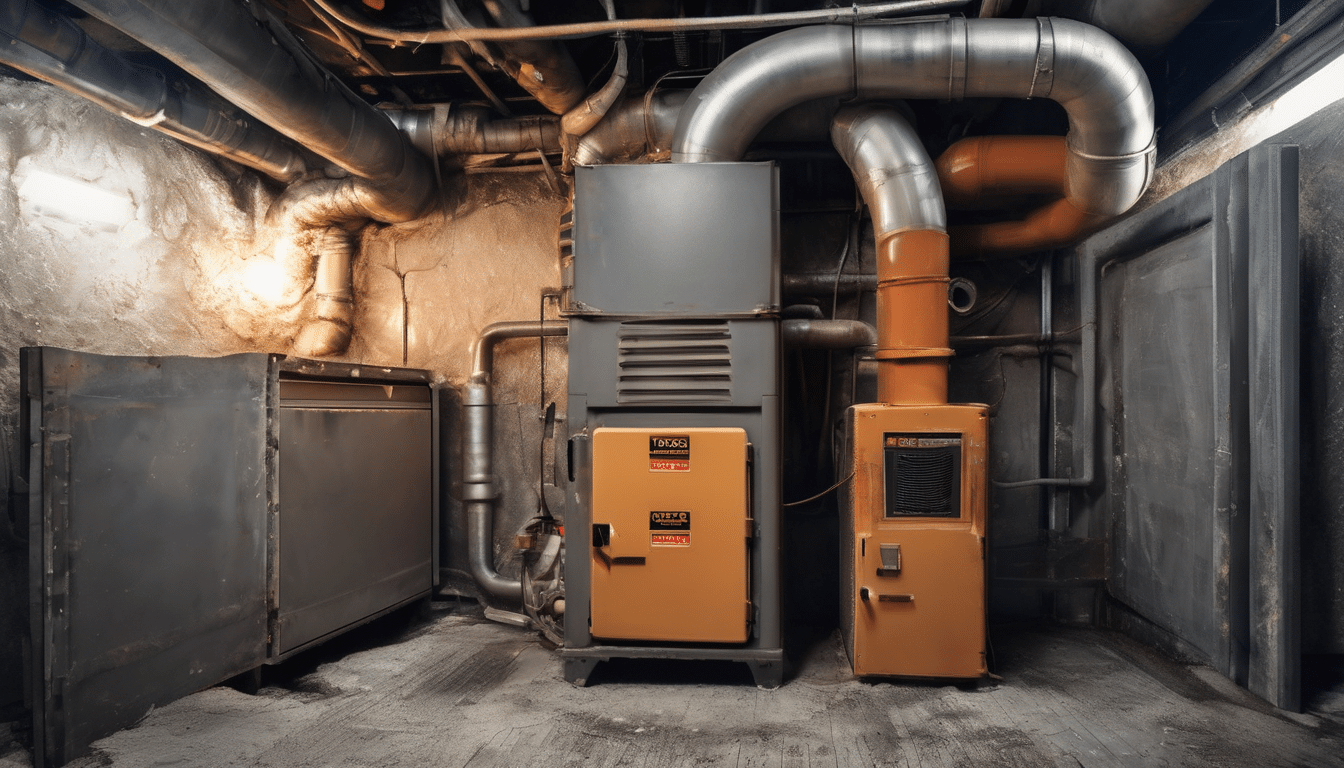
HVAC (Heating, Ventilation, and Air Conditioning) systems are critical components controlling indoor environments. The technical guidelines for indoor air quality in Dubai prioritize HVAC design and operation as a primary means to achieve acceptable IAQ metrics.
Key elements of HVAC technical guidelines include:
- System Design in Accordance with Dubai Municipality Codes: HVAC systems must comply with Dubai Municipality’s Building Code and environmental standards, which provide criteria on air exchange rates, filtration efficiency, and materials to be used in ductwork to avoid off-gassing or corrosion.
- Air Filtration and Maintenance: Filters should be replaced or cleaned regularly per DHA and Dubai Municipality recommendations. Using filters with Minimum Efficiency Reporting Value (MERV) ratings suitable for the environment helps reduce particulate pollution effectively.
- Energy Recovery and Ventilation Balancing: In hot climates such as Dubai, energy recovery ventilators (ERVs) are recommended to minimize cooling loads while ensuring fresh air supply. System operation must ensure that ventilation rates meet or exceed thresholds set by Dubai Municipality and the UAE Fire & Life Safety Code.
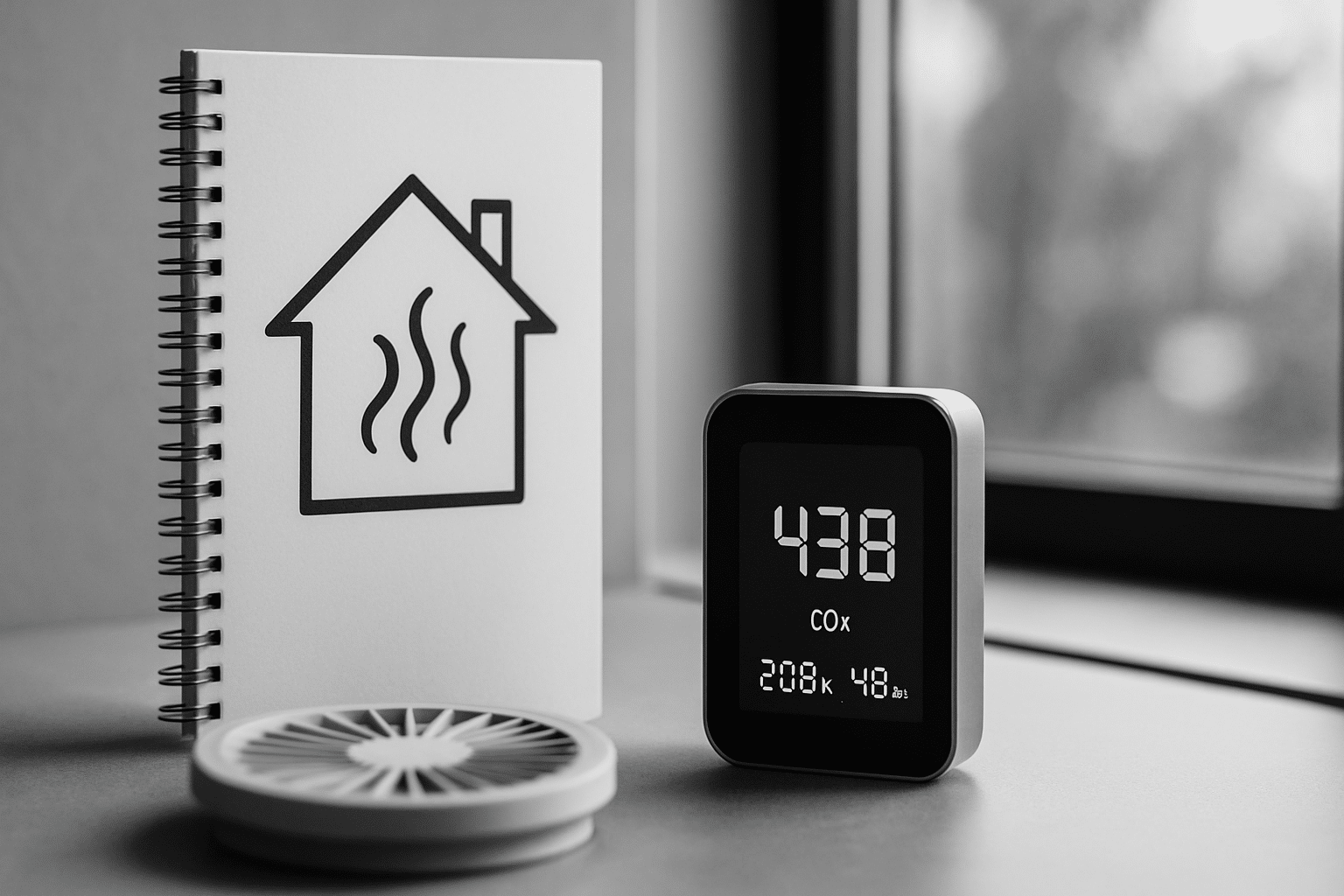
- Monitoring and Control Systems: Deployment of indoor air quality sensors and automated controls within HVAC systems allows real-time tracking of CO2, VOCs, and particulate levels. This data supports proactive adjustments to ventilation and filtration efforts, preserving air quality without excessive energy consumption.
Failing to follow these technical guidance measures can lead to accumulation of pollutants, discomfort, reduced productivity, and increased health complaints among building occupants.
Compliance and Testing Protocols for Indoor Air Quality in Dubai
To verify compliance with Dubai-specific technical guidelines for indoor air quality, building owners and facilities managers must implement rigorous testing and verification protocols. The Dubai Municipality mandates periodic IAQ assessments, particularly for commercial and public buildings, to ensure occupant safety and comfort.
Standard procedures include:
- Sampling of Key Pollutants: Measuring PM2.5, PM10, CO, CO₂, formaldehyde, and VOC concentrations using approved methods as outlined in Dubai Municipality’s Environmental Quality Manual.
- Humidity and Temperature Logging: Continuous monitoring allows detection of trends that could predispose to microbial growth or occupant discomfort.
- Microbial Testing: Surfaces and air samples are tested for mold spores and bacteria, particularly in air conditioning ducts and wet areas, following DHA guidelines.
- Ventilation Effectiveness Checks: Verifying airflow rates and system functionality to ensure compliance with ventilation requirements per Dubai Civil Defence and Fire & Life Safety Code.
Test results often require documentation and submission to Dubai Municipality environmental health inspectors. Facilities that do not meet the established IAQ criteria may be subject to remedial actions.
Operational Best Practices and Maintenance to Sustain IAQ
The sustainability of indoor air quality in Dubai hinges on continuous operational diligence and strict adherence to the technical guidelines for indoor air quality. Key routine practices recommended by local professional bodies such as the Dubai Facility Management Association (DFMA) include:
- Preventive Maintenance Schedule: Establishing frequent filter replacements, duct cleaning, and system inspections aligned with Dubai Municipality’s standards.
- Use of Environmentally Friendly Cleaning Agents: Preference for low-VOC or non-toxic disinfectants and cleaning chemicals reduces introduction of secondary indoor pollutants.
- Occupant Awareness and Training: Educating building occupants on behaviors that impact IAQ, such as smoking prohibitions, proper waste disposal, and reporting of IAQ-related complaints promptly to facility management.
- Integration with Smart Building Systems: Employing building automation systems for real-time IAQ management optimizes ventilation and reduces energy costs while maintaining healthy environments.
Dubai-Specific Challenges and Solutions in Maintaining Indoor Air Quality
Dubai’s harsh climate, rapid urbanization, and high density of construction and traffic pose particular challenges to maintaining optimal indoor air quality. Sandstorms and outdoor dust infiltration are persistent issues requiring robust solutions:
- High-Efficiency Particulate Air (HEPA) Filters: These play a critical role in trapping fine desert dust that frequently penetrates buildings despite sealing efforts.
- Building Envelope Design: Dubai Municipality’s energy efficiency codes advocate for airtight and insulated building envelopes minimizing ingress of outdoor pollutants and reducing cooling demands.
- Landscaping and Green Buffers: The strategic use of greenery, particularly in prominent Dubai locations such as Business Bay and Dubai Marina, helps filter dust and improve immediate outdoor air quality impacting indoor air.
- Scheduling Air Intake Points: Locating fresh air intakes away from traffic-heavy roads or construction sites minimizes introduction of pollutants into ventilation systems.
Through adherence to these and broader technical guidelines for indoor air quality, Dubai buildings can provide healthier indoor environments that align with regulatory expectations and enhance occupant well-being.
Key Benefits of Regular AC Cleaning
Regular AC cleaning is a practical method to meet the technical guidelines for indoor air quality. It offers several benefits that contribute to healthier indoor air and improved comfort.
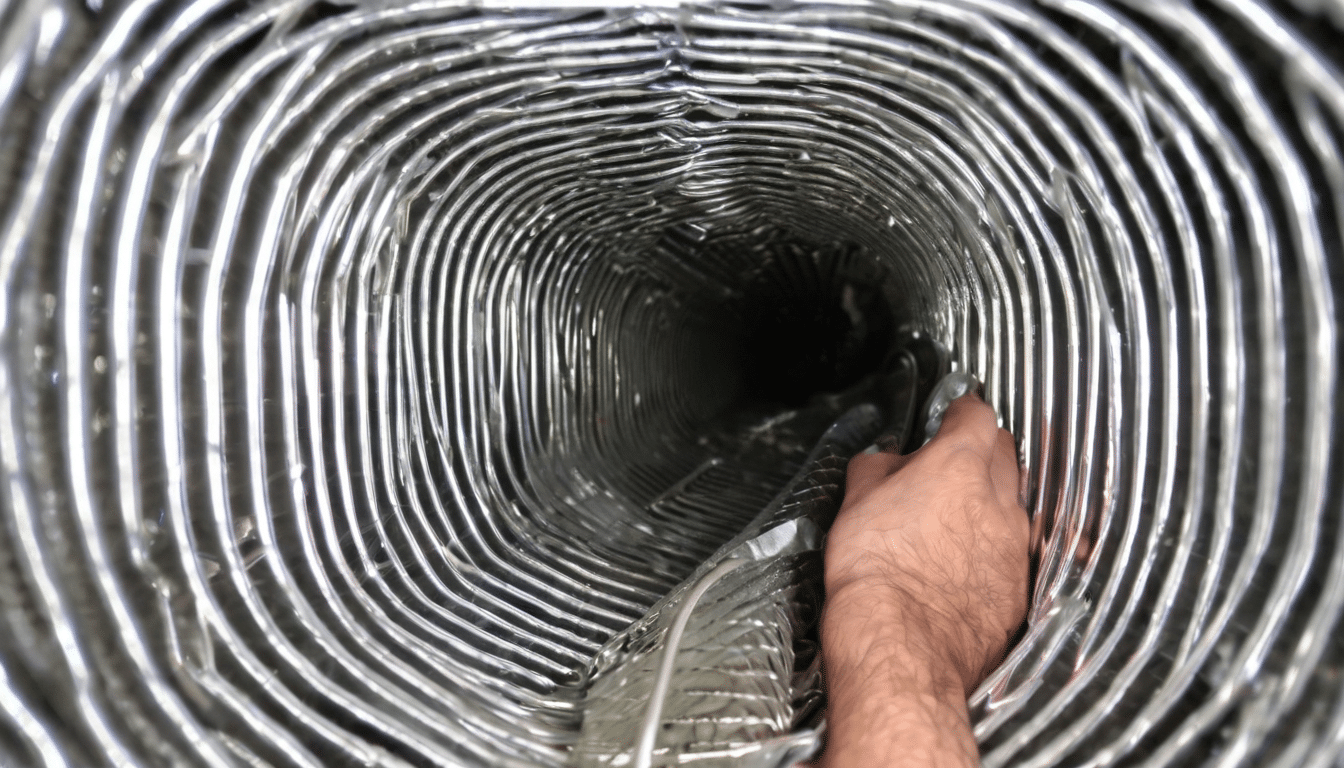
- Eliminates Dust and Pollutants: AC units trap dust, pollen, and other debris which accumulate over time. Routine cleaning removes these, preventing circulation throughout the indoor environment.
- Prevents Mold and Bacterial Growth: Moisture inside AC systems can breed mold and bacteria. Cleaning methods reduce this risk, protecting occupants from respiratory infections.
- Improves Airflow and Ventilation: Clean AC filters and ducts improve airflow efficiency, ensuring fresh air is properly circulated as per Dubai Municipality regulations.
- Enhances System Longevity: Reducing dirt buildup lowers strain on mechanical components, extending the lifespan of AC units and complying with recommended maintenance schedules.
- Reduces Odors: Removal of trapped contaminants decreases unpleasant smells, maintaining a fresh indoor atmosphere.
Energy Efficiency and Cost Savings
Adhering to the technical guidelines for indoor air quality by keeping AC systems clean in Dubai has measurable economic advantages. Efficient units consume less electricity — a significant consideration in areas such as Nad Al Sheba and Arabian Ranches where cooling demands peak during the summer months.
Improved energy efficiency directly translates to lower electricity consumption without compromising comfort. While costs vary across Dubai, maintaining AC units regularly helps optimize performance and prevents costly breakdowns.
Health Improvements from Better Air Quality
Following technical guidelines for indoor air quality and ensuring regular AC cleaning can significantly enhance occupant health. Studies by Dubai Health & Safety authorities confirm reduced incidences of allergies, asthma attacks, and other respiratory issues when indoor environments are kept free of airborne irritants.
This is especially vital for vulnerable groups such as children in schools located around Mirdif or seniors in residential complexes at Arabian Ranches.
Compliance with Dubai Indoor Air Quality Regulations
Dubai Municipality, in conjunction with Dubai Health Authority, enforces strict standards governing indoor air quality, particularly regarding ventilation and filtration in commercial and residential buildings. Following the technical guidelines for indoor air quality ensures businesses and homeowners meet these requirements, avoiding penalties and fostering safe environments.
Services like Saniservice Dubai, aligned with technical guidelines for indoor air quality, specialize in certified AC cleaning tailored to these standards, helping clients in Downtown Dubai, Business Bay, and Dubai Marina stay compliant.
Frequently Asked Questions about Technical Guidelines for Indoor Air Quality
What are the main components of the technical guidelines for indoor air quality?
The guidelines focus on ventilation requirements, filtration standards, regular cleaning schedules, and monitoring pollutant levels to maintain healthy indoor environments, particularly in densely populated and commercial zones within Dubai.
How often should AC units be cleaned in Dubai?
Given Dubai’s harsh climate, AC units ideally require cleaning every 3 to 6 months to prevent dust accumulation and microbial growth, consistent with the recommendations of Dubai Municipality and DHA.
Yes. Dubai Municipality and DHA are the primary regulatory bodies ensuring standards for indoor air safety and quality. Compliance with their guidelines is mandatory for residential and commercial properties.
Can regular AC cleaning improve energy bills?
Absolutely. Clean AC systems operate more efficiently, reducing energy usage and associated costs without sacrificing comfort, a crucial benefit in Dubai’s hot climate.
Where can I find professional AC cleaning services in Dubai?
Specialized services like AC cleaning services, following the technical guidelines for indoor air quality in Dubai, offer expert maintenance aligned with local technical guidelines, ensuring compliance and superior indoor air quality.
Conclusion and Actionable Steps
Understanding and implementing the technical guidelines for indoor air quality delivers multiple benefits including enhanced health, energy efficiency, and regulatory compliance in Dubai’s unique environment. Regular AC cleaning plays a pivotal role in achieving these outcomes by removing harmful pollutants, improving system performance, and safeguarding indoor environments.
To maintain high indoor air quality, residents and businesses in Dubai should prioritize routine AC maintenance using certified local services such as Saniservice Dubai. Act today to ensure cleaner, healthier air for your home or workplace.
Related articles