Difference Between AC Cleaning and Servicing: Impact on Indoor Air Quality
Most American homeowners are surprised to learn that over 60 percent of AC system failures stem from improper maintenance or neglect. Understanding the difference between AC cleaning and servicing is crucial, yet these terms are often confused. Why does this matter? Clear knowledge can safeguard your home’s air quality, help prevent costly breakdowns, and improve your family’s comfort. This guide helps you spot the key distinctions and make informed decisions for healthier indoor living.
Table of Contents
Contents
- 1 Table of Contents
- 2 Key Takeaways
- 3 Defining AC Cleaning Versus Servicing
- 4 Processes Involved in AC Cleaning
- 5 What AC Servicing Typically Includes
- 6 Impact on Indoor Air Quality and Health
- 7 Cost Considerations and Service Frequency
- 8 Choosing the Right Solution for Your Property
- 9 Elevate Your Indoor Air Quality with Expert AC Cleaning and Servicing
- 10 Frequently Asked Questions
- 11 Recommended
- Defining AC Cleaning Versus Servicing
- Processes Involved in AC Cleaning
- What AC Servicing Typically Includes
- Impact on Indoor Air Quality and Health
- Cost Considerations and Service Frequency
- Choosing the Right Solution for Your Property
Key Takeaways
| Point | Details |
|---|---|
| AC Cleaning Focuses on Contaminant Removal | Cleaning primarily targets visible and microscopic contaminants to enhance indoor air quality. |
| AC Servicing Encompasses Comprehensive Maintenance | Servicing includes cleaning and thorough system evaluations to ensure optimal performance and health. |
| Regular Maintenance is Critical for Health | Consistent professional maintenance significantly reduces health risks associated with poor air quality. |
| Service Frequency Varies by Property Type | Recommended maintenance frequency differs based on property type and environmental challenges, guiding preventive care. |
Defining AC Cleaning Versus Servicing
Air conditioning systems represent complex mechanical environments where subtle differences between cleaning and servicing dramatically impact indoor air quality. AC cleaning and servicing are often used interchangeably, but professional HVAC specialists recognize critical distinctions that directly influence system performance and health outcomes.
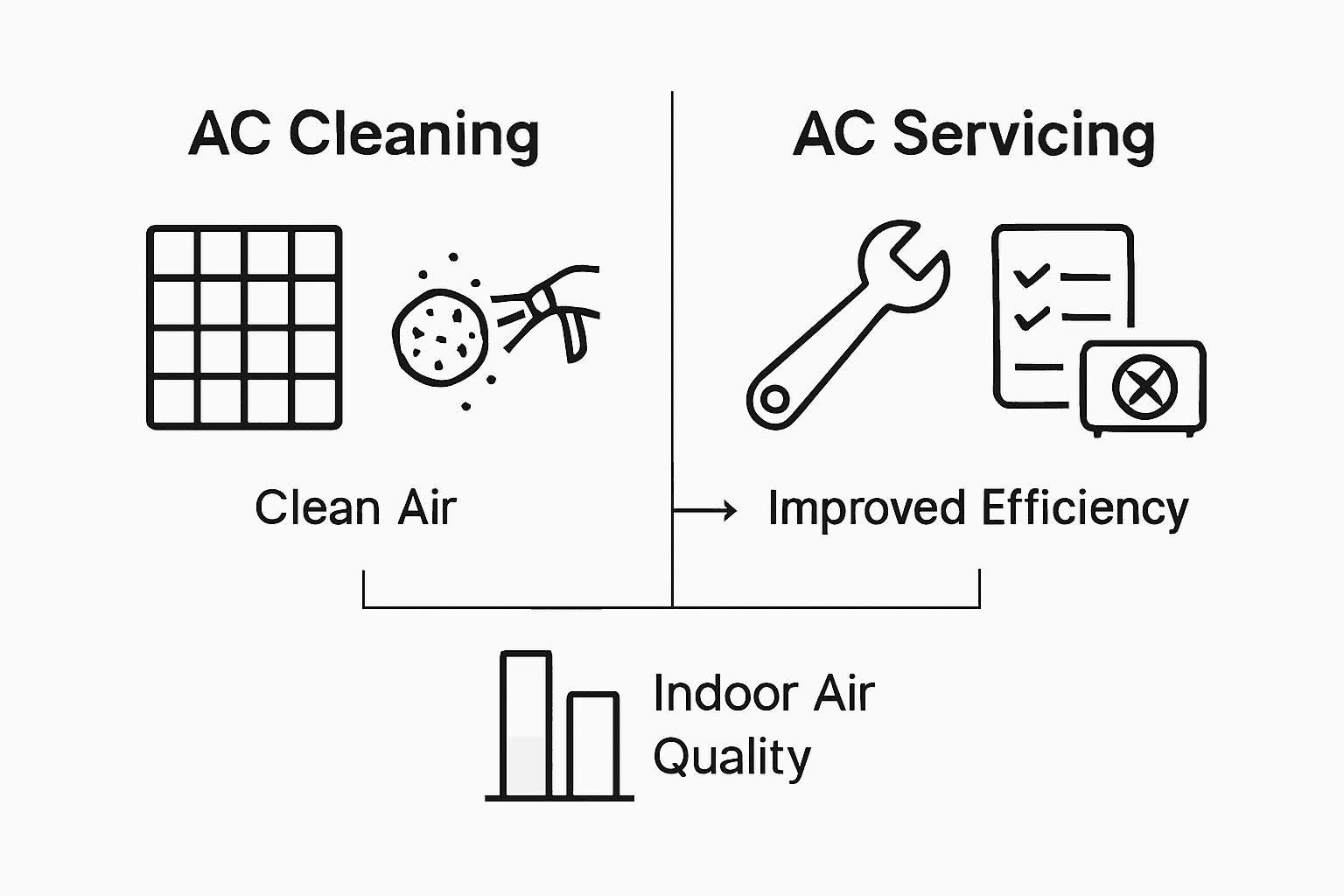
At its core, AC cleaning focuses primarily on removing visible and microscopic contaminants from system components. This process involves thorough removal of dust, debris, microbial growth, and particulate matter from critical areas like air filters, coils, drainage pans, and vents. Research indicates that improper operation or lack of maintenance may lead to spreading harmful airborne particles, making comprehensive cleaning essential for maintaining healthy indoor environments.
In contrast, AC servicing represents a more holistic approach that encompasses cleaning but extends far beyond surface-level maintenance. Servicing involves comprehensive system diagnostics, performance evaluation, mechanical adjustments, refrigerant level checks, electrical connection inspections, and potential component repairs or replacements. A field survey exploring health risks associated with split air conditioning systems underscores the importance of these comprehensive maintenance procedures in preventing potential health complications.
Pro Maintenance Tip: Schedule professional AC servicing twice annually – once before summer and once before winter – to ensure optimal system performance, energy efficiency, and indoor air quality protection.
Here’s a concise comparison of AC cleaning versus AC servicing to clarify their distinct benefits:
| Aspect | AC Cleaning | AC Servicing |
|---|---|---|
| Primary Purpose | Remove contaminants | Ensure comprehensive system health |
| Components Addressed | Filters, coils, vents, drains | All system components, including electrical and mechanical parts |
| Impact on Air Quality | Reduces dust and pollutants | Maintains air quality and efficiency |
| Typical Frequency | As needed or per service schedule | Scheduled biannually or as recommended |
| Professional Tools Used | Cleaning solutions, brushes | Diagnostic devices, gauges, cleaning tools |
| Outcome | Cleaner airflow, less buildup | Improved reliability and performance |
- Cleaning focuses on removing contaminants
- Servicing involves comprehensive system evaluation
- Both processes are critical for maintaining healthy indoor environments
Processes Involved in AC Cleaning
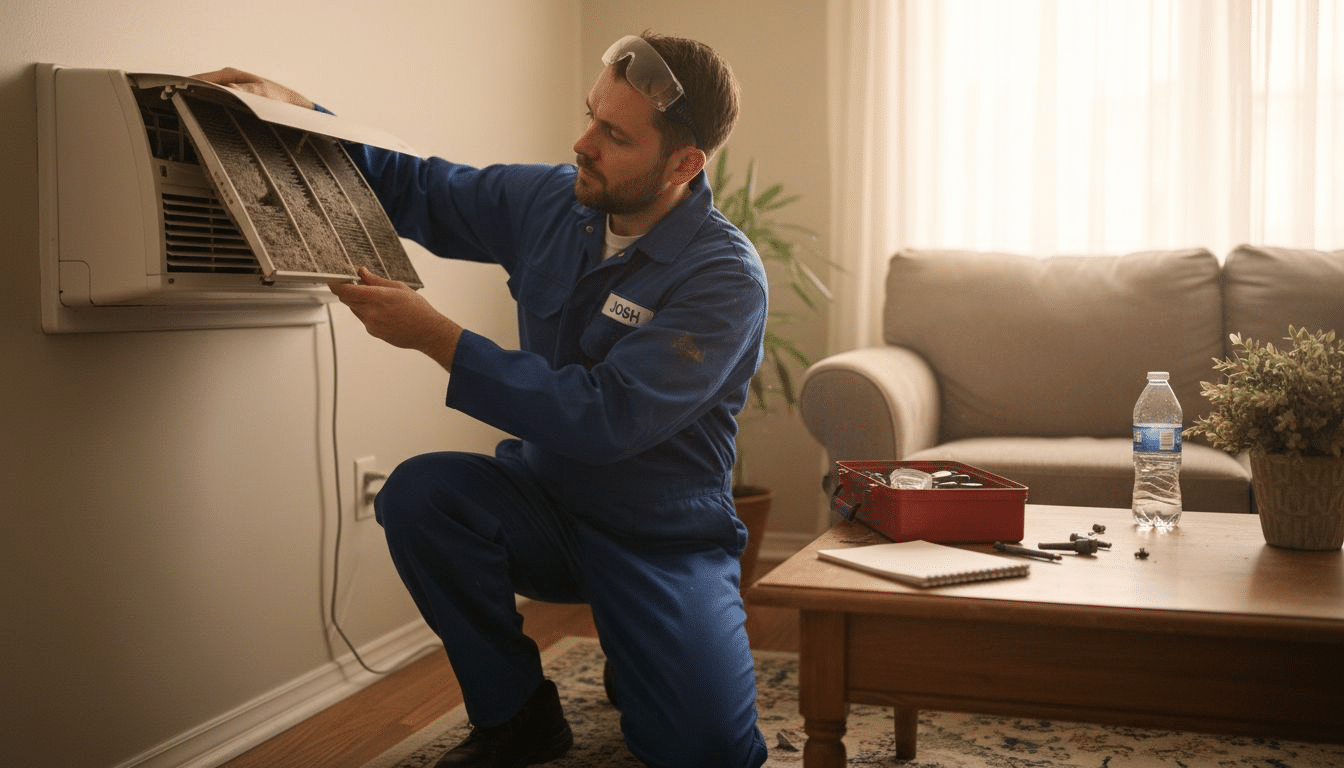
Air conditioning cleaning represents a meticulous process designed to eliminate contaminants and restore system efficiency. Professional technicians follow a systematic approach that goes beyond simple surface cleaning, targeting multiple system components to ensure optimal performance and indoor air quality.

The primary stages of AC cleaning typically involve several critical steps. First, technicians conduct a comprehensive system inspection, identifying areas of potential contamination or mechanical stress. Advanced predictive maintenance models help optimize the cleaning process by identifying critical components that might compromise indoor air quality, allowing for targeted and strategic cleaning interventions.
These detailed cleaning processes generally include:
- Removing and thoroughly cleaning air filters
- Disassembling and sanitizing internal components
- Cleaning condenser and evaporator coils
- Clearing drainage systems and condensate trays
- Inspecting and cleaning air ducts
- Applying specialized antimicrobial treatments
The goal of professional AC cleaning extends beyond mere dust removal. Innovative building control frameworks emphasize the importance of maintaining ventilation systems to enhance energy efficiency and indoor environmental quality, highlighting that comprehensive cleaning is crucial for both system performance and occupant health.
Pro Cleaning Tip: Always use microfiber cloths and specialized HVAC cleaning solutions when performing preliminary cleaning tasks to prevent potential damage to sensitive AC components.
- Professional cleaning involves systematic, multi-step processes
- Targeted interventions improve system efficiency
- Regular maintenance prevents long-term performance degradation
What AC Servicing Typically Includes
Air conditioning servicing represents a comprehensive approach to system maintenance that extends far beyond simple cleaning. Professional technicians conduct a holistic evaluation designed to ensure optimal system performance, energy efficiency, and long-term reliability.
Advanced condition-based maintenance methodologies help detect potential system faults through sophisticated diagnostic techniques, allowing technicians to implement proactive interventions before significant problems emerge. A typical AC servicing process encompasses multiple critical components and diagnostic procedures:
- Comprehensive electrical system inspection
- Refrigerant level and pressure checks
- Thermostat calibration and functionality testing
- Lubrication of moving mechanical parts
- Comprehensive system performance evaluation
- Detailed assessment of electrical connections
- Identification of potential wear and potential replacement needs
Professional servicing goes beyond mechanical assessment. Research examining indoor environmental quality highlights how proper HVAC maintenance directly impacts occupant health and performance, making these systematic evaluations crucial for maintaining safe and comfortable indoor environments.
Modern AC servicing integrates advanced diagnostic technologies, enabling technicians to predict potential system failures and recommend targeted interventions. This approach minimizes unexpected breakdowns and extends the overall lifespan of air conditioning systems.
Pro Maintenance Tip: Schedule professional AC servicing during transitional seasons to ensure optimal system readiness before extreme temperature periods and identify any potential issues early.
- Comprehensive servicing prevents unexpected system failures
- Proactive maintenance extends equipment lifespan
- Regular evaluations ensure consistent performance and efficiency
Impact on Indoor Air Quality and Health
Indoor air quality represents a critical yet often overlooked factor in human health, with air conditioning systems playing a pivotal role in determining environmental conditions. Modern air conditioning systems significantly influence humidity levels, dust concentration, and microbiological conditions, making proper maintenance an essential aspect of creating healthy indoor environments.
When air conditioning systems are improperly maintained, they can become breeding grounds for harmful microorganisms, allergens, and particulate matter. Unmaintained systems circulate contaminants through ventilation networks, potentially exposing occupants to respiratory irritants, mold spores, bacteria, and other microscopic pollutants that can trigger various health complications.
Potential Health Risks Associated with Poor AC Maintenance Include:
- Increased respiratory infections
- Aggravation of allergic reactions
- Higher risk of asthma attacks
- Potential exposure to harmful microbiological agents
- Compromised immune system responses
- Chronic respiratory inflammation
Field surveys in hot and dry climates have emphasized the critical importance of regular maintenance in preventing potential health issues, highlighting how proactive AC care directly correlates with improved indoor environmental quality. Residents in urban environments like Dubai face unique challenges related to dust, humidity, and rapid temperature fluctuations, making professional AC maintenance even more crucial.
Pro Health Tip: Conduct professional indoor air quality assessments every six months to identify potential contaminants and ensure your air conditioning system supports optimal health conditions.
- Regular maintenance prevents health risks
- Professional cleaning reduces airborne contaminants
- Systematic AC care protects respiratory health
Cost Considerations and Service Frequency
Air conditioning maintenance represents a strategic investment in system longevity, energy efficiency, and indoor environmental quality. Advanced predictive maintenance optimization models demonstrate how targeted interventions can minimize overall system costs while maintaining acceptable performance standards, making professional servicing a financially prudent decision for property owners.
The frequency of AC servicing depends on multiple factors, including system age, usage intensity, local environmental conditions, and manufacturer recommendations. In Dubai’s challenging climate, characterized by extreme temperatures and high dust levels, more frequent maintenance becomes not just advisable but essential:
Recommended Service Frequency Guidelines:
- Residential systems: Minimum 2 professional services per year
- High-usage commercial spaces: Quarterly professional maintenance
- Luxury villas and sensitive environments: 3-4 comprehensive services annually
- Systems in dusty or high-humidity areas: Additional interim inspections
Condition-based maintenance approaches utilize sophisticated machine learning techniques to predict potential system failures, allowing property managers and homeowners to implement proactive maintenance strategies that reduce long-term repair costs. These advanced diagnostic methods help identify potential issues before they escalate into expensive system breakdowns.
Cost considerations extend beyond immediate service expenses. Neglecting regular maintenance can result in significantly higher long-term expenses through increased energy consumption, premature system replacement, and potential health-related complications from poor indoor air quality.
Pro Financial Tip: Budget for annual AC maintenance as a preventative investment, typically allocating 1-2% of your system’s total replacement value for comprehensive professional servicing to maximize long-term performance and efficiency.
The following table summarizes key factors that influence how often your AC should be serviced in different property types:
| Property Type | Recommended Service Frequency | Environmental Challenges |
|---|---|---|
| Residential Home | Every 6 months | Dust, moderate usage |
| Commercial Space | Quarterly | High usage, greater contaminants |
| Luxury Villa | 3-4 times a year | Sensitive occupants, large systems |
| Dusty/Humid Areas | Additional inspections | High airborne particles, moisture |
| Newer Systems | Annual or as recommended | Less wear initially |
| Older Systems | More frequent checks | Higher risk of faults |
- Strategic maintenance reduces overall system costs
- Proactive servicing prevents unexpected breakdowns
- Regular care extends air conditioning system lifespan
Choosing the Right Solution for Your Property
Selecting the appropriate air conditioning maintenance strategy requires a nuanced understanding of your specific property characteristics, environmental conditions, and system complexity. Advanced building learning frameworks demonstrate how targeted ventilation and thermal management strategies can optimize energy efficiency and indoor environmental quality, making a personalized approach crucial for Dubai property owners.
Property owners should consider multiple factors when determining their AC maintenance approach:
Key Considerations for AC Maintenance Selection:
- Property type (residential, commercial, luxury villa)
- Age and current condition of air conditioning system
- Local environmental challenges (dust, humidity, temperature fluctuations)
- Usage intensity and occupancy patterns
- Specific health sensitivities of building occupants
- Budget constraints and long-term investment perspective
Research examining indoor environmental quality highlights how maintenance strategies directly impact occupant health, wellbeing, and overall performance, underscoring the importance of a comprehensive and tailored maintenance approach. Professional HVAC specialists can provide customized assessments that align maintenance strategies with your unique property requirements.
Specialized maintenance solutions become particularly critical in Dubai’s challenging climate, where extreme temperatures and high dust concentrations place significant stress on air conditioning systems. Luxury villa owners, commercial property managers, and residential homeowners each require distinct approaches that balance performance, efficiency, and long-term system reliability.
Pro Selection Tip: Request a comprehensive diagnostic assessment from certified HVAC professionals who can provide a detailed, customized maintenance strategy specifically tailored to your property’s unique environmental and operational characteristics.
- Personalized maintenance prevents system inefficiencies
- Professional assessments identify unique property needs
- Targeted strategies optimize long-term performance
Elevate Your Indoor Air Quality with Expert AC Cleaning and Servicing
Understanding the critical difference between AC cleaning and servicing is essential to maintaining a healthy indoor environment. The article underscores how effective cleaning removes contaminants while comprehensive servicing ensures your entire system operates safely and efficiently. If you are concerned about the health risks linked to poor AC maintenance like mold, bacteria, and allergens impacting your space, professional solutions tailored to these challenges are vital.
Saniservice brings Dubai’s most advanced scientific approach to your air conditioning needs. Our AC Cleaning & Maintenance services combine meticulous disinfection with deep cleaning conducted by NADCA-certified technicians. We support these efforts with real-world success shown in our Case Studies where clients experienced noticeable improvements in air quality and system lifespan. Trust in our multidisciplinary Indoor Sciences team who apply evidence-based practices to safeguard your property’s indoor air.
Don’t let poor AC upkeep compromise your health or comfort any longer. Act now by visiting Saniservice to schedule a professional consultation. Experience the peace of mind that comes from science-backed AC cleaning and servicing that keeps your air safe, clean, and efficient year-round.
Frequently Asked Questions
What is the difference between AC cleaning and servicing?
AC cleaning focuses on removing contaminants from key components such as filters, coils, and ducts, while AC servicing includes a comprehensive evaluation of the entire system, including diagnostics and potential repairs.
How often should I schedule AC cleaning and servicing?
It’s recommended to have AC cleaning performed as needed or based on service schedules, while AC servicing should occur biannually, ideally before summer and winter to ensure optimal performance.
How does AC servicing impact indoor air quality?
AC servicing maintains air quality by ensuring that the system operates efficiently, reducing the circulation of dust and allergens, and preventing the buildup of harmful microorganisms that can affect health.
What are the health risks associated with poor AC maintenance?
Poor AC maintenance can lead to increased respiratory infections, aggravated allergies, and exposure to harmful microbes, highlighting the need for regular cleaning and servicing to ensure a safe indoor environment.