Why AC Disinfection Matters for Healthy Living
Bold claims often overlook a crucial detail: neglecting why AC disinfection is important can leave Dubai properties vulnerable to hidden health risks. Research shows that indoor air can be up to five times more polluted than outdoor air in some American and United Arab Emirates homes. For property managers and luxury villa owners, protecting tenant health goes far beyond appearances. This guide uncovers the real value of professional AC disinfection and clears up stubborn myths, offering clear solutions to boost satisfaction and well-being.
Table of Contents
Contents
- 1 Table of Contents
- 2 Key Takeaways
- 3 Defining AC Disinfection and Common Myths
- 4 Types of AC Contaminants and How Disinfection Works
- 5 Health Risks Linked to Poor AC Hygiene
- 6 Benefits for System Lifespan and Energy Efficiency
- 7 Legal Standards and Industry Best Practices
- 8 Avoiding Common Mistakes in AC Disinfection
- 9 Ensure Healthy Indoor Air with Expert AC Disinfection from Saniservice
- 10 Frequently Asked Questions
- 11 Recommended
- Defining AC Disinfection and Common Myths
- Types of AC Contaminants and How Disinfection Works
- Health Risks Linked to Poor AC Hygiene
- Benefits for System Lifespan and Energy Efficiency
- Legal Standards and Industry Best Practices
- Avoiding Common Mistakes in AC Disinfection
Key Takeaways
| Point | Details |
|---|---|
| Importance of AC Disinfection | Regular professional AC disinfection is essential to eliminate harmful microorganisms and maintain healthy indoor air quality, especially in humid climates like Dubai. |
| Health Risks of Contaminants | Poor AC hygiene can lead to severe health risks, including respiratory issues and allergic reactions, particularly for vulnerable populations. |
| Economic Benefits | Investing in professional disinfection enhances system efficiency, reduces maintenance costs, and extends the lifespan of air conditioning units, resulting in long-term financial savings. |
| Adherence to Standards | Compliance with legal standards and industry best practices is crucial for effective AC disinfection, ensuring public health and environmental protection. |
Defining AC Disinfection and Common Myths
Air conditioning disinfection represents a critical process for maintaining healthy indoor environments, especially in Dubai’s hot and humid climate. AC disinfection involves systematically eliminating harmful microorganisms, bacteria, mold, and potential pathogens from air conditioning systems to ensure clean, safe air circulation. Unlike standard cleaning, disinfection targets microscopic threats that traditional maintenance might overlook.
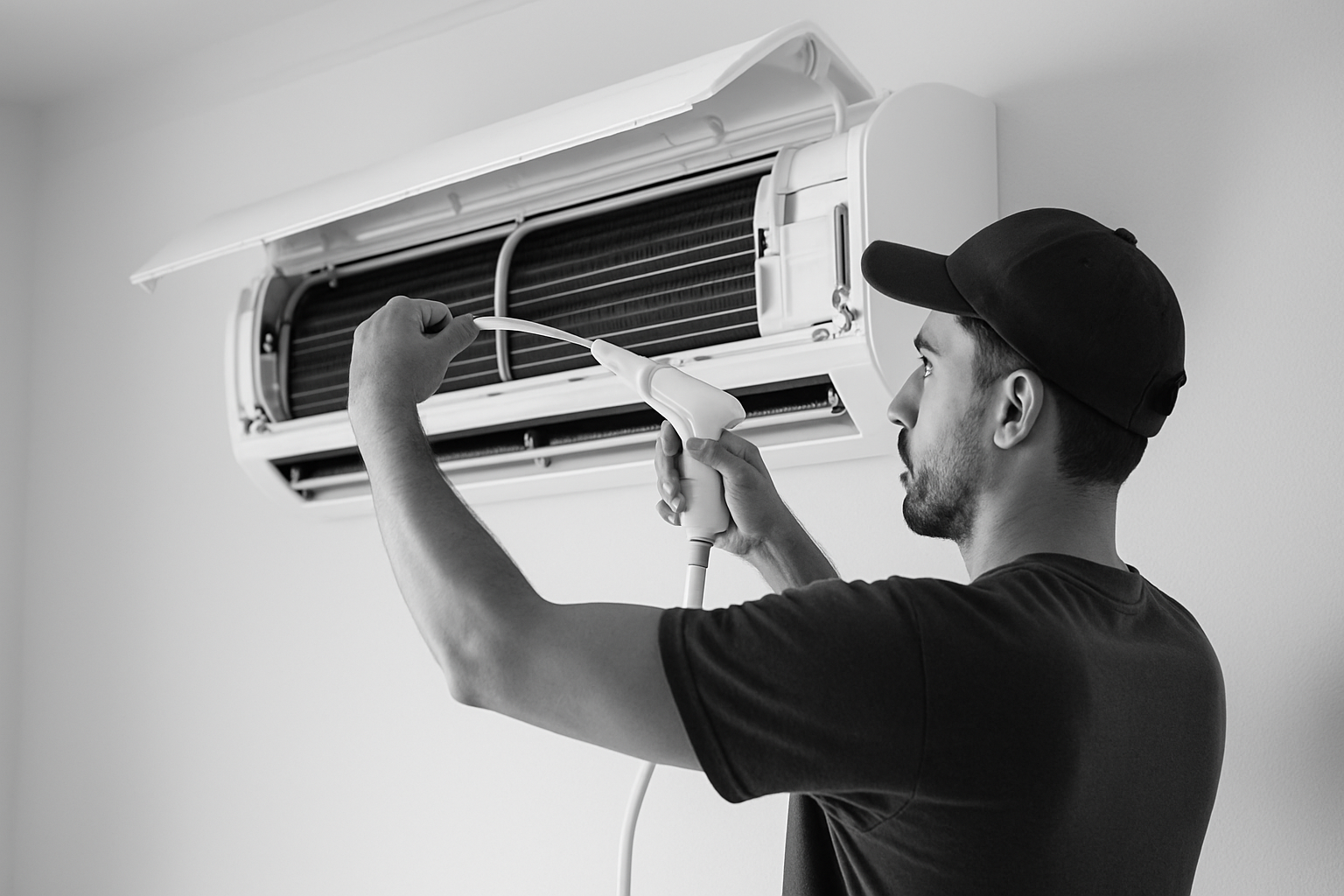
The process of AC disinfection goes beyond simple surface cleaning, requiring specialized techniques to address microbial contamination. Professional technicians use advanced methods like hospital-grade biosanitizers, UV-C treatments, and comprehensive system dismantling to reach hidden areas where microbes proliferate. These techniques specifically aim to reduce pathogen levels through targeted interventions that eliminate potential health risks associated with contaminated HVAC systems.
However, several common myths persist about AC disinfection that can mislead property owners. Many believe that standard cleaning is sufficient, or that disinfection is unnecessary in well-maintained systems. In reality, UV-C disinfection systems demonstrate that professional interventions are crucial for truly healthy indoor environments. Microorganisms can thrive in moisture-rich areas like drip trays, cooling coils, and air ducts, potentially causing respiratory issues, allergies, and decreased system efficiency.
Pro tip: Schedule professional AC disinfection at least twice annually to maintain optimal indoor air quality and prevent microbial buildup in your Dubai property.
Types of AC Contaminants and How Disinfection Works
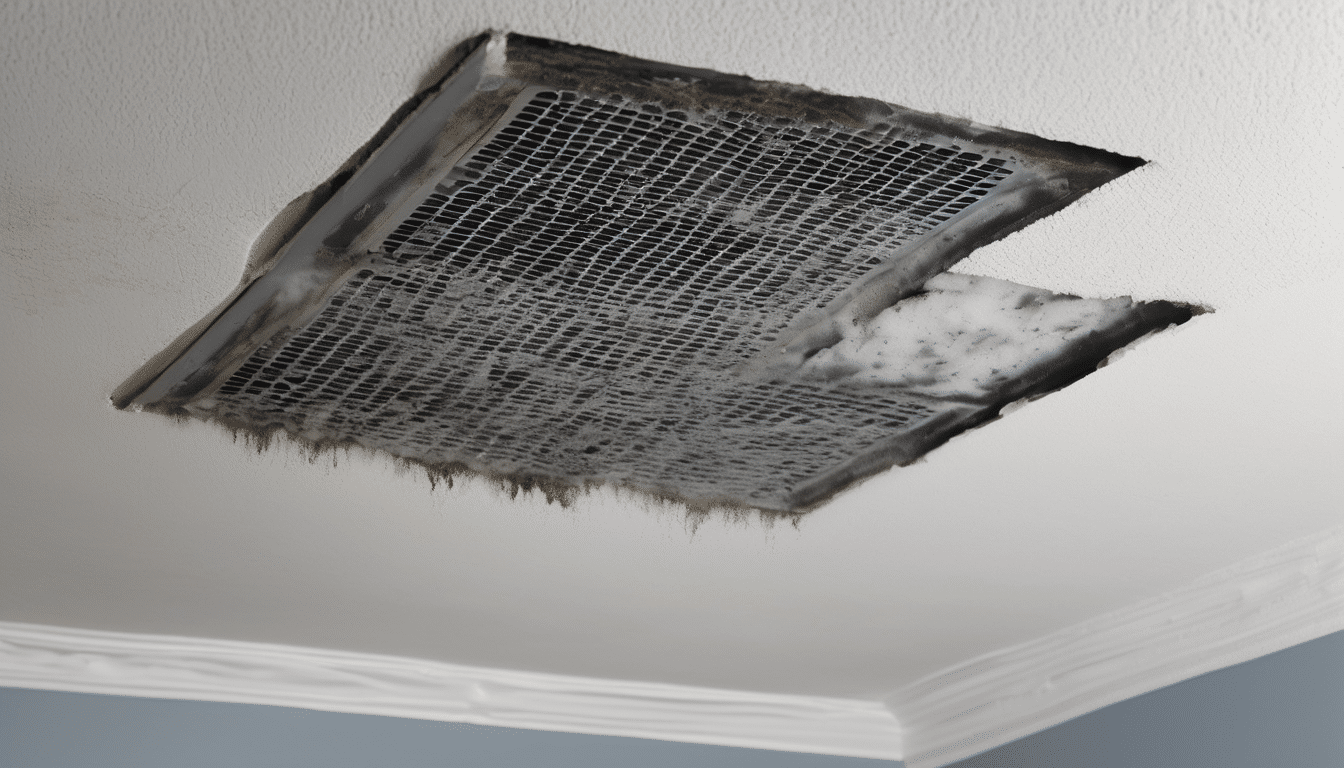
Air conditioning systems can become breeding grounds for a complex ecosystem of microscopic threats that compromise indoor air quality. Microbial contaminants range from bacteria and fungi to viruses and biofilms, each presenting unique challenges for maintaining healthy indoor environments. These microorganisms originate from multiple sources, including human occupants, pets, outdoor air, and the internal moisture-rich environments within HVAC systems.
Professional AC disinfection targets these contaminants through sophisticated techniques designed to eliminate and prevent microbial growth. Indoor air conditioning systems harbor diverse microbial populations that settle on critical components like filters, cooling coils, and ductwork. Specialized disinfection technologies such as UV-C light treatments and hospital-grade biosanitizers can effectively inactivate these microorganisms, reducing their potential to cause respiratory issues and allergic reactions.
The primary types of AC contaminants include bacterial colonies, mold spores, dust mites, and viral particles. Each of these microorganisms thrives in the dark, humid environments typical of air conditioning systems. Bacterial biofilms, for instance, can form complex layers on surfaces, making them particularly resistant to standard cleaning methods. Professional disinfection techniques break down these biofilms, eliminating potential health risks and improving overall system performance.
Pro tip: Invest in professional AC disinfection that uses multiple treatment methods to comprehensively address different types of microbial contaminants in your Dubai property.
Here’s a helpful comparison of key AC contaminants and their typical impacts:
| Contaminant Type | Common Locations | Health Impact | Resistance to Cleaning |
|---|---|---|---|
| Bacteria | Coils, drip trays | Respiratory infections | Moderate |
| Mold spores | Ductwork, coils | Allergic reactions | High |
| Dust mites | Filters, ducts | Sinus congestion | Low |
| Viral particles | Airflow paths | Asthma exacerbation | Moderate |
| Biofilm formations | Coil surfaces | Reduced system efficiency | Very high |
Health Risks Linked to Poor AC Hygiene
Poor air conditioning hygiene represents a significant health hazard that extends far beyond simple discomfort. Contaminated AC systems can transform indoor environments into breeding grounds for potentially dangerous microorganisms, creating substantial risks for respiratory and overall health. In Dubai’s hot climate, where air conditioning operates continuously, these risks are particularly pronounced due to the constant moisture and temperature conditions that accelerate microbial growth.
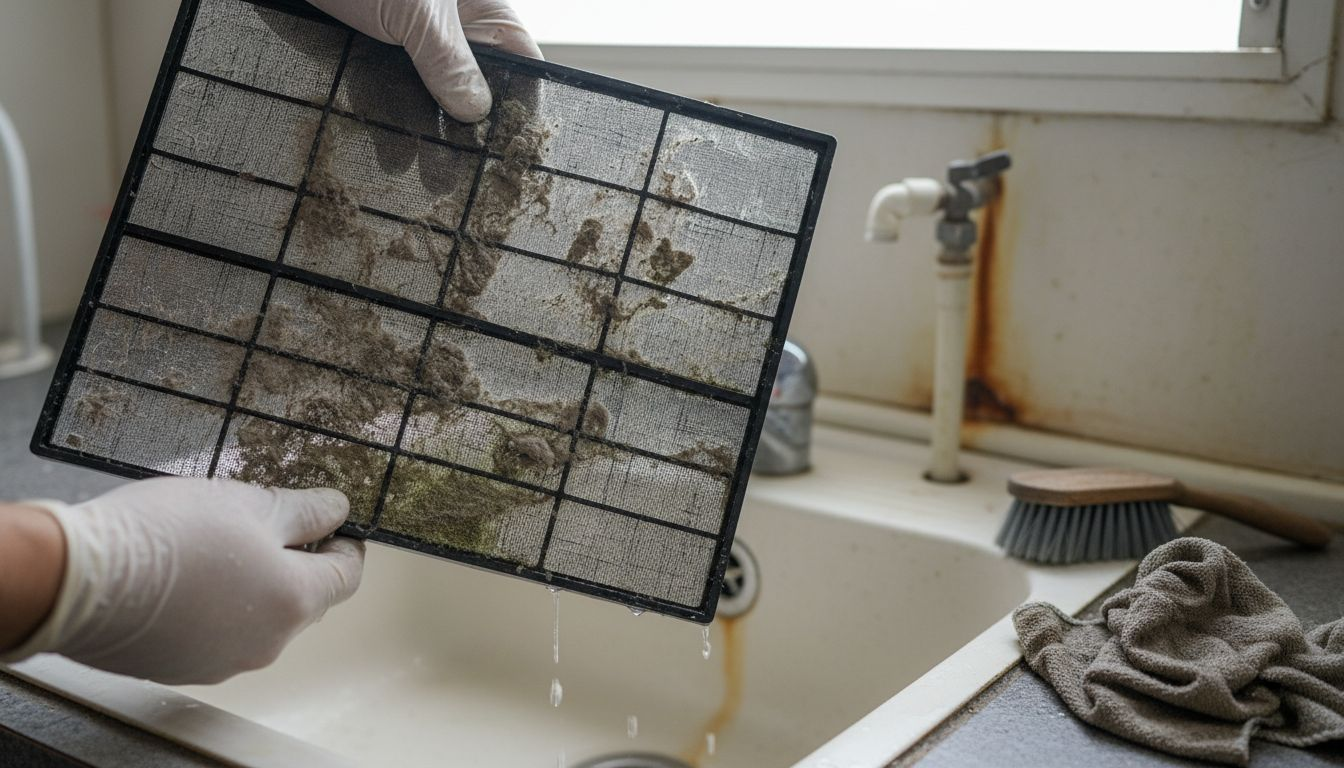
Exposure to air conditioning contaminants can trigger a range of serious health complications, especially for vulnerable populations. Children, elderly individuals, and those with pre-existing respiratory conditions face heightened risks of developing chronic health issues. Potential consequences include exacerbated asthma symptoms, increased frequency of respiratory infections, allergic reactions, and long-term pulmonary complications that can significantly impact quality of life.
The spectrum of health risks associated with poorly maintained AC systems is comprehensive and alarming. Bacterial colonies, mold spores, dust mites, and viral particles circulating through contaminated ductwork can cause immediate and long-term health problems. Respiratory infections become more likely, and individuals may experience chronic symptoms such as persistent coughing, sinus congestion, headaches, and reduced lung function. Moreover, the accumulation of these contaminants can lead to more severe conditions like bronchitis, pneumonitis, and hypersensitivity reactions that compromise immune system responses.
Pro tip: Schedule professional AC hygiene assessments every six months, especially in high-humidity environments like Dubai, to comprehensively evaluate and mitigate potential health risks.
Benefits for System Lifespan and Energy Efficiency
Professional AC disinfection represents more than just a health maintenance strategy—it is a critical investment in the long-term performance and efficiency of air conditioning systems. Mechanical performance depends substantially on maintaining clean, unobstructed components that can operate at peak capacity without unnecessary strain or degradation.
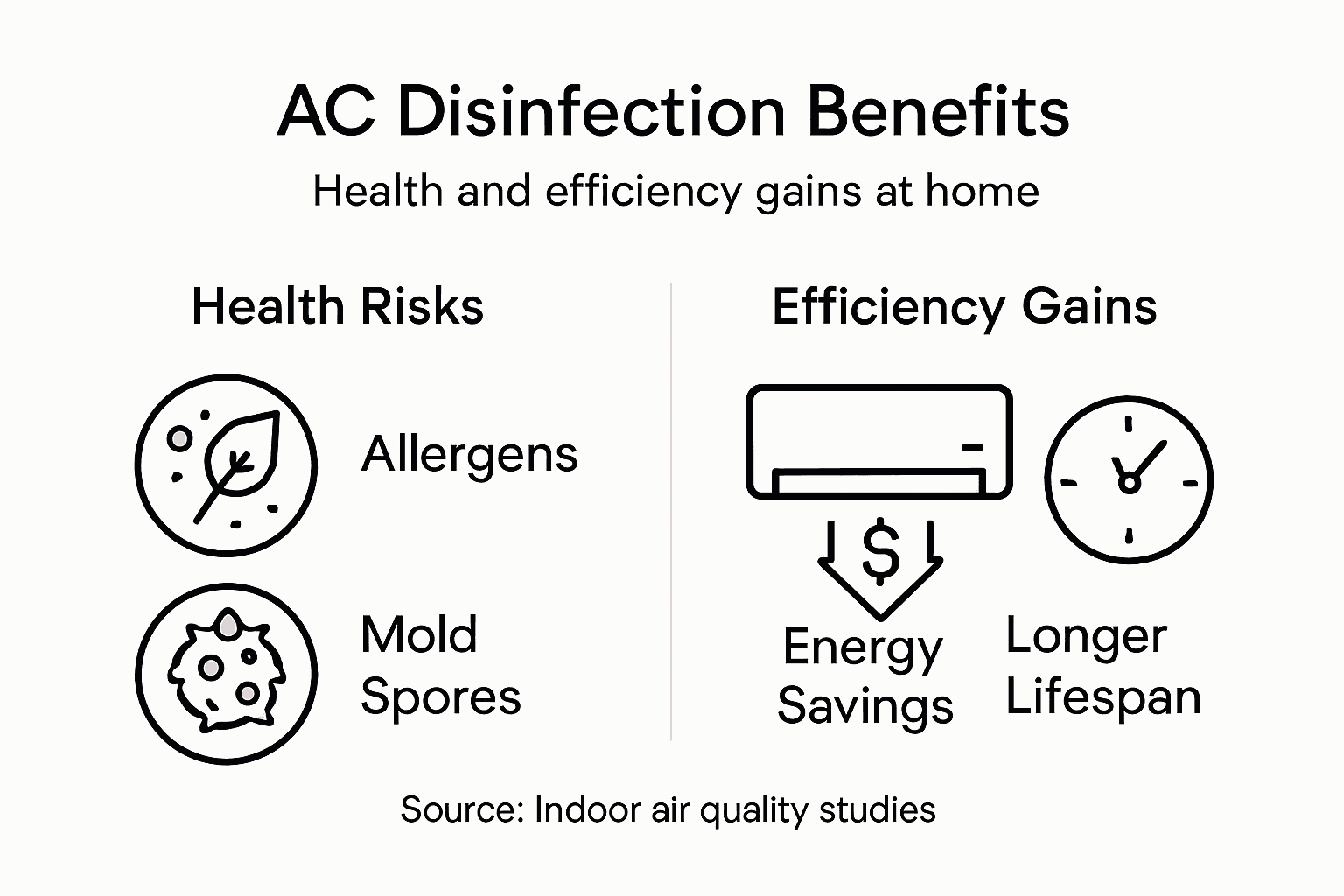
UV-C disinfection technology enhances HVAC system efficiency by preventing microbial buildup on critical components like cooling coils and internal surfaces. This strategic intervention stops biofilm formation, which can significantly impede heat transfer and increase energy consumption. By eliminating these microscopic barriers, air conditioning systems maintain their original cooling capacity, reduce operational stress, and demonstrate substantially improved energy efficiency.
The economic implications of regular professional disinfection are profound for property owners in Dubai’s demanding climate. Reduced microbial contamination means less mechanical wear, lower maintenance costs, and extended system lifespan. Air conditioning units that receive consistent, professional disinfection can operate up to 30% more efficiently compared to neglected systems, translating into meaningful reductions in electricity consumption and substantial long-term financial savings.
Pro tip: Schedule professional AC disinfection annually to optimize system performance, reduce energy consumption, and extend the operational lifespan of your air conditioning equipment.
This summary highlights economic and operational benefits of regular professional AC disinfection:
| Benefit | Description | Long-Term Value |
|---|---|---|
| Enhanced efficiency | Less microbial buildup, improves airflow | Lower electricity bills |
| Reduced maintenance cost | Fewer repairs, less mechanical wear | Saves on service expenses |
| Extended system lifespan | Components last longer, slower degradation | Maximizes equipment value |
| Healthier indoor air | Fewer airborne pathogens | Fewer sick days, well-being |
Legal Standards and Industry Best Practices
Professional air conditioning disinfection in the United Arab Emirates requires adherence to stringent legal standards and industry guidelines that ensure public health, safety, and environmental protection. Regulatory compliance is not merely a recommendation but a critical requirement for businesses and property managers seeking to maintain high-quality indoor environments.
ASHRAE provides authoritative standards for HVAC system design, filtration, and air cleaning that serve as global benchmarks for indoor air quality management. These comprehensive guidelines cover critical aspects such as ventilation rates, UV-C light testing protocols, and systematic HVAC maintenance procedures. In Dubai’s context, these international standards are supplemented by local regulations that mandate rigorous indoor air quality control measures for commercial and residential properties.
The legal framework surrounding AC disinfection encompasses multiple dimensions, including product safety, efficacy testing, and professional practice standards. Disinfection protocols must demonstrate proven effectiveness against a wide range of microorganisms, including bacteria, fungi, viruses, and spores. Professional service providers are expected to maintain detailed documentation, use approved biocidal products, and follow precise application procedures that minimize environmental impact and maximize system performance. For property owners in Dubai, this means selecting certified technicians who not only understand these complex regulatory requirements but can also implement them with scientific precision.
Pro tip: Request comprehensive documentation and certification from AC disinfection providers to ensure full compliance with local and international health and safety standards.
Avoiding Common Mistakes in AC Disinfection
Professional AC disinfection requires precision and expertise beyond simple cleaning procedures. Systematic approach is critical, as seemingly minor errors can significantly compromise the entire disinfection process, potentially leaving harmful microorganisms untouched and creating false impressions of complete sanitization.
Common disinfection mistakes range from using inappropriate disinfectants to misunderstanding fundamental differences between cleaning and genuine disinfection. Property owners and facility managers frequently underestimate the complexity of thorough AC system sanitization, often selecting generalized cleaning methods that fail to address the intricate microbial ecosystems within air conditioning units. These errors can lead to persistent contamination, reduced system efficiency, and potential health risks for occupants.
Specifically, critical mistakes include inadequate surface preparation, incorrect disinfectant selection, insufficient contact time, and improper application techniques. Technicians must meticulously clean surfaces before disinfection to remove organic materials that can neutralize chemical treatments. Moreover, different pathogens require targeted disinfection strategies—a one-size-fits-all approach is scientifically ineffective. Professional-grade disinfection demands understanding pathogen characteristics, selecting appropriate biocidal agents, and applying them with precise concentration and duration to ensure comprehensive microbial elimination.
Pro tip: Always request detailed documentation of the disinfection process, including specific products used, application methods, and efficacy verification to ensure comprehensive AC system sanitization.
Ensure Healthy Indoor Air with Expert AC Disinfection from Saniservice
Maintaining clean and safe air in your Dubai property is crucial to prevent harmful microbial contaminants and protect your health. This article highlights the challenges of microscopic threats like bacteria, mold, and biofilms thriving inside AC systems that ordinary cleaning cannot fully resolve. The risk of respiratory issues and reduced system efficiency make professional AC disinfection not just a choice but a necessity for healthy living. Saniservice combines scientific precision and advanced disinfection methods to thoroughly eliminate these hidden dangers and keep your indoor air quality at its best.
Discover how our NADCA-certified technicians dismantle and deep-clean every AC component using chemical-free, hospital-grade biosanitisers that target mold, bacteria, and allergens. We have a multidisciplinary Indoor Sciences team and in-house microbiology lab ensuring quality you can trust. Act now to safeguard your home or commercial space from airborne health risks while improving energy efficiency and extending your AC system’s lifespan. Learn more about our comprehensive professional services in AC Cleaning & Maintenance – Saniservice AC Cleaning or explore real client results in Case Studies – Saniservice AC Cleaning. Visit Saniservice today and take the first step toward cleaner air and a healthier environment.
Frequently Asked Questions
What is AC disinfection?
AC disinfection is the process of systematically eliminating harmful microorganisms, bacteria, mold, and pathogens from air conditioning systems to ensure clean and safe air circulation.
Why is AC disinfection important for health?
AC disinfection is crucial for maintaining healthy indoor air quality. Contaminated AC systems can harbor bacteria, mold, and viruses, which can lead to respiratory issues, allergies, and other health complications, especially in environments with high humidity.
How often should I schedule AC disinfection?
It is recommended to schedule professional AC disinfection at least twice a year to maintain optimal indoor air quality and prevent microbial buildup in your property.
What are common contaminants found in air conditioning systems?
Common contaminants in air conditioning systems include bacterial colonies, mold spores, dust mites, and viral particles. These microorganisms can thrive in the dark, humid environments typical of HVAC systems, posing health risks to occupants.