Measuring Air Efficiency Gains After HVAC Maintenance
Understanding Measuring Air Efficiency Gains After HVAC Maintenance
Contents
- 1 Understanding Measuring Air Efficiency Gains After HVAC Maintenance
- 2 Measuring Air Efficiency Gains After HVAC Maintenance In – Why HVAC Maintenance Is Important for Energy Efficiency
- 3 Measuring Air Efficiency Gains After HVAC Maintenance In – How to Measure Airflow Improvements Post-HVAC Maintenance
- 4 Identifying Dust and Mold Growth Inside AC Systems
- 5 Improving Energy Efficiency Through Coil Cleaning
- 6 The Role of Professional Duct Cleaning in Air Efficiency Gains
- 7 Solutions for Constant Airflow and Year-Round AC Usage
- 8 Practical Tips for Maximizing Energy Efficiency Gains
- 9 FAQs
- 10 Conclusion
Measuring air efficiency gains after HVAC maintenance is essential to ensure that your system operates at its peak performance. In the UAE, with year-round AC usage and high humidity levels, regular maintenance can significantly impact energy consumption and indoor comfort. This relates directly to Measuring Air Efficiency Gains After HVAC Maintenance In.
Defining Air Efficiency
Air efficiency in HVAC systems refers to how well they distribute clean air throughout a building while maintaining optimal temperature. The more efficiently your system operates, the less energy it consumes, leading to lower utility bills and reduced environmental impact.
Measuring Air Efficiency Gains After HVAC Maintenance In – Why HVAC Maintenance Is Important for Energy Efficiency
Regular HVAC maintenance is crucial because it addresses several issues that can impede air efficiency. These include:
- Clogged filters and ducts, leading to restricted airflow
- Dirty or damaged components such as coils and fans
- Mold growth inside the system due to moisture accumulation
In Dubai’s climate, these factors can contribute significantly to higher energy consumption. For instance, according to studies by Indoor Sciences (https://indoorsciences.ae/category/case-studies/), poorly maintained systems can consume up to 30% more energy than well-maintained ones. When considering Measuring Air Efficiency Gains After HVAC Maintenance In, this becomes clear.
Measuring Air Efficiency Gains After HVAC Maintenance In – How to Measure Airflow Improvements Post-HVAC Maintenance
Measuring airflow improvements post-HVAC maintenance involves several steps:
- Baseline Testing: Perform a comprehensive test of your HVAC system before any maintenance work. Use tools like an anemometer or flow hood to measure the CFM (Cubic Feet per Minute) and air velocity at various points in your ductwork.
- Maintenance Work: Carry out necessary repairs, cleaning, and inspections as part of your HVAC maintenance plan.
- Rewrite Testing: After the work is done, retest the system to compare the results. The difference in airflow measurements will indicate the improvement gained from the maintenance.
This process allows you to quantify the impact of your maintenance efforts and identify areas that may need further attention.
Identifying Dust and Mold Growth Inside AC Systems
Dust and mold growth inside AC systems can severely affect air efficiency. In Dubai’s climate, high humidity levels combined with continuous use of air conditioning create ideal conditions for microbial growth. The importance of Measuring Air Efficiency Gains After HVAC Maintenance In is evident here.
- Mold Identification: Regularly inspect the evaporator coils, drain pans, and other components for signs of mold discoloration or musty odors. Use a moisture meter to detect any hidden dampness that could be fostering mold.
- Dust Accumulation: Check filters, registers, and ducts for visible dust build-up. This can block airflow and reduce the system’s efficiency significantly.
Removal Process
To address these issues, professional duct cleaning is essential. Techniques such as HEPA-filtered negative pressure systems can ensure thorough removal of contaminants without disrupting your daily routine. According to Saniservice (https://saniservice.com/category/case-studies/), effective duct cleaning can restore up to 95% of the system’s original airflow.
Improving Energy Efficiency Through Coil Cleaning
Clean evaporator and condenser coils are vital for optimal HVAC performance. Over time, these components can accumulate dirt, grime, and even mold, which reduces their efficiency.
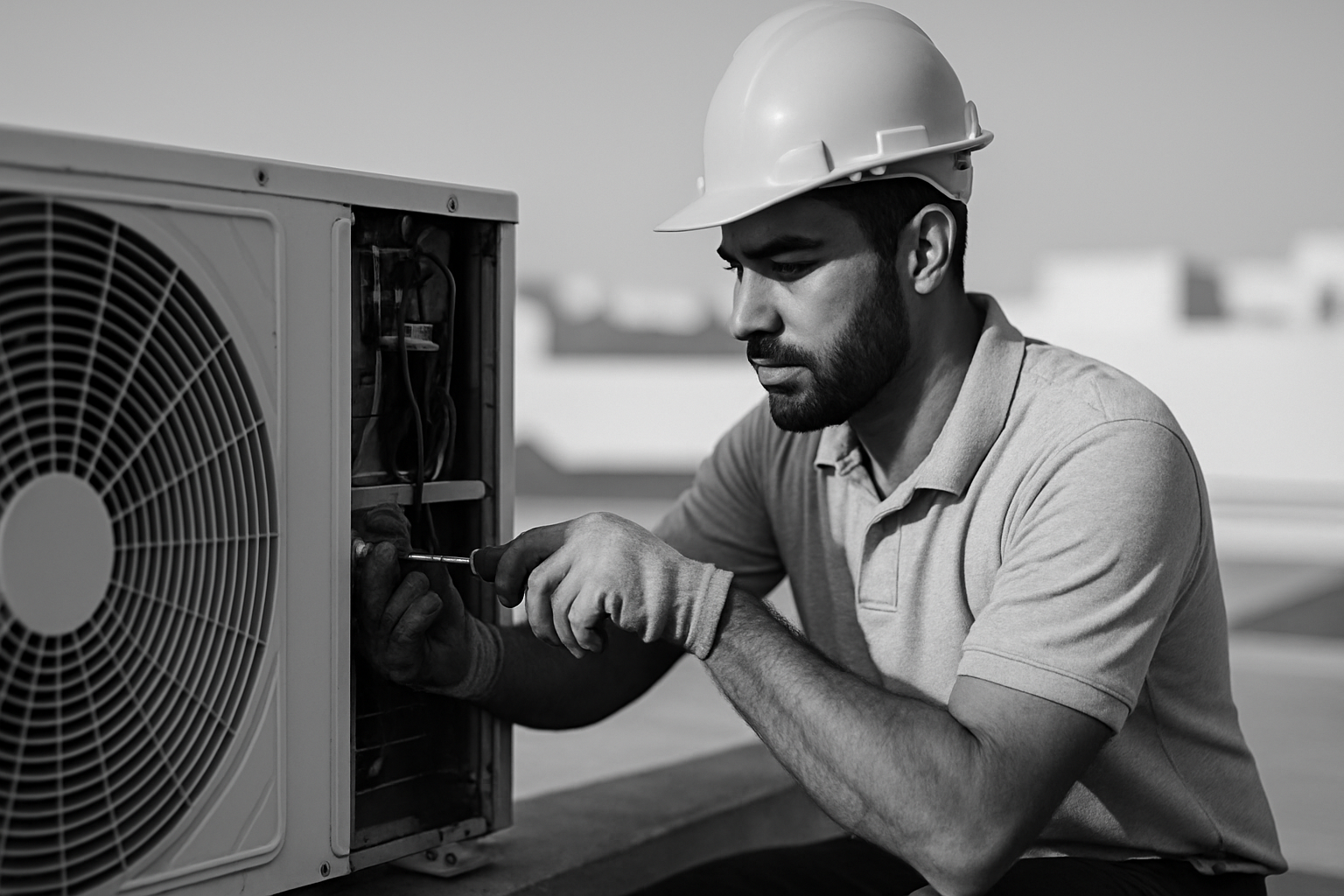
- Coil Inspection: Inspect the coils regularly to check for any visible damage or buildup. Use a coil cleaning solution that is safe for human use but effective in removing contaminants.
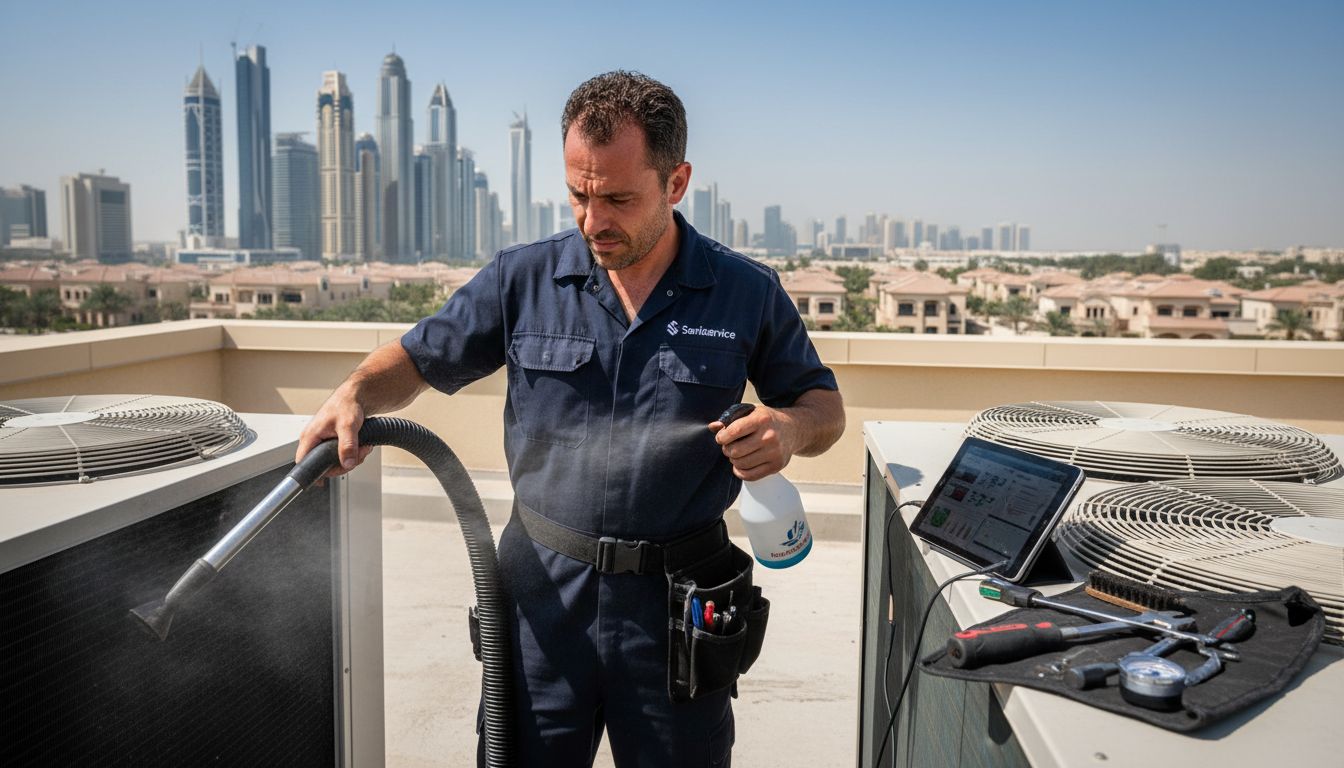
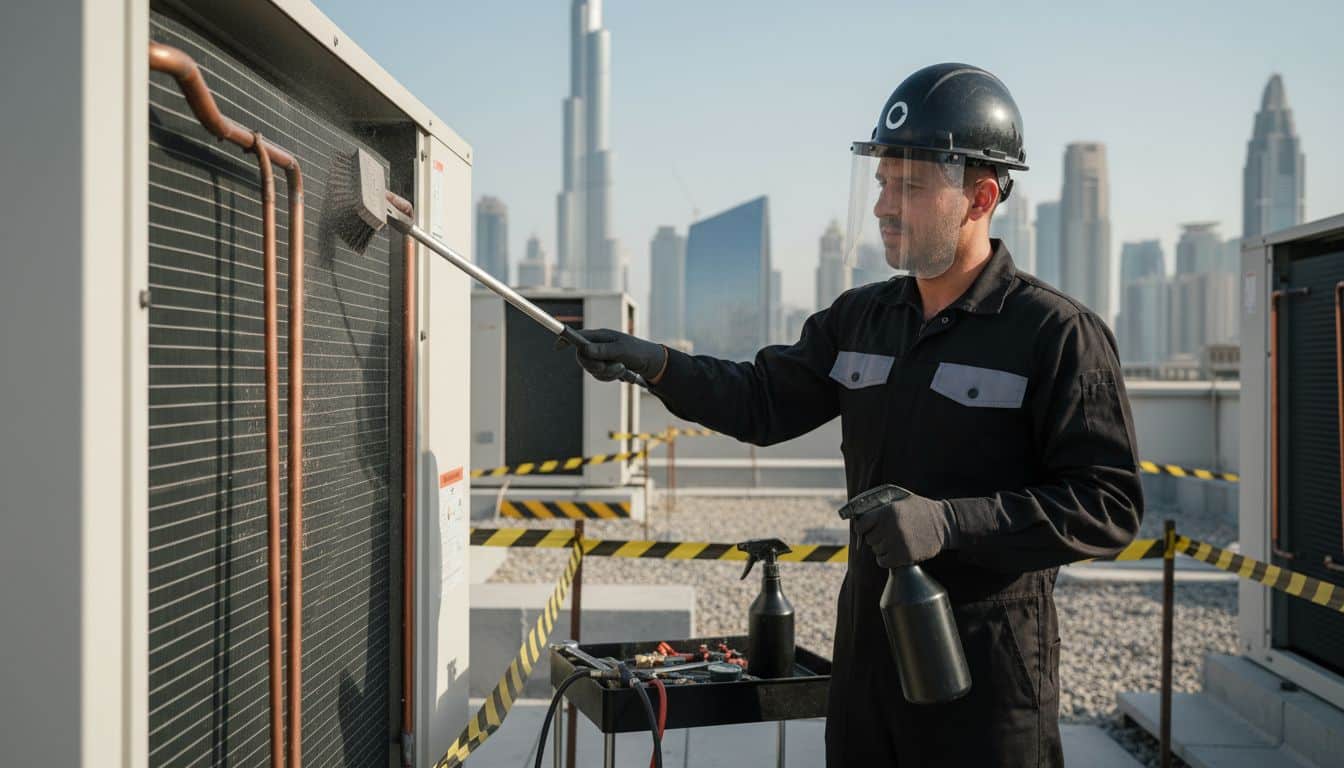
- Cleaning Process: Employ pressure washing techniques if necessary, ensuring proper ventilation during and after the process to prevent mold growth.
A clean coil can significantly improve energy efficiency by reducing the strain on your system. According to research from Harvard (https://harvardresearch.com/hvac), a 10°F increase in evaporator coil temperature can lead to up to 5% higher energy consumption. Understanding Measuring Air Efficiency Gains After HVAC Maintenance In helps with this aspect.
The Role of Professional Duct Cleaning in Air Efficiency Gains
Professional duct cleaning is crucial for maintaining air efficiency. Regular deep cleanings can eliminate years of accumulated dust, debris, and mold, ensuring that your HVAC system operates at its best.
- Duct Inspection: Conduct a thorough inspection to identify areas with high levels of contaminants. This includes the main trunk lines as well as branch ducts serving individual rooms or zones.
- Cleaning Techniques: Utilize advanced tools like vacuum trucks and negative pressure systems to remove stubborn debris from hard-to-reach areas.
A professional approach ensures that all aspects of the system are addressed, leading to significant air efficiency gains. Studies by Indoor Sciences (https://indoorsciences.ae/category/case-studies/) have shown that regular deep cleaning can reduce energy consumption by up to 12% in commercial buildings.
Solutions for Constant Airflow and Year-Round AC Usage
In Dubai, where year-round air conditioning is the norm, maintaining constant airflow is crucial. Here are some strategies:
- Regular Maintenance Schedules: Establish a maintenance plan that includes regular deep cleaning and inspection of your HVAC system.
- Filter Replacement: Replace filters every 30-60 days to ensure optimal airflow. Use high-efficiency filters (MERV 13 or higher) to trap more particulates.
By following these practices, you can maintain a consistent air flow and prevent the buildup of contaminants that could degrade your system’s performance over time.
Practical Tips for Maximizing Energy Efficiency Gains
To maximize the energy efficiency gains from HVAC maintenance, consider these practical tips:
-
- Regular Inspections: Schedule annual or bi-annual inspections to identify and address potential issues before they become major problems.
- Professional Cleaning Services: Use reputable professionals for duct cleaning and coil maintenance. They have the expertise and tools to perform thorough work without causing damage.
- Energy-Efficient Components: Upgrade to energy-efficient components such as variable speed motors, high-efficiency filters, and smart thermostats to further reduce energy consumption.
By implementing these strategies, you can ensure that your HVAC system operates at peak efficiency, leading to lower energy bills and a more comfortable living environment. Measuring Air Efficiency Gains After Hvac Maintenance In factors into this consideration.
FAQs
- Q: How often should I clean my HVAC system?
- A: It is recommended to have your HVAC system cleaned every 1-2 years, depending on the level of use and local conditions. Regular inspections can help identify when a deep cleaning is needed.
Q: Can DIY duct cleaning be effective?
A: While DIY methods can remove some debris, professional services are recommended for thorough cleaning that addresses hidden contaminants effectively.
Q: What signs should I look out for indicating the need for HVAC maintenance?
A: Look for symptoms like reduced air flow, increased energy bills, unusual noises from the system, and musty odors. These could indicate that your system needs attention.
This relates directly to Measuring Air Efficiency Gains After HVAC Maintenance In.
Conclusion
Measuring air efficiency gains after HVAC maintenance is a critical step in ensuring optimal performance of your heating, ventilation, and air conditioning (HVAC) systems. By following the steps outlined above, you can significantly improve energy efficiency, reduce energy bills, and enhance indoor comfort in Dubai and other parts of the UAE.
Remember that regular maintenance, professional cleaning, and energy-efficient practices are key to maintaining a healthy and efficient HVAC system. Contact a reputable AC specialist for detailed inspections and services tailored to your specific needs. Understanding Measuring Air Efficiency Gains After Hvac Maintenance In is key to success in this area.