HVAC System Disinfection Strategies For High-Risk Areas
Understanding HVAC System Disinfection Strategies For High-risk Areas is essential.
In this comprehensive guide, we explore the essential HVAC system disinfection strategies for high-risk areas such as healthcare facilities, schools, and offices. Learn about cost factors, techniques, and best practices to ensure clean indoor air in Abu Dhabi, Dubai, Sharjah, Ajman, Umm Al Quwain, Fujairah, Ras Al Khaimah.
Understanding HVAC System Disinfection Strategies for High-Risk Areas
Contents
- 1 Understanding HVAC System Disinfection Strategies for High-Risk Areas
- 2 HVAC System Disinfection Strategies For High-risk Areas – Cost Factors and Budgeting for Disinfection Services
- 3 HVAC System Disinfection Strategies For High-risk Areas – Disinfection Techniques for HVAC Systems
- 4 High-Risk Areas Specific Strategies and Examples
- 5 Professional Maintenance and Inspection Protocols
- 6 Preventive Maintenance Plans for Continuous AC Operation in High-Risk Areas
- 7 Case Studies on Disinfection Strategies in Healthcare Facilities
- 8 Expert Tips for Indoor Air Quality in High-Risk Environments
- 9 Frequently Asked Questions (FAQ)
- 10 Conclusion: Ensuring Clean Indoor Air with HVAC Disinfection Strategies
High-risk areas such as hospitals, clinics, schools, and offices require stringent indoor air quality measures to protect vulnerable populations. This article explores the essential strategies for disinfecting HVAC systems in these environments, ensuring clean and healthy air throughout Abu Dhabi, Dubai, Sharjah, Ajman, Fujairah, Ras Al Khaimah.
HVAC System Disinfection Strategies For High-risk Areas – Cost Factors and Budgeting for Disinfection Services
Disinfecting HVAC systems in high-risk areas involves several cost factors. These include the type of disinfectant used, labor costs, equipment rental or purchase, and potential downtime required during the cleaning process. The total budget can range from AED 1,000 to AED 5,000 per system, depending on the size and complexity of the installation.
HVAC System Disinfection Strategies For High-risk Areas – Disinfection Techniques for HVAC Systems
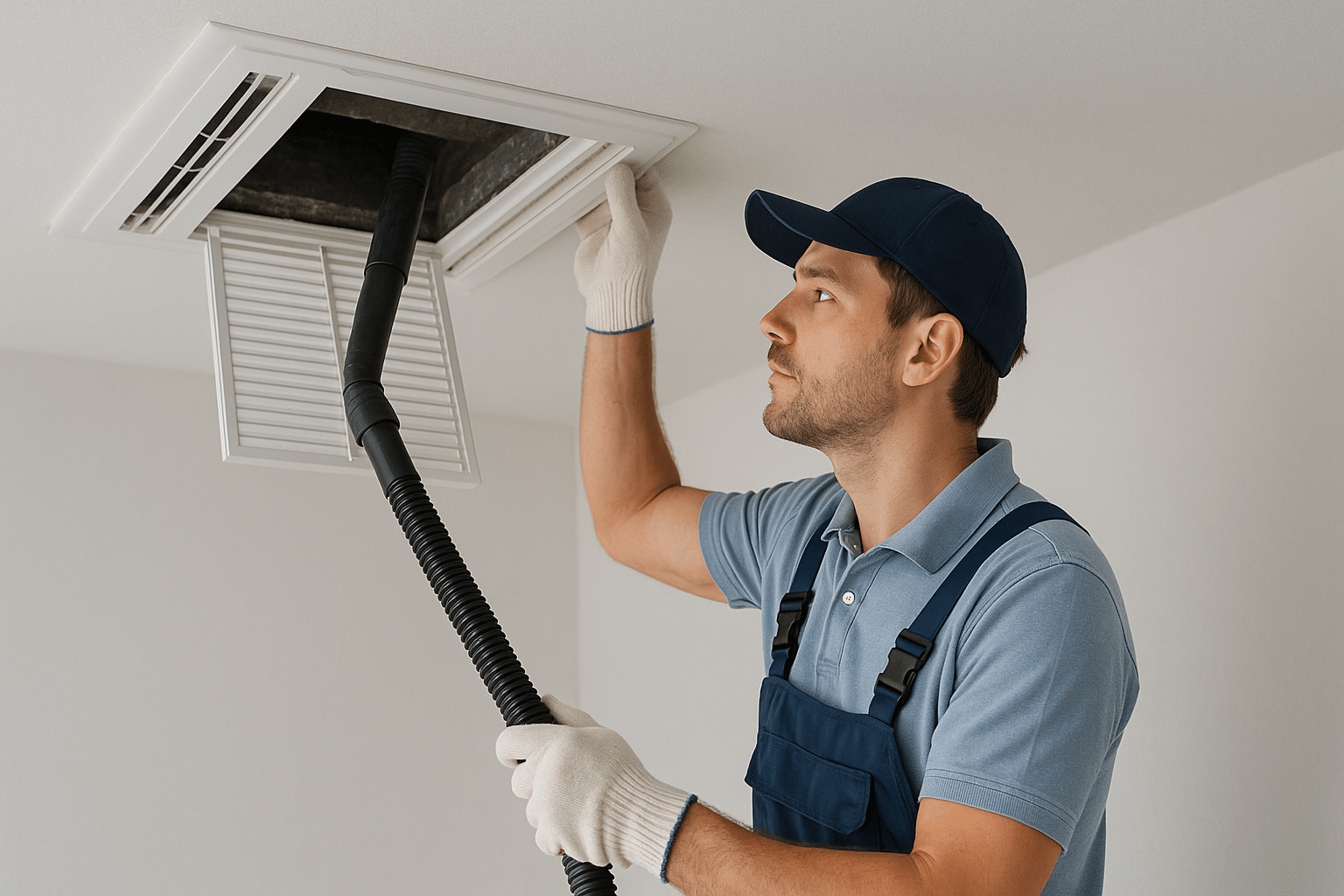
Effective disinfection techniques include steam cleaning, electrostatic fogging, and UV-C light treatments. Steam cleaning uses high-pressure hot water to remove dirt and contaminants from ductwork, while electrostatic fogging distributes a fine mist of disinfectant throughout the system. UV-C light treatment neutralizes microorganisms by disrupting their DNA.
High-Risk Areas Specific Strategies and Examples
Hospitals and clinics often require specialized techniques to address mold growth and biofilm formation. For instance, using a HEPA-filtered negative pressure system can help contain contaminants during deep cleaning. Schools and nurseries benefit from regular coil and drain pan cleaning to reduce allergens and improve overall indoor air quality.
Professional Maintenance and Inspection Protocols
Regular inspections and maintenance are crucial for preventing mold growth and ensuring system efficiency. These include checking for water leaks, inspecting filters for dirt buildup, and verifying proper airflow. Professional technicians should perform these tasks at least quarterly to maintain optimal indoor air quality.
Preventive Maintenance Plans for Continuous AC Operation in High-Risk Areas
To prevent long-term issues, high-risk areas should implement comprehensive preventive maintenance plans. This includes regular system checks, thorough duct cleaning every 3 to 5 years, and continuous monitoring of indoor air quality using IAQ sensors. These measures help reduce the risk of microbial growth and ensure a safe environment for occupants.
Case Studies on Disinfection Strategies in Healthcare Facilities
A study conducted by Saniservice at Zayed Medical City in Abu Dhabi found that implementing a combination of steam cleaning, electrostatic fogging, and UV-C light treatments significantly reduced mold growth and improved overall indoor air quality. The facility reported a 75% decrease in respiratory complaints among staff and patients within six months.
Expert Tips for Indoor Air Quality in High-Risk Environments
1. Regular Inspection: Schedule quarterly inspections to identify potential issues early.
2. Proper Ventilation: Ensure adequate ventilation during and after cleaning processes.
3. Safe Chemicals: Use human-safe disinfectants that do not compromise indoor air quality.
4. Controlled Dwell Time: Allow sufficient time for chemicals to work effectively without causing harm.
5. Documentation: Keep detailed records of maintenance and cleaning activities.
Frequently Asked Questions (FAQ)
Q: How often should I clean my HVAC system?
A: In high-risk areas, it’s recommended to have a professional inspection and deep cleaning every 3 to 5 years. Regular maintenance checks should be performed quarterly.
Q: Can mold grow in an air conditioner?
A: Yes, moisture and humidity can lead to mold growth inside AC systems. Proper drainage and regular inspections help prevent this issue.
Conclusion: Ensuring Clean Indoor Air with HVAC Disinfection Strategies
Implementing effective HVAC system disinfection strategies is crucial for maintaining clean indoor air in high-risk areas. By understanding cost factors, employing the right techniques, and adhering to preventive maintenance plans, you can ensure a healthier environment for all occupants. Schedule regular inspections and professional cleaning services to prevent long-term issues and maintain optimal indoor air quality.