Indoor Air Quality Testing Methods For Medical Environments
Understanding Indoor Air Quality Testing Methods For Medical Environments is essential.
Understanding Indoor Air Quality Testing Methods for Medical Environments
Contents
- 1 Introduction to Indoor Air Quality Testing Methods for Medical Environments
- 2 The Importance of Air Quality in Medical Settings
- 3 Common Indoor Air Quality Testing Methods for Medical Environments
- 4 Choosing the Right Tests for Your Environment
- 5 Best Practices for Maintaining Air Quality
- 6 Preventive Maintenance Plans for Continuous AC Operation in Healthcare Facilities
- 7 Mold Remediation Techniques in Healthcare Facilities
- 8 Expert Tips and Practical Advice
- 9 FAQ Section Header: Common Questions About Indoor Air Quality Testing Methods for Medical Environments
- 10 Conclusion: Summarizing Key Takeaways on Indoor Air Quality Testing Methods for Medical Environments
Indoor air quality (IAQ) is a critical factor in ensuring patient safety and comfort in medical environments. Poor IAQ can exacerbate health issues, reduce productivity, and increase the risk of infections. This guide aims to provide a comprehensive overview of the key testing methods used to maintain clean indoor air in hospitals, clinics, and other healthcare facilities.
Introduction to Indoor Air Quality Testing Methods for Medical Environments
Medical environments require stringent IAQ standards due to the presence of patients with compromised immune systems. Regular testing is essential to detect and mitigate potential issues before they impact patient care. This section will explore various testing methods, their benefits, and why they are crucial in healthcare settings.
The Importance of Air Quality in Medical Settings
Maintaining optimal air quality is vital for several reasons:
– Preventing Infections: Poor IAQ can lead to the spread of airborne pathogens, increasing the risk of infections among patients and staff.
– Patient Comfort: Clean indoor air enhances patient comfort, leading to better recovery outcomes.
– Staff Health: A healthy work environment reduces the risk of respiratory issues for healthcare workers.
Common Indoor Air Quality Testing Methods for Medical Environments
Several testing methods are commonly used in medical environments:
- Airborne Bacteria Testing
- Volatile Organic Compounds (VOCs) Testing
- Carbon Dioxide Levels Testing
- Particulate Matter Testing
Airborne Bacteria Testing
Airborne bacteria testing involves collecting samples from the air to identify and quantify bacterial presence. This method helps in assessing the overall microbial load and identifying potential sources of infection.
Volatile Organic Compounds (VOCs) Testing
VOCs are organic compounds that can off-gas from various materials, leading to unpleasant odors and potential health issues. Testing for VOCs ensures that these harmful chemicals are within safe limits.
Carbon Dioxide Levels Testing
High levels of CO2 indicate poor ventilation and can lead to drowsiness and decreased cognitive function. Regular testing helps maintain optimal CO2 levels, ensuring a comfortable environment for all occupants.
Particulate Matter Testing
Particulate matter (PM) includes dust, pollen, and other particles that can cause respiratory issues. Testing for PM ensures that the air is free from harmful particulates.
Choosing the Right Tests for Your Environment
Selecting appropriate testing methods depends on specific needs and environmental conditions:
– Consult with Experts: Collaborate with IAQ professionals to determine which tests are most relevant.
– Consider Regulatory Requirements: Ensure compliance with local health and safety regulations.
– Evaluate Cost-Benefit Ratio: Balance the cost of testing against potential risks and benefits.
Best Practices for Maintaining Air Quality
Implementing best practices is essential to maintain clean indoor air:
- Regular Ventilation and Filtration
- Air Handling Unit Maintenance
- Humidity Control Strategies
- Cleaning and Disinfection Procedures
Regular Ventilation and Filtration
Proper ventilation ensures fresh air circulation, while high-efficiency filters remove particulates and other contaminants. Regular maintenance of these systems is crucial.
Air Handling Unit Maintenance
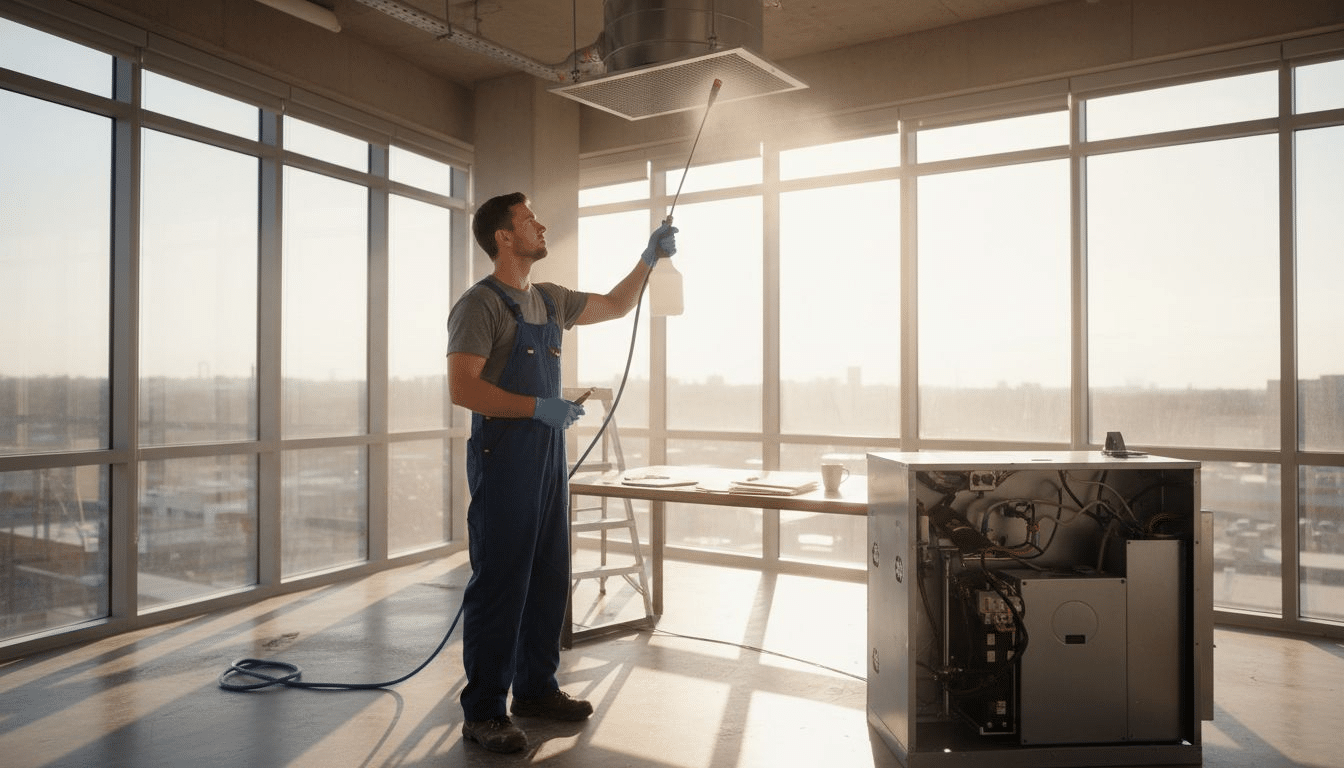
Maintenance includes cleaning coils, replacing filters, and inspecting for mold growth. Regular checks can prevent issues before they impact IAQ.
Humidity Control Strategies
High humidity promotes microbial growth, so maintaining optimal levels is essential. Dehumidifiers and air conditioning systems play a critical role in controlling moisture.
Read more: Mold Remediation Techniques In Healthcare Facilities
Cleaning and Disinfection Procedures
Regular cleaning of surfaces and HVAC components helps prevent the buildup of contaminants. Disinfectants should be selected based on their safety and efficacy.
Preventive Maintenance Plans for Continuous AC Operation in Healthcare Facilities
Developing a comprehensive maintenance plan is crucial for continuous operation of HVAC systems, ensuring consistent IAQ monitoring. Regular servicing includes:
– Inspecting Ductwork: Look for signs of damage or contamination.
– Cleaning Condensate Drains: Prevent clogging and ensure proper drainage.
– Disinfecting Coils: Remove biofilm and prevent mold growth.
Mold Remediation Techniques in Healthcare Facilities
Mold can grow quickly under the right conditions, leading to respiratory issues. Effective remediation involves:
– Identifying Moisture Sources: Address leaks or condensation.
– Removing Contaminated Materials: Dispose of moldy materials safely.
– Using Antimicrobial Agents: Apply appropriate treatments to prevent recurrence.
Expert Tips and Practical Advice
1. Prioritize Patient Safety: Always consider the impact on patient health when making IAQ decisions.
2. Regular Inspections: Schedule regular inspections by qualified professionals.
3. Use High-Quality Equipment: Invest in reliable testing equipment for accurate results.
4. Training Staff: Educate staff on IAQ best practices and emergency protocols.
FAQ Section Header: Common Questions About Indoor Air Quality Testing Methods for Medical Environments
- What are the most common IAQ issues in medical environments?
- How often should IAQ testing be conducted?
- Can IAQ testing identify all potential health hazards?
What are the most common IAQ issues in medical environments?
Common issues include mold growth, bacterial contamination, and VOC emissions. Regular testing helps in identifying these problems early.
How often should IAQ testing be conducted?
Testing frequency varies based on environmental conditions but should occur at least quarterly to ensure continuous compliance with IAQ standards.
Can IAQ testing identify all potential health hazards?
While comprehensive, IAQ testing cannot guarantee complete safety. It is part of a broader strategy that includes regular maintenance and staff training.
Conclusion: Summarizing Key Takeaways on Indoor Air Quality Testing Methods for Medical Environments
Maintaining optimal indoor air quality in medical environments requires a proactive approach involving regular testing, preventive maintenance, and adherence to best practices. By prioritizing IAQ, facilities can ensure safer, healthier environments for patients and staff.