Is Mold Growth In Your HVAC System Affecting Your Home’s Air Quality And Energy?
Introduction
Contents
- 1 Introduction
- 2 Understanding Mold Growth in Your HVAC System
- 3 Effects on Air Quality and Energy Efficiency
- 4 Causes of Mold Growth Inside AC Systems
- 5 Signs of Mold Issues in Your HVAC System
- 6 Prevention and Treatment Strategies for Mold Growth
- 7 Impact on Health and Comfort
- 8 Call to Action: Schedule a Professional Inspection
- 9 Frequently Asked Questions (FAQs)
- 10 Conclusion
Understanding Is Mold Growth In Your HVAC System Affecting Your Home’s Air Quality And Energy is essential. Living in Dubai or any other part of the United Arab Emirates means dealing with year-round AC usage due to the arid climate. While air conditioning brings relief from high temperatures, it can also become a breeding ground for mold if not properly maintained. This guide delves into the critical issue of mold growth inside HVAC systems and its impact on home air quality and energy consumption.
Understanding Mold Growth in Your HVAC System
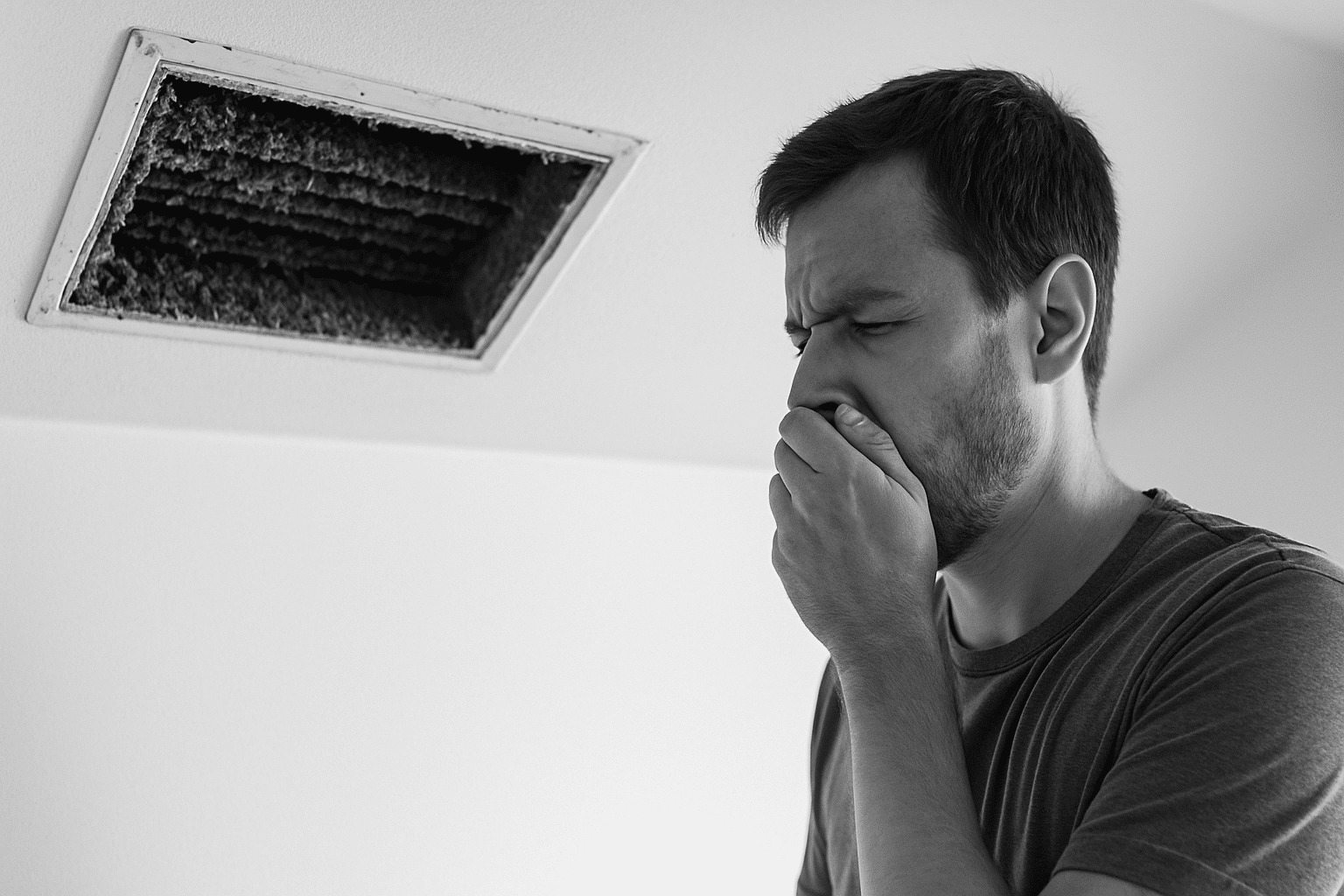
Mold growth within HVAC systems is a significant concern, especially given the humid conditions and continuous operation of air conditioning units. In Dubai’s climate, mold thrives on moisture and organic materials, which can accumulate inside AC ducts, coils, and other components.
Mold in HVAC Systems
Molds are fungi that grow in damp environments. They reproduce through tiny spores that float in the air, making them a common allergen. When mold grows inside an HVAC system, it can release these spores into your home’s air circulation, leading to potential health issues for occupants. This relates directly to Is Mold Growth In Your HVAC System Affecting Your Home’s Air Quality And Energy.
Effects on Air Quality and Energy Efficiency
Mold growth within HVAC systems not only affects indoor air quality but also impacts energy efficiency. The presence of mold can lead to several complications:
- Reduced Air Quality: Mold spores circulate through the air, affecting respiratory health and causing allergies.
- Increased Energy Consumption: A clogged system with mold growth restricts airflow, forcing your AC to work harder, leading to higher energy bills.
Causes of Mold Growth Inside AC Systems
Mold thrives in warm and humid conditions, making HVAC systems prime candidates for mold growth. Here are some common causes: When considering Is Mold Growth In Your HVAC System Affecting Your Home’s Air Quality And Energy, this becomes clear.
- High Humidity Levels: Dubai’s high humidity can lead to condensation inside the system, providing an ideal environment for mold.
- Dust and Debris Accumulation: Over time, dust and debris collect in AC ducts, serving as a substrate for mold growth.
- Inadequate Maintenance: Neglecting regular cleaning and disinfection allows mold to thrive undetected.
Signs of Mold Issues in Your HVAC System
Identifying mold issues early is crucial for maintaining indoor air quality. Watch out for these signs:
- Musty Odors: A persistent, damp smell can indicate the presence of mold.
- Visible Mold Spots: Inspect AC components and ductwork for any visible mold growth.
- Increased Allergies or Respiratory Issues: Family members experiencing frequent allergies or asthma attacks may be affected by mold spores.
Prevention and Treatment Strategies for Mold Growth
To prevent and address mold growth in your HVAC system, follow these strategies:
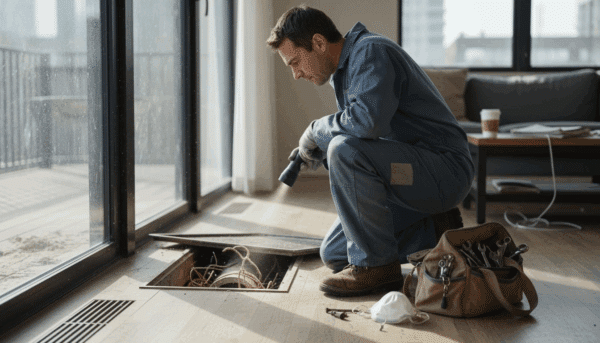
- Regular Maintenance: Schedule professional AC cleaning at least twice a year to remove dust, debris, and potential mold sources.
- Dry Out the System: Use dehumidifiers or air conditioners with built-in moisture removal features to reduce humidity levels.
- Mold-Resistant Materials: Upgrade your HVAC system with mold-resistant materials if possible, such as copper coils and stainless steel components.
Impact on Health and Comfort
The health and comfort of your family are paramount. Mold exposure can lead to several issues:
- Allergies and Asthma: Mold spores trigger allergic reactions, exacerbating symptoms in individuals with allergies or asthma.
- Lung Infections: Prolonged exposure to mold can lead to respiratory infections and other lung conditions.
- General Discomfort: Unpleasant odors and poor air quality reduce overall comfort levels in your home.
Call to Action: Schedule a Professional Inspection
If you suspect mold growth or notice any signs of contamination, it’s essential to act quickly. Contact a professional AC cleaning service to assess and clean your HVAC system. Regular maintenance can prevent long-term issues and ensure your home remains a healthy environment. The importance of Is Mold Growth In Your HVAC System Affecting Your Home’s Air Quality And Energy is evident here.
Frequently Asked Questions (FAQs)
- Q: How often should I clean my AC to prevent mold growth?
- A: It’s recommended to have your AC cleaned at least twice a year, especially in areas with high humidity like Dubai.
- Q: Can DIY cleaning effectively eliminate mold from HVAC systems?
- A: While DIY cleaning can help, professional services are better equipped with the tools and expertise to thoroughly clean and disinfect your system.
- Q: Is there a specific time of year when I should clean my AC more frequently?
- A: During peak usage seasons typically summer in Dubai—it’s wise to schedule an extra cleaning session to prevent mold growth.
Conclusion
Mold growth within HVAC systems can significantly impact indoor air quality and energy efficiency. By understanding the causes, signs, and preventive measures, you can maintain a healthy living environment in your home. Regular professional inspections and maintenance are crucial steps to ensure that mold does not compromise the health of your family and the comfort of your home. Understanding Is Mold Growth In Your HVAC System Affecting Your Home’s Air Quality And Energy is key to success in this area.