Fresh Air Duct Impact Indoor Humidity And Mold Growth
Introduction to Indoor Humidity and Mold Growth in the UAE
Contents
- 1 Introduction to Indoor Humidity and Mold Growth in the UAE
- 2 How Fresh Air Ducts Work: The Basics
- 3 Impact of Fresh Air Ducts on Indoor Humidity Levels
- 4 Mold Growth and Humidity Connections: Understanding the Link
- 5 Managing Moisture Through Fresh Air Ducts: Best Practices
- 6 Preventing Mold Growth with Fresh Air Ducts: Tips and Strategies
- 7 Examples of Effective Fresh Air Systems in the UAE
- 8 Expert Tips for Indoor Humidity and Mold Prevention
- 9 Frequently Asked Questions About Fresh Air Ducts and Mold Growth
- 10 Conclusion: How to Safeguard Your Home from Mold with Fresh Air Ducts
Understanding how fresh air ducts impact indoor humidity and mold growth is crucial for maintaining a healthy living environment, particularly in the challenging climate of Dubai. This comprehensive guide will delve into the relationship between fresh air duct systems, humidity levels, and mold proliferation in residential properties. This relates directly to A Fresh Air Duct Impact Indoor Humidity And Mold Growth In.
Climate Conditions in Dubai
Dubai experiences high temperatures and variable humidity throughout the year, with occasional periods of heavy rainfall. These conditions create an environment conducive to both indoor moisture buildup and mold growth. Fresh air ducts play a significant role in managing these factors.
How Fresh Air Ducts Work: The Basics
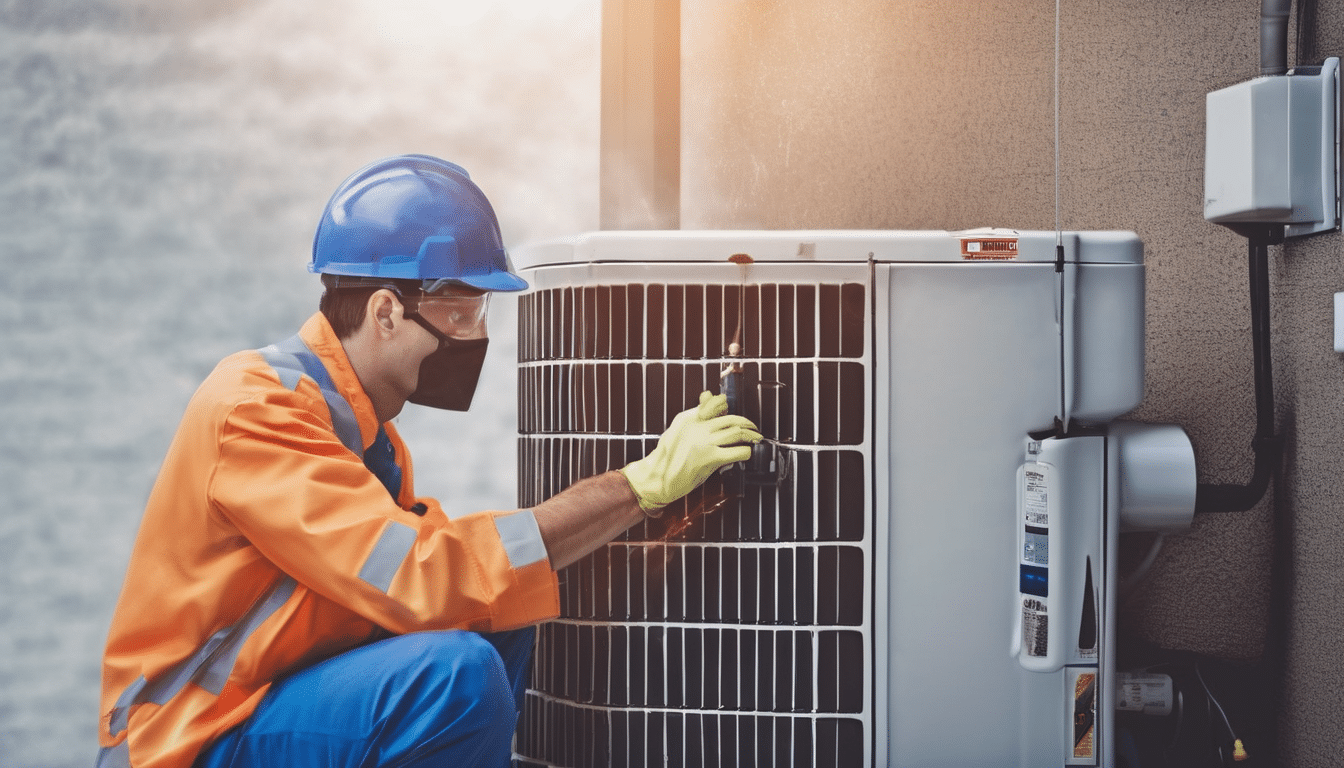
Fresh air ducts are designed to bring outside air into the building, which can help reduce indoor humidity levels and provide a constant supply of fresh air. However, improper installation or maintenance can lead to moisture-related issues.
Fresh Air Duct System Components
A typical fresh air duct system includes components such as intake vents, filters, and ductwork. Proper management of these elements is essential for effective indoor air quality control.
Impact of Fresh Air Ducts on Indoor Humidity Levels
Fresh air duct systems can significantly impact indoor humidity levels, especially in areas with high external moisture content. Here’s how they affect the environment: When considering A Fresh Air Duct Impact Indoor Humidity And Mold Growth In, this becomes clear.
- Reduction of Indoor Humidity: By bringing in drier outside air, fresh air ducts help to lower overall indoor humidity.
- Moderation of Extreme Conditions: In regions with sudden temperature and humidity changes, these systems can stabilize indoor conditions more effectively than relying solely on recirculated air.
Mold Growth and Humidity Connections: Understanding the Link
Mold thrives in moist environments. By understanding how humidity affects mold growth, we can better manage indoor air quality through effective fresh air duct usage.
How Mold Grows in Indoor Environments
Mold requires three main elements to grow: moisture, nutrients (such as cellulose), and a suitable temperature. Fresh air ducts can influence the first two factors by controlling humidity levels.
Managing Moisture Through Fresh Air Ducts: Best Practices
Effective moisture management is key to preventing mold growth, and fresh air duct systems can be a powerful tool in this process. Here are some best practices:
- Regular Maintenance: Ensuring that the intake vents and filters are clean and free of obstructions.
- Proper Installation: Installing fresh air ducts with appropriate sealing to prevent leaks and ensure optimal performance.
- Controlled Ventilation: Balancing indoor and outdoor air flow to maintain a healthy humidity level.
Preventing Mold Growth with Fresh Air Ducts: Tips and Strategies
To maximize the benefits of fresh air duct systems while minimizing potential drawbacks, consider these practical tips:
- Regular Cleaning: Clean intake vents and filters regularly to prevent dust accumulation.
- Dehumidification Systems: Use dehumidifiers in conjunction with fresh air ducts for optimal moisture control.
- Mold-Resistant Materials: Select materials that are resistant to mold growth, such as certain types of HVAC components and insulation.
Examples of Effective Fresh Air Systems in the UAE
The following systems have proven effective in managing indoor humidity and preventing mold growth:
- Heat Recovery Ventilation (HRV): HRVs can help maintain optimal humidity levels while providing a constant supply of fresh air.
- Dual-duct Systems: These systems offer separate intake for both heating and cooling, allowing for precise control over indoor conditions.
Expert Tips for Indoor Humidity and Mold Prevention
Our HVAC specialist shares key insights on maintaining a healthy living environment:
- Monitor Outdoor Conditions: Pay attention to weather reports, particularly during rainy seasons.
- Proper Duct Placement: Ensure that intake vents are located away from moisture sources like bathrooms and kitchens.
Frequently Asked Questions About Fresh Air Ducts and Mold Growth
We address common questions to help you make informed decisions about your HVAC system:
- Q: How often should I clean my fresh air duct filters?
- A: Filters should be inspected monthly and cleaned or replaced every 3-6 months, depending on usage.
For more information, visit this resource.
Conclusion: How to Safeguard Your Home from Mold with Fresh Air Ducts
In conclusion, fresh air duct systems can play a vital role in managing indoor humidity and preventing mold growth. By understanding their impact and implementing best practices, homeowners can create healthier living environments. The importance of A Fresh Air Duct Impact Indoor Humidity And Mold Growth In is evident here.
Call to Action:
Ready to improve the air quality in your home? Schedule a professional inspection with our HVAC experts today! Understanding A Fresh Air Duct Impact Indoor Humidity And Mold Growth In is key to success in this area.