Your Home’s Ac Unit: How Humidity Affects Mold Growth
Understanding How Humidity Affects Mold In Your Home’s Ac Unit is essential. —
Discover the impact of humidity on mold within your air conditioning system and learn strategies to maintain clean, healthy indoor air.
—
Introduction
Contents
- 1 Introduction
- 2 How Humidity Affects Mold In Your Home’s Ac Unit – How Humidity Affects Mold Growth in AC Units
- 3 How Humidity Affects Mold In Your Home’s Ac Unit: Signs of Mold in AC Systems
- 4 How Humidity Affects Mold In Your Home’s Ac Unit – Preventing Mold Growth: Practical Steps
- 5 Advanced Techniques for Removing Mold from AC Ducts
- 6 Maintaining Optimal Indoor Air Quality
- 7 Expert Tips: How to Maintain a Humidity-Free AC Unit
- 8 FAQs About Mold in Your Home’s AC Unit
- 9 Conclusion
In Dubai’s climate, air conditioning units play a crucial role in maintaining comfortable indoor temperatures. However, the high humidity and year-round AC usage can lead to significant mold growth within these systems, affecting both indoor air quality and energy efficiency. This article delves into how humidity affects mold in your home’s AC unit and provides practical guidance on preventing and addressing this issue.
How Humidity Affects Mold In Your Home’s Ac Unit – How Humidity Affects Mold Growth in AC Units
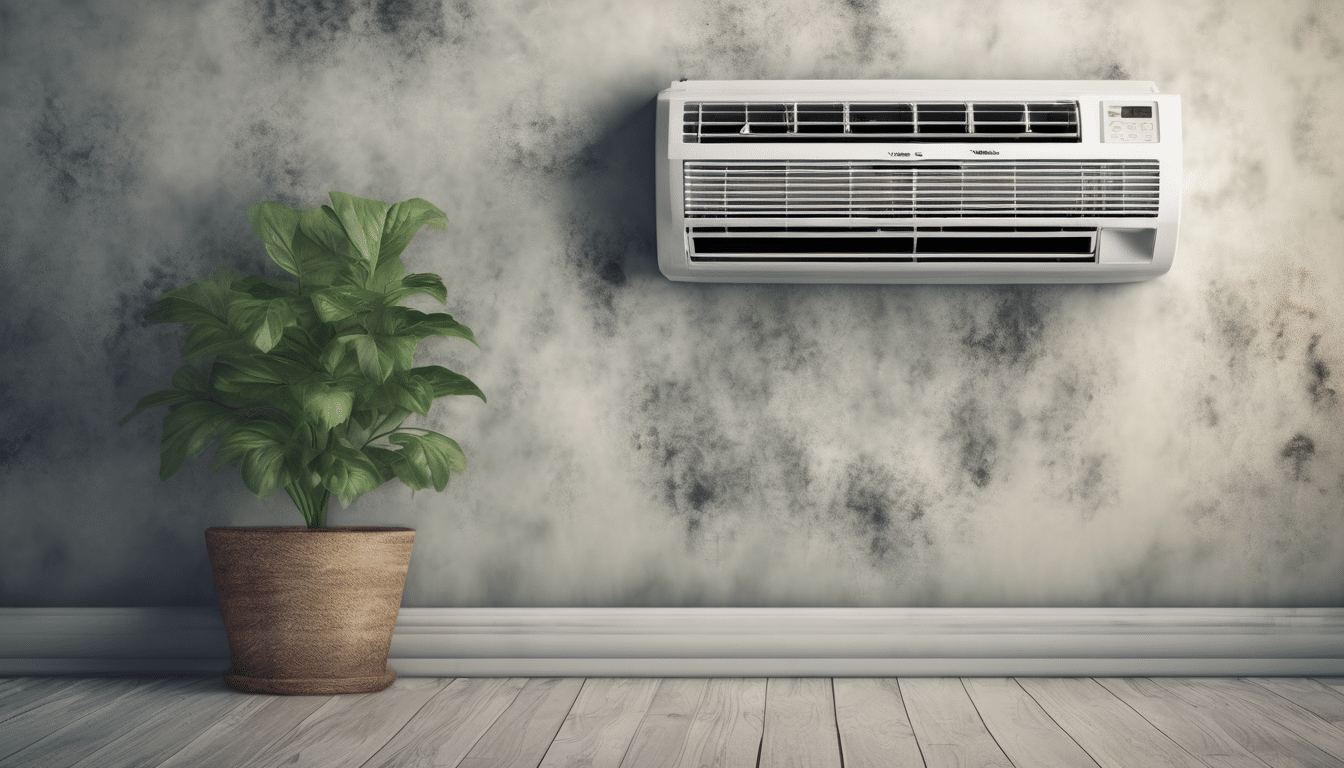
Humidity levels above 60% create an ideal environment for mold spores to germinate and grow. In Dubai’s desert climate, where humidity can be particularly high, AC units can become breeding grounds for fungi. The evaporator coils inside the system trap moisture, leading to condensation that creates a perfect habitat for mold. This relates directly to How Humidity Affects Mold In Your Home’s Ac Unit.
Mold spores from outside the home can also enter through air intakes and settle on damp surfaces within the AC unit. Over time, these spores will germinate if conditions are right, leading to visible mold colonies. The presence of mold not only affects indoor air quality but also reduces system efficiency and may lead to unpleasant odors.
How Humidity Affects Mold In Your Home’s Ac Unit: Signs of Mold in AC Systems
Identifying mold within your home’s air conditioning unit is crucial for maintaining good indoor air quality. Some common signs include:
- Musty odors: A musty smell can indicate the presence of mold.
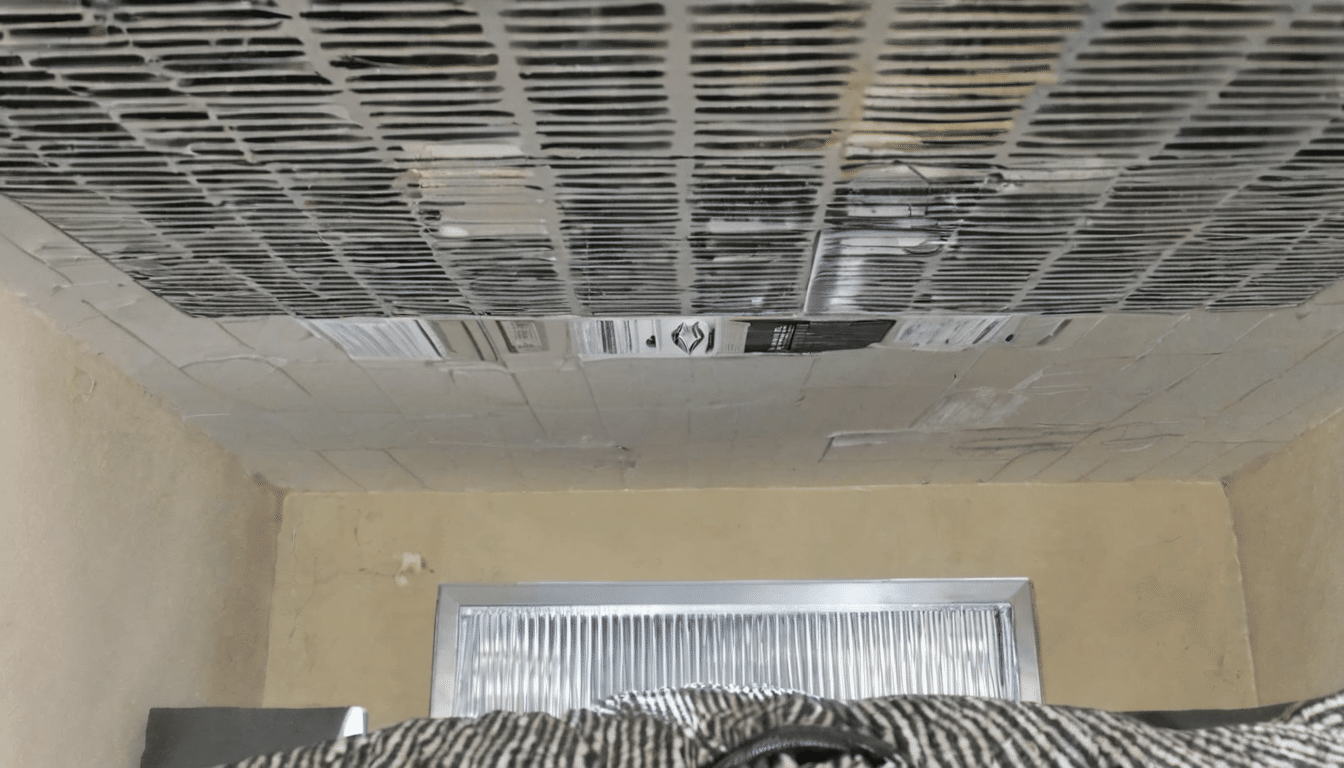
- Growth on evaporator coils and filters: Visually inspecting these components may reveal dark spots or patches that are indicative of mold.
- Visible mold colonies: These typically appear as black, green, or white growths in AC units.
- Poor air quality: If you notice respiratory issues or allergy symptoms worsening when the AC is on, it may be due to mold spores circulating through your home.
How Humidity Affects Mold In Your Home’s Ac Unit – Preventing Mold Growth: Practical Steps
To prevent mold growth in your AC unit, follow these steps:
- Regular maintenance: Schedule professional cleaning and disinfection at least once a year to remove accumulated dust and debris.
- Proper ventilation: Ensure the home has adequate ventilation to reduce overall humidity levels. This can be achieved through proper exhaust fan installation or using dehumidifiers in high-moisture areas like bathrooms and kitchens.
- Filter replacement: Replace AC filters every 30-60 days, depending on usage, to prevent dust buildup that can contribute to mold growth.
- Cleaning outdoor units: Clean the exterior of your AC unit regularly to remove dirt and debris that can enter through air intakes. This includes clearing any vegetation or objects that may obstruct airflow.
- Using dehumidifiers: In particularly humid environments, consider using dehumidifiers in conjunction with your AC system to maintain optimal humidity levels.
Advanced Techniques for Removing Mold from AC Ducts
When mold has already taken hold, more advanced techniques may be necessary:
- HEPA filtration: Utilize a high-efficiency particulate air (HEPA) filter to capture fine particles and spores during cleaning.
- Negative pressure systems: Use negative pressure systems to prevent the spread of mold spores during thorough duct cleaning. This method creates a controlled environment that minimizes disturbance and exposure.
- Bleach solutions: For stubborn mold, apply a solution of 1 cup bleach per gallon of water (diluted further for use) directly on visible mold growth. Allow the solution to sit for 5-10 minutes before scrubbing and rinsing thoroughly. Ensure proper ventilation when using such chemicals.
- Professional disinfection: Engage a professional service for deep cleaning, ensuring all surfaces are treated with appropriate disinfectants to eliminate existing mold colonies.
Maintaining Optimal Indoor Air Quality
Maintaining indoor air quality is essential for the health and comfort of your family. In addition to regular AC maintenance, consider these strategies: When considering How Humidity Affects Mold In Your Home’s Ac Unit, this becomes clear.
- Humidity monitoring: Use a hygrometer to monitor humidity levels in your home. Aim for a range between 30-50% to prevent mold growth.
- Air purifiers: Install air purifiers with HEPA filters to remove airborne mold spores and other allergens from the indoor environment.
- Proper insulation: Ensure that your AC system is properly insulated to reduce condensation and maintain consistent temperatures throughout the home.
- Cleaning and sealing gaps: Seal any gaps or cracks in walls, floors, and windows to prevent moisture from entering the living spaces.
Expert Tips: How to Maintain a Humidity-Free AC Unit
Here are some expert tips to help you maintain a humidity-free AC unit:
- Monitor outdoor units: Keep the exterior of your AC unit clean and dry. Trim any vegetation that may obstruct airflow or harbor moisture.
- Regular inspections: Have a professional HVAC technician inspect your system annually for signs of mold growth, ensuring that all components are functioning correctly.
- Avoid water damage: Address any leaks promptly to prevent water from entering the AC unit and contributing to mold growth.
- Use desiccants: Place silica gel or other moisture-absorbing desiccants in areas prone to high humidity, such as crawl spaces or basements, to reduce overall moisture levels.
- Dehumidify during rainy seasons: In humid regions of the UAE, use dehumidifiers to control indoor humidity and prevent mold from forming in your AC system.
FAQs About Mold in Your Home’s AC Unit
Q: How often should I clean my AC unit?
A: It is recommended to have a professional clean your AC unit at least once a year. Additionally, replace filters every 30-60 days and perform regular inspections.
Q: Can mold in the AC affect health?
A: Yes, mold can release spores that may cause respiratory issues, allergic reactions, or other health problems. Regular maintenance is essential to prevent this from happening. The importance of How Humidity Affects Mold In Your Home’s Ac Unit is evident here.
Q: How do I know if my AC needs professional cleaning?
A: If you notice a musty smell, visible mold growth, or see a decline in air quality despite regular filter replacements, it may be time for a professional inspection and cleaning.
Conclusion
Understanding how humidity affects mold in your home’s AC unit is crucial for maintaining optimal indoor air quality. By following the practical steps outlined in this article, you can prevent mold growth and ensure that your AC system operates efficiently without compromising on health. Regular maintenance, proper ventilation, and professional cleanings are key to keeping your AC unit free from mold and ensuring a comfortable living environment.