


Indoor Air Quality In: Mold-free Air: Best Practices For
Understanding Mold-free Air: Best Practices For Indoor Air Quality In is essential. —
Mold-Free Air: Best Practices for Indoor Air Quality in Dubai
Understanding best practices to ensure mold-free air in your home or workplace is crucial. This guide covers what to look for, features that matter, and common mistakes to avoid.
Ensuring the air inside your property remains free of mold and contaminants is essential for maintaining good indoor air quality (IAQ). This comprehensive guide provides best practices for achieving mold-free air in Dubai’s climate. Learn about key features, common mistakes to avoid, and expert tips from a senior AC cleaning specialist.
—
Understanding Mold-Free Air: Best Practices for Indoor Air Quality in Dubai
Contents
- 1 Understanding Mold-Free Air: Best Practices for Indoor Air Quality in Dubai
- 2 Mold-free Air: Best Practices For Indoor Air Quality In – What to Look For in AC Systems
- 3 Mold-free Air: Best Practices For Indoor Air Quality In – Features of Mold-Free Air HVAC
- 4 Common Mistakes to Avoid
- 5 Best Practice Guidelines for AC Cleaning & Disinfection
- 6 Mold Prevention and Control Strategies
- 7 Humidity Considerations in Mold Prevention
- 8 Expert Tips for Better Indoor Air Quality
- 9 FAQ
- 10 Conclusion
In Dubai’s climate, ensuring mold-free air is crucial. Year-round AC usage and high humidity levels can create ideal conditions for mold growth inside HVAC systems. This guide outlines the best practices to maintain clean, healthy indoor air.
Key topics include:
- Mold growth in AC systems
- Mold prevention strategies
- AC cleaning and disinfection techniques
- Humidity control methods
- Professional maintenance recommendations
Mold-free Air: Best Practices For Indoor Air Quality In – What to Look For in AC Systems
When selecting or maintaining your AC system, consider the following features that contribute to mold-free air:
- Efficient Filtration: High-quality filters can trap allergens and contaminants before they enter the ductwork.
- Water Management: Proper drainage systems prevent water accumulation in coils, which is a breeding ground for mold.
- Corrosion Resistance: Materials that resist corrosion help maintain system integrity and hygiene.
Making these selections can significantly reduce the risk of mold growth within your AC system.
Mold-free Air: Best Practices For Indoor Air Quality In – Features of Mold-Free Air HVAC
Mold-free air HVAC systems are designed to minimize the presence of contaminants. Key features include:
- Advanced Filtration: HEPA filters and activated carbon filters can remove microscopic particles and odors.
- Mold-Inhibiting Coatings: Special coatings on components like coils reduce mold growth potential.
- Regular Maintenance Reminders: Systems with built-in maintenance alerts help ensure regular cleaning and disinfection.
Incorporating these features ensures long-term hygiene and air quality, especially in high-humidity environments.
Common Mistakes to Avoid
Familiarize yourself with common mistakes that can compromise indoor air quality:
- Skipping Regular Maintenance: Annual or bi-annual cleanings are essential for preventing mold growth.
- Forgotten Filter Replacement: Dirty filters reduce airflow and can spread contaminants throughout the home.
- Ignoring Moisture Issues: Leaks or poor drainage can create damp conditions, ideal for mold proliferation.
Avoiding these pitfalls is crucial for maintaining a healthy living environment.
Best Practice Guidelines for AC Cleaning & Disinfection
Effective AC cleaning and disinfection practices are vital. Follow these steps:
- Pre-Clean Inspection: Check the system for visible mold, dust, or debris.
- Cleaning Schedule: Establish a regular maintenance plan, ideally once a year or twice a year in high-use periods.
- Disinfection Process: Use human-safe disinfectants with controlled dwell times to ensure efficacy without harming occupants.
These practices help maintain a clean and hygienic indoor environment, reducing the risk of mold growth.
Mold Prevention and Control Strategies
Implementing these strategies can prevent mold from taking hold:
- Humidity Control: Use dehumidifiers to maintain indoor humidity levels below 60%.
- Airflow Optimization: Ensure proper airflow throughout the home or building to reduce stagnant areas where moisture can accumulate.
- Mold Testing: Regular testing for mold spores helps identify early signs of growth and allow prompt action.
These proactive measures are essential in preventing mold from becoming a persistent issue.
Humidity Considerations in Mold Prevention
High humidity levels can accelerate mold growth. Key considerations include:
- Dry Climate: In Dubai, the dry climate limits natural moisture but indoor humidity must be managed.
- Ventilation: Proper ventilation helps prevent condensation and reduces dampness in enclosed spaces.
- Leak Detection: Regularly check for leaks to prevent water accumulation that can lead to mold growth.
Maintaining optimal humidity levels is crucial, especially during high-humidity seasons.
Expert Tips for Better Indoor Air Quality
Here are some practical tips from a seasoned AC cleaning specialist:
- Regular Inspections: Schedule annual inspections to identify potential issues early.
- Professional Cleaning Services: Engage professional services that use advanced techniques and equipment for thorough cleanings.
- Educate Occupants: Inform family members or building occupants about the importance of maintaining a clean environment.
Following these tips can enhance indoor air quality, reducing the risk of mold growth and improving overall health and comfort.
FAQ
- Q: How often should I clean my AC system?
- A: At least once a year or twice during peak usage periods. Professional cleaning is recommended for thoroughness.
- Q: What are the signs of mold growth in an HVAC system?
- A: Visible mold, musty odors, and poor air quality can indicate mold growth. Regular inspections help catch issues early.
- Q: Can I clean my AC system myself?
- A: Yes, but it’s important to use the right techniques and products. Professional services provide a deeper clean and peace of mind.
Conclusion
Ensuring mold-free air in your home or workplace is crucial for maintaining good indoor air quality. By understanding best practices, avoiding common mistakes, and implementing effective cleaning and disinfection strategies, you can create a healthier living environment. Regular maintenance and professional services are key to preventing mold growth and keeping your AC system performing optimally.
—
Mold-Free Air, Best Practices for Indoor Air Quality, HVAC Systems, AC Cleaning & Disinfection, Mold Prevention, Indoor Humidity Control
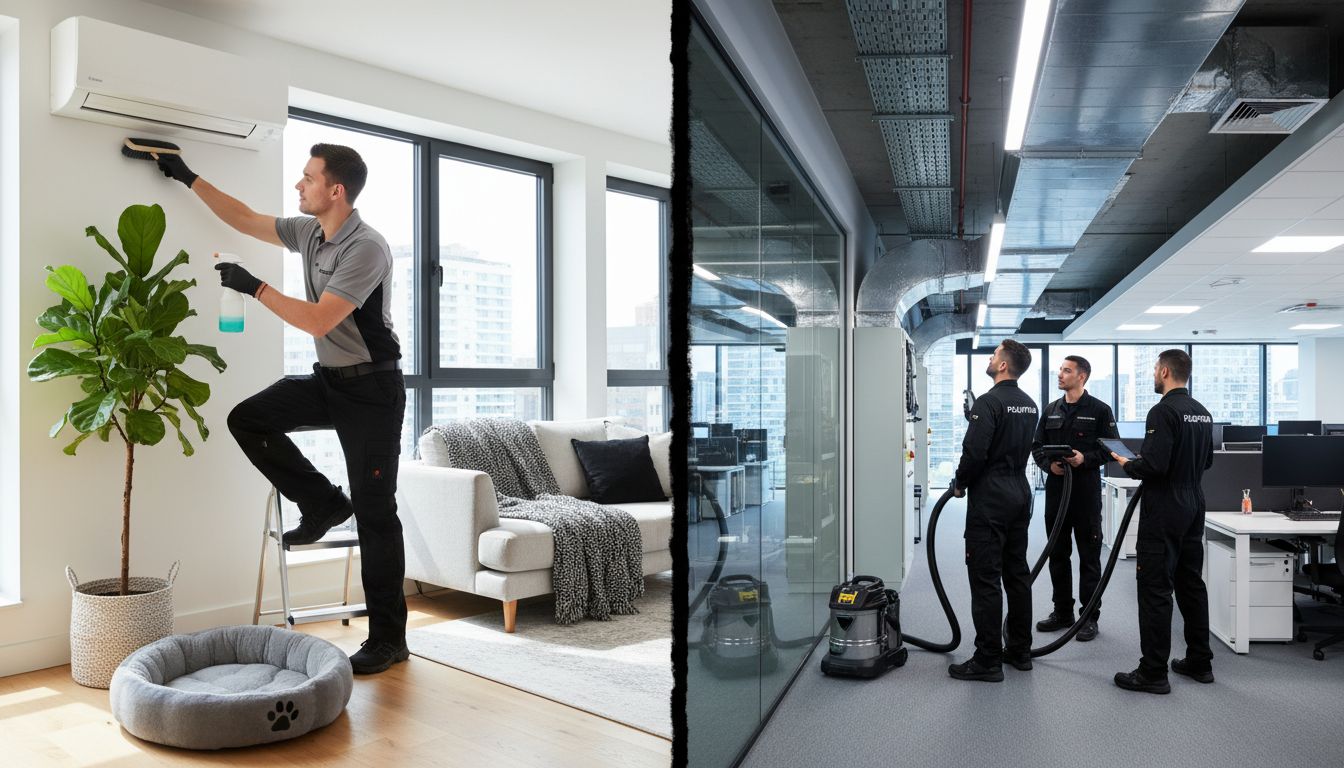
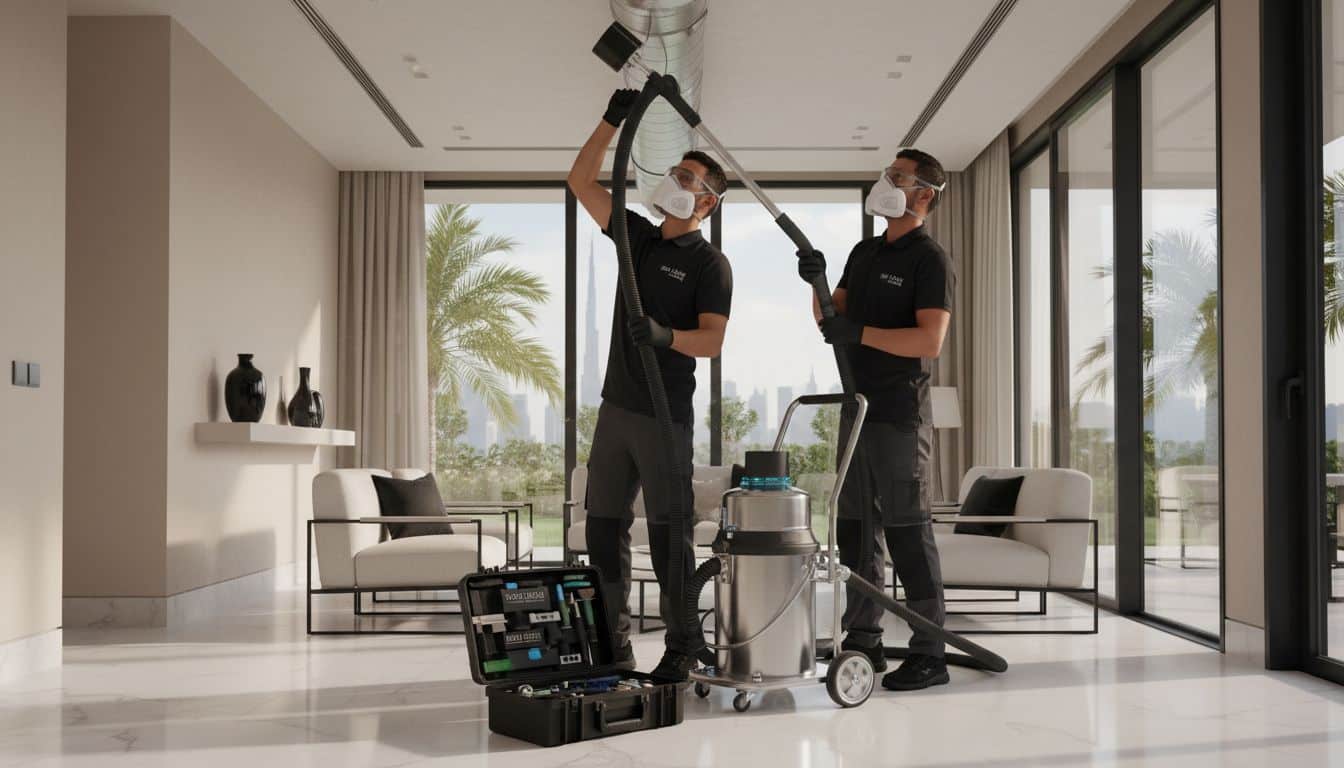
Mold-Free Air: Best Practices for Indoor Air Quality in – AC ducts being cleaned and disinfected to prevent mold growth.


Leave a Reply