

Mold In Your Hvac: Controlling Humidity Levels to Prevent
Understanding Controlling Humidity Levels To Prevent Mold In Your Hvac is essential. —
—
Understanding Controlling Humidity Levels to Prevent Mold in Your HVAC
Contents
- 1 Understanding Controlling Humidity Levels to Prevent Mold in Your HVAC
- 2 Controlling Humidity Levels To Prevent Mold In Your Hvac – The Role of Humidity in Mold Growth
- 3 Common Sources of Mold in HVAC Systems
- 4 Signs of Mold Growth in Your HVAC System
- 5 Advanced AC Duct Cleaning Techniques for Mold Prevention
- 6 Indoor Air Quality Assessment for Mold Prevention
- 7 Post-Renovation HVAC Maintenance for Mold Prevention
- 8 Best Practices for Indoor Air Quality in the UAE
- 9 Expert Tips for Mold Prevention in Your HVAC System
- 10 FAQ: Controlling Humidity Levels for Mold Prevention in Your HVAC System
- 11 Conclusion: Controlling Humidity Levels to Prevent Mold in Your HVAC System
In Dubai and the broader United Arab Emirates, maintaining optimal humidity levels within your home or commercial property is crucial for preventing mold growth. High humidity can lead to a plethora of issues, from musty odors to structural damage. This guide will delve into the importance of controlling humidity levels and provide practical steps you can take to ensure your HVAC system remains free of mold. This relates directly to Controlling Humidity Levels To Prevent Mold In Your Hvac.
—
Controlling Humidity Levels To Prevent Mold In Your Hvac – The Role of Humidity in Mold Growth
Humidity plays a significant role in creating conditions conducive for mold growth. In the UAE, the climate often features high humidity levels, especially during the summer months. When indoor humidity exceeds 60%, it creates an environment where mold spores can thrive and multiply. This is particularly concerning as mold not only affects air quality but also poses health risks to occupants.
—
Common Sources of Mold in HVAC Systems
Several factors contribute to the growth of mold within HVAC systems, including:
- Inadequate Ventilation: Poor ventilation can lead to the buildup of moisture and humidity.
- Leaky Ducts: Leaks in ductwork allow outdoor air with higher humidity levels into your home or office.
- Clogged Air Filters: Dirty filters restrict airflow, leading to increased humidity levels within the system.
—
Signs of Mold Growth in Your HVAC System
Identifying mold growth early is crucial for preventing further damage. Look out for these signs:
- Musty Odors: A persistent musty smell can indicate the presence of mold.
- Visible Spots: Dark spots or patches on walls, ceilings, or HVAC components often signal mold growth.
- Asthma and Allergy Symptoms: Increased allergy or asthma symptoms may be linked to mold exposure.
—
Advanced AC Duct Cleaning Techniques for Mold Prevention
To prevent mold, it’s essential to regularly clean your HVAC system. Here are some advanced techniques:
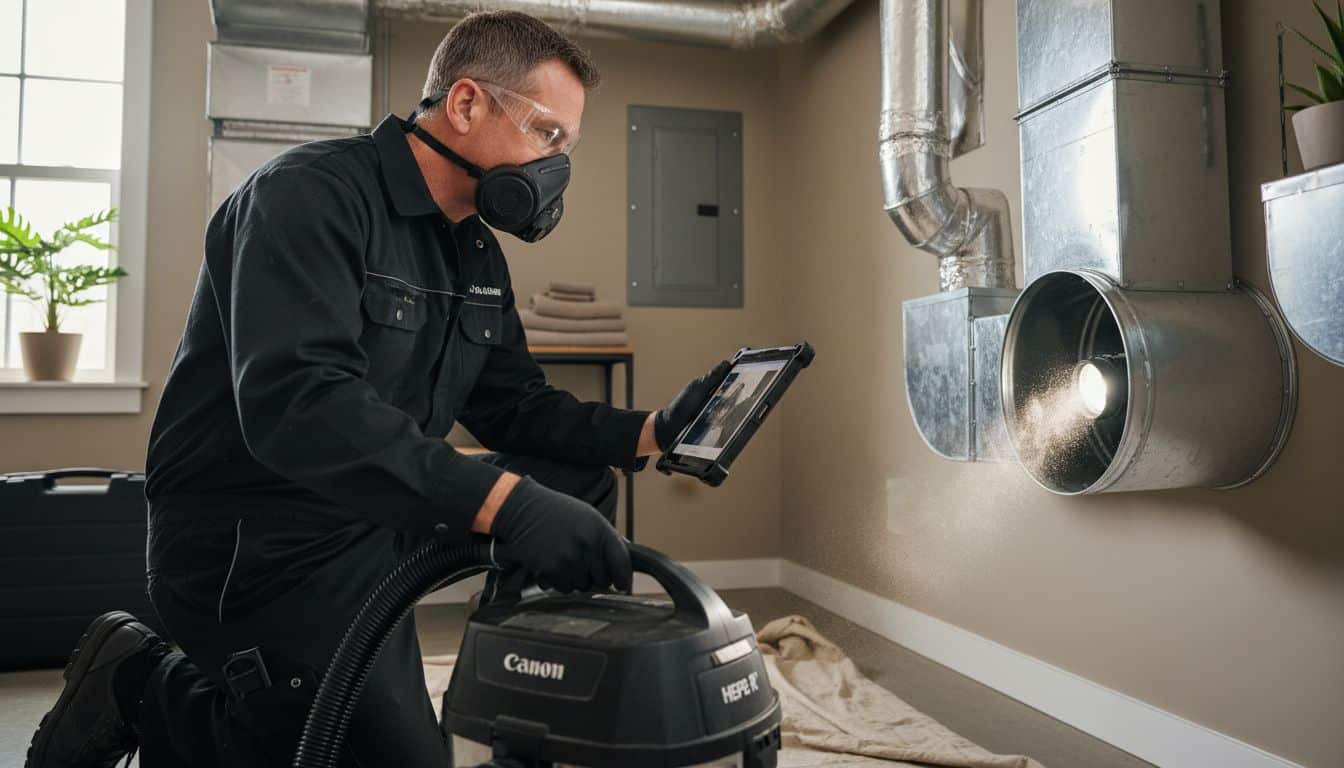
- HEPA Filtered Negative Pressure Systems: These systems use high-efficiency particulate air (HEPA) filters and negative pressure to capture microscopic particles, including mold spores.
- Biocides and Antifungals: Applying biocides and antifungal treatments can inhibit mold growth on surfaces within the HVAC system.
- Dry Ice Blasting: This method uses dry ice to clean ducts without damaging them, effectively removing dust, debris, and potential mold spores.
—
Indoor Air Quality Assessment for Mold Prevention
An Indoor Air Quality (IAQ) assessment can help identify hidden sources of moisture and mold. This involves:
- Moisture Meters: Using moisture meters to detect areas with high humidity.
- Sampling: Collecting air samples for analysis in a laboratory to identify mold spores.
- Thermometers and Hygrometers: Monitoring temperature and relative humidity levels to ensure they stay within safe ranges (below 60%).
—
Post-Renovation HVAC Maintenance for Mold Prevention
Following renovations, it’s crucial to clean and disinfect your HVAC system. This includes:
- Dust Removal: Deep cleaning to remove dust that can harbor mold spores.
- Mold Inspection: Conducting a thorough inspection for any signs of mold growth.
- Disinfection: Using human-safe disinfectants to kill existing mold and prevent future growth.
—
Best Practices for Indoor Air Quality in the UAE
To maintain indoor air quality, follow these best practices:
- Regular Cleaning: Schedule regular deep cleaning of your HVAC system to remove accumulated dust and debris.
- Humidity Control: Use dehumidifiers or air conditioning systems with built-in humidity control features.
- Air Filtration: Install high-efficiency filters that can trap mold spores and other allergens.
—
Expert Tips for Mold Prevention in Your HVAC System
- Regular Inspections: Have your HVAC system inspected every 6-12 months by a professional to catch issues early.
- Proper Ventilation: Ensure adequate ventilation to prevent moisture buildup, especially during humid periods.
- Seal Ducts: Seal any leaks in ductwork to keep humidity from entering your HVAC system.
- Clean Filters Regularly: Replace or clean air filters as recommended by the manufacturer to maintain proper airflow and reduce moisture buildup.
—
FAQ: Controlling Humidity Levels for Mold Prevention in Your HVAC System
- Q: Can mold grow inside an AC system during winter months?
A: While mold growth is more common in humid conditions, it can still occur year-round. Proper maintenance and humidity control are essential even during cooler seasons.
- Q: How often should I clean my HVAC system to prevent mold?
A: It’s recommended to have your AC cleaned every 6-12 months, especially if you live in a humid climate like Dubai.
- Q: Are there any signs that indicate a need for professional cleaning of an HVAC system?
A: If you notice persistent musty odors, visible mold spots, or increased allergy symptoms, it’s time to consider a professional inspection and cleaning.
—
Conclusion: Controlling Humidity Levels to Prevent Mold in Your HVAC System
Controlling humidity levels is key to preventing mold growth within your HVAC system. By understanding the role of humidity, recognizing signs of mold, and following best practices for maintenance, you can ensure clean, healthy air in your home or office. Regular cleaning, proper ventilation, and professional inspections are essential steps towards achieving optimal indoor air quality.
—
—
— Understanding Controlling Humidity Levels To Prevent Mold In Your Hvac is key to success in this area.


Leave a Reply