

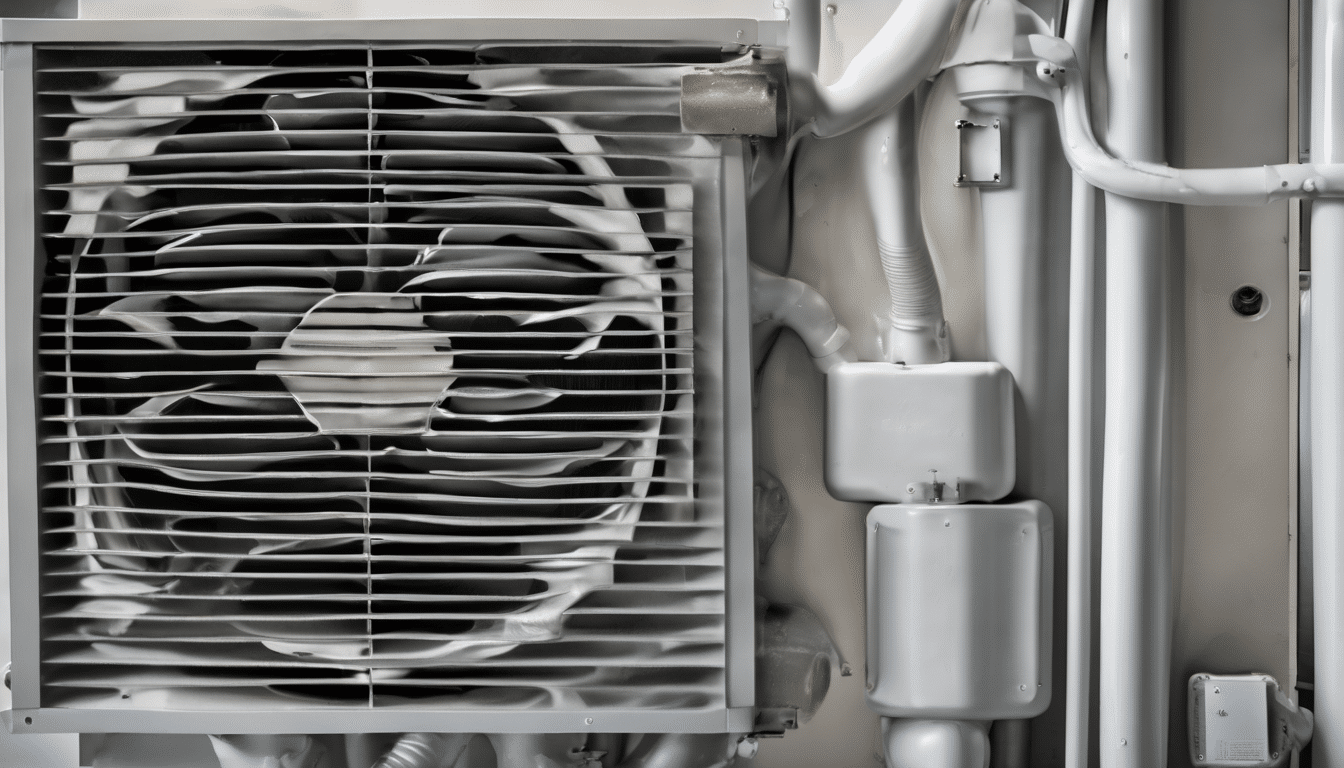
Best Practices For Hvac: Mold-resistant Coils And Blowers
Understanding Mold-Resistant Coils and Blowers: Best Practices For Hvac is essential. —
“Mold-Resistant Coils and Blowers: Best Practices for HVAC in Dubai’s Climate” – Discover how to prevent mold growth inside AC systems with these expert tips.
In this comprehensive guide, Tristan J.P Larsen outlines the best practices for using mold-resistant coils and blowers in your HVAC system. Learn about the key factors that affect pricing and get practical advice on maintaining clean air quality.
—
—
Introduction to Mold-Resistant Coils and Blowers
Contents
- 1 Introduction to Mold-Resistant Coils and Blowers
- 2 Understanding Mold-Resistant Coils and Blowers: Best Practices for HVAC
- 3 Mold-resistant Coils And Blowers: Best Practices For Hvac – Costs and Pricing Guide for Mold-Resistant Coils and Blowers
- 4 Mold-resistant Coils And Blowers: Best Practices For Hvac – Best Practices for Mold Resistance in AC Systems
- 5 Installation and Maintenance Tips for Mold-Resistant Components
- 6 Preventive Maintenance Strategies to Ensure Longevity
- 7 Expert Tips for Managing Mold in HVAC Systems
- 8 Frequently Asked Questions (FAQs)
- 9 Conclusion: Key Takeaways and Next Steps
In Dubai, the year-round need for air conditioning means that HVAC systems are in constant use. This continuous operation can lead to the accumulation of dust, moisture, and other contaminants inside AC units, potentially fostering mold growth. Mold-resistant coils and blowers are essential components in preventing this issue. By implementing best practices with these elements, you can significantly reduce the risk of mold in your home or commercial space.
Understanding Mold-Resistant Coils and Blowers: Best Practices for HVAC
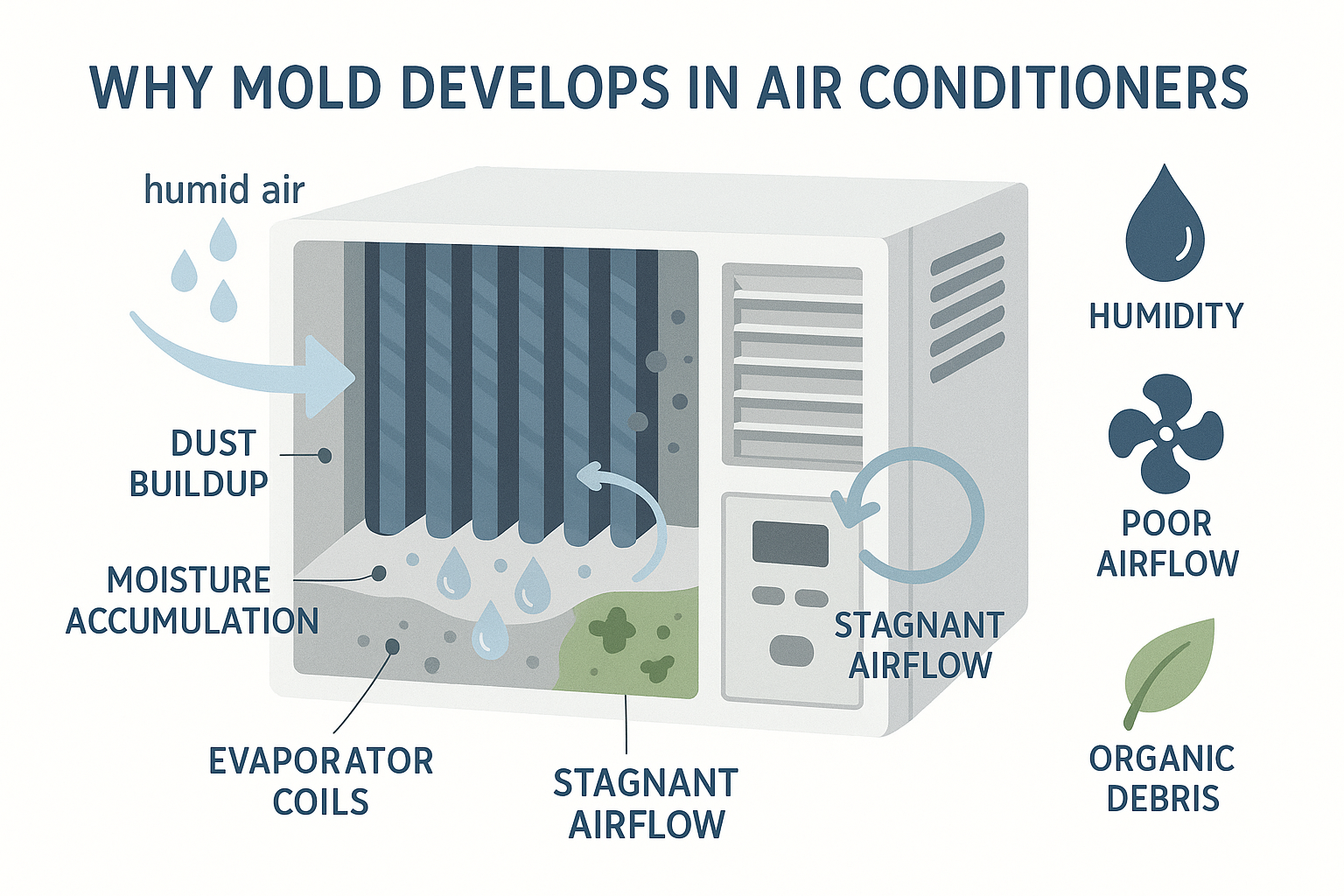
Mold growth inside AC systems is a common problem due to high humidity levels, dust accumulation, and stagnant water. Mold not only affects air quality but can also lead to serious health issues such as respiratory problems and allergies. To combat this, mold-resistant coils and blowers offer superior protection against microbial contamination.
How Mold-Resistant Coils Work
These components are treated with antimicrobial agents that inhibit the growth of fungi and bacteria. They typically undergo rigorous testing to ensure they can withstand harsh conditions within AC units without compromising performance.
Mold-Resistant Blowers: What You Need to Know
Mold-resistant blowers often feature enhanced designs, such as improved airflow patterns or better sealing mechanisms, which help reduce the moisture content in air passing through them. This reduces the likelihood of mold spores forming and spreading.
Mold-resistant Coils And Blowers: Best Practices For Hvac – Costs and Pricing Guide for Mold-Resistant Coils and Blowers
The cost of mold-resistant coils and blowers varies based on several factors, including:
- Material quality: High-grade materials typically offer better resistance against moisture and mold but come at a higher price.
- Brand reputation: Premium brands often command premium prices due to their advanced technologies and warranties.
- System size: Larger AC systems may require more extensive upgrades, leading to increased costs.
A rough estimate for the cost of mold-resistant coils might range from AED 500 to AED 1,500 per unit. For blowers, this could be between AED 300 and AED 800.
Mold-resistant Coils And Blowers: Best Practices For Hvac – Best Practices for Mold Resistance in AC Systems
Implementing the following practices can help ensure your HVAC system remains mold-free:
- Regular Cleaning: Schedule deep cleanings at least twice a year to remove dust and debris that could support mold growth.
- Airflow Management: Ensure proper ventilation to reduce moisture levels inside the AC unit. This can be achieved by using fans or dehumidifiers in conjunction with your HVAC system.
- Proper Installation: Have your AC installed and serviced by certified professionals who understand the local climate conditions.
Installation and Maintenance Tips for Mold-Resistant Components
When installing mold-resistant coils and blowers, consider these tips:
- Consult a Professional: Always have your AC installed by a certified HVAC technician to ensure all components are correctly fitted.
- Inspect Regularly: Check for signs of moisture or condensation regularly. If you notice any, address the issue promptly to prevent mold growth.
- Follow Manufacturer Guidelines: Adhere strictly to the manufacturer’s instructions for installation and maintenance.
Preventive Maintenance Strategies to Ensure Longevity
Regular maintenance is crucial to keep your AC running efficiently and prevent mold growth:
- Replace Filters: Clean or replace air filters monthly, especially during high-use periods.
- Check Drain Lines: Ensure drain lines are clear of obstructions to prevent water buildup that can lead to mold.
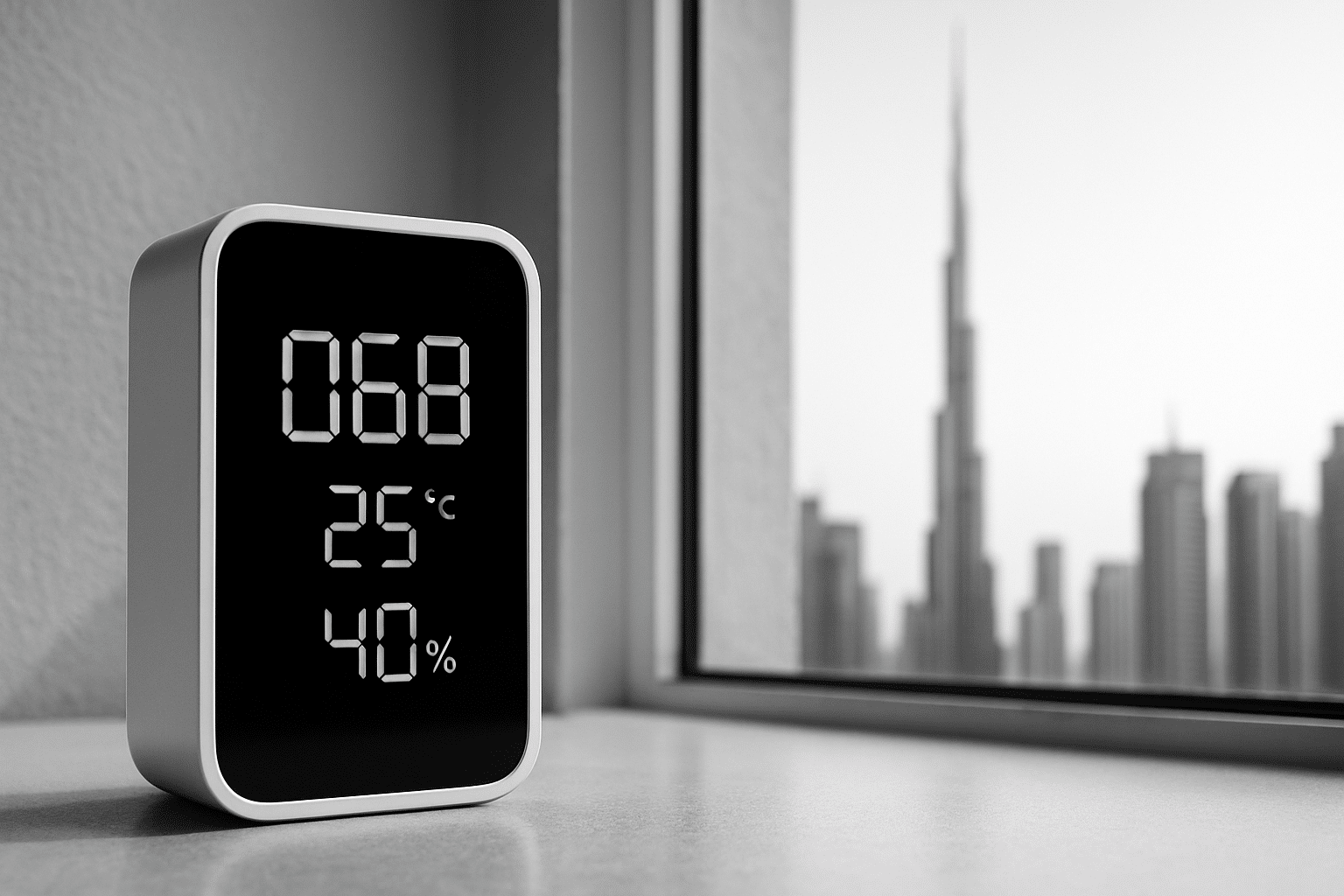
- Monitor Humidity Levels: Use a hygrometer to track indoor humidity and adjust your AC settings accordingly.
Expert Tips for Managing Mold in HVAC Systems
Tristan J.P Larsen offers the following expert advice:
- Use Humidity Control: Consider installing a dehumidifier to reduce indoor moisture levels, especially during high-humidity seasons.
- Avoid Overloading Systems: Ensure your AC is not oversized for your space. An improperly sized unit can lead to inefficient operation and increased humidity.
- Use Mold-Resistant Filters: Choose filters that are specifically designed to combat mold, such as those with activated carbon or electrostatic properties.
Frequently Asked Questions (FAQs)
- Q: Can mold in AC systems affect my health?
- A: Yes, prolonged exposure to mold spores can cause respiratory issues and allergic reactions. Regular cleaning and maintenance are essential.
- Q: How do I know if I have a mold problem in my AC system?
- A: Look for signs like musty odors, visible discoloration on components, or increased allergy symptoms when the AC is running. Professional inspection can confirm.
- Q: How often should I replace my air filters?
- A: Replace them every month during peak usage periods and at least twice a year for general maintenance.
Conclusion: Key Takeaways and Next Steps
Maintaining mold-resistant coils and blowers is crucial for preventing mold growth in your AC system. By following best practices, regularly servicing your HVAC unit, and using preventive measures, you can ensure clean air quality and a healthier indoor environment.
—
Mold-Resistant Coils, Mold-Resistant Blowers, HVAC Maintenance, Air Conditioning Cleaning, Indoor Air Quality
“Mold-Resistant Coils and Blowers: Best Practices for HVAC – Understanding mold-resistant components to improve air quality”


Leave a Reply