Is Mold Growth In Your HVAC System Affecting Your Home’s Air Quality And Energy?
Mold growth in HVAC systems can seriously impact your home’s air quality and energy efficiency in Dubai. Year-round air conditioning creates ideal conditions for mold, affecting both health and utility costs. This complete guide reveals 7 ways mold affects your home’s air quality and energy in Dubai properties.
Table of Contents
- Introduction to HVAC Mold Issues
- Understanding Mold Impact on Air Quality and Energy
- Symptoms of Mold Growth
- Causes of Mold Growth in HVAC Systems
- Impact on Health and Indoor Environment
- Energy Efficiency Issues
- Prevention Strategies for Dubai Homes
- Professional Inspection and Disinfection
- Expert Tips for Homeowners
- Frequently Asked Questions
- Conclusion on HVAC System Hygiene
Introduction to HVAC Mold Issues
Contents
- 1 Introduction to HVAC Mold Issues
- 2 Understanding Mold Impact on Air Quality and Energy
- 3 Symptoms of Mold Growth
- 4 Causes of Mold Growth in HVAC Systems
- 5 Impact on Health and Indoor Environment
- 6 Energy Efficiency Issues
- 7 Prevention Strategies for Dubai Homes
- 8 Professional Inspection and Disinfection
- 9 Expert Tips for Homeowners
- 10 Frequently Asked Questions
- 11 Conclusion on HVAC System Hygiene
In Dubai, where year-round air conditioning is a necessity, the health of your home’s indoor environment can be significantly impacted by issues within the HVAC system. One common concern is mold growth, which affects both air quality and energy efficiency. This guide explores how mold growth impacts your home’s air quality and energy in Dubai properties.
Understanding Mold Impact on Air Quality and Energy
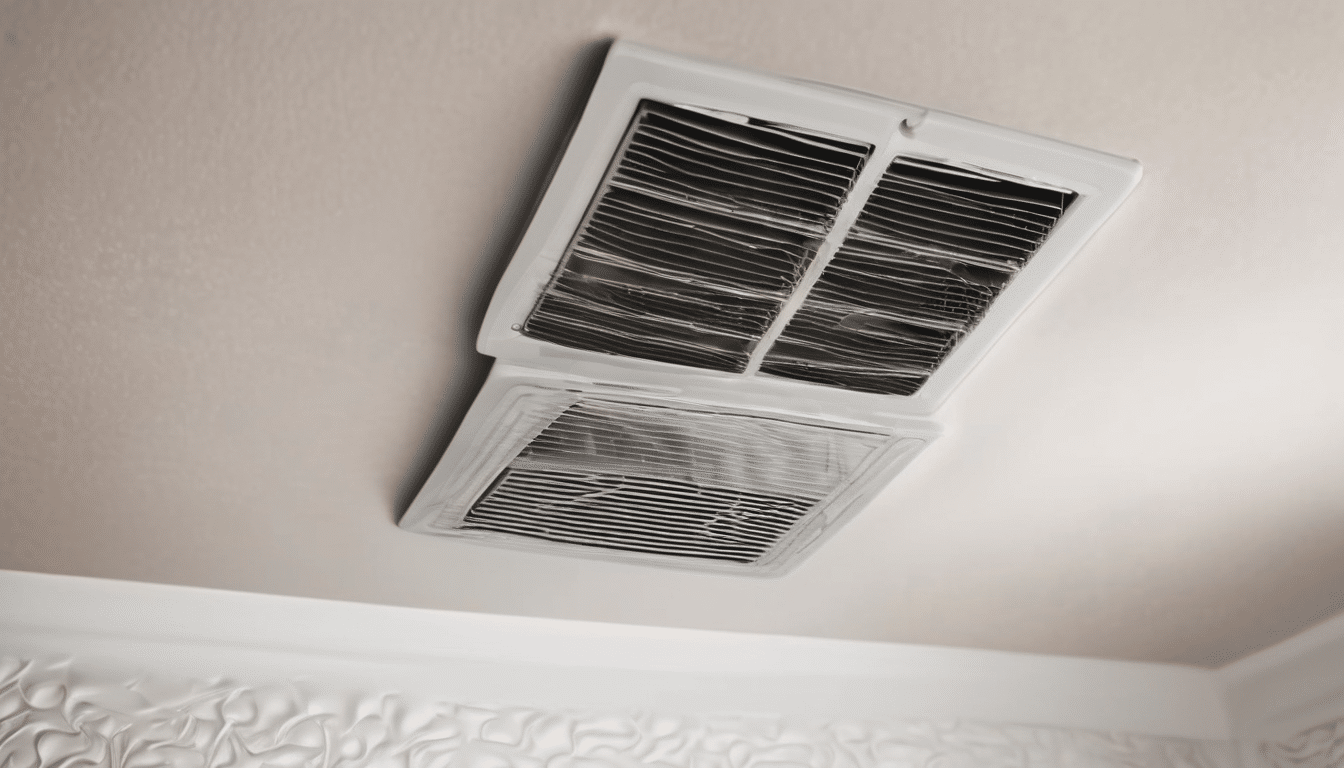
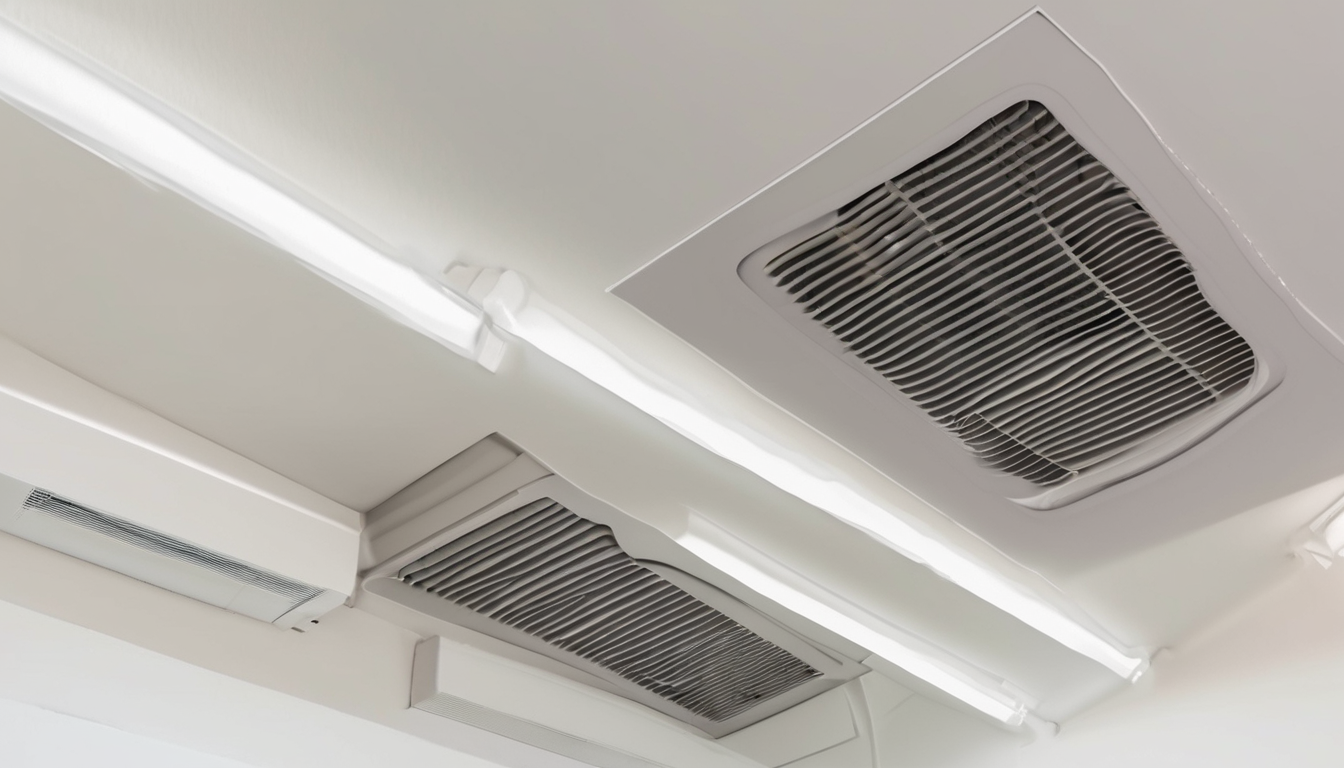
Mold growth inside an HVAC system can be a serious issue in Dubai. It typically occurs due to high humidity levels, poor ventilation, or water intrusion into the system. The presence of mold not only reduces air quality and energy efficiency but also poses health risks to occupants.
Signs of Mold Growth
- Musty odors in your Dubai home
- Visible black, green, or brown spots on the ductwork
- Visible mold growth on HVAC components like coils and filters
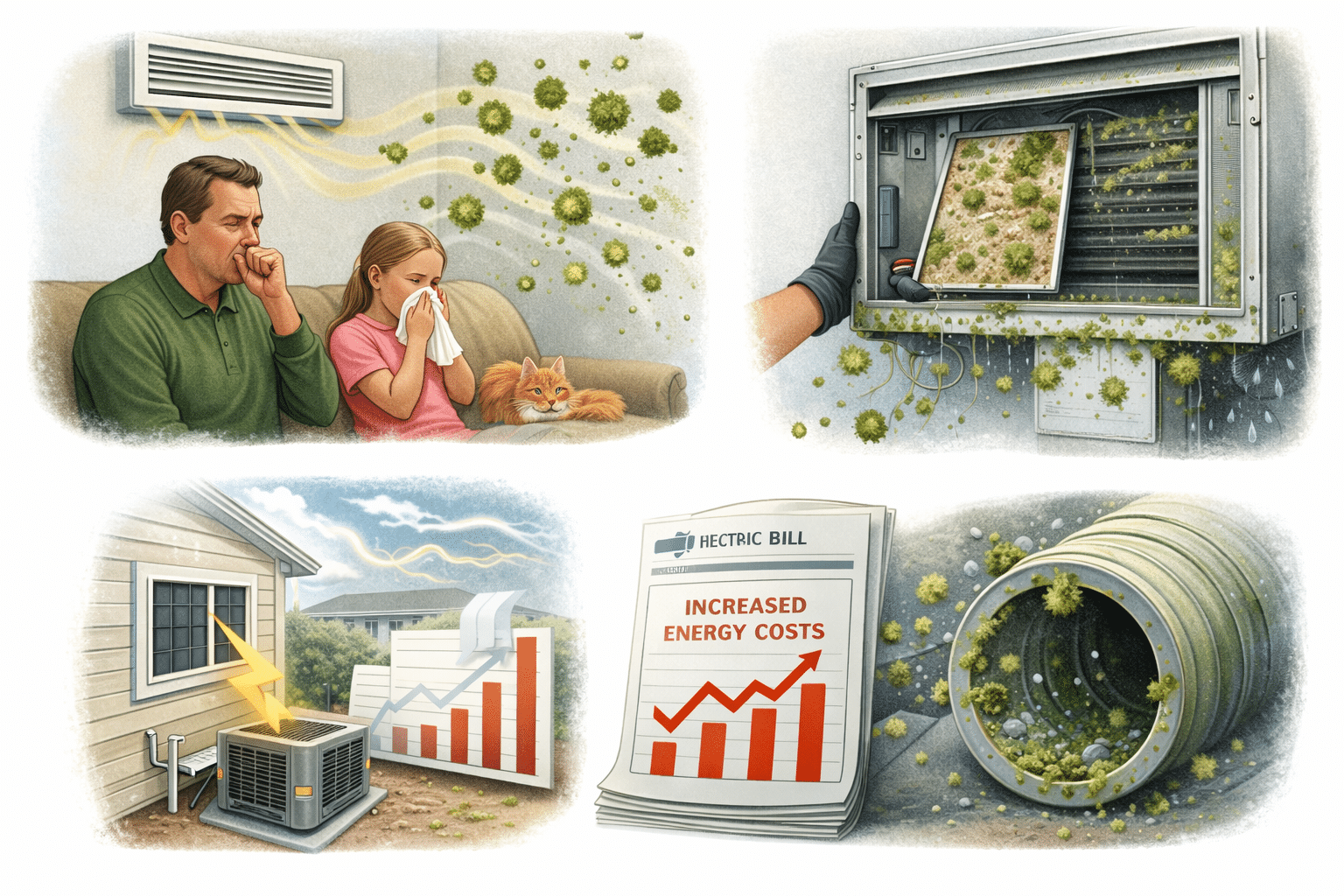
- Increased allergy symptoms or respiratory issues among family members
Symptoms of Mold Growth
The symptoms of mold exposure affecting air quality and energy can vary, but common signs in Dubai homes include:
- Nasal congestion and runny nose
- Eye irritation (redness, watering)
- Coughing and wheezing
- Skin rash or itching
- Asthma attacks in individuals with existing conditions
Causes of Mold Growth in HVAC Systems
Several factors contribute to mold growth affecting air quality and energy in Dubai HVAC systems:
- Inadequate drainage or clogged condensate pans
- Poor maintenance leading to water accumulation inside the system
- High humidity levels in Dubai homes or surrounding environment
- Leaky ducts or connections allowing moisture ingress
- Natural dust and debris providing a food source for mold spores
Impact on Health and Indoor Environment
Mold growth can significantly impact your indoor air quality and energy, leading to:
- Increased allergens in the home environment
- Respiratory issues such as bronchitis or pneumonia
- Worsening of asthma symptoms
- Increased risk of infections for immunocompromised individuals in Dubai
Energy Efficiency Issues
Mold can also impact your home’s air quality and energy efficiency:
- Reduction in heat exchange efficiency, leading to higher energy consumption in Dubai
- Clogged filters and ductwork reducing airflow and system performance
- Increased wear on HVAC components due to overworking the system
Prevention Strategies for Dubai Homes
To prevent mold growth affecting air quality and energy, consider these strategies:
- Regular cleaning and inspection of the system by professionals
- Maintenance checks every six months to identify and address issues early
- Use dehumidifiers in humid areas to keep indoor humidity levels low (below 60%)
- Seal any leaks or gaps in ductwork to prevent moisture intrusion
- Replace HVAC filters regularly, at least once every three months in Dubai
Professional Inspection and Disinfection
A professional inspection can help protect air quality and energy efficiency:
- Identify hidden mold growth that is not visible to the naked eye
- Provide detailed assessment of system hygiene and performance
- Offer targeted disinfection services using safe, human-friendly chemicals
- Develop a maintenance plan for long-term protection against mold growth in Dubai
Expert Tips for Homeowners
Here are expert tips for maintaining air quality and energy efficiency:
- Keep humidity levels low and use dehumidifiers as necessary in Dubai
- Clean your HVAC system every six months, focusing on moisture-prone areas
- Check for leaks or water damage regularly and address them promptly
- Use high-efficiency filters to trap allergens and prevent mold spores from spreading
- Ensure proper ventilation in kitchens and bathrooms to reduce indoor humidity
Frequently Asked Questions
Q: How often should I have my HVAC system professionally inspected to maintain air quality and energy efficiency?
A: At least once a year, or more frequently if you notice issues in Dubai homes.
Q: Can DIY methods effectively prevent mold growth affecting air quality and energy?
A: While basic maintenance can help, professional inspections and disinfections are recommended for comprehensive hygiene in Dubai.
Q: What signs should I look for to suspect mold growth impacting air quality and energy?
A: Musty odors, visible discoloration on ductwork or components, and increased allergy symptoms can indicate mold growth in Dubai HVAC systems.
Conclusion on HVAC System Hygiene
Understanding the impact of mold growth on your home’s air quality and energy is crucial for maintaining a healthy indoor environment in UAE. By regularly inspecting and cleaning your system, addressing humidity issues, and seeking professional help when necessary, you can prevent mold from compromising your home’s efficiency and health.