

Systems Signs Causes: Mold Growth Inside Ac Systems: Signs,
—
<h2 id="introduction”>Introduction to Mold Growth Inside AC Systems
Mold Growth Inside air conditioning systems is a significant concern for property owners and facility managers, particularly in regions with high humidity levels like Dubai. This article will delve into the signs of mold in AC units, its causes, and provide practical prevention strategies to maintain clean indoor environments.
Mold Growth Inside Ac Systems: Signs, Causes & Prevention – Signs of Mold in AC Units
Contents
- 1 Mold Growth Inside Ac Systems: Signs, Causes & Prevention – Signs of Mold in AC Units
- 2 Mold Growth Inside Ac Systems: Signs, Causes & Prevention – Causes of Mold Growth Inside AC Systems
- 3 Mold Growth Inside Ac Systems: Signs, Causes & Prevention – Prevention Strategies for Mold Growth
- 4 Deep Cleaning Techniques for Flexible Ducts in High-Rise Buildings
- 5 Indoor Air Quality Standards for Schools and Nurseries
- 6 Humidity Control Strategies to Prevent Mold in HVAC Systems
- 7 Cost Breakdown of AC Cleaning and Disinfection Services
- 8 Expert Tips for Managing Mold Growth Inside AC Systems
- 9 FAQs About Mold Growth in AC Systems
- 10 Conclusion: Key Takeaways on Mold Prevention in AC Systems
Mold can be a silent threat inside air conditioning systems, often going unnoticed until it becomes visible. Common signs include: This relates directly to Mold Growth Inside Ac Systems: Signs, Causes & Prevention.
- Musty or sour odors coming from vents and ducts.
- Visible black, green, or white spots on AC components such as coils, filters, and drain pans.
- Discoloration of the interior surfaces of the air conditioner housing.
These symptoms can indicate a mold problem that may be affecting indoor air quality. Regular inspections are crucial to catch issues early before they become severe.
Mold Growth Inside Ac Systems: Signs, Causes & Prevention – Causes of Mold Growth Inside AC Systems
Mold thrives in moist, warm environments, making air conditioning systems particularly susceptible. Key factors that contribute to mold growth include:
- High humidity levels in the environment.
- Inadequate drainage and condensate collection in HVAC components.
- Poor ventilation leading to stagnant air within the system.
Dust, debris, and organic materials can also serve as food sources for mold spores. In Dubai’s climate, year-round AC usage exacerbates these conditions, creating an ideal environment for mold to thrive inside AC systems. When considering Mold Growth Inside Ac Systems: Signs, Causes & Prevention, this becomes clear.
Mold Growth Inside Ac Systems: Signs, Causes & Prevention – Prevention Strategies for Mold Growth
To prevent mold growth in air conditioning systems, implement the following strategies:
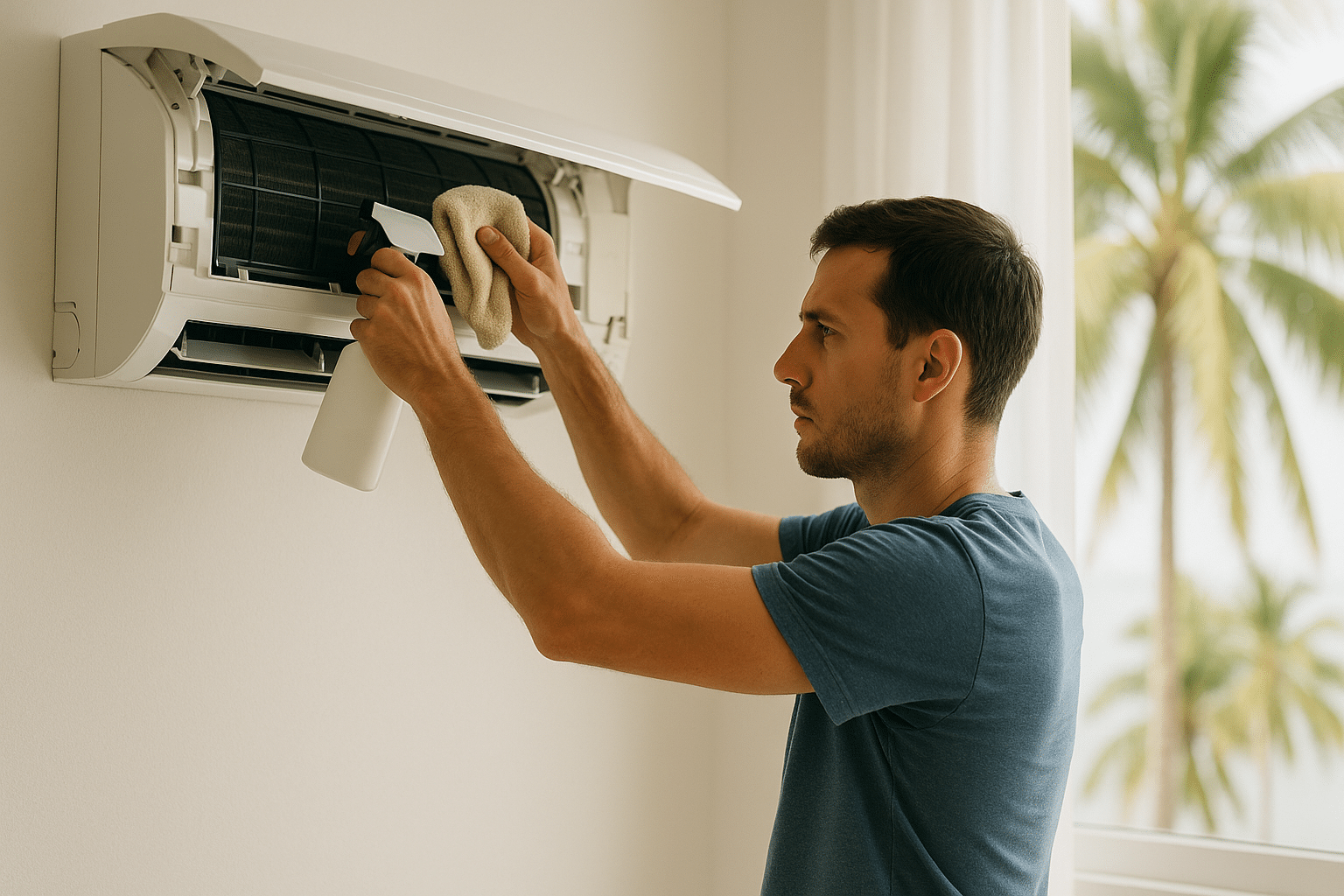
- Regular maintenance and cleaning of HVAC components.
- Proper sealing of gaps and leaks to improve airflow and reduce humidity.
- Use of dehumidifiers in high-moisture environments.
- Professional AC cleaning and disinfection at least twice a year.
These measures help maintain optimal indoor air quality, reducing the risk of mold proliferation. Regular checks by professional HVAC technicians are essential to identify and address any issues promptly.
Deep Cleaning Techniques for Flexible Ducts in High-Rise Buildings
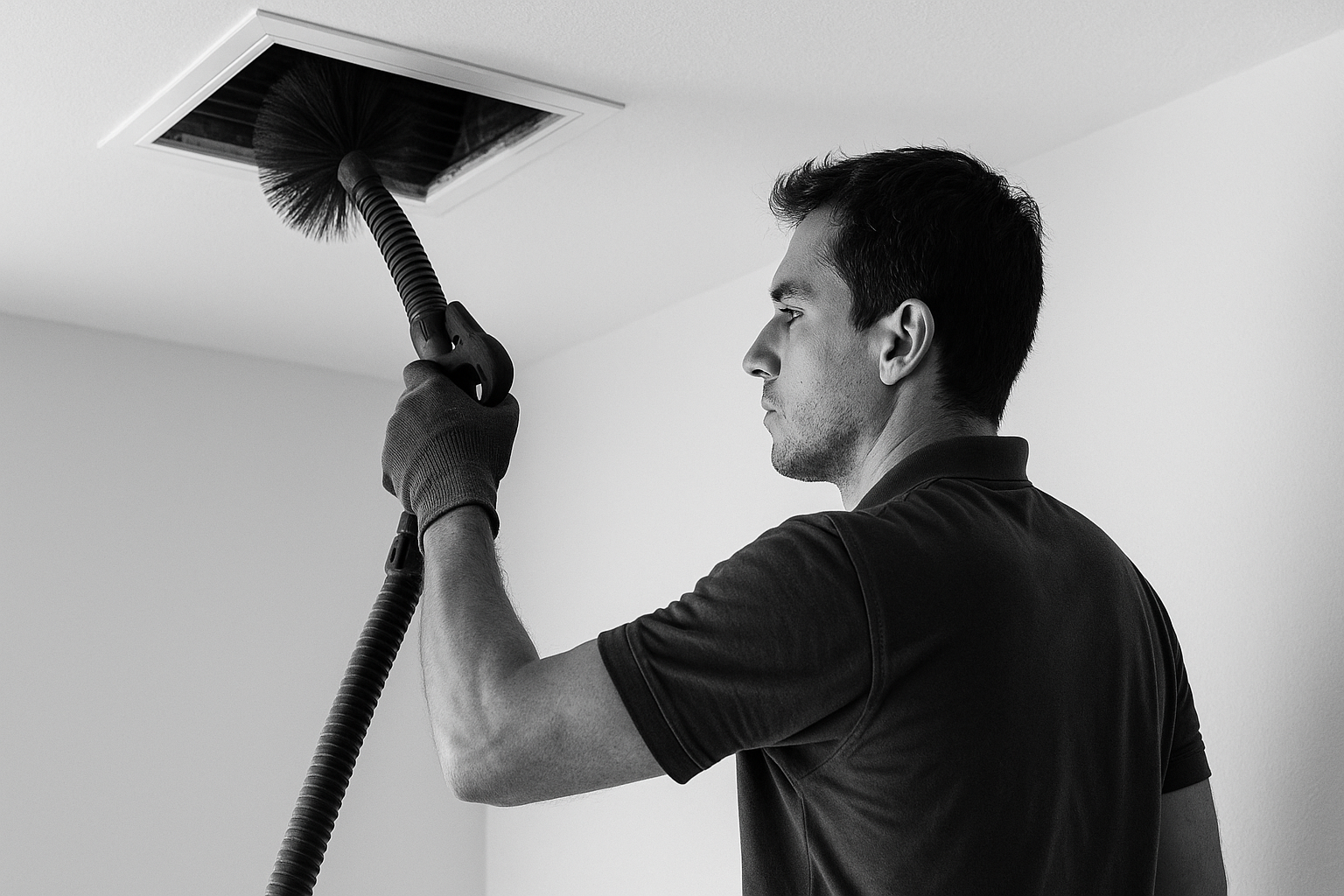
In high-rise buildings with flexible ducting, deep cleaning techniques are necessary due to the extensive surface area and potential for mold accumulation. The process involves: The importance of Mold Growth Inside Ac Systems: Signs, Causes & Prevention is evident here.
- Disassembly of the ductwork if possible.
- Manual removal of visible debris and dust from the interior surfaces.
- Use of HEPA-filtered vacuum cleaners to capture small particles.
- Spraying with biocides or other mold inhibitors.
- Drying the system thoroughly before reassembly.
This comprehensive approach ensures that all areas are cleaned and disinfected, preventing future mold growth. Regular deep cleaning is recommended for high-moisture environments to maintain a healthy indoor environment.
Indoor Air Quality Standards for Schools and Nurseries
Schools and nurseries are particularly vulnerable to mold due to the presence of children, who may be more susceptible to respiratory issues. To meet indoor air quality standards in these environments:
- Implement strict AC cleaning protocols during construction or renovations.
- Use human-safe disinfectants that do not irritate sensitive skin and lungs.
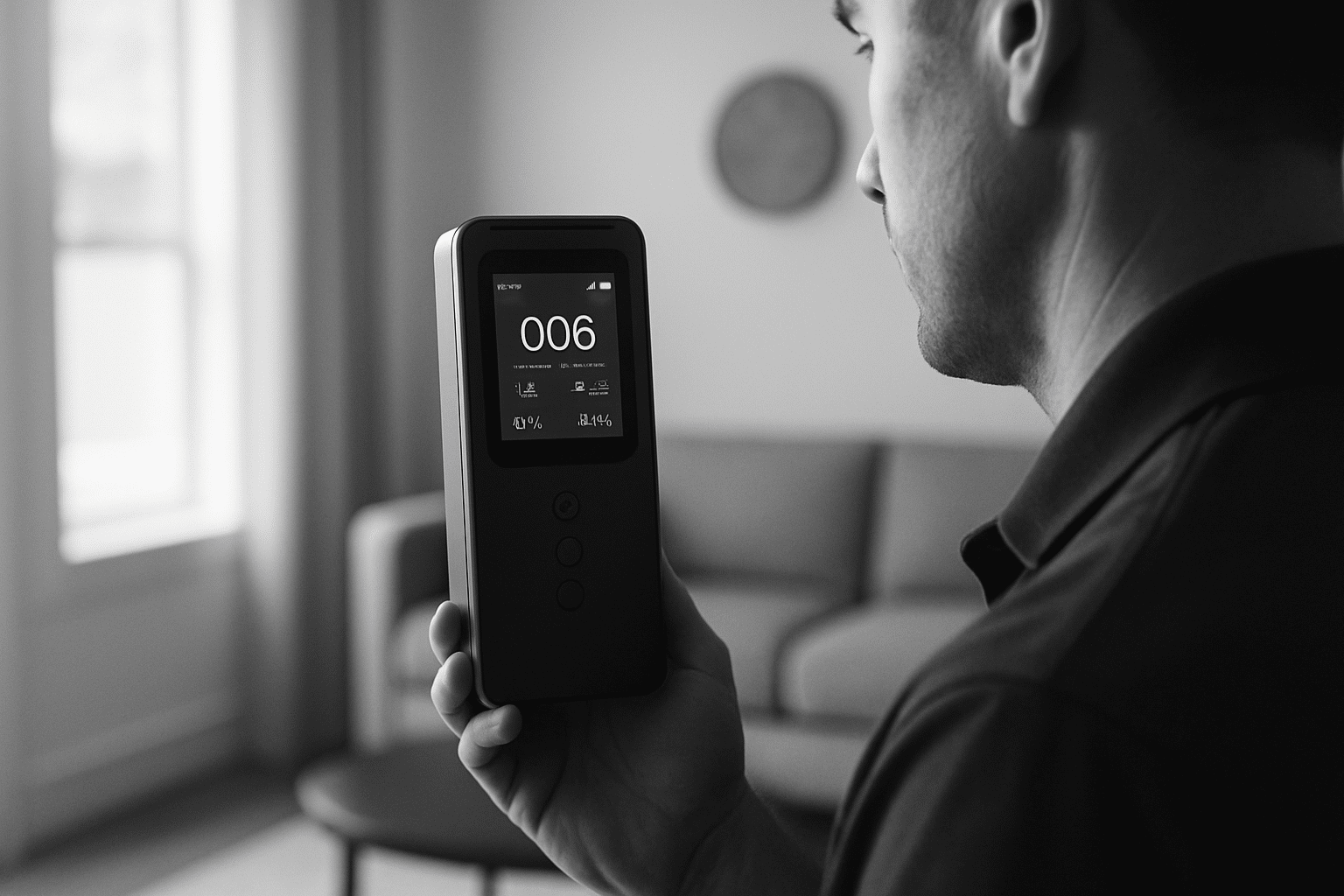
- Monitor IAQ levels regularly using professional equipment.
- Prioritize natural ventilation where possible to reduce humidity.
These steps ensure a safe, healthy environment for children and staff. Regular inspections by HVAC professionals are crucial to maintain these standards. Understanding Mold Growth Inside Ac Systems: Signs, Causes & Prevention helps with this aspect.
Humidity Control Strategies to Prevent Mold in HVAC Systems
Controlling humidity is key to preventing Mold Growth Inside AC systems. Effective strategies include:
- Using desiccant dehumidifiers that can handle high ambient temperatures.
- Ensuring proper drainage of condensate pans and coils.
- Sealing gaps in the building envelope to prevent moisture intrusion.
- Implementing smart humidity sensors that adjust AC settings automatically.
By managing humidity levels effectively, you can significantly reduce the risk of mold growth. Regular inspections and maintenance are essential components of a comprehensive mold prevention strategy.
Cost Breakdown of AC Cleaning and Disinfection Services
The cost of professional AC cleaning and disinfection services varies depending on several factors, including:
- Size and complexity of the HVAC system.
- Type of contaminants present (dust, mold, biofilm).
- Frequency of service required (quarterly, bi-annual, annual).
A basic cleaning for a villa in Dubai might cost AED 2,000 to AED 3,500, while high-rise buildings or commercial spaces could require more extensive services costing between AED 4,000 and AED 10,000. It’s important to request detailed quotes from reputable service providers to ensure you receive the appropriate level of care.
Investing in regular AC cleaning and disinfection is a wise choice for maintaining healthy indoor environments. The long-term benefits far outweigh the initial costs, ensuring a comfortable and safe living or working space year-round.
Expert Tips for Managing Mold Growth Inside AC Systems
Here are some expert tips to help manage Mold Growth Inside AC systems:
- Use high-quality air filters that capture both large and microscopic particles.
- Keep humidity levels below 60% by using dehumidifiers or desiccant systems.
- Regularly check for signs of mold growth and address issues promptly.
- Ensure proper drainage from all components to prevent moisture buildup.
By following these guidelines, you can significantly reduce the risk of mold proliferation in your AC system. Remember that prevention is always better than remediation when it comes to maintaining a healthy indoor environment.
FAQs About Mold Growth in AC Systems
- How often should I clean my AC to prevent mold growth?
- Professional cleaning and disinfection at least twice a year is recommended, especially for high-moisture environments.
- Are there any DIY methods to control mold in AC systems?
- DIY methods can help but may not be thorough enough. Professional cleaning and disinfection are essential for comprehensive mold prevention.
- Can I use household cleaners to clean my AC?
- No, household cleaners may not be effective against mold or could damage the system. Use human-safe disinfectants recommended by HVAC professionals.
Mold Growth Inside Ac Systems: Signs, Causes & Prevention factors into this consideration.
These FAQs address common concerns and provide guidance on maintaining a healthy indoor environment through proper AC care.
Conclusion: Key Takeaways on Mold Prevention in AC Systems
Mold Growth Inside air conditioning systems is a serious issue that can negatively impact indoor air quality. By understanding the signs, causes, and prevention strategies outlined in this article, you can take proactive steps to maintain a clean and healthy environment. This relates directly to Mold Growth Inside Ac Systems: Signs, Causes & Prevention.
- Regular cleaning and disinfection are essential for preventing mold.
- Maintaining optimal humidity levels is crucial for mold control.
- Professional services offer the most effective solutions for comprehensive mold prevention.
In Dubai, where year-round AC usage and high humidity contribute to mold growth, it’s imperative to prioritize indoor air quality. By following these guidelines, you can ensure a safe, comfortable living or working environment free from the risks of mold contamination.
—
TAGS:
– Mold Growth Inside AC Systems
– Signs of Mold in AC Units
– Causes of Mold Growth in HVAC Systems
– Prevention Strategies for Mold Growth
– Deep Cleaning Techniques for Flexible Ducts
– Indoor Air Quality Standards
– Humidity Control Strategies
– Cost Breakdown of AC Cleaning Services
– Expert Tips on Mold Management Understanding Mold Growth Inside Ac Systems: Signs, Causes & Prevention is key to success in this area.

Leave a Reply