

Mold In Hvac Systems: Humidity Control Strategies To Prevent
—
Understanding Humidity Control Strategies to Prevent Mold in HVAC Systems
Contents
- 1 Understanding Humidity Control Strategies to Prevent Mold in HVAC Systems
- 2 Humidity Control Strategies To Prevent Mold In Hvac Systems – The Significance of Mold in AC Systems: Signs, Causes & Prev
- 3 Humidity Control Strategies To Prevent Mold In Hvac Systems – Key Prevention Strategies for Humidity Control
- 4 Detailed Clean Air Duct Cleaning Techniques for Flexible Ducts in High-Rise Buildings
- 5 Hygiene and Maintenance Practices for HVAC Systems
- 6 Cost Breakdown of Humidity Control Strategies: AED X,XXX – AED Y,YYY
- 7 Expert Tips for Mold Prevention in HVAC Systems
- 8 Frequently Asked Questions (FAQs)
- 9 Conclusion
- 10 The Significance of Mold in AC Systems: Signs, Causes & Prevention
- 11 Key Prevention Strategies for Humidity Control
- 12 Detailed Clean Air Duct Cleaning Techniques for Flexible Ducts in High-Rise Buildings
- 13 Hygiene and Maintenance Practices for HVAC Systems
- 14 Cost Breakdown of Humidity Control Strategies: AED 1,500 – AED 6,000
- 15 Expert Tips for Mold Prevention in HVAC Systems
- 16 Frequently Asked Questions (FAQs)
- 17 Conclusion
Humidity is a significant factor in mold growth within HVAC (Heating, Ventilation, and Air Conditioning) systems. High humidity levels can lead to the proliferation of mold spores, which not only affect indoor air quality but also reduce system efficiency. In Dubai’s climate, this typically leads to year-round AC usage, creating an environment conducive for moisture accumulation.
Effective Humidity Control Strategies are crucial in preventing mold growth and maintaining a healthy living or working environment. By understanding these strategies, you can ensure that your HVAC systems operate efficiently while minimizing the risk of mold development.
Humidity Control Strategies To Prevent Mold In Hvac Systems – The Significance of Mold in AC Systems: Signs, Causes & Prev
Mold growth inside HVAC systems can lead to a myriad of issues, including musty odors, reduced cooling efficiency, and compromised indoor air quality. Mold spores released into the air can cause respiratory irritation, especially among allergy-sensitive individuals.
In Dubai’s climate, where year-round AC usage is common, humidity levels often rise, creating an ideal environment for mold growth within HVAC systems. Understanding the signs of mold presence—such as visible black spots or a musty smell—is crucial in preventing further issues. Regular maintenance and professional cleaning can significantly reduce the risk of mold development.
Humidity Control Strategies To Prevent Mold In Hvac Systems – Key Prevention Strategies for Humidity Control
To prevent mold growth, it is essential to maintain optimal humidity levels within your HVAC system. The following strategies are effective in managing moisture content: This relates directly to Humidity Control Strategies To Prevent Mold In Hvac Systems.
- Proper Sizing and Design: Ensure that your AC units are properly sized and designed for the specific environment they will be operating in.
- Regular duct Cleaning: Deep cleaning of air ducts can remove accumulated dust, debris, and moisture that contribute to mold growth.
- Dehumidification Systems: Installing dehumidifiers within the HVAC system can help maintain low humidity levels, reducing the risk of mold formation.
Detailed Clean Air Duct Cleaning Techniques for Flexible Ducts in High-Rise Buildings
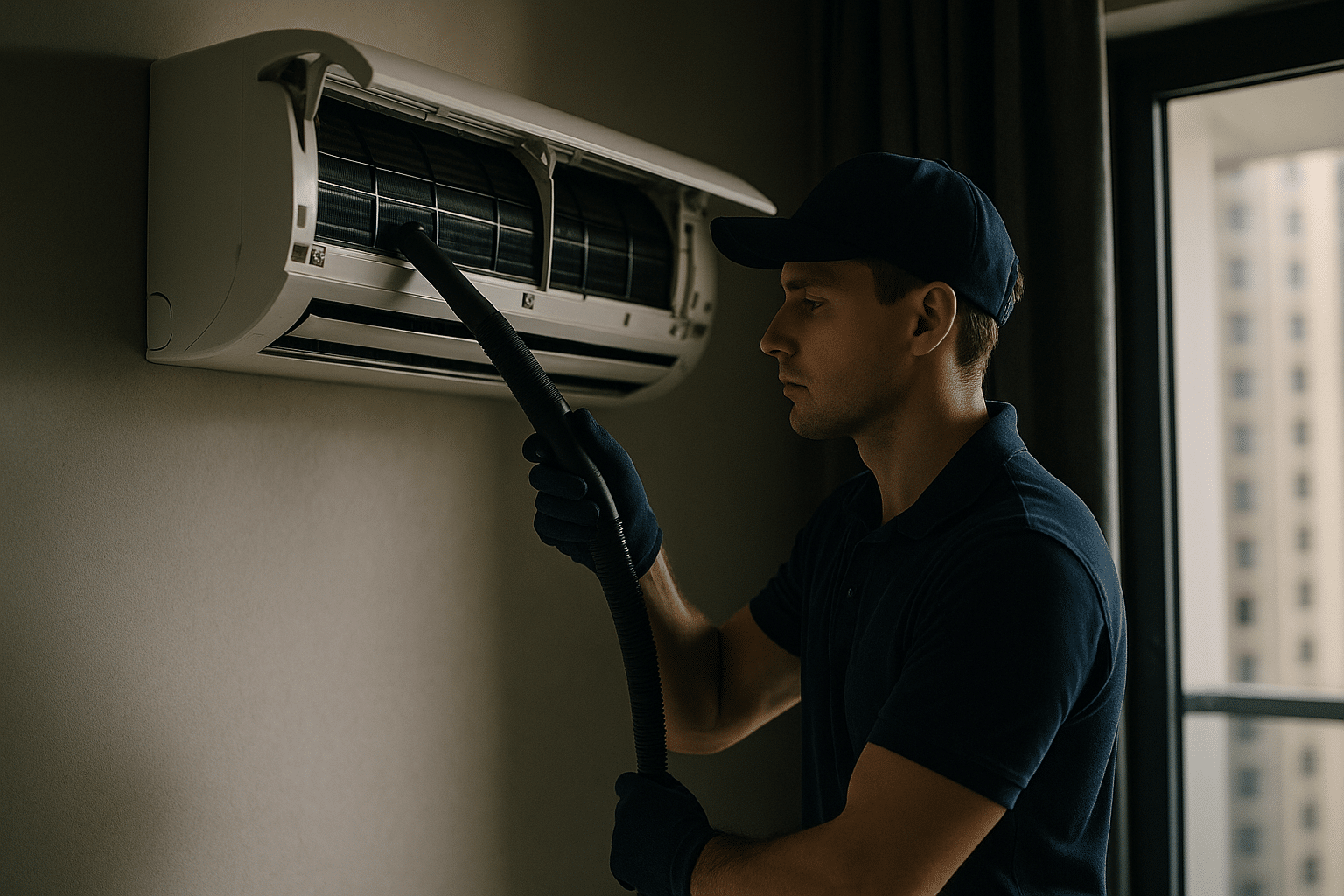
In high-rise buildings, flexible ducts are prone to accumulating moisture due to their porous nature. Effective cleaning techniques include:
- HEPA Filtration: Using HEPA-filtered negative pressure systems can capture small particles and mold spores effectively.
- Chemical Treatments: Employing human-safe disinfectants during the cleaning process can help eliminate mold and bacteria.
- Proper Ventilation: Ensuring adequate ventilation during and after cleaning minimizes disruption to occupants.
Hygiene and Maintenance Practices for HVAC Systems
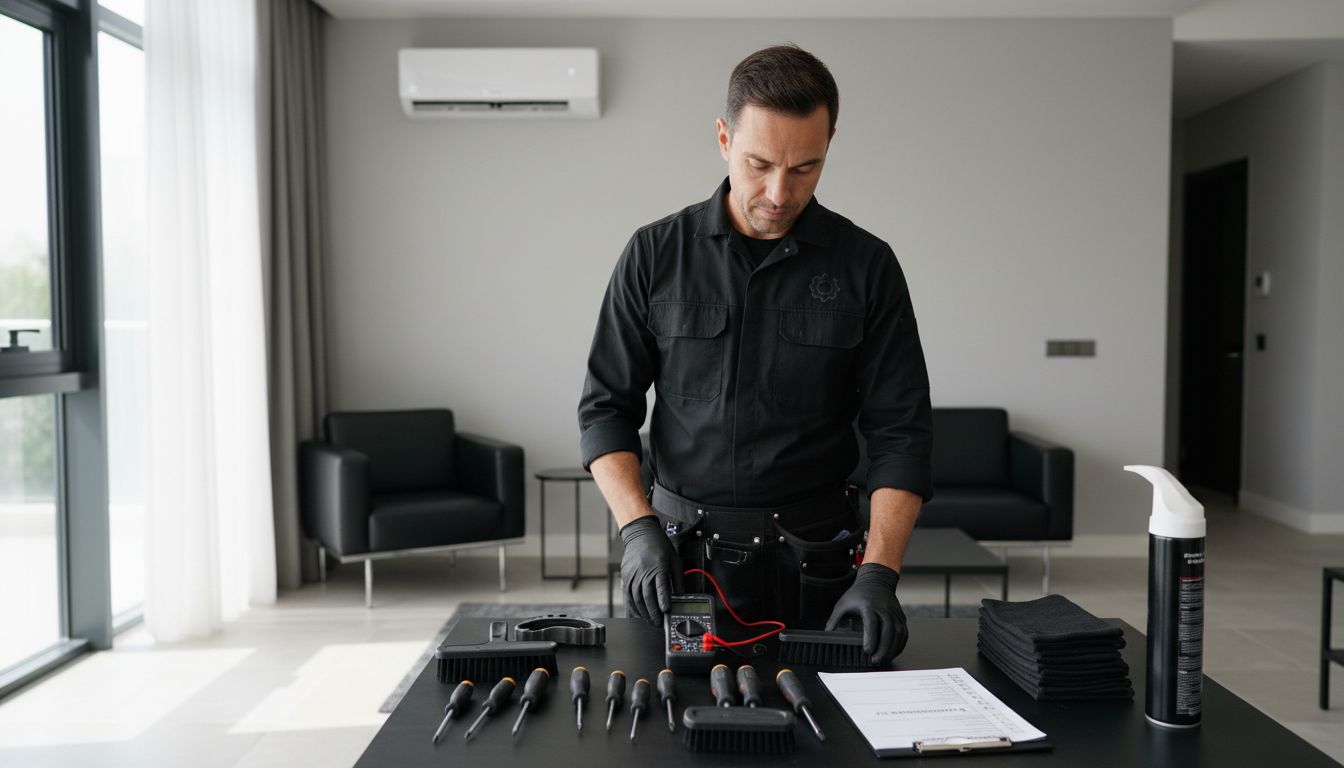
Maintaining hygiene within your HVAC systems involves regular inspections, cleaning, and disinfection. Some key practices include:
- Coil Cleaning: Regularly clean evaporator and condenser coils to prevent the buildup of moisture and biofilm.
- Drain Pan Maintenance: Ensure that drain pans are free from standing water, which can contribute to mold growth.
- Filter Replacement: Replace air filters regularly to prevent dust accumulation that can lead to increased humidity levels.
Cost Breakdown of Humidity Control Strategies: AED X,XXX – AED Y,YYY
The cost of implementing Humidity Control Strategies can vary based on the specific needs and scale of your HVAC system. Here is a general breakdown: When considering Humidity Control Strategies To Prevent Mold In Hvac Systems, this becomes clear.
| Strategy | AED Cost Range |
|---|---|
| Duct Cleaning (Flexible Ducts) | AED 1,500 – AED 3,000 |
| Dehumidification System Installation | AED 2,000 – AED 5,000 |
| HEPA Filtration Systems | AED 3,000 – AED 6,000 |
| Professional Maintenance Services | AED 1,200 – AED 2,500 per quarter |
Please note that these costs are approximate and may vary based on the specific circumstances of your HVAC system.
Expert Tips for Mold Prevention in HVAC Systems
- Regular Inspections: Schedule professional inspections every six months to identify potential issues early.
- Clean Filters: Replace or clean air filters regularly, as dirty filters can increase humidity levels.
- Proper Ventilation: Ensure that all vents and registers are free from obstructions and functioning properly.
- Control Moisture Sources: Address any moisture sources in your building to prevent condensation within the HVAC system.
Frequently Asked Questions (FAQs)
- Q: How often should I clean my AC ducts?
- A: It is recommended to have your AC ducts cleaned every two to three years, or more frequently if you notice visible mold growth.
- Q: Can I do the AC duct cleaning myself?
- A: While DIY cleaning can be attempted for simple tasks, professional cleaning services are recommended for thorough and safe results.
- Q: Are there any signs that indicate high humidity levels in my HVAC system?
- A: Signs include visible mold growth, musty odors, or a decrease in cooling efficiency. Regular inspections can help identify these issues early.
The importance of Humidity Control Strategies To Prevent Mold In Hvac Systems is evident here.
Conclusion
Effective Humidity Control Strategies are vital for preventing mold growth within HVAC systems and maintaining indoor air quality. By implementing regular maintenance practices, utilizing professional cleaning services, and addressing moisture sources, you can ensure a healthy environment in your home or workplace.
—
Master the art of humidity control with these proven strategies to keep mold at bay, ensuring year-round comfort and hygiene in your AC systems.
The Significance of Mold in AC Systems: Signs, Causes & Prevention
Mold poses a significant threat to indoor air quality and HVAC systems. Identifying the signs of mold growth—such as musty odors or visible black spots—and understanding its causes are essential for prevention.
Key Prevention Strategies for Humidity Control
Implementing these strategies can help manage humidity levels and prevent mold from thriving:
- Proper Sizing and Design: Ensure your AC units are appropriately sized.
- Regular Duct Cleaning: Schedule deep cleanings every two to three years.
- Dehumidification Systems: Install dehumidifiers within the HVAC system for optimal moisture control.
Detailed Clean Air Duct Cleaning Techniques for Flexible Ducts in High-Rise Buildings
In high-rise buildings, flexible ducts are particularly susceptible to mold growth. Here’s how to clean them effectively:
- HEPA Filtration: Use HEPA-filtered negative pressure systems.
- Chemical Treatments: Apply human-safe disinfectants.
- Adequate Ventilation: Ensure proper ventilation during and after cleaning.
Hygiene and Maintenance Practices for HVAC Systems
Maintaining hygiene involves regular inspections, cleaning, and disinfection. Key practices include:
- Coil Cleaning: Clean evaporator and condenser coils.
- Drain Pan Maintenance: Keep drain pans free from standing water.
- Filter Replacement: Replace air filters regularly to prevent dust accumulation.
Cost Breakdown of Humidity Control Strategies: AED 1,500 – AED 6,000
The cost varies based on the specific needs and scale of your HVAC system. Here’s a general breakdown:
| Strategy | AED Cost Range |
|---|---|
| Duct Cleaning (Flexible Ducts) | AED 1,500 – AED 3,000 |
| Dehumidification System Installation | AED 2,000 – AED 5,000 |
| HEPA Filtration Systems | AED 3,000 – AED 6,000 |
| Professional Maintenance Services | AED 1,200 – AED 2,500 per quarter |
Expert Tips for Mold Prevention in HVAC Systems
- Regular Inspections: Schedule professional inspections every six months.
- Clean Filters: Replace or clean air filters regularly.
- Proper Ventilation: Ensure all vents and registers are free from obstructions.
- Control Moisture Sources: Address any moisture sources in your building.
Frequently Asked Questions (FAQs)
- Q: How often should I clean my AC ducts?
- A: Every two to three years, or more frequently if mold is visible.
- Q: Can I do the AC duct cleaning myself?
- A: DIY cleaning can be attempted for simple tasks; professional services are recommended for thorough results.
- Q: Are there any signs of high humidity in my HVAC system?
- A: Signs include musty odors, visible mold growth, or decreased cooling efficiency. Regular inspections can help identify these issues early.
Understanding Humidity Control Strategies To Prevent Mold In Hvac Systems helps with this aspect.
Conclusion
Master the art of humidity control with these proven strategies to keep mold at bay and ensure clean air in your HVAC system. By implementing regular maintenance practices and professional cleaning services, you can maintain a healthy environment year-round.
—
Discover effective ways to prevent mold from growing inside your air conditioning system, ensuring clean air and a healthier environment.


Leave a Reply