Mold And Dust Prevention In HVAC Systems
Introduction
Contents
- 1 Introduction
- 2 Understanding Mold and Dust Prevention in HVAC Systems: A Guide
- 3 The Significance of Air Quality in UAE Climate Conditions
- 4 Common Mold and Dust Issues in HVAC Systems
- 5 Best Practices for Preventing Mold and Dust: A Step-by-Step Guide
- 6 Professional Maintenance Tips for Your HVAC System
- 7 Choosing the Right Furnace Filter for Reducing Dust and Improving Air Quality
- 8 Examples of HVAC System Cleanings and Disinfections
- 9 Expert Tips for Mold and Dust Prevention
- 10 FAQs
- 11 Conclusion
Understanding Mold and Dust Prevention In HVAC Systems: A Guide is essential. Discover effective methods for preventing mold and dust accumulation in your HVAC systems a guide, tailored specifically for the challenging conditions of Dubai and other UAE regions.
Table of Contents
- Understanding Mold and Dust Prevention in HVAC Systems: A Guide
- The Significance of Air Quality in UAE Climate Conditions
- Common Mold and Dust Issues in HVAC Systems
- Best Practices for Preventing Mold and Dust: A Step-by-Step Guide
- Professional Maintenance Tips for Your HVAC System
- Choosing the Right Furnace Filter for Reducing Dust and Improving Air Quality
- Examples of HVAC System Cleanings and Disinfections
- Expert Tips for Mold and Dust Prevention
- FAQs
- Conclusion
Understanding Mold and Dust Prevention in HVAC Systems: A Guide
Mold and dust prevention is crucial for maintaining the health of your system when following recommendations in HVAC systems a guide, especially given Dubai’s harsh climate conditions. This guide aims to help you understand the specific challenges faced by HVAC systems in this region and provide actionable steps to ensure clean and healthy air circulation.
The Significance of Air Quality in UAE Climate Conditions
In Dubai, the climate poses unique challenges for indoor air quality according to this comprehensive overview of HVAC systems a guide. Year-round AC usage, high humidity levels, and desert dust contribute significantly to the accumulation of mold and dust within HVAC systems. Understanding these factors is essential for implementing effective prevention strategies. This relates directly to Mold And Dust Prevention In Hvac Systems: A Guide.
Year-Round AC Usage
Due to the extreme temperatures in Dubai, air conditioning units are used almost continuously, leading to high moisture levels inside the system. This creates an ideal environment for mold and dust growth.
High Humidity Levels
The UAE’s humid climate exacerbates the problem of mold accumulation. High humidity promotes fungal spores, which can lead to significant indoor air quality issues if not managed properly.
Common Mold and Dust Issues in HVAC Systems
Several factors contribute to the prevalence of mold and dust when consulting maintenance protocols in HVAC systems a guide. These include:
Primary Issues:
- Dust Accumulation – Desert dust, pollen, and other airborne particles can settle inside ducts and coils over time
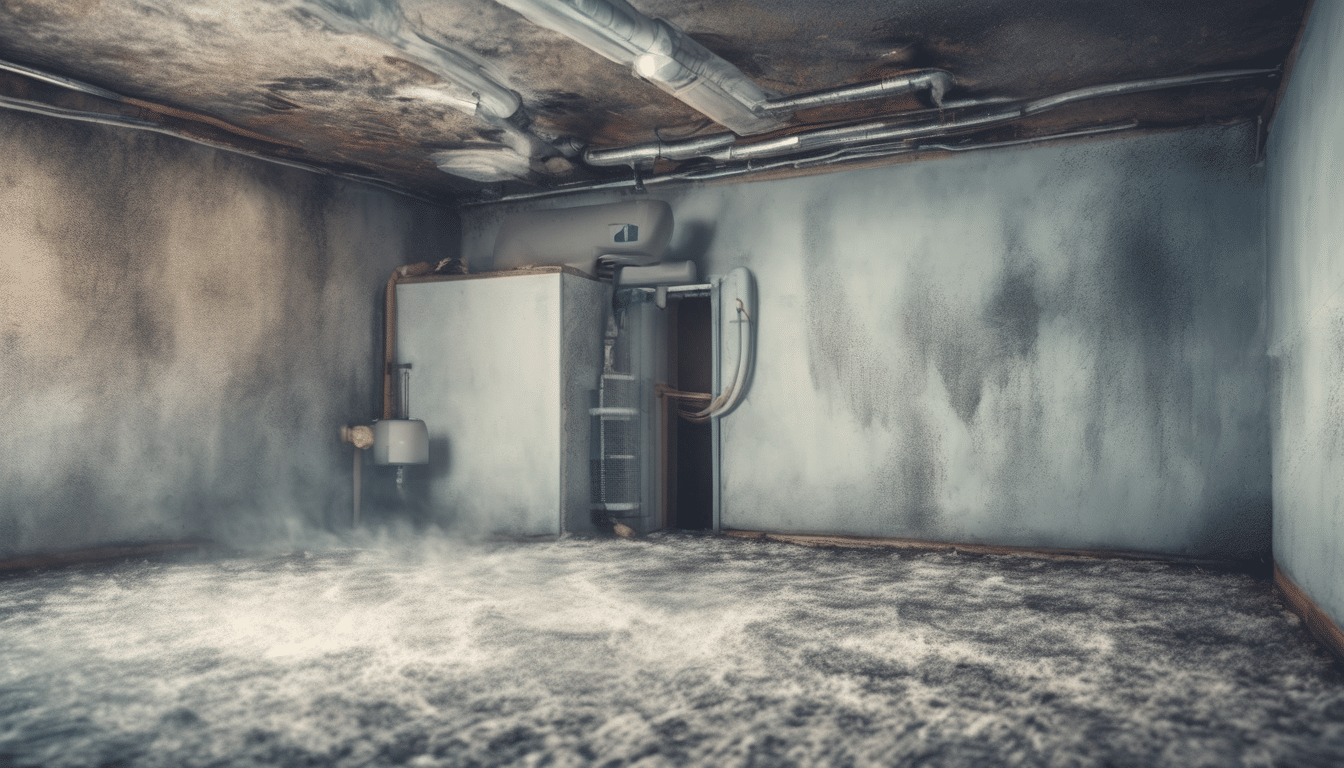
- Mold Growth – Condensation within the system provides a medium for mold to thrive, especially in areas with poor ventilation or improper drainage systems
- Biofilm Formation – Microbial growth, often referred to as biofilm, can form on surfaces, leading to odors and further health concerns
Best Practices for Preventing Mold and Dust: A Step-by-Step Guide
To prevent mold and dust when following prevention strategies in HVAC systems a guide, follow these best practices:
Essential Prevention Steps:
- Regular Cleaning – Schedule thorough cleaning of all components at least twice a year to remove accumulated dust and debris
- Mold Inspection – Conduct regular visual inspections for signs of mold growth; use moisture meters if necessary to detect hidden issues
- Proper Ventilation – Ensure that your HVAC system has proper ventilation, especially during high-humidity periods or after renovation work
- Drain Pan Maintenance – Clean and inspect drain pans regularly to prevent water pooling and subsequent mold growth
- Filtration Upgrades – Upgrade to high-efficiency filters that can trap finer particles, reducing the amount of dust entering your system
Professional Maintenance Tips for Your HVAC System
To further enhance the health and longevity when implementing recommendations from HVAC systems a guide, consider these professional maintenance tips:
Professional Services:
- Expert Cleaning – Hire a professional AC cleaning service to perform deep cleanings using HEPA-filtered systems
- Disinfection Protocols – Use EPA-approved disinfectants for thorough microbial control, especially in high-risk areas like evaporator coils and drain pans
- Humidity Control – Install dehumidifiers to manage indoor humidity levels effectively, reducing the risk of mold growth
- System Inspections – Schedule comprehensive professional assessments annually
- Performance Monitoring – Track system efficiency and air quality metrics regularly
Choosing the Right Furnace Filter for Reducing Dust and Improving Air Quality
The right furnace filter can significantly impact your indoor air quality when following filter selection advice in HVAC systems a guide. Here are some key points to consider:
Filter Selection Criteria:
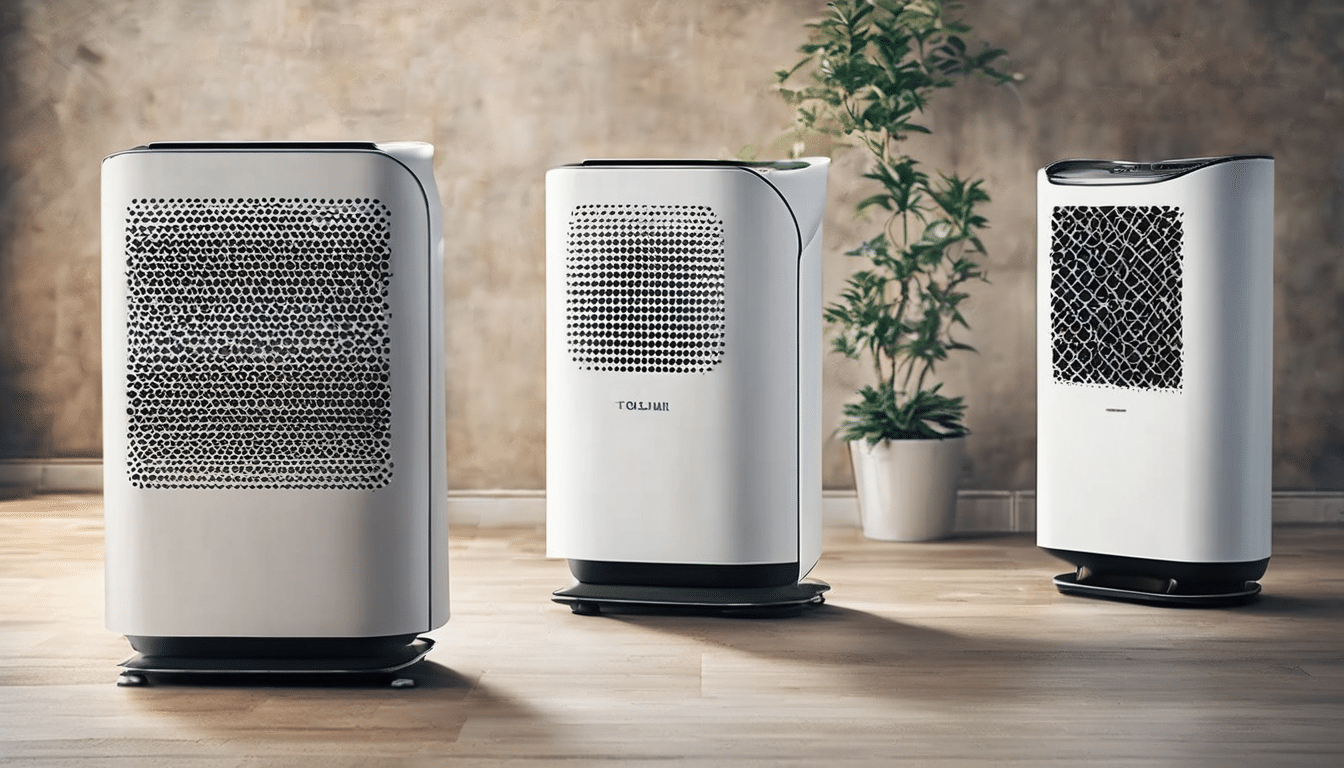
- HEPA Filters – High-efficiency particulate air (HEPA) filters capture 99.97% of particles as small as 0.3 microns, making them ideal for reducing dust and allergens
- GAC Filters – Granulated activated carbon (GAC) filters are useful for removing odors and volatile organic compounds (VOCs)
- MERV Ratings – Minimum efficiency reporting value (MERV) ratings indicate a filter’s effectiveness, with higher MERV values filtering out smaller particles
Examples of HVAC System Cleanings and Disinfections
To provide context when reviewing case studies in HVAC systems a guide, here are two case studies from recent projects:
Real-World Applications:
Case Study 1: Villa in Ajman A villa in Ajman experienced persistent mold growth on the evaporator coils. After thorough cleaning and disinfection using EPA-approved products, the system was restored to optimal performance.
Case Study 2: Office Building in Dubai An office building in Dubai had issues with high dust levels and musty odors. Professional cleaning and upgrading of filters led to significant improvements in air quality and occupant comfort.
Expert Tips for Mold and Dust Prevention
Here are actionable tips to help you maintain a healthy system when following expert advice in HVAC systems a guide:
Professional Recommendations:
- Regular Inspections – Conduct inspections at least once a year, focusing on moisture levels and filter condition
- Proper Ventilation – Ensure that your home or building has adequate ventilation systems to prevent humidity buildup
- Professional Cleanings – Schedule professional cleanings every six months to address hidden mold and dust issues
- Quality Filters – Use high-efficiency filters that can trap fine particles, reducing the load on your HVAC system
- Dehumidification – Install dehumidifiers in areas prone to high humidity to prevent mold growth
- Monitor Humidity – Keep indoor humidity between 30-50%
- Address Leaks Promptly – Fix any water leaks immediately to prevent mold
- Proper Drainage – Ensure condensate lines drain properly
- UV Light Installation – Consider UV lights to kill mold and bacteria
- Seal Ductwork – Prevent dust infiltration through proper sealing
- Regular Filter Changes – Replace filters according to manufacturer recommendations
FAQs
Q: How often should I clean my HVAC system? A: At least twice a year, with additional inspections during high-humidity periods when following maintenance schedules in HVAC systems a guide.
Q: Can I do this maintenance myself? A: Yes, but for thorough cleaning and disinfection, professional services are recommended to ensure all components are properly addressed.
Q: What if I notice mold growth? A: Address it immediately by hiring a professional to perform deep cleanings and apply appropriate disinfectants according to protocols outlined in HVAC systems a guide.
Q: How much does professional HVAC cleaning cost in Dubai? A: Costs typically range from AED 500-1500 depending on system size and contamination level.
Q: What are signs of mold in my HVAC system? A: Musty odors, visible mold growth, increased allergies, and reduced airflow indicate potential mold issues.
Conclusion
Mold and dust prevention in HVAC systems is essential for maintaining indoor air quality, especially given the challenges posed by Dubai’s climate when implementing strategies from HVAC systems a guide. By following these guidelines and engaging with professionals when necessary, you can ensure a healthier living or working environment. When considering Mold And Dust Prevention In Hvac Systems: A Guide, this becomes clear.
The comprehensive approach outlined in this resource for maintaining HVAC systems a guide provides homeowners and facility managers with the knowledge and tools needed to combat mold and dust effectively. Regular maintenance, professional cleaning, and proper filter selection are key to ensuring your system operates efficiently while providing clean, healthy air for all occupants.
Understanding Mold And Dust Prevention In HVAC Systems: A Guide is key to success in this area.
Related articles