


Airborne Contaminants: Identifying Common Allergens In
—
TITLE—
Airborne Contaminants: Identifying Common Allergens in School HVAC Systems
—
META—
Airborne contaminants and allergens found in school HVAC systems can severely impact students’ health. Learn how to identify and manage these risks.
—
EXCERPT—
Understanding the common airborne contaminants that pose significant health risks in schools is crucial for maintaining a healthy indoor environment. This article will explore the types of allergens present, their sources, and practical strategies for identification and management.
—
CONTENT—
Introduction to Airborne Contaminants: Identifying Common Allergens in
Contents
- 1 Introduction to Airborne Contaminants: Identifying Common Allergens in
- 2 Understanding Airborne Contaminants: Identifying Common Allergens in
- 3 Airborne Contaminants: Identifying Common Allergens In – Mold Growth Prevention Strategies in School HVAC Systems
- 4 Indoor Air Quality Monitoring Tools for Schools: A Comprehensive Guide
- 5 Humidity Control Techniques to Combat Mold in School
- 6 Expert Tips for Managing Airborne Contaminants in Schools
- 7 Frequently Asked Questions (FAQ)
- 8 Conclusion: Key Takeaways on Airborne Contaminants in School HVAC Systems
Airborne contaminants pose significant health risks in various indoor environments, including schools. These contaminants can trigger allergic reactions and respiratory issues among students and staff. This article delves into the common allergens found within school HVAC systems and provides actionable steps for their identification and management.
Understanding Airborne Contaminants: Identifying Common Allergens in
Airborne contaminants can be categorized into several types, including dust mites, mold spores, pollen, and pet dander. These allergens are commonly found within school HVAC systems due to their continuous operation and the presence of moisture and dust.
Dust Mites
Dust mites thrive in warm, humid environments, making them a common allergen in schools with poorly maintained HVAC systems. These microscopic creatures produce proteins that can cause allergic reactions such as asthma, hay fever, and eczema.
Mold Spores
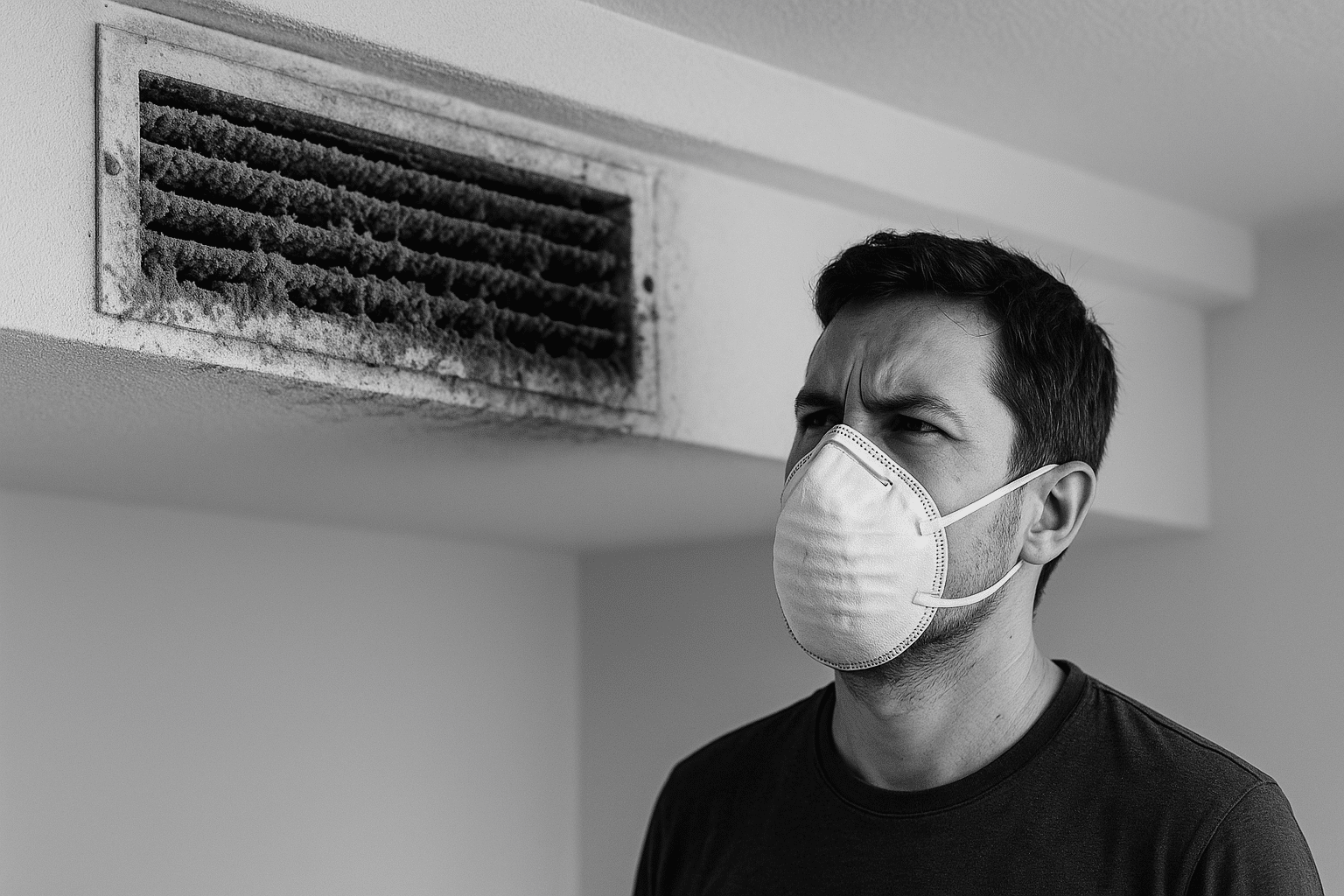
Mold growth within school HVAC systems is often the result of excess moisture and poor ventilation. Mold spores are easily dispersed through air circulation and can lead to respiratory issues among occupants. Proper mold management requires regular cleaning and moisture control.
Pollen
Outdoor pollen can enter school buildings via open windows or poorly sealed HVAC systems, especially during spring and fall seasons. While less common indoors than dust mites or mold spores, it remains an allergen to be aware of in school environments.
Pet Dander
Even in pet-free schools, dander can still enter the building through open windows or ventilation systems. This allergen is particularly problematic for students and staff with allergies, as it can trigger severe reactions.
Airborne Contaminants: Identifying Common Allergens In – Mold Growth Prevention Strategies in School HVAC Systems
Mold growth within school HVAC systems not only poses health risks but also reduces the overall efficiency of the system. Effective mold prevention strategies include regular cleaning and maintenance, proper ventilation, and addressing moisture issues promptly.
Regular Maintenance
Performing routine inspections and cleaning of HVAC components can help prevent the accumulation of organic matter that supports mold growth. This includes coil cleaning, drain pan flushing, and ductwork sanitation. This relates directly to Airborne Contaminants: Identifying Common Allergens In.
Proper Ventilation
Maintaining adequate ventilation helps reduce humidity levels within the school, making it less favorable for mold growth. Proper sealing of windows and doors during rainy seasons can also minimize moisture ingress.
Addressing Moisture Issues
Identifying and addressing any sources of water leakage or condensation is crucial in preventing mold proliferation. This may involve repairing leaks, improving insulation, or installing dehumidifiers as needed.
Indoor Air Quality Monitoring Tools for Schools: A Comprehensive Guide
Monitoring indoor air quality (IAQ) is essential in identifying airborne contaminants and ensuring a healthy environment. Various tools are available to assess IAQ, including portable air quality sensors, HVAC diagnostics, and regular air sampling.
Air Quality Sensors
Portable air quality sensors can detect particulate matter, carbon dioxide levels, and volatile organic compounds (VOCs) in real-time. These tools are particularly useful for identifying allergens during allergy seasons or high-occupancy periods.
HVAC Diagnostic Tools
Using HVAC diagnostic tools helps identify issues within the system that may contribute to poor IAQ, such as dirty filters, malfunctioning fans, or inadequate airflow. Regularly servicing and maintaining these components can improve overall air quality.
Air Sampling
Air sampling involves collecting samples of airborne particles for laboratory analysis. This method is particularly useful for identifying specific allergens like mold spores or pollen that may be contributing to IAQ issues in the school environment. When considering Airborne Contaminants: Identifying Common Allergens In, this becomes clear.
Humidity Control Techniques to Combat Mold in School
Controlling humidity levels within schools is a critical factor in preventing mold growth. Implementing effective humidity control techniques can significantly reduce the risk of mold proliferation and improve indoor air quality.
Dehumidification Systems
Installing dehumidifiers in high-risk areas, such as classrooms or storage rooms, can help maintain optimal humidity levels. These systems remove excess moisture from the air, making it less hospitable for mold growth.
Ventilation Improvements
Improving ventilation through the installation of energy-efficient windows and doors can enhance airflow and reduce indoor humidity. Proper sealing during rainy seasons can also prevent water intrusion and subsequent mold growth.
Insulation Upgrades
Upgrading insulation in school buildings can help regulate temperature and humidity levels, reducing the likelihood of condensation and moisture accumulation. This is particularly important for older or poorly insulated structures.
Expert Tips for Managing Airborne Contaminants in Schools
To effectively manage airborne contaminants in schools, it’s essential to implement a combination of preventive measures and regular maintenance practices. Here are some practical tips from an AC cleaning and disinfection specialist:
- Regular Inspections: Schedule routine inspections of HVAC systems to identify potential issues before they escalate into health hazards.
- Professional Cleaning: Engage professional services for deep cleaning and disinfection of ductwork, coils, and other components. This ensures thorough removal of allergens and contaminants.
- Humidity Control: Utilize dehumidifiers and improve ventilation to maintain optimal indoor humidity levels. Aim for a relative humidity level between 30% and 50% to discourage mold growth.
- Regular Maintenance: Replace HVAC filters regularly, typically every three months or as recommended by the manufacturer. Clean drain pans and coils at least twice a year to prevent water accumulation.
Frequently Asked Questions (FAQ)
Here are some common questions regarding airborne contaminants in school HVAC systems:
- Q: How often should I inspect my school’s HVAC system for mold?
A: Inspections should be conducted at least once a year, and more frequently if there have been water leaks or high humidity issues. The importance of Airborne Contaminants: Identifying Common Allergens In is evident here.
- Q: Can using air purifiers help reduce allergens in school HVAC systems?
A: Yes, air purifiers can be effective at removing particulate matter and certain allergens from the air. However, they should be used in conjunction with proper HVAC maintenance.
- Q: Are there specific products I should use to clean my school’s HVAC system?
A: Use human-safe disinfectants and cleaning agents specifically designed for HVAC systems. Always follow the manufacturer’s instructions to ensure safety and efficacy.
Conclusion: Key Takeaways on Airborne Contaminants in School HVAC Systems
Understanding and managing airborne contaminants in school HVAC systems is crucial for maintaining a healthy indoor environment. By identifying common allergens such as dust mites, mold spores, pollen, and pet dander, implementing preventive strategies like regular maintenance and humidity control, and utilizing appropriate monitoring tools, schools can significantly reduce the risks associated with poor air quality.
For more information on how to improve indoor air quality in your school or property, contact Tristan J.P Larsen.
—
TAGS—
Airborne Contaminants, Allergens in HVAC Systems, Mold Growth Prevention, Indoor Air Quality Monitoring, Humidity Control Techniques
—
ALT_TEXT—
Airborne Contaminants: Identifying Common Allergens in School HVAC Systems – An expert discusses the sources and management of airborne contaminants in school air conditioning systems.


Leave a Reply