

In Reducing Indoor Air: Benefits Of High-efficiency Filters
—
TITLE—
The Benefits of High-Efficiency Filters in Reducing Indoor Air Pollution in Dubai
—
META—
Improve indoor air quality and reduce allergens with high-efficiency filters.
—
EXCERPT—
Understanding the importance of high-efficiency filters in reducing indoor air pollution is crucial, especially in a climate like Dubai’s. This article explores how these filters can drastically improve your living environment, providing relief from dust, allergens, and other pollutants.
—
CONTENT—
Introduction to High-Efficiency Filters
Contents
- 1 Introduction to High-Efficiency Filters
- 2 Understanding Benefits of High-Efficiency Filters in Reducing Indoor Air
- 3 Benefits Of High-efficiency Filters In Reducing Indoor Air – How High-Efficiency Filters Work
- 4 Benefits Of High-efficiency Filters In Reducing Indoor Air – Benefits for Different Environments
- 5 Choosing the Right Filter
- 6 Advanced Filtration Technologies for Optimal Air Quality in Dubai
- 7 Common Mistakes to Avoid When Selecting Filters
- 8 Real-World Examples of High-Efficiency Filter Success
- 9 Expert Tips for Optimal Indoor Air Quality
- 10 FAQ Section
- 11 Conclusion: Why High-Efficiency Filters Matter in Dubai
Indoor air quality (IAQ) is a significant concern in the UAE, particularly in Dubai. Year-round air conditioning usage, combined with high levels of dust and humidity, can lead to an accumulation of pollutants within your home or workplace. This article delves into how high-efficiency filters play a pivotal role in reducing these indoor contaminants, thereby improving overall IAQ.
Understanding Benefits of High-Efficiency Filters in Reducing Indoor Air
High-efficiency filters, often referred to as HEPA (High Efficiency Particulate Air) or MERV (Minimum Efficiency Reporting Value) filters, are designed to capture fine particles such as dust, pollen, mold spores, and even certain bacteria. In Dubai’s climate, where year-round AC usage is the norm, these filters can significantly reduce allergens and improve overall IAQ.
Reduction of Allergens
Allergens are a significant cause of discomfort for many residents in Dubai. High-efficiency filters can trap 90-99% of particles as small as 0.3 microns, effectively reducing allergic reactions and respiratory issues such as asthma. This relates directly to Benefits Of High-efficiency Filters In Reducing Indoor Air.
Benefits Of High-efficiency Filters In Reducing Indoor Air – How High-Efficiency Filters Work
High-efficiency filters work by passing air through a fine mesh or pleated material that captures airborne particles. They operate in two main ways: mechanical filtration and electrostatic attraction. Mechanical filters physically trap particles, while electrostatic filters use an electric charge to attract and hold particles.
Mechanical Filtration
These filters are typically made of fibrous materials like synthetic fiber or paper that create a physical barrier for particles. As air passes through the filter, particles stick to the fibers due to size and shape compatibility.
Electrostatic Filtration
In electrostatic filters, an electric charge is applied to the filter material, which then attracts charged particles in the air. This method is highly effective but requires regular maintenance of the charging device.
Benefits Of High-efficiency Filters In Reducing Indoor Air – Benefits for Different Environments
High-efficiency filters are beneficial in various environments, including residential villas and high-rise apartments, offices, nurseries, and medical facilities. Their effectiveness varies slightly depending on the filter type and the environment’s specific needs.
Villas and High-Rise Apartments
In these settings, high-efficiency filters can reduce allergens from outdoor dust and pollen that seep through AC systems. They provide a cleaner living space for families with children or elderly residents who may be more susceptible to respiratory issues.
Offices and Business Centers
For businesses, high-efficiency filters not only improve IAQ but also reduce the spread of airborne viruses, ensuring a healthier working environment. This is particularly important in Dubai’s crowded urban areas where air quality can fluctuate rapidly.
Choosing the Right Filter
Selecting the right filter involves understanding both MERV ratings and HEPA standards. A higher MERV rating indicates better filtration, but it also means increased resistance to airflow. HEPA filters are more effective at capturing smaller particles. When considering Benefits Of High-efficiency Filters In Reducing Indoor Air, this becomes clear.
MERV Ratings
HEPA filters have a minimum efficiency of 99.97% for particles as small as 0.3 microns, while MERV ratings range from 1-20. Filters with higher numbers are better suited for environments where air quality is a priority.
Filter Selection
Consider the specific needs of your environment. For instance, medical facilities may require HEPA filters due to their high-efficiency standards, while residential homes can benefit from MERV 16 or higher filters for basic IAQ improvement.
Advanced Filtration Technologies for Optimal Air Quality in Dubai
Advancements in filter technology offer enhanced performance and efficiency. Some advanced technologies include:
Air Scrubbers
Air scrubbers use a combination of filters, electrostatic precipitators, and sometimes UV lights to clean the air. They are particularly useful in environments where allergies or asthma are prevalent.
Activated Carbon Filters
These filters are excellent for removing volatile organic compounds (VOCs) and odors from the air. While they do not capture particles as effectively, they complement other filtration methods by addressing odor issues.
Common Mistakes to Avoid When Selecting Filters
Selecting the wrong filter can lead to suboptimal performance and unnecessary expenses. Here are some common mistakes to avoid:
Overlooking MERV Ratings
Choosing a filter with too low of a MERV rating will not effectively reduce indoor pollutants, while selecting one that is too high can restrict airflow and increase energy costs. The importance of Benefits Of High-efficiency Filters In Reducing Indoor Air is evident here.
Neglecting Regular Maintenance
Even the best filters require regular cleaning or replacement. Neglecting this can lead to reduced efficiency and potential damage to your HVAC system.
Real-World Examples of High-Efficiency Filter Success
Case studies from various locations in Dubai demonstrate the effectiveness of high-efficiency filters:
Nursery School Case Study
A local nursery school saw a significant reduction in respiratory issues among students after installing HEPA filters. This improved both attendance rates and overall well-being.
Expert Tips for Optimal Indoor Air Quality
Here are some practical tips to ensure the best results from your high-efficiency filters:
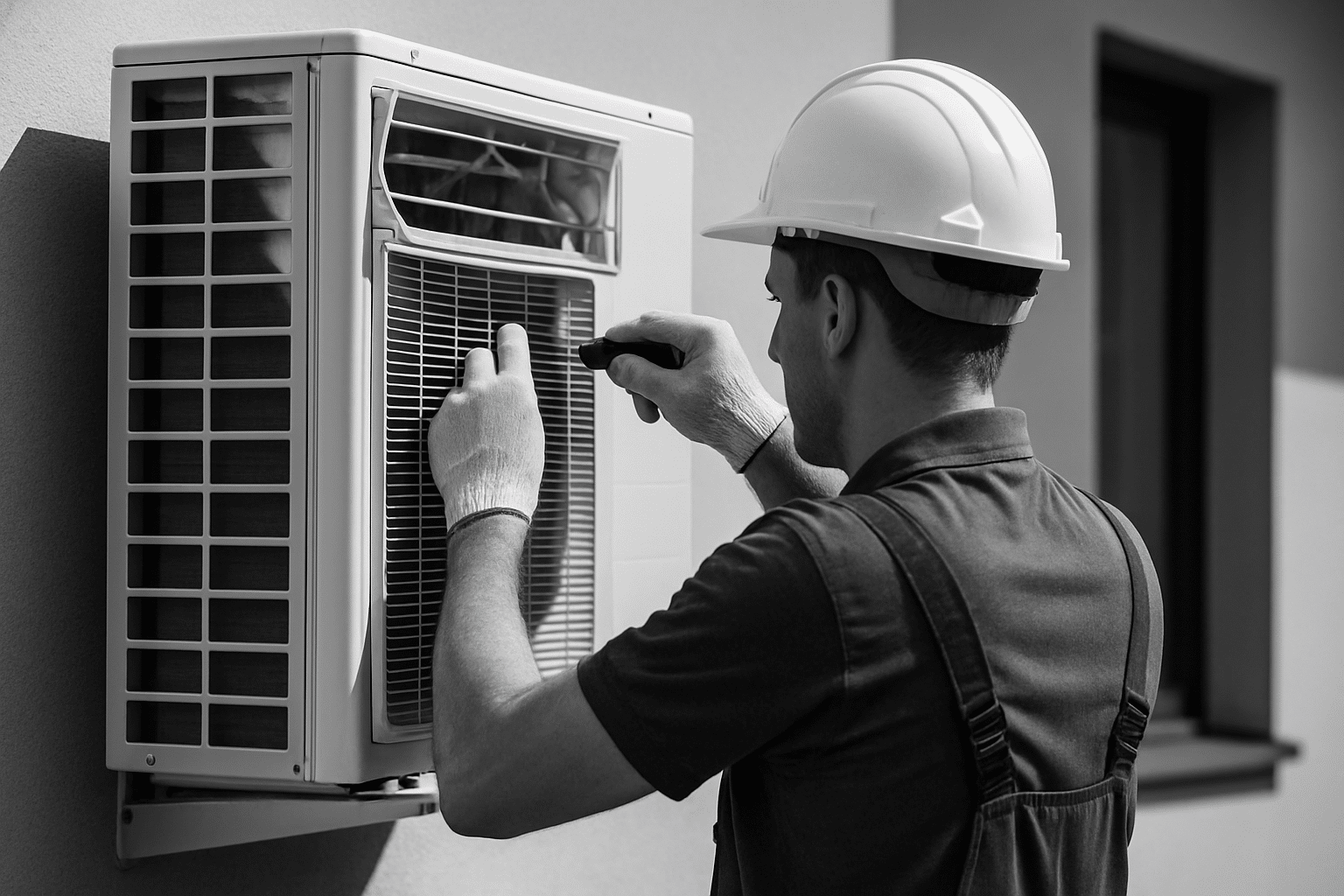
- Consult a professional: An HVAC specialist can recommend the most suitable filter type and perform regular maintenance checks.
- Replace filters regularly: Follow the manufacturer’s guidelines for replacing or cleaning filters to maintain optimal performance.
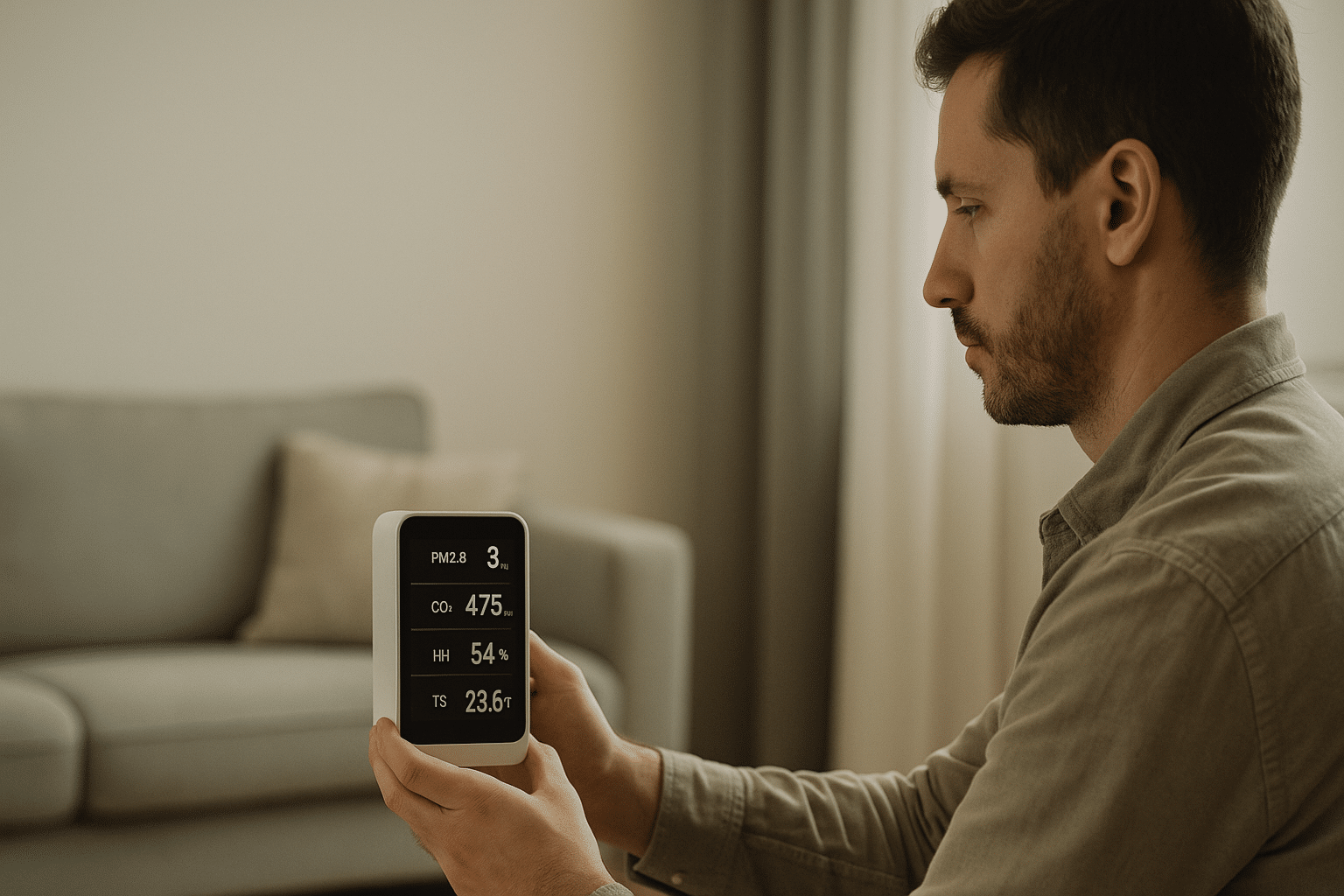
- Monitor air quality: Use IAQ monitoring devices to track improvements and make necessary adjustments.
FAQ Section
Frequently asked questions about high-efficiency filters:
- Do high-efficiency filters reduce energy consumption?
- Are all HEPA filters the same, or are there variations in quality?
- Can I use multiple layers of filters for better performance?
Conclusion: Why High-Efficiency Filters Matter in Dubai
In conclusion, high-efficiency filters are an essential tool for improving indoor air quality in the UAE. They provide significant health benefits by reducing allergens and pollutants, making them a worthwhile investment for any property or environment. By choosing the right filter type and maintaining it properly, you can ensure that your living space is clean, healthy, and comfortable year-round.
—
ALT_TEXT—
Benefits of High-Efficiency Filters in Reducing Indoor Air – A professional HVAC specialist discussing high-efficiency filters.


Leave a Reply