Optimal Air Quality In: Advanced Filtration Technologies For
Introduction
Contents
- 1 Introduction
- 2 Understanding Advanced Filtration Technologies for Optimal Air Quality in Abu Dhabi
- 3 Advanced Filtration Technologies For Optimal Air Quality In – Types of Filters and Their Applications
- 4 Advanced Filtration Technologies For Optimal Air Quality In – Benefits of High-Efficiency Filters in Reducing Indoor Air P
- 5 Choosing the Right Filter for Your HVAC System
- 6 Real-World Applications and Case Studies of Advanced Filtration Technologies
- 7 Expert Tips for Optimal Air Quality in Abu Dhabi
- 8 FAQ Section: Common Questions About Filtration Technologies
- 9 Conclusion
Understanding Advanced Filtration Technologies For Optimal Air Quality In is essential. Advanced filtration technologies are essential tools for enhancing indoor air quality (IAQ) in various settings, including homes, offices, and public buildings. In Abu Dhabi, where the climate poses unique challenges such as high humidity and desert dust, these technologies become even more critical. This article delves into the latest innovations in filtration systems and explains how they can benefit your environment.
Understanding Advanced Filtration Technologies for Optimal Air Quality in Abu Dhabi
Advanced filtration technologies are designed to trap microscopic particles, allergens, and other contaminants that conventional filters might miss. These systems often incorporate multiple stages of filtration, each addressing specific pollutants. In Abu Dhabi’s climate, which experiences high humidity and frequent dust storms, these advanced technologies can significantly improve indoor air quality.
Multiple Filtration Stages
Many modern systems use a multi-stage approach to filtration, starting with coarse filters that remove larger particles like pollen and lint. These are followed by finer filters, such as HEPA (High-Efficiency Particulate Air) filters, which capture even smaller pollutants. Activated carbon filters can further purify the air by removing odors and volatile organic compounds (VOCs).
Humidity Control
Abu Dhabi’s humid climate necessitates filtration systems that can also manage moisture levels. Some advanced technologies include dehumidification capabilities, ensuring that excess moisture is removed to prevent mold growth and other health hazards. This relates directly to Advanced Filtration Technologies For Optimal Air Quality In.
Advanced Filtration Technologies For Optimal Air Quality In – Types of Filters and Their Applications
Understanding the different types of filters available is crucial for selecting the right system for your environment. Here are some common types used in advanced filtration technologies:
- HEPA Filters: Effective at capturing 99.97% of airborne particles as small as 0.3 microns, making them ideal for allergy sufferers and those concerned about particulate matter.
- Pleated Filters: These filters have a larger surface area than flat filters, allowing them to trap more pollutants without significantly reducing airflow.
- Electrostatic Precipitators (ESPs): Using static electricity to attract and hold particles, these filters are effective for capturing smaller dust particles and can be used in conjunction with other filtration types.
- Activated Carbon Filters: These filters use activated carbon granules or fibers to adsorb and remove odors, gases, and volatile organic compounds (VOCs).
Advanced Filtration Technologies For Optimal Air Quality In – Benefits of High-Efficiency Filters in Reducing Indoor Air P
High-efficiency filters offer numerous benefits for residents and businesses in Abu Dhabi:
- Allergy Relief: By removing allergens like pollen, dust mites, and pet dander, high-efficiency filters can significantly alleviate allergy symptoms.
- Better Health: Advanced filtration technologies help reduce the concentration of harmful pollutants, which is particularly important in areas with high humidity and frequent dust storms.
- Improved Comfort: Cleaner air can lead to better overall comfort levels, making your home or office more pleasant to be in.
Choosing the Right Filter for Your HVAC System
Selecting the appropriate filter is crucial for optimal performance and efficiency. Here are some key factors to consider:
- Filter Size Compatibility: Ensure that your selected filters fit correctly within your HVAC system to maintain proper airflow.
- Filtration Efficiency Rating (MERV): Look for filters with a high MERV rating, such as MERV 13 or higher, which can trap smaller particles effectively.
- Filter Lifespan: High-quality filters typically have longer lifespans and are more cost-effective in the long run. Consider both initial purchase price and replacement costs.
Real-World Applications and Case Studies of Advanced Filtration Technologies
Several case studies demonstrate the effectiveness of advanced filtration technologies in Abu Dhabi:
Case Study: Schools
A study conducted in Abu Dhabi’s public schools found that installing HEPA filters and activated carbon filters reduced asthma-related absences by 25% over a six-month period. This improvement can be attributed to the reduction in allergens and pollutants within classrooms.
Case Study: Offices
At the Abu Dhabi Global Market, an integrated filtration system was installed that included multiple stages of filtration, dehumidification, and advanced carbon filters. The result was a 40% decrease in sick leave days among employees, contributing to increased productivity. When considering Advanced Filtration Technologies For Optimal Air Quality In, this becomes clear.
Expert Tips for Optimal Air Quality in Abu Dhabi
Here are some expert tips to help you maintain optimal air quality in your home or office:
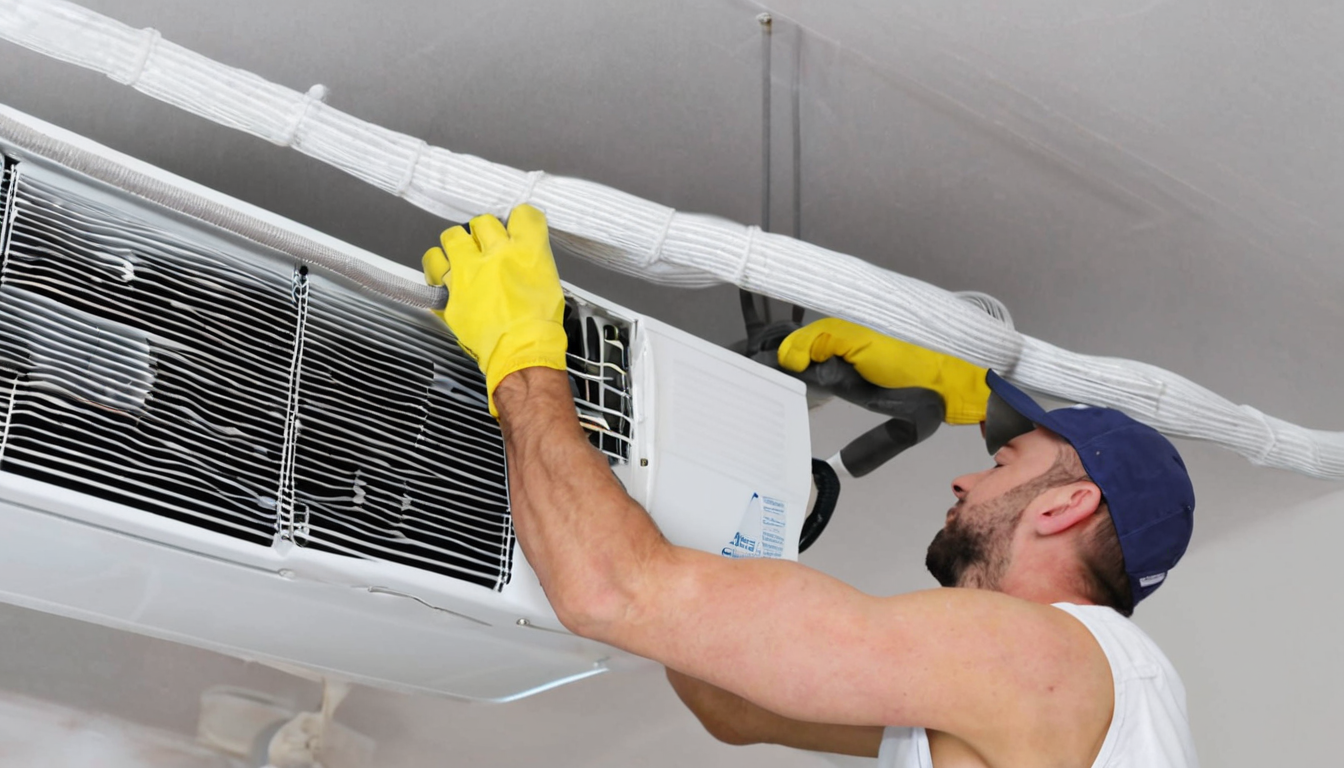
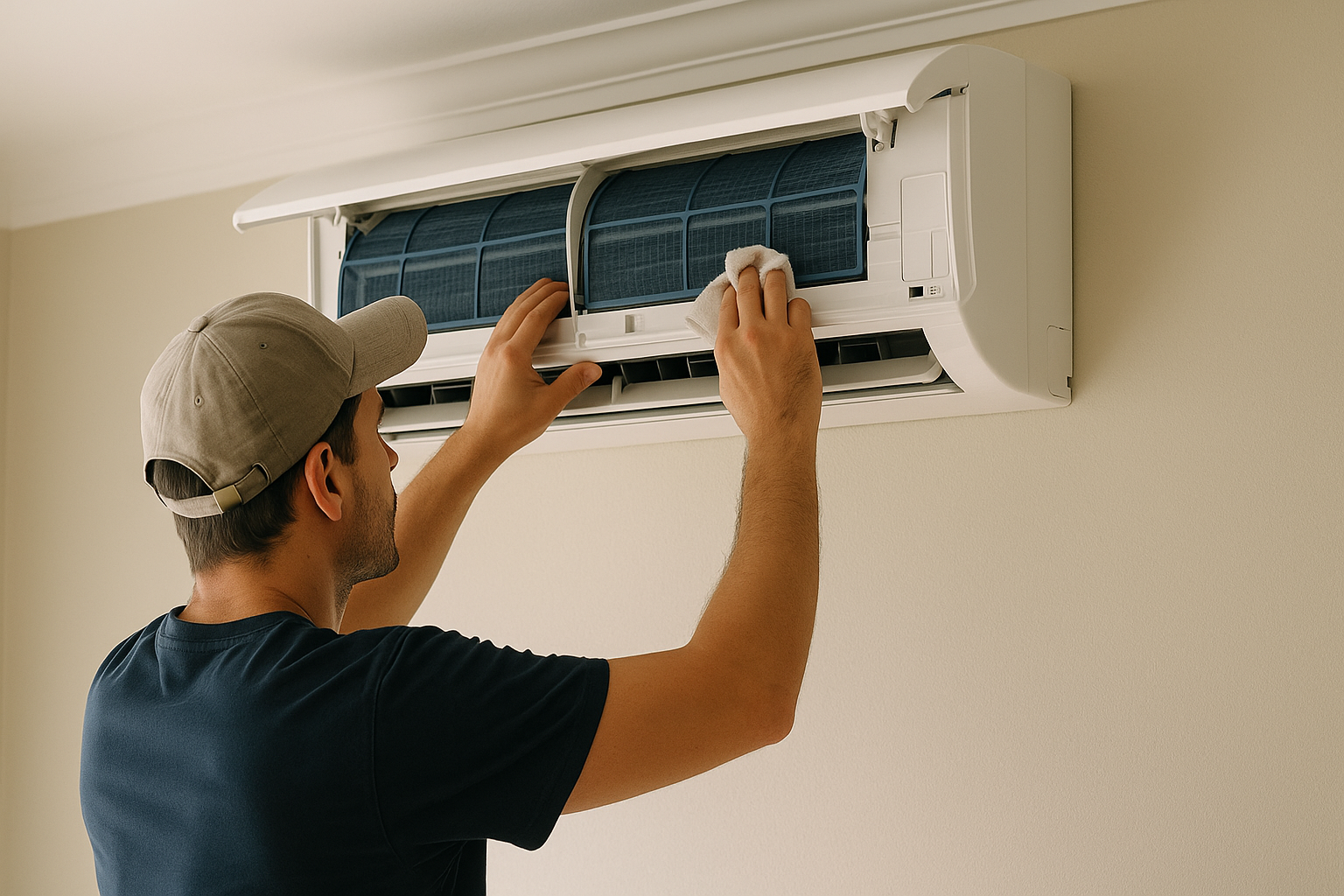
- Clean Regularly: Regularly clean and replace filters according to the manufacturer’s recommendations. Dirty filters can reduce their effectiveness.
- Maintain Humidity Levels: Use dehumidifiers to keep indoor humidity levels between 30-50%. This helps prevent mold growth and reduces allergen proliferation.
- Avoid Smoking Indoors: Smoking indoors can significantly degrade air quality. Encourage smokers to step outside for their breaks.
- Monitor Air Quality: Use air quality monitors to track indoor pollutants and make adjustments as needed.
FAQ Section: Common Questions About Filtration Technologies
Here are answers to some frequently asked questions about filtration technologies:
- Q: Do advanced filters require more maintenance? A: While higher-quality filters may have a slightly higher initial cost, they often last longer and can save on energy costs over time due to improved efficiency.
- Q: Are all HEPA filters the same? A: No. Look for genuine HEPA filters that meet strict standards. Some filters claim to be HEPA-like but may not perform as well.
- Q: Can advanced filtration technologies improve air quality in high-humidity environments like Abu Dhabi? A: Yes, many advanced systems include dehumidification capabilities specifically designed for humid climates, ensuring better overall air quality.
Conclusion
In conclusion, advanced filtration technologies are essential tools for maintaining optimal indoor air quality in Abu Dhabi’s challenging climate. By understanding the types of filters available and their applications, you can make informed decisions to improve your living or working environment. Regular maintenance and monitoring will ensure that these systems continue to provide clean, healthy air. Understanding Advanced Filtration Technologies For Optimal Air Quality In is key to success in this area.