Ac Ducts In Commercial: Deep Cleaning Techniques For
—
Introduction to Deep Cleaning Techniques for AC Ducts in Commercial Buildings
Contents
- 1 Introduction to Deep Cleaning Techniques for AC Ducts in Commercial Buildings
- 2 Benefits of Deep Cleaning Techniques for AC Ducts in Commercial Buildings
- 3 Dry vs Wet Methods: Comparison and Selection
- 4 Air Pressure System Techniques
- 5 Chemical Disinfection Procedures
- 6 HEPA Filter and Negative Pressure Methods
- 7 Combining Techniques for Better Results
- 8 Expert Tips and Best Practices
- 9 Frequently Asked Questions (FAQs)
- 10 Conclusion on Deep Cleaning Techniques for AC Ducts in Commercial Buildings
- 11 Introduction to Deep Cleaning Techniques for AC Ducts in Commercial Buildings
- 12 Benefits of Deep Cleaning Techniques for AC Ducts in Commercial Buildings
- 13 Dry vs Wet Methods: Comparison and Selection
- 14 Air Pressure System Techniques
- 15 Chemical Disinfection Procedures
- 16 HEPA Filter and Negative Pressure Methods
- 17 Combining Techniques for Better Results
- 18 Expert Tips and Best Practices
- 19 Frequently Asked Questions (FAQs)
- 20 Conclusion on Deep Cleaning Techniques for AC Ducts in Commercial Buildings
- 21 Introduction to Deep Cleaning Techniques for AC Ducts in Commercial Buildings
- 22 Benefits of Deep Cleaning Techniques for AC Ducts in Commercial Buildings
- 23 Dry vs Wet Methods: Comparison and Selection
- 24 Air Pressure System Techniques
- 25 Chemical Disinfection Procedures
- 26 HEPA Filter and Negative Pressure Methods
- 27 Combining Techniques for Better Results
- 28 Expert Tips and Best Practices
In commercial buildings, such as offices and high-rise apartments, the quality of indoor air is crucial. Poor air quality can lead to a range of health issues among employees and visitors. This article explores various deep cleaning techniques for AC ducts that can help maintain optimal indoor air quality.
Benefits of Deep Cleaning Techniques for AC Ducts in Commercial Buildings
Deep cleaning AC ducts offers numerous benefits, including the removal of accumulated dust and debris, which can improve airflow efficiency. This process also helps eliminate mold growth and bacterial colonies that can thrive in humid conditions common to commercial spaces.
Improved Air Quality
By removing contaminants from AC ducts, deep cleaning ensures cleaner air circulating through the building. This is particularly important for allergy-sensitive individuals and those with respiratory issues.
Reduced Energy Costs
A clean AC system operates more efficiently, reducing energy consumption and lowering utility bills. Proper maintenance can extend the lifespan of HVAC systems, saving money on replacements. This relates directly to Deep Cleaning Techniques For Ac Ducts In Commercial.
Dry vs Wet Methods: Comparison and Selection
Commercial buildings often require a combination of dry and wet cleaning methods to achieve comprehensive duct cleaning.
Dry Cleaning Techniques
- Vacuuming: Using high-powered vacuums to remove debris from the interior surfaces of AC ducts. This method is less invasive and suitable for regular maintenance.
- Brushes and Blower Systems: Employing brushes and blowers to dislodge and collect dust, fibers, and other particles from the ductwork.
Wet Cleaning Techniques
- Rinse-and-Vacuum: Utilizing water to rinse the interior of AC ducts followed by thorough vacuuming. This method is effective for removing stubborn residues but requires proper drying.
- Mist and Suction Systems: Introducing a mist of cleaning solution into the ductwork, which is then suctioned out along with contaminants. Suitable for heavily soiled systems.
Air Pressure System Techniques
Air pressure systems can be used to flush out debris and push air through the AC ducts more effectively, ensuring thorough cleaning without water usage.
Positive and Negative Air Pressure
- Positive Air Pressure: Using a blower to pressurize the system and force debris out. This method is less effective for deep cleaning but can be used in conjunction with other techniques.
- Negative Air Pressure: Creating a vacuum that sucks contaminants out of the AC ducts, ensuring a thorough clean without causing damage to the system.
Chemical Disinfection Procedures
To kill bacteria and fungi, chemical disinfectants are often applied during deep cleaning. Proper selection and application of these chemicals is crucial for both efficacy and safety. Deep Cleaning Techniques For Ac Ducts In Commercial factors into this consideration.
Antibacterial and Antifungal Solutions
- Biocides: Chemicals that target biological contaminants, effectively killing bacteria and mold. These should be used according to manufacturer guidelines.
- Iodophors and Quaternary Ammonium Compounds (QACs): Common disinfectants known for their broad-spectrum activity against a wide range of microorganisms.
HEPA Filter and Negative Pressure Methods
The use of HEPA filters in conjunction with negative pressure systems can provide an effective solution for deep cleaning AC ducts while minimizing contamination risks.
HEPA Filter Usage
- Pre-Filters: Installing pre-filters to capture larger particles before they reach the HEPA filter, prolonging its lifespan and reducing maintenance needs.
- Post-Filters: Using HEPA filters at the end of the cleaning process to ensure fine particulates are captured, improving overall air quality.
Combining Techniques for Better Results
To achieve optimal results, it’s often necessary to combine multiple techniques. This approach ensures a thorough clean while addressing specific areas of concern within the AC ducts. When considering Deep Cleaning Techniques For Ac Ducts In Commercial, this becomes clear.
Multi-Step Cleanings
- Initial Dry Cleaning: Using brushes and blowers to loosen and remove surface debris.
- Secondary Wet Cleaning: Applying a cleaning solution followed by thorough vacuuming. This step ensures that any remaining contaminants are effectively removed.
- Disinfection with HEPA Filters: Utilizing negative pressure systems to suction out contaminants while using HEPA filters to capture fine particles and provide clean air.
Expert Tips and Best Practices
To ensure effective deep cleaning of AC ducts in commercial buildings, follow these expert tips:
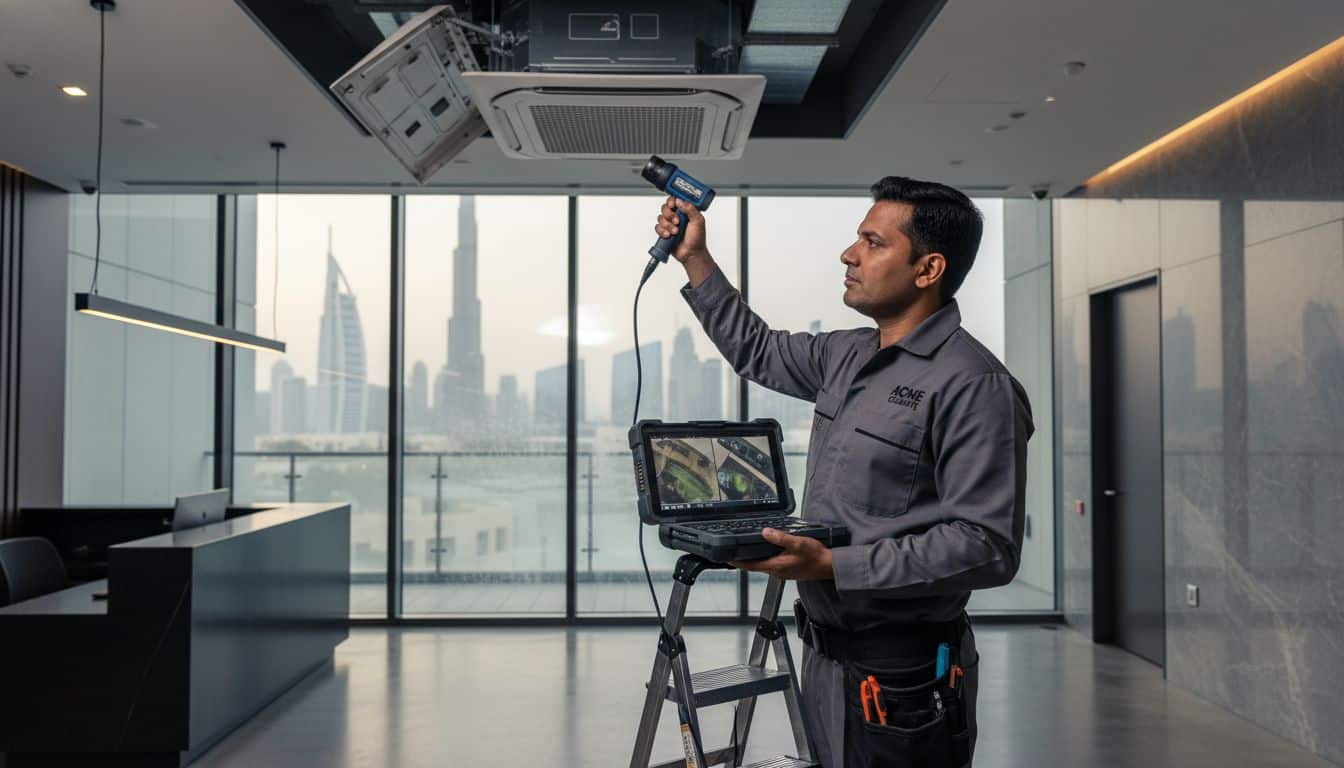
- Pre-Cleaning Inspection: Conduct a thorough inspection before starting the cleaning process to identify areas that require special attention.
- Dry and Wet Methods: Combine dry and wet methods for comprehensive cleaning. Dry techniques can be used initially, followed by wet methods for stubborn residues.
- HEPA Filter Usage: Install HEPA filters at the end of the process to capture fine particulates and improve overall air quality.
- Avoid Damage: Be cautious during cleaning to avoid damaging the AC ducts or other components, which could lead to costly repairs.
- Regular Maintenance: Establish a regular maintenance schedule to prevent buildup of contaminants and ensure long-term efficiency of HVAC systems.
Frequently Asked Questions (FAQs)
- Q: How often should AC ducts be cleaned in commercial buildings?
- A: In Dubai, it’s recommended to perform deep cleaning every 1-3 years depending on the usage and environment. Regular maintenance inspections can help determine the specific schedule.
- Q: Are chemical disinfectants safe for use in commercial HVAC systems?
- A: Yes, when used according to manufacturer guidelines. Ensure proper ventilation and follow all safety precautions to minimize risks.
- Q: Can DIY cleaning methods be effective?
- A: While DIY methods can be useful for minor cleanings, professional deep cleaning is recommended for comprehensive results. Professional cleaners have the expertise and equipment to handle complex issues.
This relates directly to Deep Cleaning Techniques For Ac Ducts In Commercial.
Conclusion on Deep Cleaning Techniques for AC Ducts in Commercial Buildings
Deep cleaning techniques are essential for maintaining optimal indoor air quality in commercial buildings. By combining various methods, such as dry and wet cleaning, chemical disinfection, and HEPA filter usage, it’s possible to achieve a thorough clean that improves both comfort and efficiency of HVAC systems. Regular maintenance and professional inspections can help ensure long-term hygiene and performance. The importance of Deep Cleaning Techniques For Ac Ducts In Commercial is evident here.
—
Introduction to Deep Cleaning Techniques for AC Ducts in Commercial Buildings
Deep cleaning techniques are essential for maintaining optimal indoor air quality in commercial buildings, including offices and high-rise apartments. Poor air quality can have significant health impacts on employees and visitors, making regular maintenance crucial.
Benefits of Deep Cleaning Techniques for AC Ducts in Commercial Buildings
Deep cleaning offers several benefits that enhance indoor air quality and system efficiency. These include the removal of dust, debris, mold, and bacteria from AC ducts, which can improve airflow and reduce energy costs. Understanding Deep Cleaning Techniques For Ac Ducts In Commercial helps with this aspect.
Improved Air Quality
By removing contaminants from AC ducts, deep cleaning ensures cleaner air circulating through the building. This is particularly important for allergy-sensitive individuals and those with respiratory issues.
Reduced Energy Costs
A clean AC system operates more efficiently, reducing energy consumption and lowering utility bills. Proper maintenance can extend the lifespan of HVAC systems, saving money on replacements.
Dry vs Wet Methods: Comparison and Selection
Commercial buildings often require a combination of dry and wet cleaning methods to achieve comprehensive duct cleaning.
Dry Cleaning Techniques
- Vacuuming: Using high-powered vacuums to remove debris from the interior surfaces of AC ducts. This method is less invasive and suitable for regular maintenance.
- Brushes and Blower Systems: Employing brushes and blowers to dislodge and collect dust, fibers, and other particles from the ductwork.
Wet Cleaning Techniques
- Rinse-and-Vacuum: Utilizing water to rinse the interior of AC ducts followed by thorough vacuuming. This method is effective for removing stubborn residues but requires proper drying.
- Mist and Suction Systems: Introducing a mist of cleaning solution into the ductwork, which is then suctioned out along with contaminants. Suitable for heavily soiled systems.
Air Pressure System Techniques
Air pressure systems can be used to flush out debris and push air through the AC ducts more effectively, ensuring thorough cleaning without water usage.
Positive and Negative Air Pressure
- Positive Air Pressure: Using a blower to pressurize the system and force debris out. This method is less effective for deep cleaning but can be used in conjunction with other techniques.
- Negative Air Pressure: Creating a vacuum that sucks contaminants out of the AC ducts, ensuring a thorough clean without causing damage to the system.
Chemical Disinfection Procedures
To kill bacteria and fungi, chemical disinfectants are often applied during deep cleaning. Proper selection and application of these chemicals is crucial for both efficacy and safety.
Antibacterial and Antifungal Solutions
- Biocides: Chemicals that target biological contaminants, effectively killing bacteria and mold. These should be used according to manufacturer guidelines.
- Iodophors and Quaternary Ammonium Compounds (QACs): Common disinfectants known for their broad-spectrum activity against a wide range of microorganisms.
HEPA Filter and Negative Pressure Methods
The use of HEPA filters in conjunction with negative pressure systems can provide an effective solution for deep cleaning AC ducts while minimizing contamination risks.
HEPA Filter Usage
- Pre-Filters: Installing pre-filters to capture larger particles before they reach the HEPA filter, prolonging its lifespan and reducing maintenance needs.
- Post-Filters: Using HEPA filters at the end of the cleaning process to ensure fine particulates are captured, improving overall air quality.
Combining Techniques for Better Results
To achieve optimal results, it’s often necessary to combine multiple techniques. This approach ensures a thorough clean while addressing specific areas of concern within the AC ducts.
Multi-Step Cleanings
- Initial Dry Cleaning: Using brushes and blowers to loosen and remove surface debris.
- Secondary Wet Cleaning: Applying a cleaning solution followed by thorough vacuuming. This step ensures that any remaining contaminants are effectively removed.
- Disinfection with HEPA Filters: Utilizing negative pressure systems to suction out contaminants while using HEPA filters to capture fine particles and provide clean air.
Expert Tips and Best Practices
To ensure effective deep cleaning of AC ducts in commercial buildings, follow these expert tips:
- Pre-Cleaning Inspection: Conduct a thorough inspection before starting the cleaning process to identify areas that require special attention.
- Dry and Wet Methods: Combine dry and wet methods for comprehensive cleaning. Dry techniques can be used initially, followed by wet methods for stubborn residues.
- HEPA Filter Usage: Install HEPA filters at the end of the process to capture fine particulates and improve overall air quality.
- Avoid Damage: Be cautious during cleaning to avoid damaging the AC ducts or other components, which could lead to costly repairs.
- Regular Maintenance: Establish a regular maintenance schedule to prevent buildup of contaminants and ensure long-term efficiency of HVAC systems.
Frequently Asked Questions (FAQs)
- Q: How often should AC ducts be cleaned in commercial buildings?
- A: In Dubai, it’s recommended to perform deep cleaning every 1-3 years depending on the usage and environment. Regular maintenance inspections can help determine the specific schedule.
- Q: Are chemical disinfectants safe for use in commercial HVAC systems?
- A: Yes, when used according to manufacturer guidelines. Ensure proper ventilation and follow all safety precautions to minimize risks.
- Q: Can DIY cleaning methods be effective?
- A: While DIY methods can be useful for minor cleanings, professional deep cleaning is recommended for comprehensive results. Professional cleaners have the expertise and equipment to handle complex issues.
Conclusion on Deep Cleaning Techniques for AC Ducts in Commercial Buildings
Deep cleaning techniques are essential for maintaining optimal indoor air quality in commercial buildings. By combining various methods, such as dry and wet cleaning, chemical disinfection, and HEPA filter usage, it’s possible to achieve a thorough clean that improves both comfort and efficiency of HVAC systems. Regular maintenance and professional inspections can help ensure long-term hygiene and performance.
—
Deep cleaning techniques are essential for maintaining optimal indoor air quality in commercial buildings. This guide covers various methods, benefits, and best practices to improve the efficiency and hygiene of HVAC systems.
Introduction to Deep Cleaning Techniques for AC Ducts in Commercial Buildings
In commercial settings like offices and high-rise apartments, regular deep cleaning is crucial. Poor air quality can have significant health impacts on employees and visitors, making thorough maintenance a priority.
Benefits of Deep Cleaning Techniques for AC Ducts in Commercial Buildings
Regular deep cleaning improves indoor air quality, reduces energy costs, and extends the lifespan of HVAC systems. This process removes dust, debris, mold, and bacteria from AC ducts.
Improved Air Quality
Deep cleaning ensures cleaner air circulation, benefiting allergy-sensitive individuals and those with respiratory issues.
Reduced Energy Costs
A clean system operates more efficiently, reducing energy bills. Regular maintenance can extend HVAC lifespan, saving on replacement costs.
Dry vs Wet Methods: Comparison and Selection
Combining dry and wet cleaning methods is often necessary for thorough duct cleaning in commercial buildings. Dry techniques include vacuuming and brush systems, while wet methods involve rinsing and suction.
Dry Cleaning Techniques
- Vacuuming: High-powered vacuums remove surface debris effectively without water usage. Ideal for regular maintenance.
- Brushes and Blower Systems: Brushes and blowers dislodge and collect dust, fibers, and other particles from ductwork.
Wet Cleaning Techniques
- Rinse-and-Vacuum: Water rinses interior surfaces followed by vacuuming to remove stubborn residues. Requires proper drying.
- Mist and Suction Systems: Mist of cleaning solution introduced into ductwork, then suctioned out for heavily soiled systems.
Air Pressure System Techniques
Air pressure methods like positive and negative air pressure can flush out debris effectively without water. These techniques are useful in combination with other cleaning processes.
Positive and Negative Air Pressure
- Positive Air Pressure: Blowers pressurize the system to force debris out, though less effective for deep cleaning. Suitable as a preparatory step.
- Negative Air Pressure: Suction systems create negative pressure to remove contaminants, ensuring thorough cleaning without damaging components.
Chemical Disinfection Procedures
To kill bacteria and fungi, chemical disinfectants are often applied. Proper selection and application of these chemicals are vital for safety and effectiveness.
Antibacterial and Antifungal Solutions
- Biocides: Target biological contaminants, effectively killing bacteria and mold. Use according to manufacturer guidelines.
- Iodophors and Quaternary Ammonium Compounds (QACs): Broad-spectrum disinfectants used for effective cleaning. Known for their wide range of activity against microorganisms.
HEPA Filter and Negative Pressure Methods
The use of HEPA filters in conjunction with negative pressure systems can provide comprehensive cleaning while minimizing contamination risks.
HEPA Filter Usage
- Pre-Filters: Install pre-filters to capture larger particles, extending the lifespan of HEPA filters and reducing maintenance needs.
- Post-Filters: Use HEPA filters at the end of cleaning processes to ensure fine particulates are captured for optimal air quality.
Combining Techniques for Better Results
To achieve comprehensive results, multiple techniques should be combined. This includes initial dry cleaning followed by secondary wet cleaning and disinfection with HEPA filters. When considering Deep Cleaning Techniques For Ac Ducts In Commercial, this becomes clear.
Multi-Step Cleanings
- Initial Dry Cleaning: Using brushes and blowers to loosen surface debris.
- Secondary Wet Cleaning: Applying cleaning solutions followed by thorough vacuuming. This ensures removal of stubborn residues.
- Disinfection with HEPA Filters: Utilizing negative pressure systems for suction while using HEPA filters to capture fine particles and provide clean air.
Expert Tips and Best Practices
To ensure effective deep cleaning of AC ducts in commercial buildings, follow these expert tips: Understanding Deep Cleaning Techniques For Ac Ducts In Commercial is key to success in this area.
- Pre-Cleaning Inspection: Conduct thorough inspections before starting the cleaning process to identify specific areas requiring attention.
- Dry and Wet Methods Combined: Use dry techniques initially for surface debris removal, followed by wet methods for more stubborn residues.
- HEPA Filter Usage: Install HEPA filters at the end of the cleaning process to capture fine particulates and improve overall air quality.
- Avoid Damage: Be cautious during cleaning to prevent damaging AC ducts or other components, which could lead to costly repairs.
- Regular Maintenance Schedules: Establish regular maintenance