Impact Of Dust Buildup On Hvac Efficiency: Understanding the
Understanding Impact of Dust Buildup On Hvac Efficiency is essential. —
Explore how dust accumulation can significantly reduce the performance of your heating, ventilation, and air conditioning (HVAC) systems in Dubai’s climate. Discover practical steps to improve your home’s air quality and energy efficiency.
—
—
Introduction
Contents
- 1 Introduction
- 2 Impact Of Dust Buildup On Hvac Efficiency: Impact on HVAC Efficiency
- 3 Impact Of Dust Buildup On Hvac Efficiency: The Dust Accretion Process
- 4 Effects on System Performance
- 5 Energy Consumption Increase
- 6 System Maintenance and Repair Costs
- 7 Health Risks Associated with Dust Buildup
- 8 Duct Cleaning Procedures
- 9 How Often to Clean Your Ducts for Energy Efficiency
- 10 Expert Tips for Maintaining HVAC Systems
- 11 Frequently Asked Questions
- 12 Conclusion
- 13 Tags:
- 14 Impact of Dust Buildup on HVAC Efficiency – Professional AC cleaning and disinfection in Dubai, UAE
Understanding the impact of dust buildup on HVAC efficiency is crucial for maintaining a healthy and energy-efficient home in Dubai. Regular duct cleaning can significantly improve your indoor air quality, reduce energy consumption, and extend the lifespan of your HVAC system.
Impact Of Dust Buildup On Hvac Efficiency: Impact on HVAC Efficiency
The accumulation of dust within your HVAC system can lead to reduced efficiency and increased energy costs. In Dubai’s climate, which includes year-round AC usage and high desert dust levels, regular cleaning is essential for optimal performance.
Dust Blocking Airflow
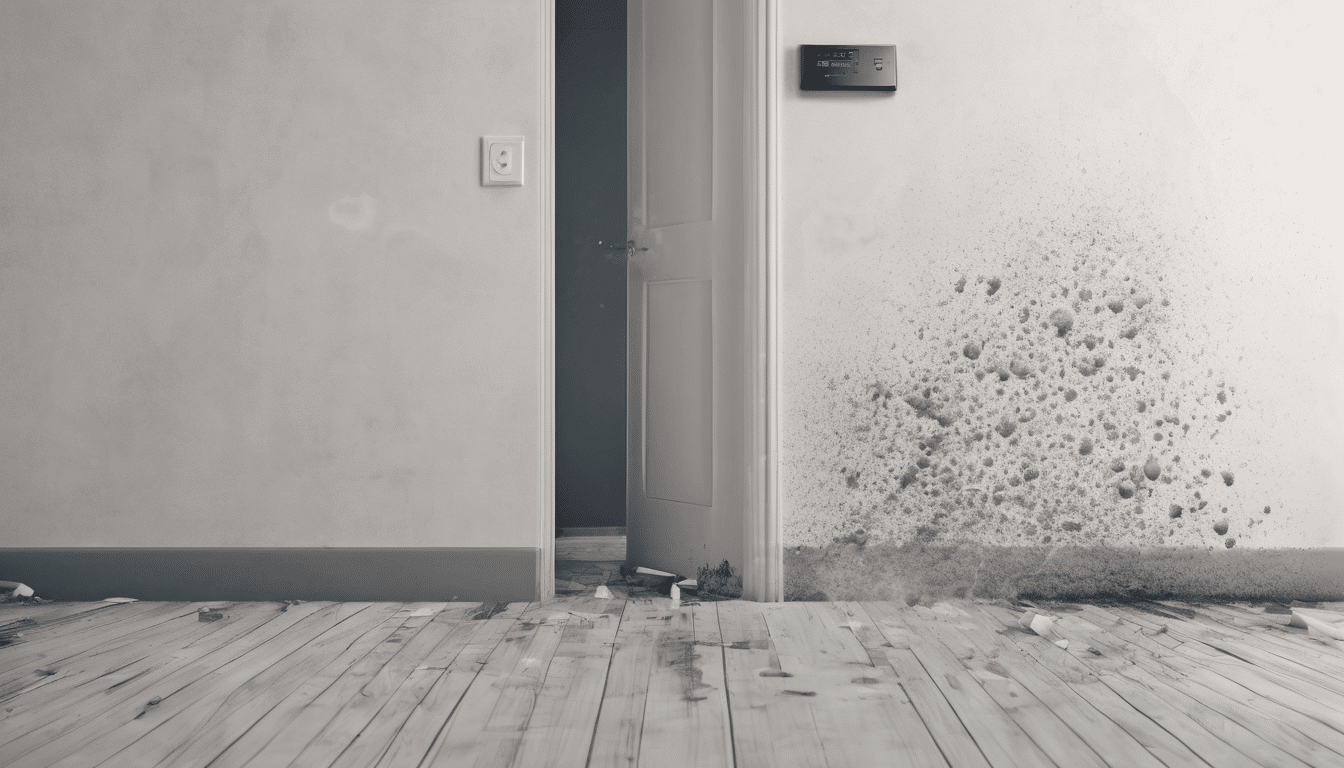
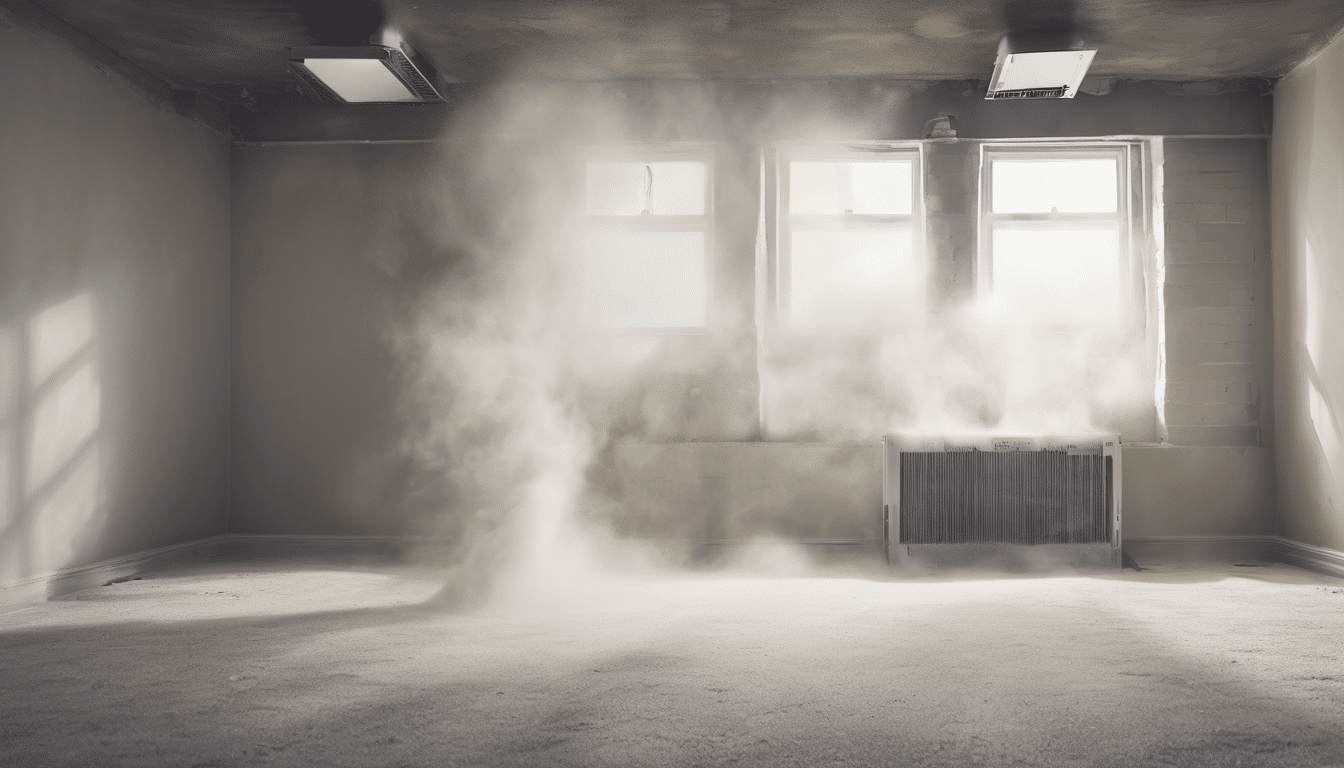
Over time, dust particles accumulate in the air ducts, filters, and coils of your HVAC system. This can block airflow, causing your system to work harder and consume more energy to maintain desired temperatures.
Impact Of Dust Buildup On Hvac Efficiency: The Dust Accretion Process
Dust from the environment, such as desert dust or indoor allergens, settles within the HVAC system over time. This process can be accelerated by factors like high humidity and continuous operation of AC systems.
Source of Dust Accumulation
Main sources include outdoor air intake, poorly sealed ducts, and re-circulated indoor air. Regular cleaning helps remove these contaminants before they cause significant issues.
Effects on System Performance
The accumulation of dust can lead to several performance issues:
- Reduced Airflow: Dust clogs filters and ducts, reducing the airflow through your system. This forces the unit to work harder, leading to increased energy consumption.
- Increased Noise Levels: Accumulated dust can also cause noise in your HVAC system, as components may not operate smoothly due to reduced clearance.
Energy Consumption Increase
A study by the U.S. Department of Energy found that dirty air filters and ducts can increase energy consumption by up to 15%. In Dubai’s climate, this can lead to significant monthly utility bills.
Cost Implications
Regular maintenance can prevent costly repairs or replacements down the line. By addressing dust buildup early, you can avoid the need for more expensive system upgrades or complete replacement of components. This relates directly to Impact Of Dust Buildup On Hvac Efficiency.
System Maintenance and Repair Costs
Frequent cleaning and regular inspections can help identify potential issues before they become major problems. This proactive approach can save you thousands in repair costs over time.
Preventive Measures
Implementing a preventive maintenance schedule, including regular duct cleaning, can significantly reduce the likelihood of costly repairs or replacements due to dust buildup.
Health Risks Associated with Dust Buildup
Dust accumulation within your HVAC system poses several health risks:
- Airborne Contaminants: Dust can contain allergens, mold spores, and other harmful particles that recirculate into the indoor air.
- Allergic Reactions: Individuals with allergies or asthma may experience increased symptoms due to re-circulated dust and contaminants.
Impact on Indoor Air Quality (IAQ)
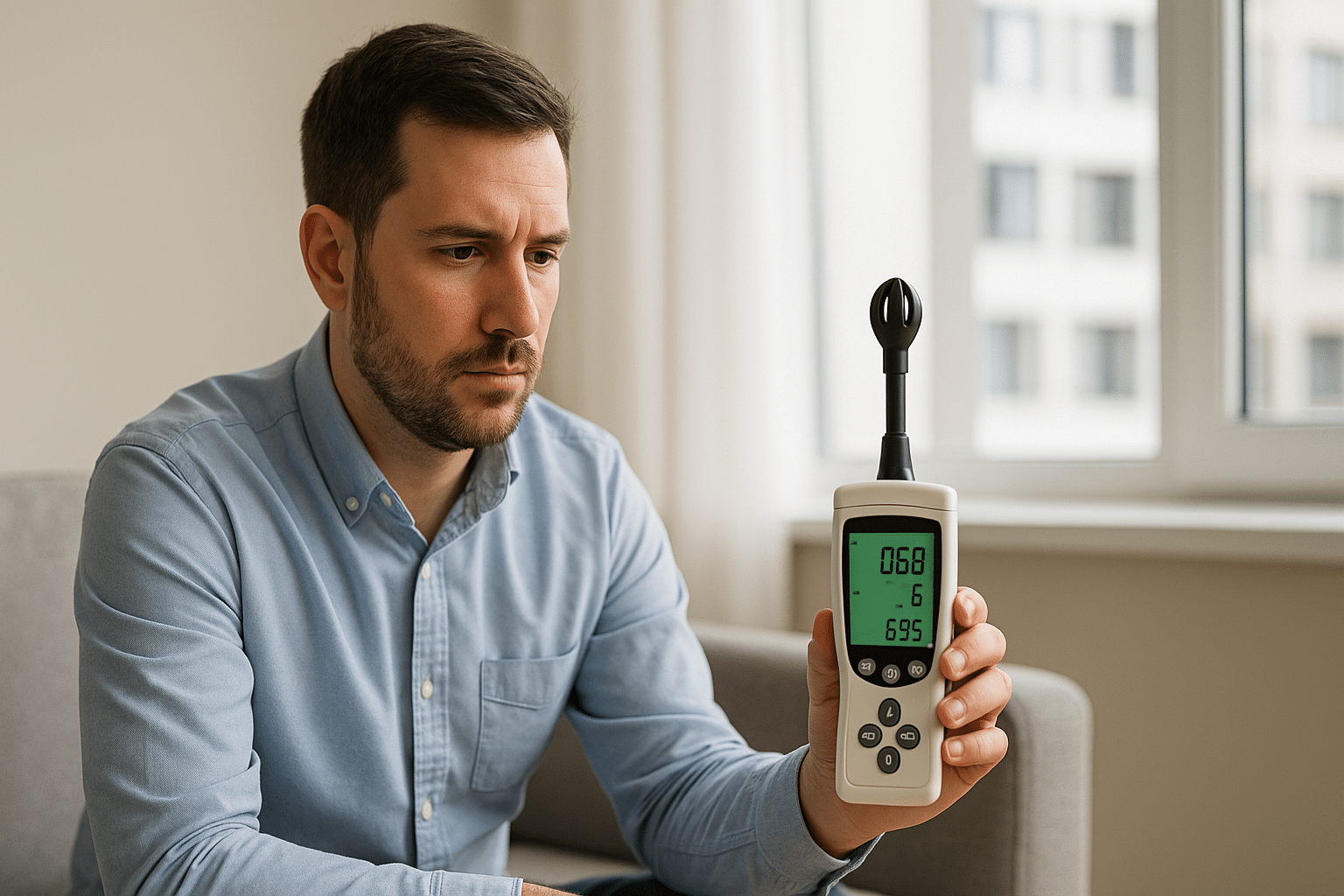
A clean HVAC system is essential for maintaining good indoor air quality. Regular cleaning helps ensure that the air circulating through your home is free from harmful particles, reducing the risk of respiratory issues.
Duct Cleaning Procedures
Professional duct cleaning involves several steps to remove dust and contaminants effectively:
- Evaluation: Conduct a thorough inspection to identify areas of high dust accumulation.
- Cleaning: Use specialized equipment like vacuum cleaners, brushes, and suction tools to clean the ducts.
- Disinfection: Apply approved disinfectants to kill bacteria and fungi that may have grown within the system.
Tips for Effective Cleaning
Ensure that your cleaning service uses human-safe chemicals and follows health-driven protocols. Proper ventilation during and after the process is crucial to avoid any adverse effects on indoor air quality.
How Often to Clean Your Ducts for Energy Efficiency
The frequency of duct cleaning depends on several factors, including the type of HVAC system, local climate conditions, and the presence of pets or smokers in your home:
- Residential Settings: Every 3 to 5 years is recommended for most residential properties.
- Commercial Buildings: Depending on usage, commercial buildings may require more frequent cleaning, every 1 to 2 years.
Seasonal Considerations
In Dubai’s climate, it is particularly important to clean your ducts before the start of each AC season. This helps ensure that your system operates efficiently and reduces energy consumption.
Expert Tips for Maintaining HVAC Systems
Follow these tips to maintain optimal HVAC performance:
- Regular Filter Replacement: Change filters every 30 days or as recommended by the manufacturer.
- Professional Cleanings: Schedule professional duct cleaning and system disinfection at least once a year.
- Duct Sealing: Ensure that all air ducts are properly sealed to prevent leaks and reduce energy loss.
Frequently Asked Questions
Here are some common questions about dust buildup in HVAC systems:
- Q: Can duct cleaning really save energy?
- Absolutely. Regular cleaning ensures that your system operates at optimal efficiency, reducing both wear and tear and energy consumption.
- Q: How often should I clean my AC filters?
- Change them every 30 days or as needed to maintain proper airflow and avoid dust buildup.
Conclusion
Understanding the impact of dust buildup on HVAC efficiency is crucial for maintaining a healthy indoor environment in Dubai. Regular cleaning, coupled with proper maintenance practices, can significantly improve your system’s performance and reduce energy costs. By prioritizing professional duct cleaning and system disinfection, you can ensure that your HVAC system operates at its best, providing clean air and optimal comfort.
—
Tags:
- Impact of Dust Buildup on HVAC Efficiency
- Dubai Climate, Indoor Air Quality, HVAC Maintenance, Duct Cleaning, Energy Efficiency
— Understanding Impact Of Dust Buildup On Hvac Efficiency is key to success in this area.