Dust And Improving Air: Good Quality Furnace Filters For
Good Quality Furnace Filters For Reducing Dust And Improving Air – Understanding What Are Good Quality Furnance Filters for Red
Contents
- 1 Good Quality Furnace Filters For Reducing Dust And Improving Air – Understanding What Are Good Quality Furnance Filters for Red
- 2 Good Quality Furnace Filters For Reducing Dust And Improving Air – The Importance of Furnace Filter Selection
- 3 Good Quality Furnace Filters For Reducing Dust And Improving Air – Types of Furnace Filters
- 4 How Filters Impact Indoor Air Quality
- 5 Choosing the Right Furnace Filter
- 6 Furnace Filter Maintenance
- 7 Common Issues and Their Solutions
- 8 Expert Tips for Furnace Filter Selection
- 9 Frequently Asked Questions
- 10 Conclusion
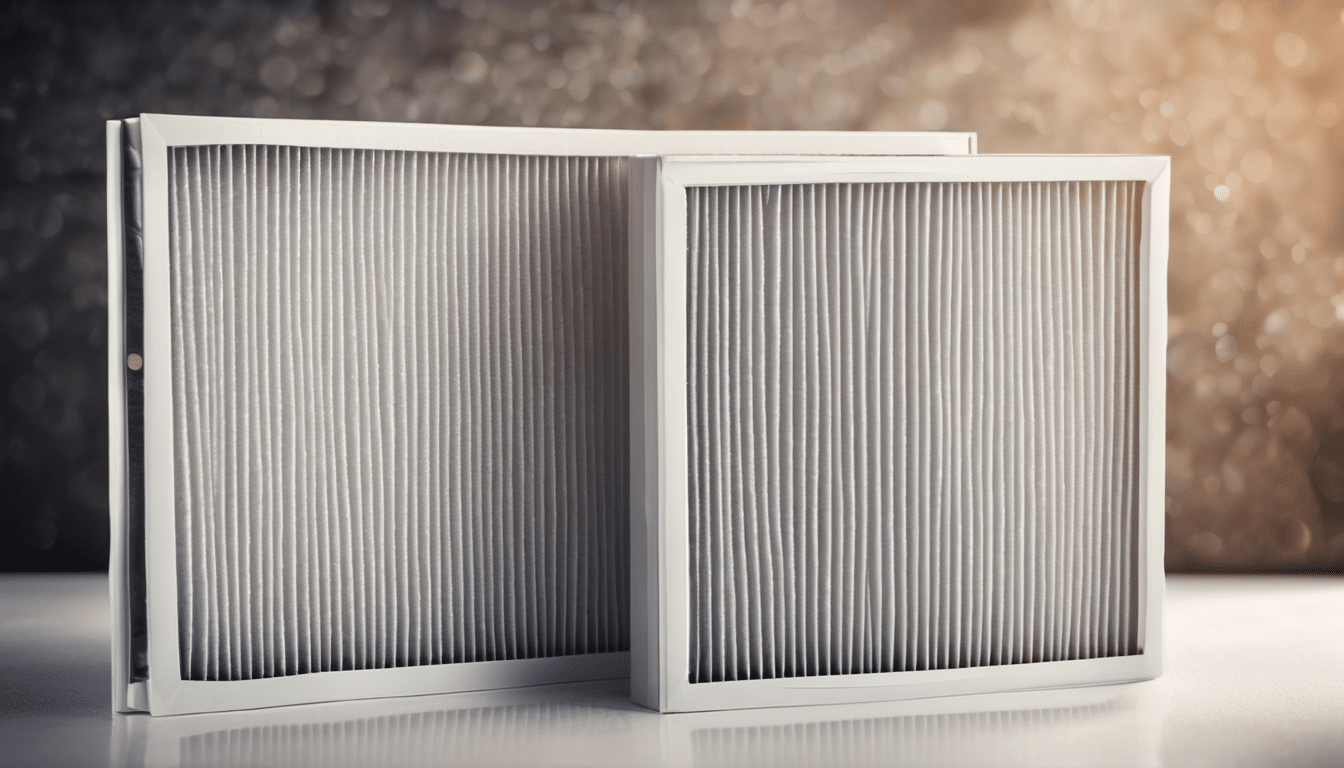
What are good quality furnace filters? These crucial components play a vital role in maintaining clean, healthy air within your home or office. They capture particles like dust, pollen, pet dander, and even some bacteria, ensuring that the air you breathe is free from contaminants. This relates directly to Good Quality Furnace Filters For Reducing Dust And Improving Air.
Good Quality Furnace Filters For Reducing Dust And Improving Air – The Importance of Furnace Filter Selection
Selecting high-quality furnace filters is essential for several reasons:
– Health Benefits: Improved filtration reduces allergens and pollutants, beneficial for individuals with allergies or asthma.
– Energy Efficiency: Properly functioning filters help maintain optimal airflow, reducing strain on your HVAC system and lowering energy costs.
– System Lifespan: Regular maintenance of the filter extends the life of your furnace, ensuring it operates efficiently.
Good Quality Furnace Filters For Reducing Dust And Improving Air – Types of Furnace Filters
1.
HEPA (High-Efficiency Particulate Air) Filters
– HEPA filters are designed to capture 99.97% of particles as small as 0.3 microns, making them ideal for severe allergy sufferers and those with respiratory issues.
2.
MERV (Minimum Efficiency Reporting Value) Filters
– MERV ratings range from 1 to 16, with higher numbers indicating better filtration capabilities. For instance, a MERV 8 filter can capture larger particles like dust mites, while a MERV 13 or higher is recommended for homes with severe allergies.
How Filters Impact Indoor Air Quality
Filters significantly influence the air quality inside your home. Poorly maintained filters can lead to:
– Increased Dust Circulation: When filters are dirty, they release trapped particles back into the air.
– Mold and Mildew Growth: Moisture accumulation in damp filters can foster mold growth.
Choosing the Right Furnace Filter
When selecting a furnace filter, consider these factors:
– Filtration Efficiency: Choose MERV 8 or higher for better allergen control.
– Airflow Resistance: Higher filtration ratings can reduce airflow, so balance efficiency with performance.
– Filter Material: Polyester and pleated fiberglass filters are common but may not last as long. Cloth-based HEPA filters offer superior filtration but require frequent replacement. When considering Good Quality Furnace Filters For Reducing Dust And Improving Air, this becomes clear.
Furnace Filter Maintenance
Regular maintenance is crucial for optimal air quality:
1.
Replacing Filters Regularly
– Check your filter monthly, replacing it every 3-6 months based on usage.
2.
Cleaning Filters (Pleated Fiberglass and Cloth-Based HEPA)
– Clean reusable filters with a vacuum or rinse in cold water, ensuring they dry completely before reinserting.
Common Issues and Their Solutions
1.
Reduced Airflow Due to Dirty Filters
– Replace the filter immediately if you notice decreased airflow.
2.
Increased Energy Bills
– Regularly clean or replace your filters to ensure maximum efficiency.
Expert Tips for Furnace Filter Selection
1. Consult a Professional: HVAC technicians can provide personalized advice based on your specific needs.
2. Consider Your Living Environment: Homes with pets, smokers, or individuals with allergies may require higher-efficiency filters.
3. Monitor Indoor Air Quality: Use air quality monitors to assess the effectiveness of your chosen filter.
Frequently Asked Questions
1.
How often should I replace my furnace filter?
– Replace it every 3-6 months or when you notice a decrease in airflow.
2.
Can I wash and reuse my filters?
– Yes, but check the manufacturer’s instructions to ensure they can be cleaned without damage.
3.
What are the benefits of using HEPA filters?
– They capture smaller particles like mold spores and pollen, which can significantly improve indoor air quality.
Conclusion
Choosing good quality furnace filters is a critical step in maintaining clean, healthy air in your home or office. By understanding the different filter types and their impact on indoor air quality, you can make informed decisions that benefit both health and energy efficiency. Regular maintenance ensures optimal performance, leading to a more comfortable living environment. Understanding Good Quality Furnace Filters For Reducing Dust And Improving Air is key to success in this area.
Related articles