To Reduce Allergens In: Advanced Filtration Techniques AC
Understanding Advanced Filtration Techniques to Reduce Allergens in AC Systems
Contents
- 1 Understanding Advanced Filtration Techniques to Reduce Allergens in AC Systems
- 2 Advanced Filtration Techniques To Reduce Allergens In – Choosing the Right Filters for Allergies
- 3 High-Efficiency Particulate Air (HEPA) Filters
- 4 Ultra-Low Resistance Media Pleated Filters
- 5 Active Filter Media and Air Purifiers
- 6 Maintenance Tips for Effective Allergen Reduction
- 7 Expert Tips on Advanced Filtration Techniques to Reduce Allergens in AC Systems
- 8 Frequently Asked Questions About Filtering Allergens
- 9 Conclusion
Understanding Advanced Filtration Techniques To Reduce Allergens In is essential. Advanced filtration techniques are designed specifically to combat allergens, mold spores, dust mites, and other particulates that can circulate through your home or office’s air conditioning system. These methods go beyond basic filtering by employing specialized materials and designs to trap smaller particles effectively.
Advanced Filtration Techniques To Reduce Allergens In – Choosing the Right Filters for Allergies
Not all filters are created equal when it comes to allergy relief. High-quality, specialized filters can make a significant difference in reducing allergens in your AC system.
- HEPA Filters: Ensure that at least 99.97% of particles as small as 0.3 microns are removed from the air. This level of filtration is particularly effective against dust mites, pollen, and mold spores.
- Pet Allergen Filters: These specialized filters can trap pet dander and saliva proteins that contribute to allergic reactions in pets.
- Air Purifiers with Active Media: Some air purifiers use ionizers or UV lights alongside filters for added allergen reduction. These systems can be more effective when combined with standard HVAC filters.
High-Efficiency Particulate Air (HEPA) Filters
HEPA filters are a must-have for allergy sufferers in Dubai. These filters can capture allergens and other fine particles that standard filters might miss.
- Installation: HEPA filters should be installed as the first filter on your HVAC system, ensuring they trap larger particles before they reach finer filters or the air distribution system.
- Maintenance: Replace HEPA filters every 6 to 12 months, depending on usage and environmental conditions. Regular cleaning is not recommended for these filters due to their delicate nature.
Ultra-Low Resistance Media Pleated Filters
These filters offer a compromise between air resistance and allergen capture, making them suitable for use after HEPA filters in the HVAC system.
- Benefits: Ultra-low resistance pleated filters can reduce pressure drop while still providing excellent filtration. They are less restrictive than standard fiberglass filters, improving overall airflow efficiency.
- Maintenance: These filters should be inspected every three months and replaced as needed. Regular cleaning is not recommended to avoid compromising their effectiveness.
Active Filter Media and Air Purifiers
In addition to traditional HVAC filters, air purifiers can provide an extra layer of protection against allergens.
- Ionization: Air ionizers create charged particles that attract and neutralize allergens in the air. This method is particularly effective for mold spores and dust mites but may not be as useful against pollen or pet dander.
- UV Light Systems: Ultraviolet (UV) lights can kill microorganisms like bacteria and viruses, reducing their presence in your indoor environment. These systems should be installed in conjunction with HEPA filters for maximum effectiveness.
Maintenance Tips for Effective Allergen Reduction
To ensure that advanced filtration techniques work effectively, regular maintenance is crucial.
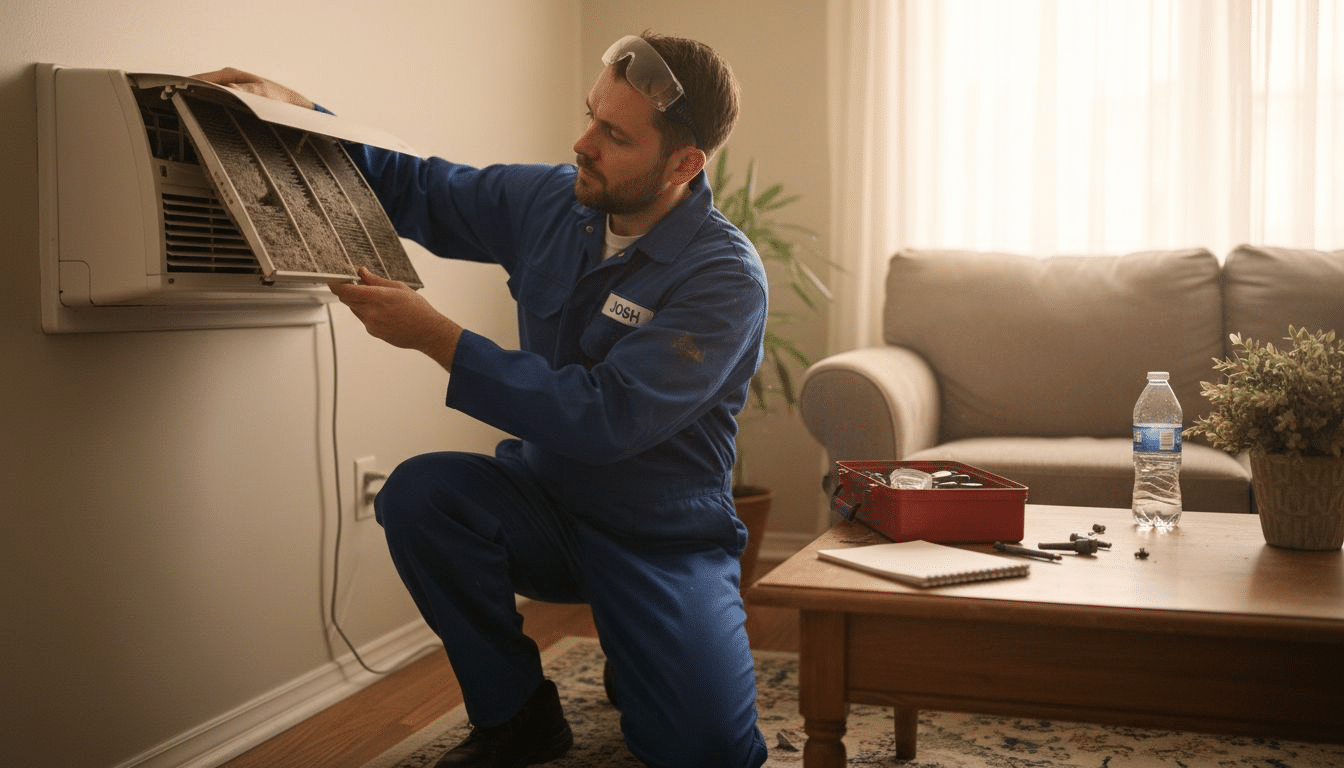
- Regular Cleaning: Dust and debris can accumulate on filters over time. Clean them according to the manufacturer’s guidelines or replace as needed. In dusty environments like Dubai, more frequent cleaning may be necessary.
- Proper Placement: Ensure that all filters are installed correctly in your HVAC system. Improper placement can reduce their effectiveness and allow allergens to bypass key filtration stages.
- Duct Cleaning: Regular duct cleaning can remove built-up debris, reducing the load on your filters and improving overall air quality. Consider professional duct cleaning every 5 to 10 years or as recommended by a HVAC specialist.
Expert Tips on Advanced Filtration Techniques to Reduce Allergens in AC Systems
Here are some expert tips to help you maximize the effectiveness of advanced filtration techniques:
- Consult a Professional: HVAC contractors can provide personalized advice based on your specific needs and environment. Regular maintenance checks by professionals ensure that all components work together effectively.
- Use Humidity Control: High humidity can contribute to mold growth, which is harmful for allergy sufferers. Use dehumidifiers or air conditioning systems with built-in moisture control features to maintain optimal indoor humidity levels (30-50%).
- Consider Seasonal Filters: Different seasons may require different filter types due to varying allergen levels. Consult your HVAC specialist for recommendations tailored to Dubai’s climate.
Frequently Asked Questions About Filtering Allergens
Here are answers to common questions about advanced filtration techniques:
- Q: Are HEPA filters necessary for everyone?
- No, but they can be highly beneficial for individuals with severe allergies or asthma. Consider them if you or a family member is sensitive to airborne particles.
Conclusion
Advanced filtration techniques are crucial for reducing allergens in AC systems and maintaining clean indoor air quality, especially in challenging climates like Dubai’s. By choosing the right filters, maintaining them properly, and considering additional methods such as air purifiers, you can create a healthier living or working environment. Regular maintenance and professional advice will help ensure that your AC system performs at its best. Understanding Advanced Filtration Techniques To Reduce Allergens In is key to success in this area.