Deep Cleaning Techniques For High-rise Building Hvac Systems
Understanding Deep Cleaning Techniques for High-Rise Building HVAC Systems
Contents
- 1 Understanding Deep Cleaning Techniques for High-Rise Building HVAC Systems
- 2 Deep Cleaning Techniques For High-rise Building Hvac Systems – Duct Cleaning Techniques
- 3 Deep Cleaning Techniques For High-rise Building Hvac Systems – Coil and Blower Cleaning Methods
- 4 Drain Pan Flushing Procedures
- 5 Mold and Odor Removal Strategies
- 6 Chemical Disinfection Approaches
- 7 Conclusion: Verdict on the Best Technique
- 8 Expert Tips
- 9 FAQ
Understanding Deep Cleaning Techniques For High-rise Building Hvac Systems is essential. High-rise buildings in Dubai often face unique challenges such as year-round air conditioning use, dust from the desert, and high humidity. These factors contribute to the accumulation of contaminants inside the HVAC systems. A deep cleaning technique involves thorough inspection, disinfection, and maintenance to ensure optimal performance and indoor air quality.
Deep Cleaning Techniques For High-rise Building Hvac Systems – Duct Cleaning Techniques
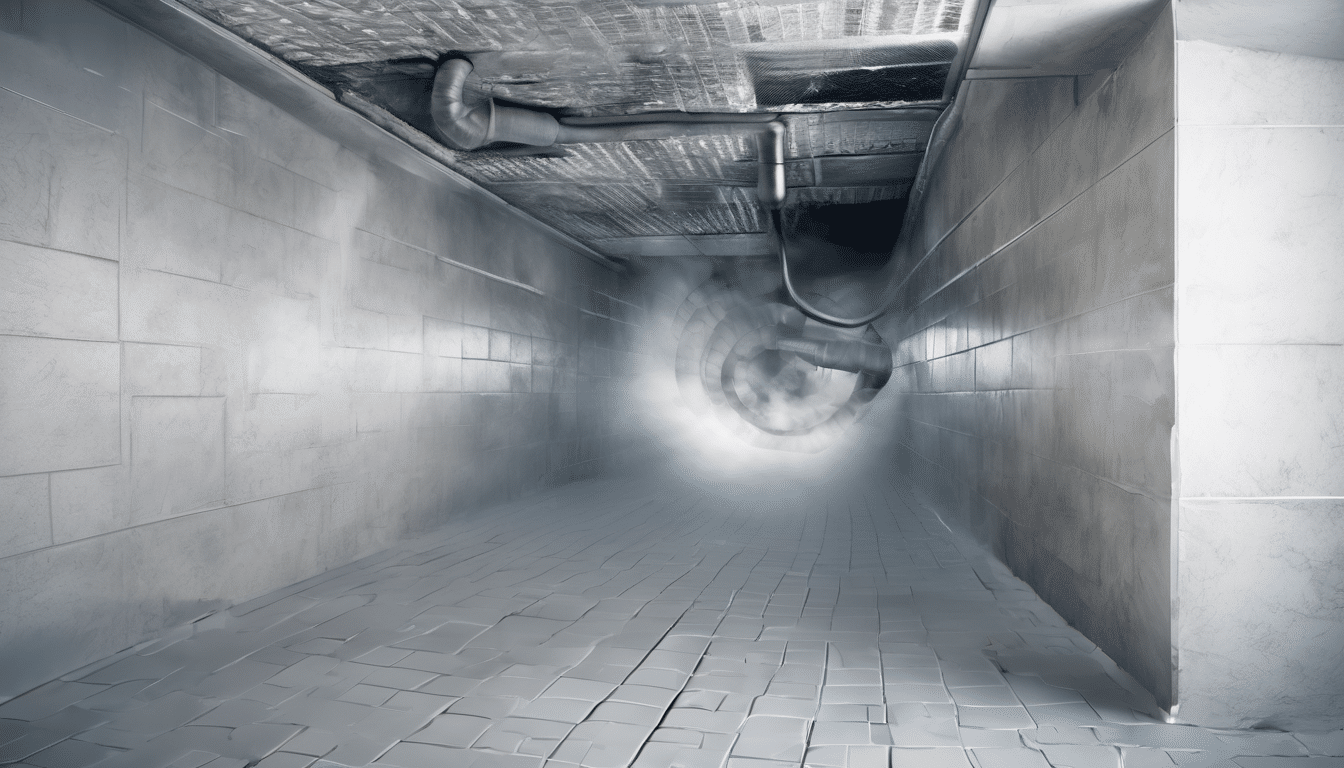
The ducts in high-rise buildings can accumulate a significant amount of dust, debris, and mold spores. Duct cleaning is critical to maintain clean air circulation.
- Brushing and Vacuuming: This method uses brushes and vacuum attachments to remove loose particles from the ductwork. It’s relatively non-invasive but may not be as effective in reaching deep areas of the system.
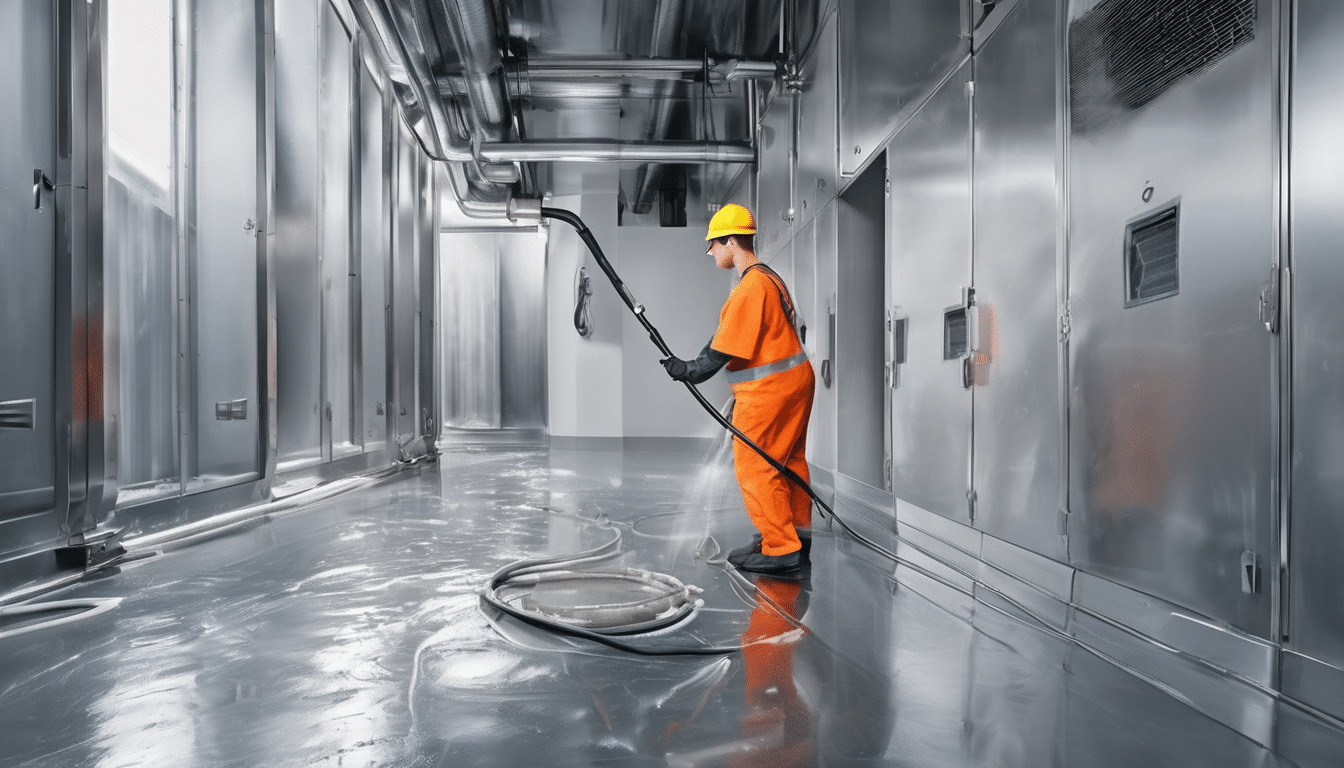
- Pressure Washing: High-pressure water or steam cleaning can dislodge stubborn dirt and mold. This technique is more thorough, especially for pre-insulated ducts, but it requires careful handling to avoid damaging the system.
Pros and Cons of Brushing and Vacuuming
Pros: Cost-effective, minimally invasive, quick process.
Cons: May not fully remove stubborn contaminants, limited access to tight spaces, risk of re-depositing dust if not done carefully.
Pros and Cons of Pressure Washing
Pros: Effective in removing tough residues, can be used on various duct types, minimizes the spread of dust during cleaning. This relates directly to Deep Cleaning Techniques For High-rise Building Hvac Systems.
Cons: More expensive, requires specialized equipment, potential for system damage if not performed correctly, significant disruption to occupants.
Deep Cleaning Techniques For High-rise Building Hvac Systems – Coil and Blower Cleaning Methods
The evaporator coil and blower wheel are critical components of the HVAC system. Accumulated dirt and mold on these parts can significantly reduce efficiency and air quality.
- Manual Brushing: Using brushes to manually clean visible debris from the coils and blowers is a straightforward method but may not be sufficient for thorough cleaning.
- Automatic Coil Cleaning Machines: These devices use rotating brushes or jets of water to clean the coil surfaces effectively. They are more time-consuming but ensure a higher level of hygiene.
Pros and Cons of Manual Brushing
Pros: Low cost, easy to perform, minimal disruption to operation.
Cons: Ineffective for hidden areas, may miss small particles, can be time-consuming.
Pros and Cons of Automatic Coil Cleaning Machines
Pros: Thorough cleaning, reaches all surfaces, reduces labor costs in the long run, ensures consistent hygiene standards.
Cons: More expensive initial investment, requires technical expertise for operation, potential downtime during service.
Drain Pan Flushing Procedures
The drain pan is a common area where water can stagnate and promote mold growth. Proper flushing helps maintain the system’s hygienic conditions.
- Manual Siphoning: Using a siphon or hose to manually flush the drain pan is a basic method that can be effective but may not remove all contaminants deeply embedded in the system.
- Automatic Drain Pan Cleaning Systems: These systems use advanced equipment like negative pressure vacuum cleaners and specialized brushes to thoroughly clean the drain pan.
Pros and Cons of Manual Siphoning
Pros: Low cost, simple process, minimal disruption to operation.
Cons: May not remove all contaminants, can be labor-intensive, risk of re-contamination if not done correctly.
Pros and Cons of Automatic Drain Pan Cleaning Systems
Pros: Thorough cleaning, removes deep-seated contaminants, reduces the need for frequent manual checks, minimizes recontamination risk.
Cons: Higher initial investment, requires specialized equipment, potential for system damage if not performed correctly, significant disruption to operation.
Mold and Odor Removal Strategies
Mold growth inside HVAC systems can lead to serious health issues. Effective mold removal involves both cleaning and disinfection methods. When considering Deep Cleaning Techniques For High-rise Building Hvac Systems, this becomes clear.
- Biocides and Antimicrobial Treatments: These chemicals are applied to kill existing mold spores and prevent future growth. They are often used in conjunction with mechanical cleaning techniques.
- Heat Treatment: Raising the temperature inside the system can help eliminate mold by drying out moisture-laden areas. This method is less chemical-intensive but may be more disruptive to occupants.
Pros and Cons of Biocides and Antimicrobial Treatments
Pros: Effective against existing mold, reduces the need for frequent cleaning, long-lasting results.
Cons: Risk of chemical exposure, potential health impacts if not used correctly, may require repeated applications.
Pros and Cons of Heat Treatment
Pros: Non-toxic, reduces reliance on chemicals, can be performed without shutting down the system completely, less disruptive to occupants.
Cons: Requires specialized equipment, may not reach all areas effectively, potential for uneven heating and localized damage.
Chemical Disinfection Approaches
Using appropriate chemicals is crucial for disinfecting the HVAC system. The choice of chemical should be based on its efficacy, safety, and compatibility with the system materials.
- Quaternary Ammonium Compounds (QACs): These are commonly used due to their broad-spectrum effectiveness against bacteria and viruses. They are generally safe but can be harsh on some materials.
- Iodophors: Effective against a wide range of microorganisms, including fungi. However, they may have a strong odor and require careful handling.
Pros and Cons of Quaternary Ammonium Compounds (QACs)
Pros: Broad-spectrum effectiveness, easy to apply, widely available.
Cons: Can be harsh on some materials, potential health risks if not used correctly, may require repeated applications.
Pros and Cons of Iodophors
Pros: Effective against a wide range of microorganisms, safe for most HVAC systems, non-toxic.
Cons: Strong odor, potential health impacts if not used correctly, may require repeated applications.
Conclusion: Verdict on the Best Technique
The best deep cleaning technique for high-rise building HVAC systems in Dubai is a combination of thorough duct cleaning, coil and blower maintenance, drain pan flushing, mold removal strategies, and appropriate chemical disinfection. Each component plays a critical role in ensuring superior air quality and system performance.
Recommendation: Engage professional HVAC service providers who can perform a comprehensive deep clean using the most effective techniques based on your specific needs and circumstances. Regular maintenance schedules should also be established to prevent issues from recurring.
Expert Tips
- Regular Maintenance: Schedule annual or bi-annual deep cleaning services to keep the system in top condition.
- Proper Humidity Control: Use dehumidifiers and air purifiers to reduce moisture levels, preventing mold growth.
- Filter Replacement: Replace filters regularly to ensure optimal air quality and system efficiency.
FAQ
- Q: How often should I have my HVAC system deep cleaned?
- A: It is recommended to perform a thorough cleaning every 1-2 years, depending on usage and environmental factors.
- Q: Can I clean the ducts myself?
- A: While DIY duct cleaning is possible, professional services are more effective in ensuring thoroughness and safety.
- Q: Is mold removal necessary for high-rise buildings?
- A: Yes, regular mold removal and disinfection are essential to prevent health issues and maintain indoor air quality.
The importance of Deep Cleaning Techniques For High-rise Building Hvac Systems is evident here.
Understanding Deep Cleaning Techniques For High-rise Building Hvac Systems is key to success in this area.
Related articles