Mold Growth Inside Air: Identifying And Treating
Understanding Identifying and Treating Mold Growth Inside Air is essential. —
Introduction to Identifying and Treating Mold Growth Inside Air
Contents
- 1 Introduction to Identifying and Treating Mold Growth Inside Air
- 2 Understanding Mold Growth Inside Air
- 3 Causes of Mold in HVAC Systems
- 4 Signs and Symptoms of Mold Issues
- 5 Impact on Indoor Air Quality
- 6 Prevention Strategies for Mold Growth
- 7 Treatment Options for Existing Mold
- 8 Professional Services for Air Duct Cleaning
- 9 Expert Tips for Identifying and Treating Mold Growth Inside Air
- 10 Frequently Asked Questions (FAQ)
- 11 Conclusion
- 12 Understanding Mold Growth Inside Air
- 13 Causes of Mold in HVAC Systems
- 14 Signs and Symptoms of Mold Issues
- 15 Impact on Indoor Air Quality
- 16 Prevention Strategies for Mold Growth
- 17 Treatment Options for Existing Mold
- 18 Professional Services for Air Duct Cleaning
- 19 Expert Tips for Identifying and Treating Mold Growth Inside Air
- 20 Frequently Asked Questions (FAQ)
- 21 Conclusion
Mold growth inside air ducts can significantly impact the health of homeowners in Dubai, especially during high-humidity periods. This comprehensive guide will help you understand the causes of mold in HVAC systems, identify signs of mold issues, explore treatment options, and learn about professional services for Air Duct Cleaning.
Understanding Mold Growth Inside Air
Mold growth inside air ducts is a common problem in Dubai, where high humidity and year-round AC usage can create favorable conditions for mold spores to grow. Mold thrives in warm, moist environments, making HVAC systems particularly susceptible during the summer months.
Causes of Mold in HVAC Systems
The primary causes of mold growth inside air ducts include:
- High humidity levels: Even in a desert climate, high indoor humidity can support mold growth.
- Inadequate ventilation: Poor airflow and moisture retention contribute to mold development.
- Dirt and dust accumulation: Over time, particulate matter can lead to clogged ducts and increased humidity.
- Broken or leaking components: Leaks in HVAC systems allow water to collect and create breeding grounds for mold.
Signs and Symptoms of Mold Issues
Mold growth inside air ducts can manifest through several visible signs:
- Telltale musty odors: A damp, earthy smell may indicate mold presence.
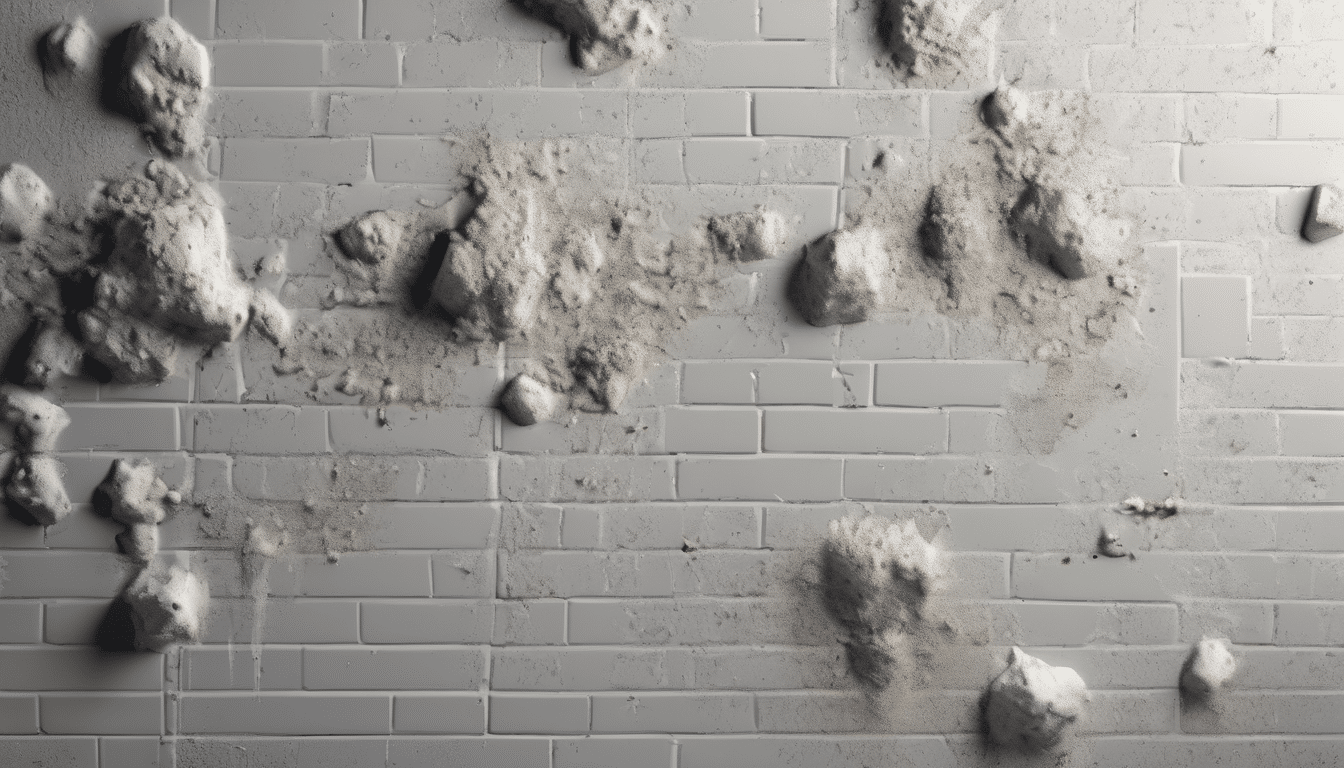
- Visible discoloration: Dark spots or stains on the inner walls of ducts can be indicative of mold growth.
- Water damage: Visible water spots or puddles in areas surrounding HVAC units might suggest a leak that promotes mold.
Impact on Indoor Air Quality
Mold spores can release allergens and irritants into the air, leading to respiratory issues such as:
- Asthma attacks: Mold exposure can trigger asthma symptoms in sensitive individuals.
- Nasal congestion: Persistent coughing and sneezing may indicate mold-related allergies.
- Skin irritation: Some people experience rashes or itching due to mold spores.
Prevention Strategies for Mold Growth
To prevent mold growth inside air ducts, consider these strategies:
- Regular cleaning and disinfection: Schedule professional cleanings to remove accumulated dust and debris.
- Proper ventilation: Ensure your HVAC system is well-ventilated to reduce moisture buildup.
- Dry out the environment: Use dehumidifiers or air conditioning with dehumidification features to control indoor humidity levels.
- Fix leaks promptly: Address any plumbing issues that could lead to water accumulation in HVAC systems.
Treatment Options for Existing Mold
If mold has already taken hold, several methods can effectively treat the issue:
- Physical removal: Use a combination of vacuuming and scraping to manually remove visible mold.
- Biocides and disinfectants: Apply appropriate biocides or disinfectants to kill active mold spores.
- Air purifiers: Install HEPA filters in your HVAC system to capture airborne mold spores.
Professional Services for Air Duct Cleaning
For thorough and effective air duct cleaning, consider hiring a professional service. Key services include:
- Detailed inspection: A thorough examination to identify mold growth and other issues.
- High-velocity cleaning: Utilizing powerful vacuums and advanced tools for deep-cleaning ducts.
- Mold remediation: Implementing specific procedures to remove existing mold safely and effectively.
Expert Tips for Identifying and Treating Mold Growth Inside Air
Here are some actionable tips from a seasoned HVAC specialist:
- Monitor humidity levels: Use hygrometers to track indoor moisture content.
- Regularly check your system: Inspect ducts for signs of water damage or mold growth monthly.
- Use natural air flow: Open windows when possible to improve airflow and reduce humidity.
Frequently Asked Questions (FAQ)
Answers to common questions about mold growth inside air ducts:
- Q: How often should I clean my air ducts?
- Q: Can I treat mold myself?
A: Professional cleaning every 3-5 years is recommended, especially if you have visible mold issues.
A: Small instances can be treated with DIY methods, but larger areas or persistent mold require professional assistance.
Conclusion
In conclusion, identifying and treating mold growth inside air ducts is crucial for maintaining indoor air quality. Regular inspections, proper ventilation, and professional cleaning services can help prevent and manage this issue effectively.
—
Understanding Mold Growth Inside Air
Mold growth inside air ducts is a common problem in Dubai, where high humidity and year-round AC usage can create favorable conditions for mold spores to grow. Mold thrives in warm, moist environments, making HVAC systems particularly susceptible during the summer months.
Causes of Mold in HVAC Systems
The primary causes of mold growth inside air ducts include:
- High humidity levels: Even in a desert climate, high indoor humidity can support mold growth.
- Inadequate ventilation: Poor airflow and moisture retention contribute to mold development.
- Dirt and dust accumulation: Over time, particulate matter can lead to clogged ducts and increased humidity.
- Broken or leaking components: Leaks in HVAC systems allow water to collect and create breeding grounds for mold.
Signs and Symptoms of Mold Issues
Mold growth inside air ducts can manifest through several visible signs:
- Telltale musty odors: A damp, earthy smell may indicate mold presence.
- Visible discoloration: Dark spots or stains on the inner walls of ducts can be indicative of mold growth.
- Water damage: Visible water spots or puddles in areas surrounding HVAC units might suggest a leak that promotes mold.
Impact on Indoor Air Quality
Mold spores can release allergens and irritants into the air, leading to respiratory issues such as:
- Asthma attacks: Mold exposure can trigger asthma symptoms in sensitive individuals.
- Nasal congestion: Persistent coughing and sneezing may indicate mold-related allergies.
- Skin irritation: Some people experience rashes or itching due to mold spores.
Prevention Strategies for Mold Growth
To prevent mold growth inside air ducts, consider these strategies:
- Regular cleaning and disinfection: Schedule professional cleanings to remove accumulated dust and debris.
- Proper ventilation: Ensure your HVAC system is well-ventilated to reduce moisture buildup.
- Dry out the environment: Use dehumidifiers or air conditioning with dehumidification features to control indoor humidity levels.
- Fix leaks promptly: Address any plumbing issues that could lead to water accumulation in HVAC systems.
Treatment Options for Existing Mold
If mold has already taken hold, several methods can effectively treat the issue:
- Physical removal: Use a combination of vacuuming and scraping to manually remove visible mold.
- Biocides and disinfectants: Apply appropriate biocides or disinfectants to kill active mold spores.
- Air purifiers: Install HEPA filters in your HVAC system to capture airborne mold spores.
Professional Services for Air Duct Cleaning
For thorough and effective air duct cleaning, consider hiring a professional service. Key services include:
- Detailed inspection: A thorough examination to identify mold growth and other issues.
- High-velocity cleaning: Utilizing powerful vacuums and advanced tools for deep-cleaning ducts.
- Mold remediation: Implementing specific procedures to remove existing mold safely and effectively.
Expert Tips for Identifying and Treating Mold Growth Inside Air
Here are some actionable tips from a seasoned HVAC specialist:
- Monitor humidity levels: Use hygrometers to track indoor moisture content.
- Regularly check your system: Inspect ducts for signs of water damage or mold growth monthly.
- Use natural air flow: Open windows when possible to improve airflow and reduce humidity.
Frequently Asked Questions (FAQ)
Answers to common questions about mold growth inside air ducts:
- Q: How often should I clean my air ducts?
- Q: Can I treat mold myself?
A: Professional cleaning every 3-5 years is recommended, especially if you have visible mold issues.
A: Small instances can be treated with DIY methods, but larger areas or persistent mold require professional assistance.
Conclusion
In conclusion, identifying and treating mold growth inside air ducts is crucial for maintaining indoor air quality. Regular inspections, proper ventilation, and professional cleaning services can help prevent and manage this issue effectively.