Prevent Mold Inside Air: Controlling Humidity Levels to
Controlling Humidity Levels To Prevent Mold Inside Air – Understanding Humidity and Mold Growth Inside Air
Contents
- 1 Controlling Humidity Levels To Prevent Mold Inside Air – Understanding Humidity and Mold Growth Inside Air
- 2 Controlling Humidity Levels To Prevent Mold Inside Air – Common Mistakes in Duct Cleaning That Can Lead to Mold Build
- 3 Controlling Humidity Levels To Prevent Mold Inside Air – Humidifier Maintenance and Replacement for Optimal Performan
- 4 Drain Pan and Coil Cleaning to Prevent Mold Growth
- 5 Chemical Disinfection Procedures for Controlling Humidity Levels
- 6 Monitoring Indoor Air Quality: Tools and Techniques
- 7 Expert Tips for Preventing Mold Growth in Air-Conditioning Systems
- 8 Frequently Asked Questions (FAQs)
- 9 Conclusion
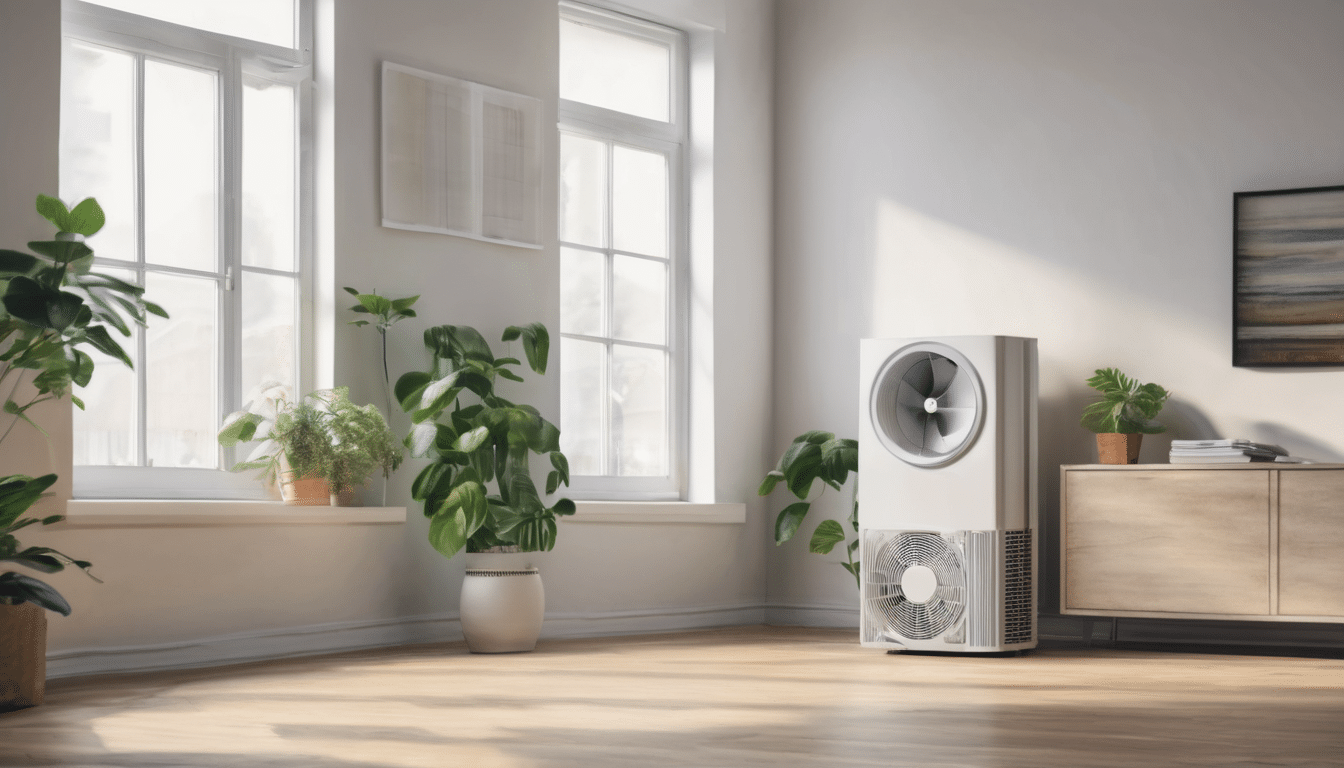
In Dubai’s climate, Controlling Humidity Levels is crucial for preventing mold growth inside air-conditioning systems. High humidity can create a breeding ground for microorganisms such as molds and bacteria. This section explains the relationship between humidity levels and mold growth in AC systems. This relates directly to Controlling Humidity Levels To Prevent Mold Inside Air.
Humidity Levels in Dubai
During summer, humidity levels in Dubai can soar above 60%, leading to an increased risk of mold growth if not properly managed. Understanding the typical indoor and outdoor humidity levels is essential for effective AC hygiene.
Controlling Humidity Levels To Prevent Mold Inside Air – Common Mistakes in Duct Cleaning That Can Lead to Mold Build
Many homeowners underestimate the importance of regular duct cleaning, which can lead to mold growth over time. This section highlights common mistakes and offers tips for avoiding them.
Insufficient Cleanliness Levels
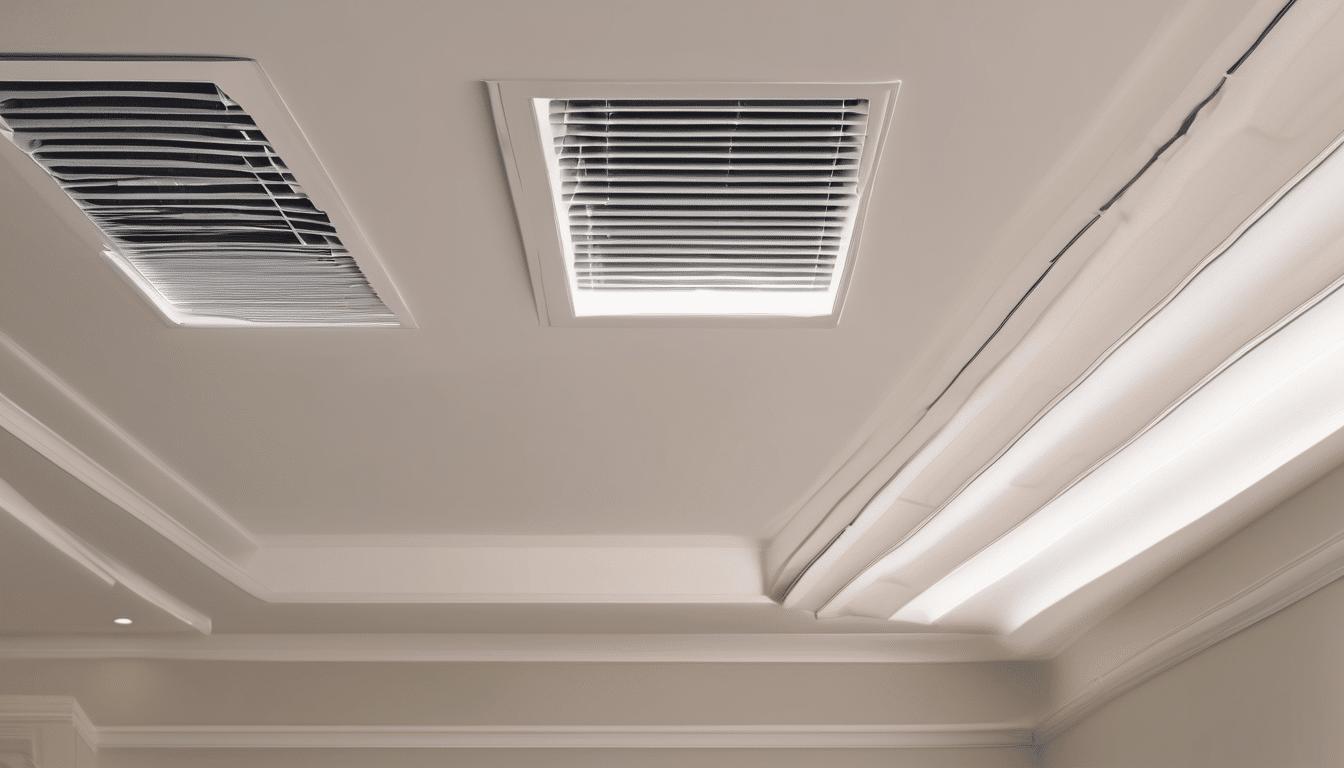
Overlooking hidden contaminants like dust, debris, and biofilm in the AC system can result in a breeding ground for molds. Ensuring thorough cleaning is crucial to prevent such issues.
Controlling Humidity Levels To Prevent Mold Inside Air – Humidifier Maintenance and Replacement for Optimal Performan
For those who use humidifiers, regular maintenance and timely replacement of parts are essential. This section provides guidelines on how to keep your humidifier running efficiently without promoting mold growth.
Filter Changes and Sanitation
Replacing filters regularly and properly sanitizing humidifiers can significantly reduce the risk of mold development, ensuring clean indoor air quality.
<h2 id="cooling-system-hygiene-checks”>Cooling System Hygiene Checks: A Step-By-Step Guide
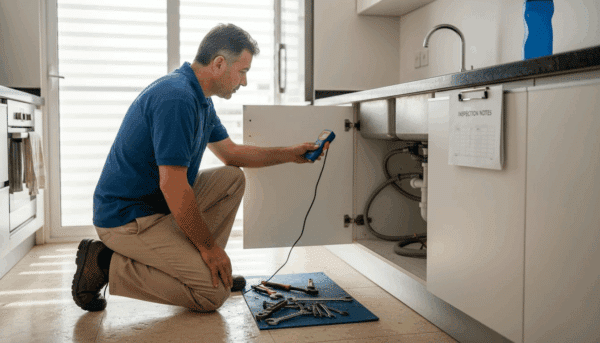
This section walks you through a comprehensive hygiene check for your cooling system to identify and address any potential issues before they lead to mold growth.
<h3 id="visual-inspection-of-coils-and-drain-pan”>Visual Inspection of Coils and Drain Pan
Inspecting the evaporator and condenser coils, as well as the drain pan, for signs of moisture or mold is a critical step in maintaining your AC system’s hygiene.
Drain Pan and Coil Cleaning to Prevent Mold Growth
Regular cleaning of these components can prevent water accumulation, which is often the source of mold growth. This section provides detailed instructions on how to clean them effectively. When considering Controlling Humidity Levels To Prevent Mold Inside Air, this becomes clear.
Chemical-Free Dry Clean Methods
Using dry methods like compressed air and specialized brushes can be effective in removing moisture and debris from the drain pan and coils, minimizing chemical use while ensuring thorough cleaning.
Chemical Disinfection Procedures for Controlling Humidity Levels
In some cases, chemical disinfection may be necessary to combat persistent mold growth. This section covers safe and effective disinfection techniques that can be used in occupied spaces.
Selecting Safe Disinfectants
Choosing human-safe disinfectants is crucial, especially when dealing with occupied AC systems. This involves understanding the safety data sheets (SDS) and ensuring minimal chemical exposure during use.
Monitoring Indoor Air Quality: Tools and Techniques
To ensure your efforts are effective, monitoring indoor air quality is essential. This section introduces various tools and techniques for assessing the cleanliness of your home’s air.
Air Quality Monitoring Tools
Using devices like IAQ sensors can provide real-time data on humidity levels and other contaminants, helping you make informed decisions about AC maintenance.
Expert Tips for Preventing Mold Growth in Air-Conditioning Systems
This section compiles expert advice from industry professionals to provide actionable steps that can be taken to prevent mold growth and maintain clean indoor air quality.
Regular Servicing and Inspections
Scheduling regular professional inspections and servicing of your AC system can help identify potential issues before they escalate, ensuring long-term hygiene and comfort.
Frequently Asked Questions (FAQs)
- Q: How often should I service my air-conditioning system?
- A: Ideally, AC systems in Dubai should be serviced every 6 to 12 months to ensure optimal performance and hygiene. This helps prevent mold growth and other issues.
Q: How can I tell if mold is growing inside my air conditioner?
A: Signs of mold include musty odors, visible discoloration or black spots in the AC system, and persistent water leakage from the drain pan. If you notice any of these signs, it’s important to address them promptly.
Conclusion
Controlling Humidity Levels inside air-conditioning systems is essential for preventing mold growth and maintaining clean indoor air quality. By following the steps outlined in this guide, you can create a healthier living environment. Understanding Controlling Humidity Levels To Prevent Mold Inside Air is key to success in this area.