Preventing Mold Growth in Educational AC Systems Guide
Educational institutions across Dubai and the UAE face significant challenges with mold growth in their air conditioning systems. The combination of year-round cooling demands, high humidity levels, and dense student populations creates ideal conditions for microbial contamination. Preventing mold growth in educational AC systems isn’t just about maintenance—it’s about protecting children’s health, maintaining optimal learning environments, and ensuring institutional compliance with indoor air quality standards. This comprehensive guide explores practical, effective strategies specifically designed for Dubai’s unique climate and educational infrastructure.
The importance of preventing mold growth in educational AC systems cannot be overstated. Mold contamination in school environments has been directly linked to increased asthma symptoms, allergic reactions, and respiratory issues among students and staff. In Dubai’s climate, where temperatures regularly exceed 40°C and humidity levels can reach 90%, AC systems operate almost continuously, creating persistent moisture issues that require specialised management approaches. Properly preventing mold growth in educational AC systems requires understanding these environmental factors and implementing targeted solutions.
Preventing Mold Growth In Educational Ac Systems – Understanding Mold Risks in Educational Settings
Contents
- 1 Preventing Mold Growth In Educational Ac Systems – Understanding Mold Risks in Educational Settings
- 2 Preventing Mold Growth In Educational Ac Systems – Dubai’s Climate Challenges for AC Systems
- 3 Preventing Mold Growth in Educational AC Systems Fundamentals
- 4 Routine Maintenance Protocols for Schools
- 5 Professional Cleaning and Disinfection Schedule
- 6 Moisture Control Strategies for Educational Facilities
- 7 Staff Training and Awareness Programs
- 8 Monitoring and Documentation Systems
- 9 Expert Tips for Educational Facility Managers
- 10 Frequently Asked Questions
Mold growth in educational AC systems presents unique health risks that differ from residential or commercial settings. Children are particularly vulnerable to mold exposure due to their developing respiratory systems and higher breathing rates relative to body size. Research indicates that mold contamination in schools can lead to increased absenteeism, decreased cognitive performance, and exacerbated allergy symptoms. In Dubai’s educational facilities, where windows often remain closed due to extreme outdoor temperatures, indoor air quality becomes entirely dependent on properly functioning AC systems.
The most common health issues associated with mold exposure in schools include respiratory irritation, asthma exacerbation, allergic reactions, and in some cases, more severe respiratory infections. Teachers and administrative staff also face increased health risks when working in environments with mold-contaminated AC systems. Preventing mold growth in educational AC systems addresses these health concerns at their source, ensuring that the air circulating through classrooms, libraries, and common areas supports rather than compromises the wellbeing of occupants.
Preventing Mold Growth In Educational Ac Systems – Dubai’s Climate Challenges for AC Systems
Dubai’s extreme climate creates particularly challenging conditions for preventing mold growth in educational AC systems. The combination of high temperatures, elevated humidity levels, and continuous AC operation creates a perfect storm for microbial growth. During the summer months, outdoor humidity regularly exceeds 80%, while indoor settings maintain temperatures around 22-24°C—creating significant temperature differentials that lead to condensation within AC units.
Educational facilities face additional challenges due to their occupancy patterns. Classrooms experience fluctuating occupancy levels throughout the day, with periods of high CO2 production and moisture generation followed by empty periods where systems may cycle differently. The desert environment also introduces fine dust particles that accumulate in AC systems, providing organic material that mold can feed upon when combined with moisture. These factors make preventing mold growth in educational AC systems particularly complex and require specialised approaches tailored to Dubai’s unique environmental conditions.
Preventing Mold Growth in Educational AC Systems Fundamentals
Effective strategies for preventing mold growth in educational AC systems begin with understanding the fundamental requirements for microbial control. Mold requires three elements to grow: moisture, organic material, and appropriate temperatures. AC systems inherently provide two of these—moisture from condensation and temperatures within the ideal range for mold development. The organic material comes from dust, skin cells, and other particulate matter that accumulates in ductwork and cooling coils.
The cornerstone of preventing mold growth in educational AC systems involves moisture management through proper drainage, humidity control, and condensation prevention. Drain pans must be properly sloped and kept clear of obstructions to prevent standing water. Cooling coils require regular cleaning to maintain efficient heat transfer and prevent moisture accumulation. Ductwork should be properly insulated to prevent condensation forming on exterior surfaces. These fundamental measures form the foundation of any comprehensive approach to preventing mold growth in educational AC systems in Dubai’s challenging climate.
Routine Maintenance Protocols for Schools
Establishing consistent routine maintenance protocols is essential for preventing mold growth in educational AC systems. Educational facilities should implement daily, weekly, and monthly checklists that address the specific needs of their HVAC infrastructure. Daily inspections should include visual checks for water leakage around AC units, unusual odours, and changes in airflow patterns. Weekly maintenance should focus on filter inspections and replacement schedules, particularly during high-pollen seasons or after sandstorms.
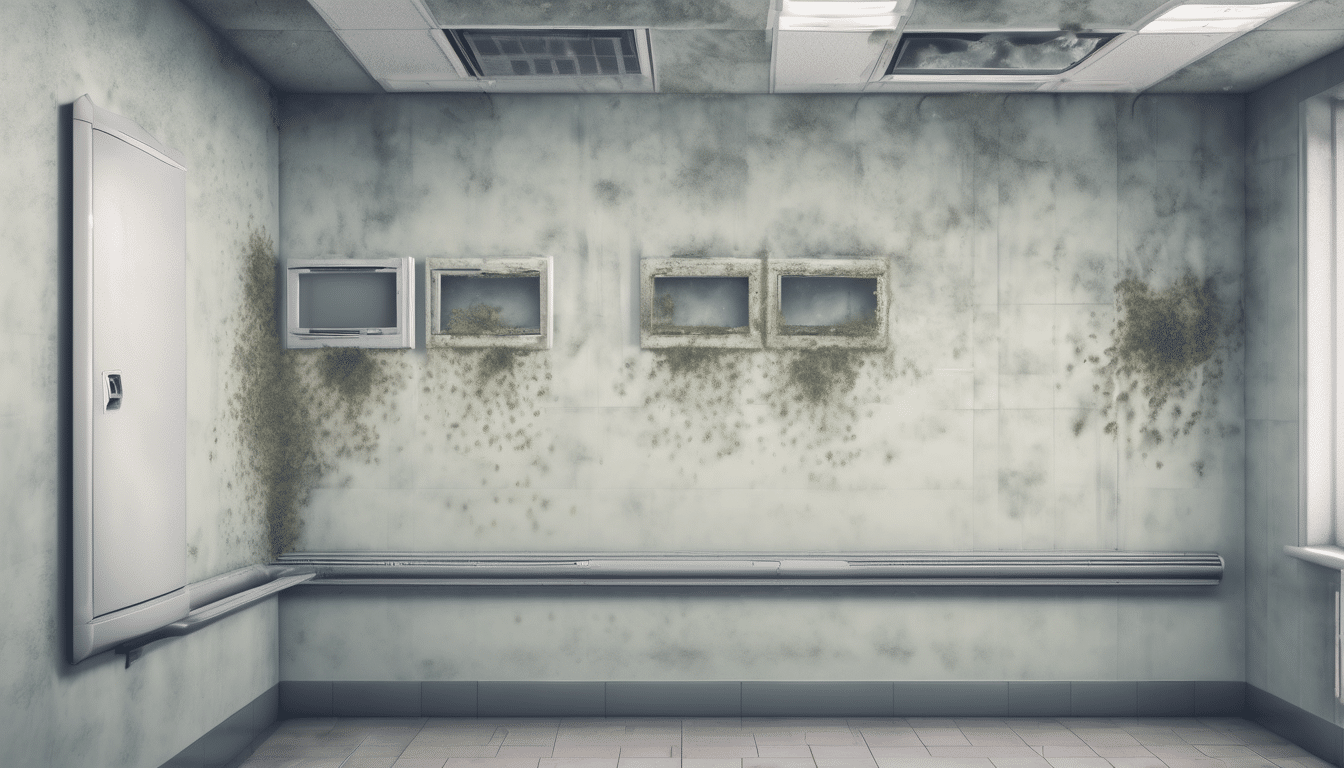
Monthly maintenance protocols for preventing mold growth in educational AC systems should include comprehensive coil inspections, drain pan cleaning, and condensate line flushing. Facilities with older infrastructure may require more frequent attention to these components. Maintenance staff should be trained to recognise early signs of mold development, including musty odours, visible microbial growth around vents, and increased humidity levels in classrooms. These routine protocols form the first line of defense in preventing mold growth in educational AC systems and should be documented meticulously for compliance and tracking purposes.
Essential Monthly Maintenance Tasks
Educational facilities should prioritise several key monthly tasks for preventing mold growth in educational AC systems. Filter replacement remains the most critical regular maintenance activity, with high-efficiency particulate air (HEPA) filters recommended for schools with allergy-sensitive populations. Drain pan treatment with antimicrobial solutions helps prevent microbial colonization between professional cleanings. Condensate line flushing with approved cleaning solutions prevents biofilm development that can lead to drain blockages and overflow situations.
Professional Cleaning and Disinfection Schedule
While routine maintenance handles day-to-day concerns, professional cleaning forms the backbone of effective preventing mold growth in educational AC systems. Educational facilities in Dubai should establish a scheduled professional cleaning program that addresses the complete HVAC system. Most schools require professional AC cleaning at least twice annually—typically before the peak summer season and again during the mid-year break. Facilities with known mold issues or older infrastructure may benefit from quarterly professional services.
Professional preventing mold growth in educational AC systems services should include comprehensive duct cleaning using HEPA-filtered negative air machines, coil cleaning with EPA-approved antimicrobial solutions, and full system disinfection. The cost for professional educational AC cleaning in Dubai typically ranges from AED 8,000 to AED 25,000 depending on the facility size and system complexity. This investment proves cost-effective when considering the potential health costs, regulatory compliance issues, and system efficiency losses associated with mold contamination.
Moisture Control Strategies for Educational Facilities
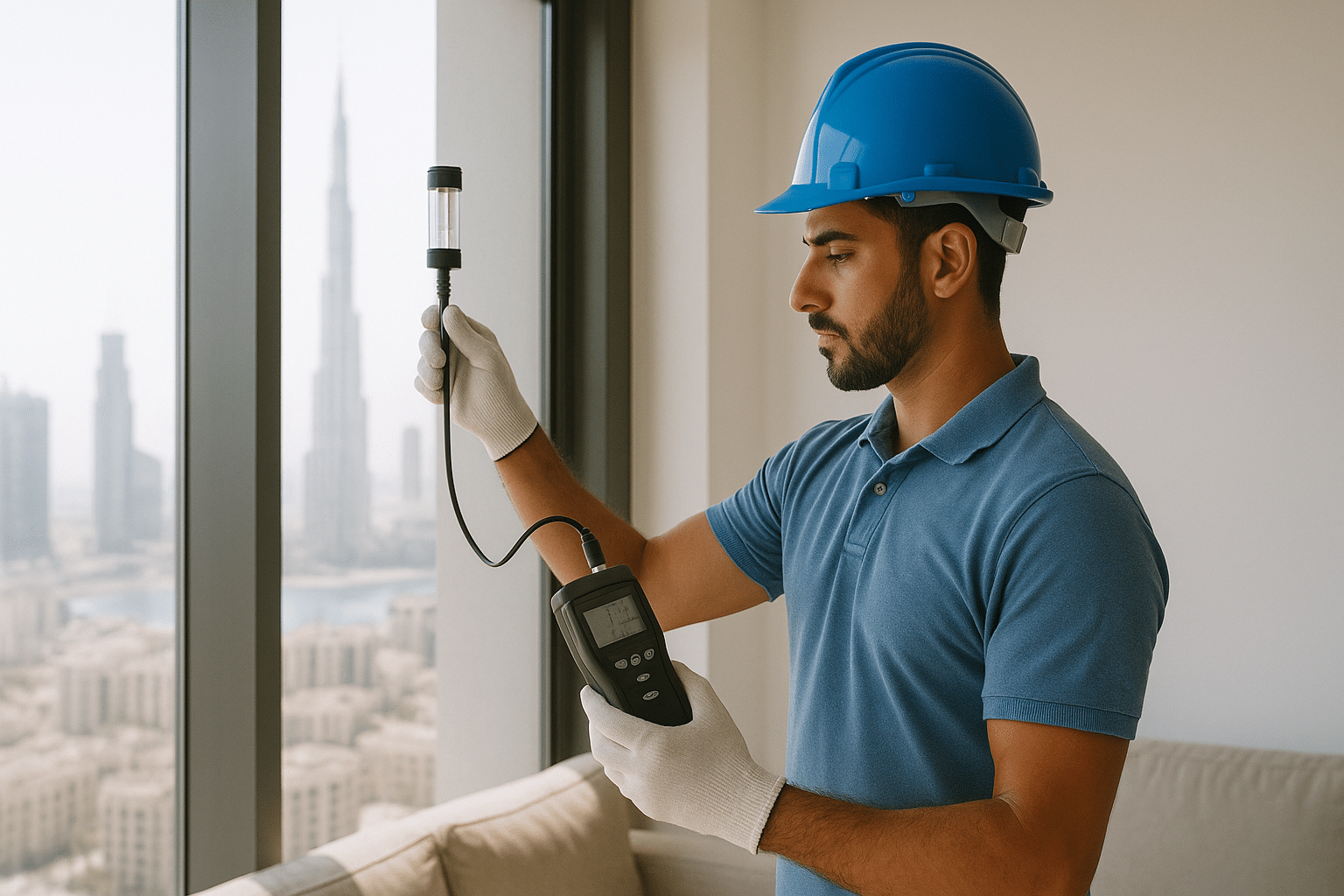
Moisture management represents the most critical aspect of preventing mold growth in educational AC systems. Educational facilities should implement comprehensive humidity control strategies that maintain indoor relative humidity between 40% and 60%—the range that minimizes mold growth while maintaining comfort. Digital hygrometers should be installed in various locations throughout facilities to monitor humidity levels continuously, with automated alerts when levels exceed predetermined thresholds.
Additional moisture control strategies for preventing mold growth in educational AC systems include proper ventilation balancing to prevent negative pressure situations that can draw humid air into building envelopes. Windows and doors should be properly sealed to minimize infiltration of humid outdoor air. In facilities with swimming pools or shower facilities, additional dehumidification systems may be necessary to handle excess moisture generation. These comprehensive moisture control measures form an essential component of any strategy focused on preventing mold growth in educational AC systems in Dubai’s humid climate.
Staff Training and Awareness Programs
Effective preventing mold growth in educational AC systems requires involvement from all facility staff, not just maintenance teams. Teachers, administrative staff, and cleaning personnel should receive basic training on recognizing signs of AC system issues and understanding their role in maintaining indoor air quality. Simple awareness programs can help staff identify early warning signs like musty odours, visible moisture around vents, or changes in air quality.
Maintenance staff require more specialized training focused on preventing mold growth in educational AC systems. This should include proper cleaning techniques, safe use of antimicrobial products, and understanding of HVAC system operation. Many Dubai-based facilities invest in certified training programs that cost approximately AED 2,000- AED 5,000 per staff member annually. This investment pays dividends through improved system performance, reduced emergency repairs, and better compliance with Dubai Municipality indoor air quality regulations for educational facilities.
Monitoring and Documentation Systems
Comprehensive monitoring and documentation systems are essential for successful preventing mold growth in educational AC systems. Educational facilities should implement digital logging systems that track temperature, humidity levels, filter changes, cleaning schedules, and maintenance activities. These records not only help in maintaining consistent preventive measures but also provide necessary documentation for regulatory compliance and health inspections.
Advanced monitoring systems for preventing mold growth in educational AC systems may include real-time particulate counters, CO2 monitors, and humidity sensors that provide continuous data on indoor air quality parameters. Many Dubai schools invest in building management systems that automatically alert facilities teams when parameters fall outside predetermined ranges. The initial investment of AED 15,000- AED 50,000 for such systems typically proves worthwhile through improved system efficiency, reduced health-related absenteeism, and demonstrated compliance with educational facility standards.
Expert Tips for Educational Facility Managers
Based on extensive experience with preventing mold growth in educational AC systems across Dubai, several expert recommendations emerge for facility managers. First, establish a preventive maintenance contract with a qualified AC hygiene specialist rather than waiting for problems to develop. These contracts typically cost 20-30% less than emergency service calls and provide consistent preventive care.
Second, prioritize coil cleaning and drain maintenance—these are the areas where mold most commonly originates in educational AC systems. Third, invest in high-quality filters and establish a strict replacement schedule, particularly after sandstorm events. Fourth, ensure proper documentation of all maintenance activities for compliance purposes. Finally, involve teachers and staff in indoor air quality awareness programs—they serve as the first line of detection for emerging issues. Implementing these expert tips significantly enhances efforts focused on preventing mold growth in educational AC systems.
Frequently Asked Questions
How often should educational AC systems be professionally cleaned in Dubai?
Most educational facilities require professional AC cleaning every six months, ideally before peak summer usage and during mid-year breaks. Facilities with known mold issues or high allergy rates may benefit from quarterly service.
What are the first signs of mold growth in school AC systems?
The earliest indicators typically include musty odours when systems start, increased allergy symptoms among occupants, visible moisture around vents, and reduced cooling efficiency. Regular professional inspections can detect mold before these signs become apparent.
Are chemical treatments safe for educational environments?
When applied by certified professionals using EPA-approved, child-safe disinfectants, chemical treatments are completely safe for educational environments. Proper application techniques and dwell times ensure effectiveness without compromising indoor air quality.
What humidity level should schools maintain to prevent mold growth?
Educational facilities should maintain indoor relative humidity between 40% and 60%. This range prevents mold growth while maintaining comfort for students and staff. Digital monitoring systems help maintain this range consistently.
How much does professional educational AC cleaning cost in Dubai?
Costs typically range from AED 8,000 to AED 25,000 depending on facility size, system complexity, and contamination levels. Preventive maintenance contracts often provide better value than individual service calls.
Preventing mold growth in educational AC systems requires a comprehensive, proactive approach tailored to Dubai’s unique climate challenges. By implementing regular maintenance schedules, professional cleaning protocols, moisture management strategies, and staff training programs, educational facilities can maintain healthy indoor environments that support student learning and wellbeing. The investment in preventing mold growth in educational AC systems pays dividends through improved health outcomes, reduced absenteeism, and optimal learning conditions that every educational institution should prioritize.