Mold In Ac Ducts Dubai: Causes, Risks And Removal Guide
Mold in AC ducts Dubai: causes, risks and removal is one of the most frequently searched indoor air quality concerns among Dubai homeowners and facility managers — and for good reason. In Dubai’s climate, where air conditioning operates continuously for up to ten months of the year and indoor humidity levels regularly exceed 60% during summer, ductwork creates near-ideal conditions for mould growth. Based on field investigations across Dubai villas, apartments, and commercial buildings, mold contamination inside AC systems is far more common than most occupants realise — and it is rarely resolved by basic filter cleaning alone.
Understanding Mold in AC ducts Dubai: causes, risks and removal requires looking at the system as a whole — not just the visible vents, but the internal duct surfaces, evaporator coil, drain tray, and condensate line where moisture accumulates every day. When these components are not cleaned and maintained correctly, mould colonises quickly and recirculates through the air supply, affecting every room connected to that system.
Mold In Ac Ducts Dubai: Causes, Risks And Removal – Why Mold Grows in Dubai AC Ducts
Mold requires three conditions to establish itself: moisture, a food source, and an absence of regular disruption. Dubai’s AC ductwork provides all three. The evaporator coil continuously removes moisture from indoor air during the cooling process, producing condensation that collects in the drain tray and flows through the drain line. When drainage is even slightly impeded, moisture backs up and maintains wet surfaces inside the air handler — precisely where air is drawn through before entering the duct network. This relates directly to Mold In Ac Ducts Dubai: Causes, Risks And Removal.
Dust entering the system from Dubai’s desert environment and from construction activity across the city settles on damp internal duct surfaces. That dust carries organic material — skin cells, fibres, and airborne particles — that feeds mould spores already present in the indoor environment. In galvanised iron (GI) ductwork and particularly in fibreglass-lined or pre-insulated flexible ducts, internal surfaces absorb moisture and provide an ideal substrate for mould colonisation.
Industry observations suggest that in Dubai villas with ducted central systems operating without annual deep cleaning, visible mould growth appears on internal duct surfaces within 18 to 24 months of the last service. In high-humidity coastal areas such as Jumeirah, Dubai Marina, and JBR, this timeline can be considerably shorter during summer months when outdoor humidity regularly exceeds 80%. When considering Mold In Ac Ducts Dubai: Causes, Risks And Removal, this becomes clear.
Mold In Ac Ducts Dubai: Causes, Risks And Removal – Identifying Mold in AC Ducts Dubai
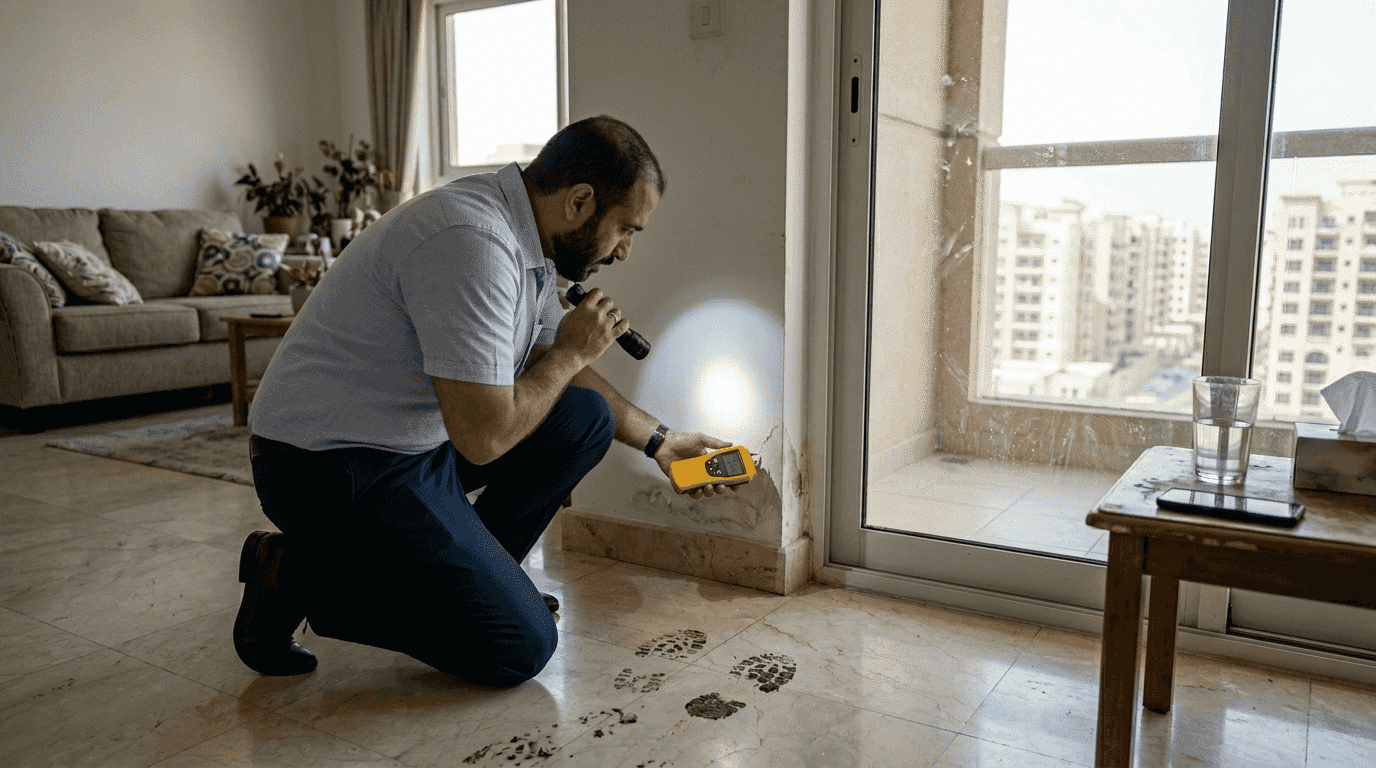
The most consistent early indicator of mold in AC ducts Dubai is a persistent musty or earthy odour that appears when the AC is running and disappears when it is switched off. This odour is caused by microbial volatile organic compounds (MVOCs) released by active mould colonies inside the duct system. Many occupants describe it as smelling like damp fabric or old paper — a recognisable sign that biological contamination is present somewhere in the air pathway.
Visual Signs at the Vents
Dark spotting or discolouration around supply grilles and diffusers is another warning sign. However, surface staining at the vent does not necessarily indicate the extent of contamination inside the duct. Mold colonies inside the ductwork can be extensive even when the visible grille appears relatively clean, because airflow deposits spores at the outlet point rather than uniformly throughout the system. The importance of Mold In Ac Ducts Dubai: Causes, Risks And Removal is evident here.
Occupant Symptoms as Indicators
When occupants — particularly children or those with respiratory sensitivities — experience worsening allergy symptoms, nasal congestion, eye irritation, or persistent coughing predominantly while indoors, and these symptoms improve upon leaving the building, the AC system warrants immediate inspection. These patterns are consistent with continuous low-level mould spore exposure from contaminated ductwork.
Mold In Ac Ducts Dubai: Causes, Risks And Removal – Health Risks of Mold in AC Ducts Dubai
Mold in AC ducts Dubai: causes, risks and removal conversations consistently return to the health dimension — because this is where the issue moves from maintenance to medical concern. When a ducted AC system circulates air through mould-contaminated ductwork, it aerosolises spores and MVOC gases continuously throughout the occupied space. Unlike a mould patch on a wall, which affects only the immediate area, duct contamination distributes pollutants to every room in the property.
The most commonly identified mould genera in Dubai AC systems include Aspergillus, Cladosporium, Penicillium, and in severe cases Stachybotrys. Aspergillus species are of particular concern in occupied environments because certain strains produce mycotoxins that affect respiratory tissue. Cladosporium is among the most prevalent outdoor moulds in the Gulf region and readily establishes indoors when moisture conditions allow.
Short-term health effects of mould spore exposure include throat irritation, sneezing, runny nose, and skin or eye reactions. Prolonged exposure — which is precisely what occurs when contaminated AC runs daily — is associated with chronic respiratory inflammation, asthma exacerbation, and in immunocompromised individuals, more serious fungal infections. Dubai Municipality and DHA health guidance both recognise indoor air quality as a component of building health and occupant safety. Understanding Mold In Ac Ducts Dubai: Causes, Risks And Removal helps with this aspect.
Who Is Most at Risk
Not all occupants respond to mould exposure in the same way. Children, whose respiratory systems are still developing, are disproportionately affected by chronic mould spore inhalation. In households where infants or young children sleep in rooms served by contaminated AC, the risk is elevated because children breathe faster than adults and spend more time in enclosed spaces with the AC running overnight.
Elderly residents, those with pre-existing asthma or allergic rhinitis, individuals on immunosuppressant medications, and occupants of clinics or healthcare facilities face elevated sensitivity. In Dubai nurseries, schools, and clinics, mold in AC ducts Dubai represents both a health and a regulatory risk — DHA hygiene certificate requirements for clinical facilities include HVAC system cleanliness as a component of indoor air quality compliance. Mold In Ac Ducts Dubai: Causes, Risks And Removal factors into this consideration.
Mold in AC Ducts Dubai Causes Risks and Removal Process
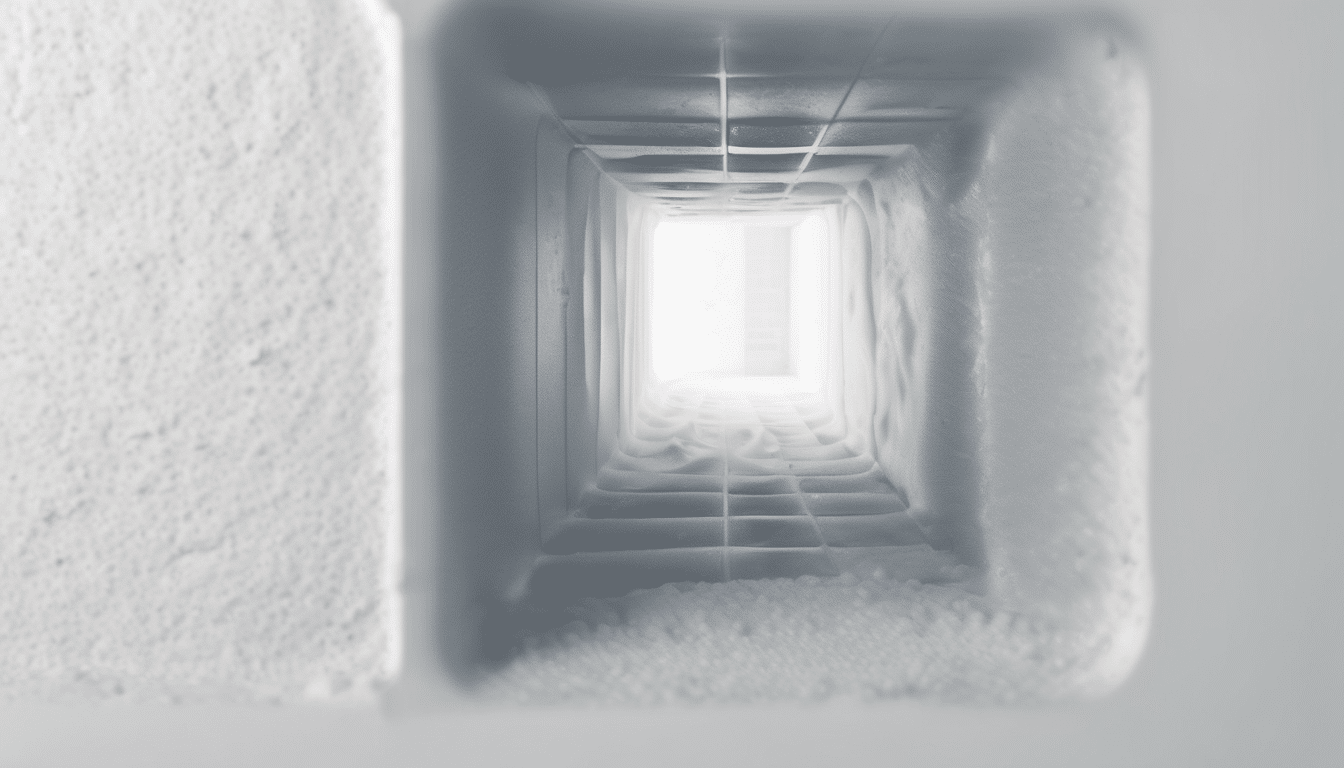
Addressing mold in AC ducts Dubai: causes, risks and removal correctly requires a structured process — not a single treatment applied without diagnosis. The removal process begins with a thorough inspection of the entire HVAC system: the evaporator coil, condensate tray, drain line, air handler interior, and accessible ductwork. This inspection identifies the origin of moisture, the extent of mould colonisation, and whether the contamination is localised or systemic.
Step 1 — Source Identification
Before any cleaning begins, the moisture source must be identified and corrected. If a blocked drain line or failing drain tray continues to allow moisture accumulation after cleaning, mould will return within weeks. Drain lines in Dubai systems frequently develop biofilm — a dense layer of bacteria and organic matter — that restricts flow and maintains perpetual wetness inside the air handler. Clearing this biofilm is a prerequisite for lasting mould remediation. This relates directly to Mold In Ac Ducts Dubai: Causes, Risks And Removal.
Step 2 — Mechanical Duct Cleaning
Physical removal of mould colonies and contaminated debris from duct surfaces is carried out using HEPA-filtered negative pressure equipment. This approach creates controlled airflow through the duct system, dislodging contamination while preventing spores from being released into the occupied space. Without negative pressure containment, mechanical cleaning risks dispersing spores throughout the property — worsening indoor air quality temporarily before it improves.
For flexible ductwork and pre-insulated duct panels, which are common in Dubai villa and apartment construction, mechanical agitation must be applied carefully to avoid damaging the internal lining. Damaged insulation lining creates additional surface area for future contamination and affects airflow performance. When considering Mold In Ac Ducts Dubai: Causes, Risks And Removal, this becomes clear.
Step 3 — Coil and Drain Tray Cleaning
The evaporator coil is the primary moisture point in the system and frequently harbours significant mould and biofilm growth. Coil cleaning using appropriate alkaline or acidic coil cleaners, followed by thorough rinsing, removes accumulated biofilm that would otherwise recontaminate freshly cleaned ductwork within days. The drain tray is treated simultaneously, as residual mould in this component is a direct source of ongoing contamination.
Step 4 — Antimicrobial Disinfection
Following mechanical cleaning, antimicrobial treatment is applied to internal duct surfaces, coil, and drain components. Effective disinfectants for mould in AC ducts Dubai include quaternary ammonium compounds and hydrogen peroxide-based formulations that are registered for HVAC use and are safe for occupied environments after appropriate dwell time and ventilation. Hospital-grade disinfectants are applied in clinical settings, nurseries, and facilities where occupant sensitivity is highest. The importance of Mold In Ac Ducts Dubai: Causes, Risks And Removal is evident here.
Disinfection After Mold Removal
Disinfection is not a substitute for mechanical cleaning — it is a complementary final stage. Applying chemical disinfectant to a surface still carrying mould colonies and organic debris is largely ineffective, because the disinfectant cannot reach or penetrate the biofilm layer. This is why proper mold in AC ducts Dubai: causes, risks and removal protocols require physical removal before chemical treatment, not instead of it.
After disinfection, adequate ventilation of the treated space is essential before full occupancy resumes. Volatile organic compounds from disinfectant chemicals — even those registered as occupant-safe — require air exchange to dissipate properly. In Dubai apartments with sealed windows and no natural cross-ventilation, this is managed by running the AC in fan-only mode with fresh air dampers open for a minimum of two hours post-treatment. Understanding Mold In Ac Ducts Dubai: Causes, Risks And Removal helps with this aspect.
Preventing Mold from Returning
Mold in AC ducts Dubai is a recurring problem when the conditions that produced the initial growth are not addressed. Prevention is built around three consistent practices. First, annual deep cleaning of the entire AC system — including coils, drain components, and ductwork — carried out before the summer humidity peak in May or June. Second, regular filter replacement or cleaning on a schedule appropriate to Dubai’s dust levels, typically every four to six weeks in active households. Third, periodic drain line flushing to prevent biofilm accumulation from obstructing condensate flow.
In properties where humidity levels remain persistently high despite correct AC operation — common in ground-floor units and older buildings — supplementary dehumidification or adjustment of thermostat setpoints can reduce the moisture load on the AC system and lower the risk of mould recurrence. Mold In Ac Ducts Dubai: Causes, Risks And Removal factors into this consideration.
Cost of Mold Removal from AC Ducts in Dubai
The cost of professional mold in AC ducts Dubai removal varies based on property size, system type, contamination severity, and whether disinfection is included. For a standard three-bedroom Dubai villa with a ducted central AC system, a full mould remediation service including mechanical duct cleaning, coil and drain treatment, and antimicrobial disinfection typically ranges from AED 1,200 to AED 2,800. Larger villas with five or more bedrooms and multiple air handler units may range from AED 2,500 to AED 4,500 depending on system complexity and access requirements.
Apartment units with split systems or fan coil units are generally less costly to treat, with per-unit mould remediation ranging from AED 300 to AED 600. Commercial spaces, clinics, and hospitality venues are quoted individually based on square metre coverage and system configuration. These figures reflect professional-grade remediation including HEPA containment — not basic cleaning services that address only visible surfaces. This relates directly to Mold In Ac Ducts Dubai: Causes, Risks And Removal.
Expert Takeaways
- Mold in AC ducts Dubai is caused by persistent moisture, dust accumulation, and insufficient cleaning frequency — not poor air quality in isolation.
- A musty smell from the AC when running is a primary early indicator of mould contamination inside the duct system or air handler.
- Mold in AC ducts Dubai: causes, risks and removal requires addressing the moisture source first — without this step, contamination will return regardless of treatment quality.
- HEPA-filtered negative pressure equipment prevents spore dispersal during mechanical cleaning and is a standard requirement for responsible mould remediation.
- Antimicrobial disinfection is effective only after physical removal of mould colonies and organic debris — chemical treatment alone is insufficient.
- Annual professional AC system cleaning before the Dubai summer humidity peak is the most effective preventive strategy for Dubai residential and commercial properties.
- Children, elderly residents, and those with respiratory conditions are most vulnerable to health effects from mould spore exposure via contaminated AC ducts.
Frequently Asked Questions
How do I know if there is mold in my AC ducts in Dubai?
The most reliable early indicator is a persistent musty or earthy odour when the AC is running that disappears when the system is switched off. Additional signs include dark spotting around supply grilles, unexplained allergy symptoms among occupants, and visible discolouration on duct surfaces near registers. A professional inspection using internal camera access provides definitive confirmation of mould presence and extent.
Is mold in AC ducts dangerous to health in Dubai homes?
Yes. Mould in AC ducts Dubai distributes spores continuously through the air supply to all connected rooms. Prolonged exposure is associated with respiratory irritation, asthma exacerbation, chronic nasal symptoms, and in vulnerable individuals — particularly children and immunocompromised occupants — more serious health effects. The risk is elevated in Dubai because AC operates almost continuously, providing constant spore circulation throughout the day and night. When considering Mold In Ac Ducts Dubai: Causes, Risks And Removal, this becomes clear.
Can I clean mold from AC ducts myself in Dubai?
Surface mould on accessible grilles and diffusers can be wiped down, but internal duct mould colonisation requires professional equipment and methodology. Without HEPA-filtered negative pressure containment, DIY cleaning risks dispersing spores throughout the property. Additionally, the moisture source — typically the coil, drain tray, or drain line — must be identified and treated, which requires technical access and appropriate cleaning chemicals not available for general consumer use.
How often should Dubai villa owners clean AC ducts to prevent mold?
In Dubai villas with ducted central AC systems, a professional deep clean including coil, drain, and ductwork is recommended annually. Given Dubai’s year-round AC usage, high dust levels, and summer humidity, annual cleaning before June is the standard preventive schedule. Households with children, pets, or occupants with respiratory sensitivities may benefit from a full inspection every six months to verify that mould has not re-established between full cleaning cycles. The importance of Mold In Ac Ducts Dubai: Causes, Risks And Removal is evident here.
What does mold removal from AC ducts cost in Dubai?
Professional mold in AC ducts Dubai remediation for a three-bedroom villa typically costs between AED 1,200 and AED 2,800, depending on system size, contamination level, and whether full disinfection is included. Larger villas with multiple air handler units may range from AED 2,500 to AED 4,500. Apartment split-system units are generally treated at AED 300 to AED 600 per unit. These are professional-standard figures including HEPA containment and antimicrobial treatment.
Does AC duct cleaning actually remove mold completely in Dubai properties?
Properly executed mould remediation — including mechanical cleaning, moisture source correction, and antimicrobial disinfection — substantially reduces mould contamination to safe levels in most cases. Complete eradication of every spore is not achievable because mould spores are present in ambient air. The objective is to remove active colonies, treat affected surfaces, and restore conditions that prevent recolonisation. Without addressing the moisture source, mould will return regardless of cleaning quality. Understanding Mold In Ac Ducts Dubai: Causes, Risks And Removal helps with this aspect.
Are there specific Dubai regulations requiring AC mold remediation in commercial properties?
Dubai Municipality and the Dubai Health Authority (DHA) have indoor air quality and HVAC hygiene requirements that apply to commercial, clinical, and hospitality facilities. DHA hygiene certificates required for clinics and healthcare facilities include HVAC cleanliness as a component of compliance. Facilities managers in Dubai offices, hotels, schools, and nurseries are expected to maintain HVAC hygiene records as part of broader health and safety obligations, though specific mould remediation standards reference ASHRAE guidelines as the applicable technical framework.
Addressing mold in AC ducts Dubai: causes, risks and removal is not a one-time intervention — it is part of a consistent approach to indoor air quality in a climate that demands more from HVAC systems than almost anywhere else in the world. Understanding why mould forms, recognising the early signs, and engaging qualified professionals for proper remediation are the three steps that protect both occupants and the long-term performance of the system. Clean ductwork is not a cosmetic concern — it is a health requirement for every Dubai home and facility where people spend the majority of their day breathing recirculated air.