Mold in AC Ducts Guide
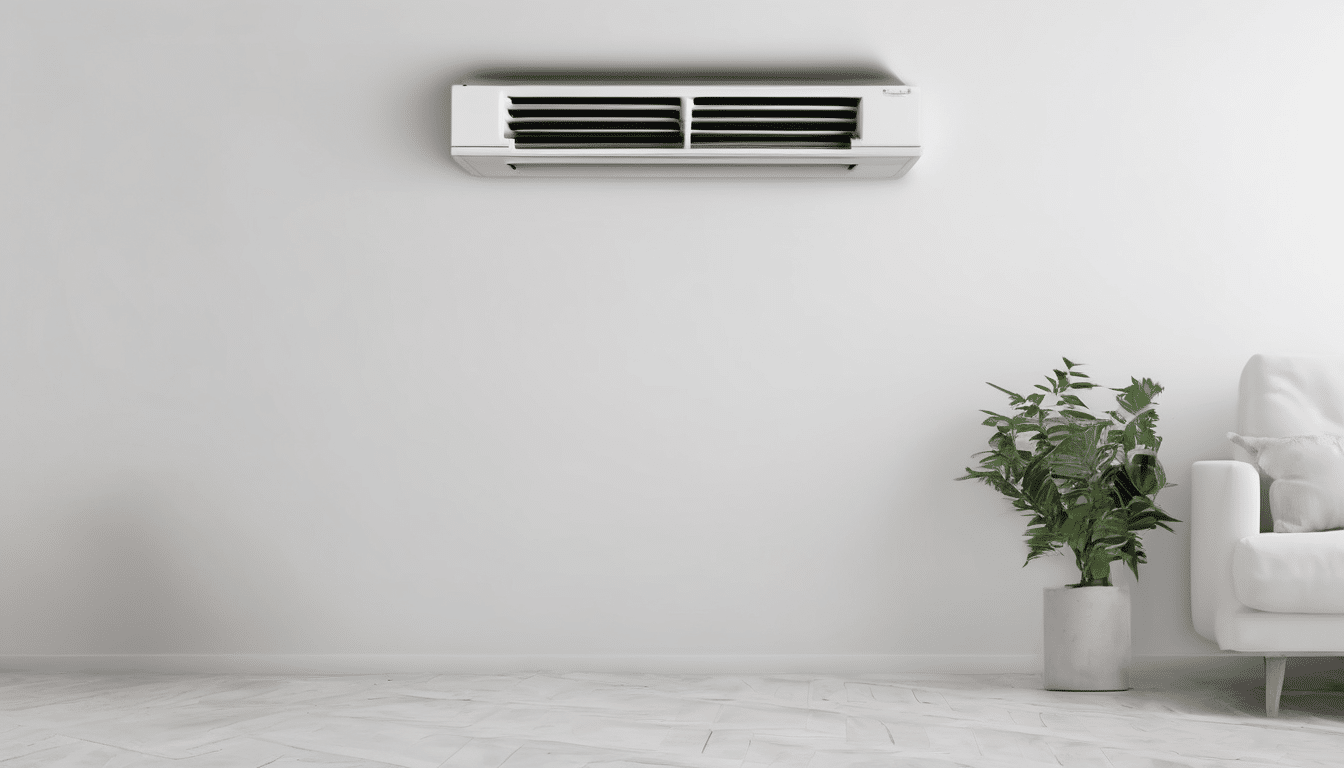
Understanding Mold in AC Ducts: Causes, Detection and Removal is essential. There is a moment — usually in the cooler months when you first step indoors after a warm afternoon — when something in the air feels slightly off. Not unpleasant exactly, but not quite right either. A faint mustiness that wasn’t there last season. That sensory shift is often the earliest indication that mould has established itself somewhere inside your AC system. Understanding mold in AC ducts, its causes, detection, and removal is the first step toward restoring the air quality your household breathes every day.
In Dubai’s residential environment, this is not a rare situation. Saniservice field specialists encounter mould-related contamination across a broad range of property types — from compact apartments in Jumeirah Village Circle to sprawling villas in Emirates Hills. The conditions that drive mould growth in AC ducts are deeply connected to how Dubai’s climate interacts with continuously operating HVAC systems. Knowing what those conditions are, and how to address them properly, changes the conversation from reactive cleaning to genuine indoor wellbeing. This relates directly to Mold in AC Ducts: Causes, Detection and Removal.
This guide covers mold in AC ducts, the causes behind why it forms, the detection methods that locate it accurately, and the removal process that eliminates it at the root rather than at the surface. If your system has been cleaned before and the problem returned within weeks, the answer lies in understanding each of these stages. When considering Mold in AC Ducts: Causes, Detection and Removal, this becomes clear.
Mold in AC Ducts: Causes, Detection and Removal – Why Mold Forms Inside AC Ducts in the UAE
Contents
- 1 Mold in AC Ducts: Causes, Detection and Removal – Why Mold Forms Inside AC Ducts in the UAE
- 2 Mold in AC Ducts: Causes, Detection and Removal – Detecting Mold in AC Ducts Before It Spreads
- 3 Mold in AC Ducts: Causes, Detection and Removal – Causes That Drive Recurring Mold in AC Ducts
- 4 The Professional Removal Process for Mold in AC Ducts
- 5 How Dubai’s Climate Makes Mold in AC Ducts More Likely
- 6 Preventing Mold in AC Ducts from Returning
- 7 Expert Takeaways on Mold in AC Ducts
- 8 Frequently Asked Questions
- 8.1 How do I know if there is mould in my AC ducts in Dubai?
- 8.2 What causes mold in AC ducts in UAE apartments and villas?
- 8.3 Can mold in AC ducts come back after cleaning?
- 8.4 Is it safe to run the AC while there is mould in the ducts?
- 8.5 How long does professional mold removal from AC ducts take?
- 8.6 How often should Dubai villa owners have their AC ducts checked for mould?
- 8.7 Does Saniservice offer indoor air quality testing alongside mold removal from AC ducts?
- 9 What Clean Air Actually Feels Like
Mold in AC ducts has a specific set of requirements: moisture, an organic food source, and a surface to colonise. Dubai’s climate provides all three in abundance during the summer months and — less obviously — throughout the rest of the year inside sealed, continuously operating systems. The importance of Mold in AC Ducts: Causes, Detection and Removal is evident here.
When warm, humid outdoor air meets the cold interior surfaces of an AC duct, condensation forms. In a system that runs 18 to 22 hours a day, those surfaces never fully dry out. The result is a consistently moist environment that mould spores — present in both outdoor air and dust — can settle into and begin to grow. Dust accumulation inside the ductwork provides the organic material that feeds this growth. Understanding Mold in AC Ducts: Causes, Detection and Removal helps with this aspect.
Construction activity across Dubai and Sharjah introduces elevated particulate matter into outdoor air. These fine particles infiltrate AC systems through return air grilles and settle deep inside ductwork, on coil fins, and across drain pans. When moisture combines with that dust layer, the conditions for mould colonisation are complete. Mold in AC Ducts: Causes, Detection and Removal factors into this consideration.
The Role of Drain Pans and Evaporator Coils
Mold in AC ducts rarely begins in the ducts themselves. More commonly, it originates at the evaporator coil or in the drain pan beneath it. Biofilm — a layered community of microbial organisms — forms across drain surfaces when drainage is slow or blocked. This biofilm produces the musty odour many residents associate with a “dirty AC” and releases spores that travel through the ductwork with every cycle. This relates directly to Mold in AC Ducts: Causes, Detection and Removal.
Once spores are airborne inside the system, they deposit throughout the duct network. Over time, and without intervention, mould growth extends from the origin point outward through the entire system. This is why surface-level vent cleaning rarely resolves the problem — the source remains untouched. When considering Mold in AC Ducts: Causes, Detection and Removal, this becomes clear.
Mold in AC Ducts: Causes, Detection and Removal – Detecting Mold in AC Ducts Before It Spreads
Accurate detection of mold in AC ducts requires more than a visual inspection of the supply grilles. By the time mould is visible at a vent face, colonisation inside the system is typically well established. Proper detection works backwards from the symptom toward the source. The importance of Mold in AC Ducts: Causes, Detection and Removal is evident here.
Sensory and Environmental Indicators
The most commonly reported indicator is a musty or sour odour that appears when the AC is running and disappears when it is off. This odour tends to be strongest in the room served by the affected unit and may vary between rooms depending on which ducts are contaminated. Residents with respiratory sensitivities — including those with asthma or dust allergies — sometimes notice increased symptom frequency before any visible sign appears. Understanding Mold in AC Ducts: Causes, Detection and Removal helps with this aspect.
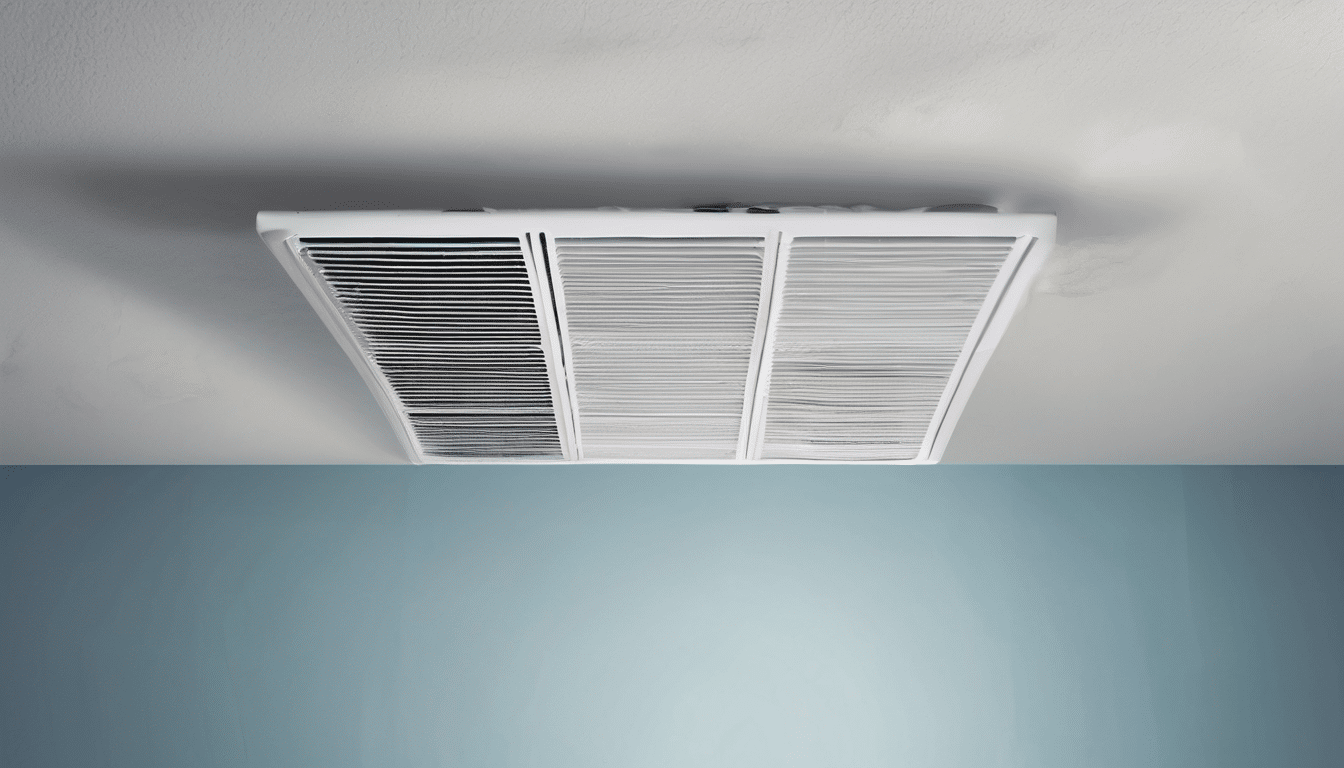
Other environmental signals include visible discolouration around supply diffusers, a grey or brownish film on vent faces, and in some cases, visible growth on flexible duct surfaces near the air handler. These are late-stage indicators. Waiting for them means the mould has already had significant time to colonise the system. Mold in AC Ducts: Causes, Detection and Removal factors into this consideration.
Professional Assessment Methodology
Saniservice specialists approach mold detection in AC ducts using a structured methodology aligned with NADCA inspection standards. This includes remote camera inspection inside ductwork to document contamination type, location, and extent; assessment of evaporator coil and drain pan condition; and airflow analysis to identify zones of reduced performance that may indicate blockage or heavy contamination. This relates directly to Mold in AC Ducts: Causes, Detection and Removal.
Where indoor air quality testing is indicated — particularly in clinics, nurseries, or properties where occupants report persistent symptoms — surface sampling and air particle analysis provide lab-verified data on contamination levels before and after remediation. Saniservice operates its own microbiology laboratory, which means results are generated and interpreted by the same team conducting the service rather than an unrelated third party. When considering Mold in AC Ducts: Causes, Detection and Removal, this becomes clear.
Mold in AC Ducts: Causes, Detection and Removal – Causes That Drive Recurring Mold in AC Ducts
One of the most frustrating patterns Saniservice specialists encounter is mold in AC ducts that returns within weeks of cleaning. Understanding why this happens requires identifying the root cause rather than treating only what is visible. The importance of Mold in AC Ducts: Causes, Detection and Removal is evident here.
The most common cause of recurrence is incomplete remediation. If the evaporator coil or drain pan is not fully cleaned and disinfected, the mould source remains active. Spores from the untreated origin point recolonise the cleaned duct surfaces almost immediately. This is particularly common when cleaning is limited to accessible duct sections or supply registers without addressing the air handler itself. Understanding Mold in AC Ducts: Causes, Detection and Removal helps with this aspect.
A second cause is inadequate drain line maintenance. Partially blocked drain lines allow water to pool in the drain pan for extended periods, creating the moisture conditions that support mould growth regardless of how recently the ducts were cleaned. Mold in AC Ducts: Causes, Detection and Removal factors into this consideration.
Thirdly, insulation damage inside flexible ducts creates irregular surfaces where moisture traps and spores accumulate. Once internal insulation is degraded, the material itself becomes a substrate for mould growth that cannot be removed through cleaning alone — the duct section must be replaced. This relates directly to Mold in AC Ducts: Causes, Detection and Removal.
The Professional Removal Process for Mold in AC Ducts
Effective removal of mold in AC ducts is a system-level process, not a single-component treatment. What separates a lasting result from a temporary one is whether every contaminated component — coils, drain pans, drain lines, and ductwork — is addressed within the same service visit using appropriate methodology. When considering Mold in AC Ducts: Causes, Detection and Removal, this becomes clear.
Negative Pressure Containment
Before any agitation of duct surfaces begins, HEPA-filtered negative pressure equipment is connected to the duct system. This creates a controlled airflow direction that draws dislodged debris and spores toward collection rather than allowing them to disperse into the room. This step is particularly important in occupied homes, nurseries, and medical facilities where occupant safety during the process is a primary concern. The importance of Mold in AC Ducts: Causes, Detection and Removal is evident here.
Mechanical Cleaning and Coil Treatment
Mold in AC ducts that has penetrated beyond the surface layer of duct lining requires mechanical agitation — brushing and HEPA-vacuum extraction — to dislodge colonised material. This is followed by coil cleaning using appropriate chemical application, drain pan scrubbing to remove biofilm, and drain line flushing to restore unobstructed drainage. Understanding Mold in AC Ducts: Causes, Detection and Removal helps with this aspect.
Disinfection treatments applied after mechanical cleaning use antimicrobial agents selected for both efficacy against mould and safety in occupied residential environments. Saniservice applies human-safe formulations that have been evaluated for off-gassing and volatility, particularly important in bedrooms, children’s rooms, and enclosed apartment spaces. Mold in AC Ducts: Causes, Detection and Removal factors into this consideration.
Post-Treatment Verification
Verification after mold removal from AC ducts should be measurable, not assumed. Post-service inspection using camera documentation provides before-and-after evidence of duct condition. Where air quality testing was conducted prior to service, repeat sampling confirms the measurable improvement in particulate and microbial load. This evidence-based approach is the standard Saniservice maintains across every residential and commercial project.
How Dubai’s Climate Makes Mold in AC Ducts More Likely
Dubai’s outdoor humidity during summer months regularly exceeds 80 to 90 percent, particularly in coastal zones and areas near water bodies such as Dubai Marina and Palm Jumeirah. When this humid air enters an AC system — even briefly through a return air grille — it introduces a moisture load that the drainage system must manage continuously.
Systems that are undersized for the space they serve, or that have coils partially blocked by dust accumulation, struggle to manage this moisture load effectively. Condensate production increases, drainage pathways become overwhelmed, and standing water in the drain pan creates the ideal environment for mold in AC ducts to establish itself rapidly.
Abu Dhabi and Sharjah properties face comparable conditions, though the specific contamination patterns can vary based on building age, construction type, and proximity to industrial or construction activity. Older systems with galvanised ductwork that has surface oxidation provide additional substrate for mould attachment compared to newer pre-insulated duct systems.
Preventing Mold in AC Ducts from Returning
Prevention of mold in AC ducts is best approached as a scheduled programme rather than a reactive response. The appropriate cleaning interval for a Dubai villa or apartment depends on system age, occupancy, proximity to construction, and whether any occupants have known sensitivities. In general, systems in continuously occupied properties benefit from professional inspection and cleaning at intervals recommended by NADCA guidelines, adjusted for UAE operating conditions.
Between professional services, filter maintenance is the most accessible preventive action available to residents. Clean filters reduce the dust load entering the duct system and slow the rate at which organic material accumulates on coil surfaces and duct walls. However, filter replacement alone does not address contamination that is already present — it is a maintenance tool, not a remediation one.
Drain pan treatment with approved biocide tablets between services can slow biofilm reformation in systems known to have drainage challenges. Saniservice specialists can advise on appropriate products for specific system configurations during or after a professional service visit.
Expert Takeaways on Mold in AC Ducts
- Mold in AC ducts originates most often at the evaporator coil or drain pan, not at the vent face — cleaning that begins at the vents without addressing the air handler treats the symptom, not the cause.
- A musty odour that appears when the AC runs and disappears when it is off is the earliest and most reliable sensory indicator of mould presence inside the duct system.
- Recurring mould after cleaning is nearly always the result of incomplete remediation — a surviving source recolonises cleaned surfaces within weeks.
- Negative pressure containment during cleaning is essential in occupied homes, not optional — it prevents dislodged spores from dispersing into living spaces during the service.
- Lab-verified post-service testing is the only way to confirm that mold removal from AC ducts achieved a measurable improvement in indoor air quality.
- Prevention programmes, rather than reactive cleaning, are the most cost-effective approach for Dubai properties where systems operate continuously throughout the year.
Frequently Asked Questions
How do I know if there is mould in my AC ducts in Dubai?
The earliest sign is a musty or earthy odour that appears when the AC is operating and fades when it is switched off. Visible discolouration around supply vents is a later-stage indicator. Residents with allergies or asthma may notice increased symptom frequency before any visible sign is present. A professional camera inspection provides definitive confirmation of mould presence and location.
What causes mold in AC ducts in UAE apartments and villas?
Mold in AC ducts in the UAE forms when moisture — from condensation on cold duct surfaces or from a slow-draining drain pan — combines with dust and organic material inside the system. Dubai’s high summer humidity accelerates this process significantly. Systems that run continuously without adequate drainage maintenance or filter care are most susceptible to mould colonisation.
Can mold in AC ducts come back after cleaning?
Yes, and it commonly does when cleaning is incomplete. If the evaporator coil, drain pan, or drain line retains active mould or biofilm after the service, spores from those untreated areas recolonise the cleaned duct surfaces within weeks. Effective removal requires treating the entire system — not only the accessible duct sections — using verified disinfection methods.
Is it safe to run the AC while there is mould in the ducts?
Running an AC system with active mould contamination circulates spores through every room the system serves. For most occupants, this may cause mild irritation or a persistent musty odour. For those with asthma, allergies, or respiratory sensitivities — including young children and elderly residents — the impact on indoor wellbeing can be more noticeable. Professional assessment and remediation should be prioritised.
How long does professional mold removal from AC ducts take?
The duration depends on system size, contamination extent, and duct configuration. A standard residential split system typically requires a few hours for thorough cleaning and disinfection. Larger villa systems with centralised ductwork or multiple air handlers may require a full day. Saniservice specialists assess scope during the initial inspection and provide a clear timeline before work begins.
How often should Dubai villa owners have their AC ducts checked for mould?
Given Dubai’s continuous AC usage, high humidity during summer, and elevated dust load from construction activity, professional inspection and cleaning at regular intervals is advisable — typically aligned with NADCA recommendations adjusted for UAE operating conditions. Properties with known drainage issues, post-construction dust, or occupants with respiratory sensitivities may benefit from more frequent assessment.
Does Saniservice offer indoor air quality testing alongside mold removal from AC ducts?
Yes. Saniservice operates its own microbiology laboratory, which enables pre- and post-service air quality testing that provides lab-verified evidence of contamination levels and the measurable improvement achieved after remediation. This is particularly valuable for clinics, nurseries, schools, and residential clients who want objective confirmation rather than a visual assessment alone.
What Clean Air Actually Feels Like
Here is how you will know the difference after proper mold removal from AC ducts: the mustiness is gone, but more noticeably, the absence of something you had stopped noticing. The air in the bedroom feels cleaner when you wake up. The living room doesn’t carry that faint undertone in the evening. Occupants who had attributed low-grade morning congestion to seasonal dust find it simply doesn’t recur.
Mold in AC ducts, its causes, detection, and removal, is ultimately a conversation about what the air in your home does for the people living in it every day. In Dubai’s sealed, continuously air-conditioned indoor environment, that air is recirculated constantly — and what travels through your duct system shapes every breath taken inside.
If you have noticed the signs described in this guide, or if your system has been cleaned before and the problem returned, Saniservice specialists are available to conduct a thorough professional assessment. The investigation begins with your system as it actually is — not as it was assumed to be after the last service. See what your air quality looks like. Understanding Mold in AC Ducts: Causes, Detection and Removal is key to success in this area.