AC Coil Cleaning and Why It Affects Air Quality in Dubai
AC Coil Cleaning and why it affects air quality is not a technical question reserved for engineers. It is a practical question that matters to every family living in a UAE villa or apartment, particularly as the region moves into the months when air conditioning operates without pause. The coil is the point in your HVAC system where air is cooled, where moisture condenses, and where contamination accumulates quietly over time. What happens at that surface shapes what you breathe every single day.
In Dubai, Abu Dhabi, Sharjah, and across the northern emirates, residential AC systems run continuously through summer — often from April through October. That uninterrupted operation creates conditions inside the coil bay that most homeowners never see and most basic service calls never properly address. Understanding AC coil cleaning and why it affects air quality begins with understanding what a coil actually does, and what builds up on it when cleaning is incomplete or infrequent.
This article goes deep on that question. It explains the science of coil contamination, how seasonal conditions accelerate it in the Gulf climate, and why a coil that looks serviceable may still be delivering compromised air to every room in your home.
AC Coil Cleaning and Why It Affects Air Quality – What the Evaporator Coil Actually Does
Contents
- 1 AC Coil Cleaning and Why It Affects Air Quality – What the Evaporator Coil Actually Does
- 2 AC Coil Cleaning and Why It Affects Air Quality – How the Gulf Climate Intensifies Coil Contamination
- 3 The Seasonal Moment That Matters Most
- 4 AC Coil Cleaning and Why It Affects Air Quality Through Airflow Restriction
- 5 Moisture-Driven Microbial Conditions Inside the Coil Bay
- 6 The Condenser Coil and Outdoor Air Quality Interaction
- 7 Recognising When Coil Cleaning Is Due
- 8 Expert Takeaways for UAE Homeowners
- 9 Frequently Asked Questions
- 9.1 How often should AC coil cleaning be done in Dubai homes?
- 9.2 What is the connection between AC coil cleaning and why it affects air quality in my home?
- 9.3 Can I clean AC coils myself without professional help?
- 9.4 Why does my AC smell musty even after a recent service in Sharjah or Abu Dhabi?
- 9.5 Does AC coil cleaning actually improve cooling performance?
- 9.6 Is AC coil cleaning safe for families with children and elderly residents?
- 9.7 What is the difference between AC coil cleaning and AC duct cleaning?
- 10 Conclusion
The evaporator coil sits inside your indoor AC unit, typically within the air handling unit or ducted split system. Warm air from your home passes across the coil’s refrigerant-cooled surface, loses heat, and returns to your rooms as conditioned air. This process happens continuously, cycling your indoor air through that coil bay dozens of times each day.
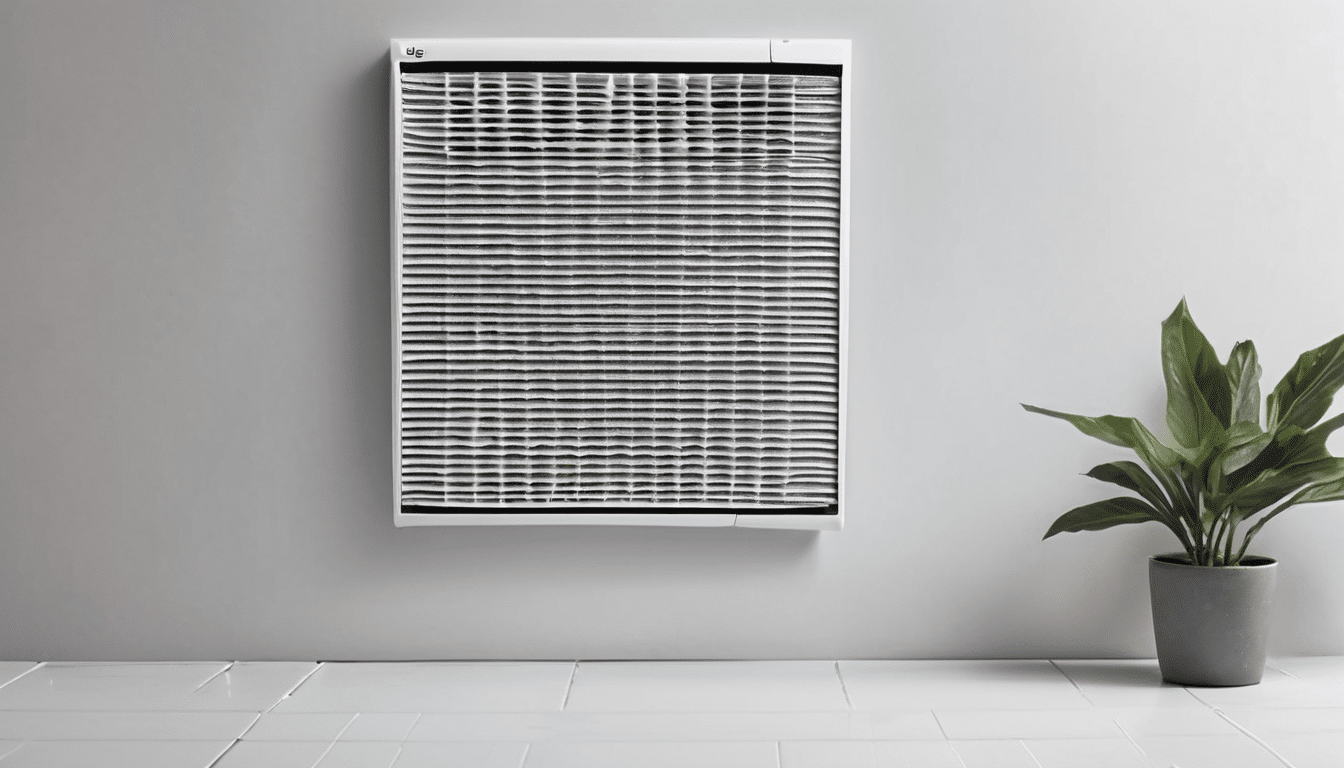
Because the coil surface is cold and moist by design, it acts as a natural collection point for everything carried in that airstream: fine dust, fibre particles, skin cells, pollen, and anything else that passes through your filter system and reaches the coil. Over time, these particles accumulate as a layer of soiling on the coil fins — a surface that becomes progressively less effective at heat exchange and progressively more hospitable to moisture-driven microbial conditions. This relates directly to AC Coil Cleaning and Why It Affects Air Quality.
Understanding AC coil cleaning and why it affects air quality starts here. The coil is not passive equipment. It is an active interface between your HVAC system and your indoor air. Its condition determines the quality of what that system delivers.
AC Coil Cleaning and Why It Affects Air Quality – How the Gulf Climate Intensifies Coil Contamination
The UAE presents four conditions that make coil contamination more severe than in most residential markets worldwide. First, continuous operation means coils never have a true dry-out period. In climates with distinct seasons, AC systems rest during cooler months, allowing residual moisture to evaporate. In the Gulf, that rest period does not exist in most homes.
Second, desert dust and construction particulates are fine enough to pass through standard filters in measurable quantities. Dubai, Sharjah, and Ras Al Khaimah experience seasonal dust events and persistent low-level particulate from nearby development. That fine dust reaches the coil and compacts between the fins over weeks.
Third, summer humidity in the UAE — particularly in coastal areas including Abu Dhabi, Fujairah, and Umm Al Quwain — keeps the coil surface wet for extended periods. Condensation on an already-soiled coil creates the sustained moisture conditions that allow microbial activity to develop within the coil bay. When considering AC Coil Cleaning and Why It Affects Air Quality, this becomes clear.
Fourth, residential buildings in the UAE are tightly sealed for energy efficiency. This limits natural dilution of indoor air contaminants and means the system recirculates the same air repeatedly. AC coil cleaning and why it affects air quality becomes especially significant in sealed environments where there is no passive ventilation to compensate for a contaminated system.
The Seasonal Moment That Matters Most
If there is a single period in the UAE calendar when AC coil cleaning and why it affects air quality deserves the most attention, it is the pre-summer window — roughly March and April — before temperatures exceed 35°C and systems shift into continuous operation. Addressing coil soiling and microbial conditions before the system runs flat-out means those conditions are not amplified through six months of uninterrupted air recirculation.
The second critical window arrives at the end of summer, typically September and October. By this point, coils have accumulated a full season of continuous-use contamination. Any biofilm that developed on drain trays and coil surfaces through the high-humidity months should be assessed and professionally removed before systems transition to the cooler season’s intermittent use.
Families who schedule AC coil cleaning and why it affects air quality reviews outside these windows — mid-summer or during the mild winter months — often find that the conditions most relevant to their home’s air quality were already well-advanced before the technician arrived. Timing the service correctly is as important as the service itself.
AC Coil Cleaning and Why It Affects Air Quality Through Airflow Restriction
A soiled coil does not just affect the air quality passing through it. It restricts the volume of air your system can move. When dust and particulate compact between the coil fins, airflow resistance increases. The system works harder to circulate the same volume of air, drawing more energy and placing mechanical stress on the fan motor and compressor.
From an indoor air quality perspective, reduced airflow means reduced air exchanges per hour. Your system cleans and conditions the air in your home less frequently, allowing airborne particulate to remain suspended longer. Rooms that felt comfortable with a clean coil begin to feel stale or insufficiently cooled as restriction increases.
NADCA-aligned field assessment consistently identifies coil soiling as one of the primary contributors to both reduced system efficiency and degraded indoor air quality in residential systems. These two outcomes are connected: a coil that cannot transfer heat efficiently is also a coil that cannot deliver properly conditioned air to your living spaces.
Moisture-Driven Microbial Conditions Inside the Coil Bay
The coil bay is a cold, dark, wet environment during summer operation. When organic material accumulates on coil surfaces or within the drain pan below, it creates conditions that support microbial activity. In residential systems across Dubai and Abu Dhabi, field assessments commonly identify biofilm formation in condensate drain pans and on the lower fins of heavily soiled evaporator coils. The importance of AC Coil Cleaning and Why It Affects Air Quality is evident here.
This is where AC coil cleaning and why it affects air quality becomes directly relevant to family health. Air passing through a coil bay with active microbial conditions picks up what is present in that environment. Residents may notice musty or sour odours from supply registers, particularly noticeable when the system first starts up after being off for a few hours. That odour is a sensory indicator of conditions inside the coil bay — not a cosmetic issue, and not something that resolves with filter replacement.
What Proper Coil Cleaning Addresses
Professional evaporator coil cleaning involves more than applying a spray and wiping visible surfaces. At SaniHome, Saniservice’s residential AC division, the process includes mechanical soiling removal from coil fins, drain pan cleaning and biofilm removal, application of a Dubai Municipality approved antibacterial and antifungal bio-sanitiser to coil surfaces and the surrounding bay, and confirmation that the condensate drain is clear and flowing correctly.
The bio-sanitiser used follows documented NADCA-certified protocols and is selected specifically for use in occupied homes — child-safe, low-VOC, and applied with controlled dwell time to allow proper action before the system is returned to service. Occupants are advised to ventilate the treated space for a defined period after service. These are not optional courtesies. They are protocol steps that reflect the health-first approach SaniHome technicians apply in every Dubai, Sharjah, and Abu Dhabi home they enter.
The Condenser Coil and Outdoor Air Quality Interaction
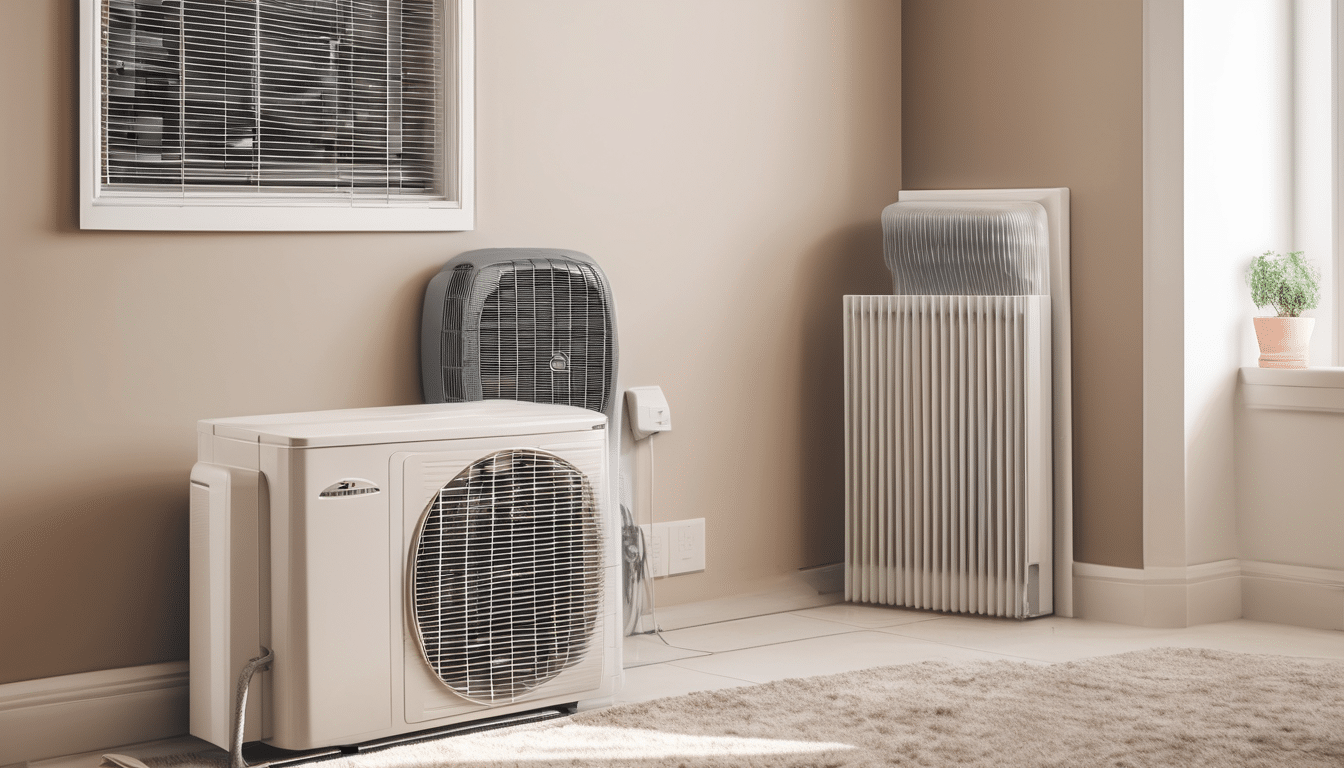
AC coil cleaning and why it affects air quality extends beyond the indoor evaporator coil. The condenser coil sits in the outdoor unit, rejecting heat from the refrigerant into the exterior air. In UAE environments, condenser coils accumulate desert dust, sand particles, and fibrous material from surrounding vegetation and construction sites.
A blocked condenser coil forces the system to reject heat less efficiently, raising condensing pressure and reducing the temperature differential the evaporator can achieve. In practical terms, the indoor coil becomes less cold, condenses less moisture from the indoor air, and delivers less effective dehumidification. In a humid coastal climate, loss of dehumidification capacity allows indoor relative humidity to rise — which in turn accelerates the very moisture-driven microbial conditions in the evaporator bay that compromise indoor air quality.
System-level AC coil cleaning and why it affects air quality assessment must include both coils. Addressing only the evaporator while leaving a heavily soiled condenser is a partial service that will underperform within weeks.
Recognising When Coil Cleaning Is Due
Homeowners in Dubai villas and Sharjah apartments do not need specialist instruments to identify the common indicators of coil soiling. The signs appear in how the system feels and how the home smells. A system delivering less cool air than usual despite running continuously is often working against coil restriction rather than a refrigerant issue. A persistent musty odour from supply registers, particularly in bedrooms or living areas, commonly reflects moisture-driven microbial conditions in the coil bay. Increased energy bills during peak summer months without a change in usage patterns frequently trace back to degraded coil heat transfer efficiency.
Families with residents who have allergies, asthma, or other respiratory sensitivities may notice that symptoms worsen indoors even when outdoor air quality is adequate. This is a common pattern observed in homes where coil conditions have been allowed to develop over multiple seasons without professional assessment. AC coil cleaning and why it affects air quality is directly relevant to these households, where the air delivered by the system is among the most significant environmental factors affecting daily wellbeing.
Expert Takeaways for UAE Homeowners
- Schedule professional evaporator coil assessment before the summer operating season begins, ideally in March or April, and again at the end of summer in September or October.
- Do not treat filter replacement as equivalent to coil cleaning. Filters capture a portion of airborne particulate, but the coil accumulates what passes through, and that accumulation requires professional removal.
- Ensure any coil cleaning service includes drain pan inspection and biofilm removal. A clean coil above a contaminated drain pan will redevelop moisture-driven microbial conditions within weeks.
- Request that both evaporator and condenser coils are assessed as part of the same service. System-level cleaning prevents the partial-service performance drop that frustrates homeowners who have serviced their AC recently but still notice poor results.
- Ask for before-and-after documentation. SaniHome produces service reports that confirm what was found, what was done, and what changed — because improvement that cannot be measured cannot be trusted.
- Choose a bio-sanitiser that carries Dubai Municipality approval and is documented as safe for use in occupied residential spaces, particularly in homes with children or elderly residents.
Frequently Asked Questions
How often should AC coil cleaning be done in Dubai homes?
Based on field assessments across Dubai villas and apartments, evaporator coil cleaning is typically recommended at least once per year, with twice-yearly assessment for homes that run AC continuously through the full summer season. The pre-summer window in March and April and the post-summer window in September and October represent the two most impactful service timings in the UAE climate.
What is the connection between AC coil cleaning and why it affects air quality in my home?
The evaporator coil is the surface all your indoor air passes across before returning to your rooms. Soiling, biofilm, and moisture-driven microbial conditions on that surface directly affect what is carried in the conditioned air. A professionally cleaned coil delivers measurably cleaner airflow and removes the conditions that produce musty odours and elevated particulate recirculation.
Can I clean AC coils myself without professional help?
Surface-level coil fin brushing is possible for homeowners, but it does not remove compacted particulate between fins, does not address biofilm in the drain pan, and does not apply the documented disinfection protocols required to reduce moisture-driven microbial conditions effectively. Professional coil cleaning using NADCA-aligned methods and Dubai Municipality approved bio-sanitisers delivers outcomes that self-cleaning cannot replicate.
Why does my AC smell musty even after a recent service in Sharjah or Abu Dhabi?
A musty or sour odour from supply registers after a service typically indicates that the previous service did not address the coil bay and drain pan comprehensively. If the drain pan was not cleaned and biofilm was not removed, moisture-driven microbial conditions remain active and continue to affect the air passing through the system. A system-level service that includes drain pan biofilm removal will address the source rather than the symptom. Understanding AC Coil Cleaning and Why It Affects Air Quality helps with this aspect.
Does AC coil cleaning actually improve cooling performance?
Consistently, yes. Soiling on evaporator and condenser coil fins acts as insulation, reducing the efficiency of heat transfer between the refrigerant and the airstream. A professionally cleaned coil restores the designed heat transfer coefficient, which translates to more effective cooling at lower energy consumption. This outcome is observable in how the system performs within the first few days after service.
Is AC coil cleaning safe for families with children and elderly residents?
When conducted by trained SaniHome technicians using Dubai Municipality approved bio-sanitisers and following documented post-treatment ventilation protocols, AC coil cleaning is safe for occupied homes. Technicians are trained to manage chemical application carefully in spaces where sensitive occupants are present. Families are advised to ventilate the treated space for a defined period after service before resuming normal occupancy.
What is the difference between AC coil cleaning and AC duct cleaning?
AC coil cleaning specifically addresses the evaporator and condenser coil surfaces, the drain pan, and the coil bay environment. AC duct cleaning addresses the distribution network of ducts, diffusers, and grilles that carry conditioned air from the air handling unit to each room. Both are components of a complete HVAC hygiene service. Addressing one without the other means contamination in the untreated component will reintroduce particulate into the cleaned component within weeks.
Conclusion
AC coil cleaning and why it affects air quality is ultimately a question about what your family breathes every day. In the UAE, where residential AC systems operate almost without interruption through summer, the coil is the single most consequential surface in your home’s air delivery system. Its condition — the degree of soiling on its fins, the state of the drain pan beneath it, the presence or absence of moisture-driven microbial activity in the coil bay — determines the quality of the air reaching every room your family occupies.
The seasonal rhythms of the Gulf climate create predictable windows when that condition deteriorates most rapidly and when professional intervention delivers the greatest benefit. Understanding AC coil cleaning and why it affects air quality means acting within those windows rather than waiting for symptoms that have already been building for months.
SaniHome’s residential AC cleaning services across Dubai, Abu Dhabi, Sharjah, Ajman, Ras Al Khaimah, Umm Al Quwain, and Fujairah follow NADCA-aligned protocols, use Dubai Municipality approved bio-sanitisers, and produce documented service reports so that the improvement in your home’s indoor air quality is measurable rather than assumed. If your coils have not been professionally assessed within the past twelve months, the pre-summer or post-summer service window is the right moment to find out what is building up inside the system your family breathes from every day. Understanding AC Coil Cleaning and Why It Affects Air Quality is key to success in this area.