AC Coil Cleaning and Energy Efficiency in Dubai Guide
In Dubai’s climate, AC Coil Cleaning and energy efficiency in Dubai are more closely linked than most homeowners realise. The evaporator and condenser coils inside your air conditioning system are responsible for the heat exchange that produces cool air. When those coils are covered in dust, particulate, or moisture-driven microbial conditions, the system loses its ability to transfer heat efficiently. The result is a unit that runs longer, consumes more electricity, and delivers less comfort — all without any visible warning.
Dubai’s conditions make this problem particularly relevant. Temperatures regularly exceed 45°C during summer, humidity levels rise sharply between June and September, and desert dust infiltrates buildings continuously. DEWA electricity costs accumulate quickly when air conditioning systems are operating inefficiently, and in a villa or large apartment running multiple units simultaneously, even modest inefficiency compounds into a meaningful monthly figure. Understanding the relationship between AC coil cleaning and energy efficiency in Dubai is, for many families, a straightforward way to understand a significant household expense.
What follows is a structured explanation of how coil contamination develops, what it costs in energy terms, and how professional coil cleaning restores system performance to its designed operating parameters.
How Coil Contamination Develops in Dubai AC Systems
Contents
- 1 How Coil Contamination Develops in Dubai AC Systems
- 2 AC Coil Cleaning and Energy Efficiency in Dubai — The Technical Connection
- 3 Evaporator Coil Fouling and Cooling Capacity Loss
- 4 Condenser Coil Fouling and Heat Rejection in Dubai’s Summer
- 5 What AC Coil Cleaning and Energy Efficiency in Dubai Means for DEWA Bills
- 6 How Professional Coil Cleaning Works in UAE Residential Properties
- 7 AC Coil Cleaning and Energy Efficiency in Dubai — Recommended Service Frequency
- 8 Key Takeaways for Dubai Homeowners
- 9 Conclusion
- 10 Frequently Asked Questions
- 10.1 How does AC coil cleaning improve energy efficiency in Dubai homes?
- 10.2 How often should AC coils be cleaned in Dubai?
- 10.3 What are the signs that AC coils need cleaning in a UAE villa?
- 10.4 Does condenser coil cleaning matter in Dubai’s outdoor conditions?
- 10.5 Is AC coil cleaning the same as general AC servicing in Dubai?
- 10.6 Can fouled AC coils affect indoor air quality as well as energy use?
- 10.7 How does AC coil cleaning and energy efficiency in Dubai relate to post-construction properties?
Every Dubai home draws outdoor air through its air conditioning system as part of the cooling and ventilation cycle. That air carries desert dust, construction particulate, pollen, and — during humid periods — moisture that condenses on the cold surface of the evaporator coil. Over time, layers of contamination accumulate across the coil fins, reducing the surface area available for heat exchange. This relates directly to AC Coil Cleaning and Energy Efficiency in Dubai.
The evaporator coil, located in the indoor unit or air handling unit, is particularly vulnerable. It operates at low temperatures, which causes moisture to condense on it continuously during humid months. That moisture, combined with dust, creates conditions in the coil bay where organic material settles and adheres to fin surfaces. In systems that run without adequate maintenance, this accumulation can become substantial within a single cooling season.
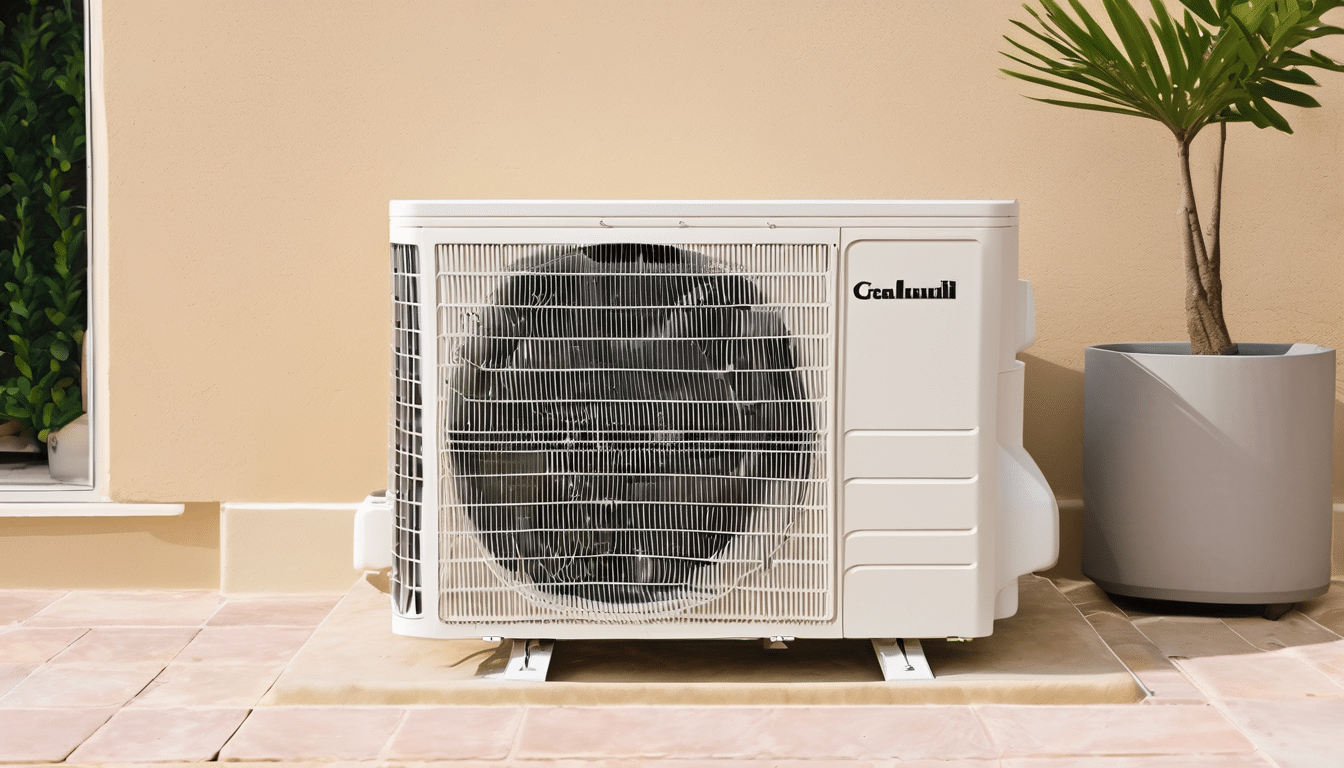
The condenser coil, located in the outdoor unit, faces a different but equally significant challenge. Exposed to the exterior environment in Dubai, condenser coils collect airborne dust, sand, and debris. They are also subject to the high ambient temperatures that make heat rejection more difficult — a process made even harder when the coil surface is insulated by a layer of particulate accumulation.
AC Coil Cleaning and Energy Efficiency in Dubai — The Technical Connection
The relationship between coil condition and energy consumption follows a straightforward principle from heat transfer physics. A clean coil transfers heat between the refrigerant and the air efficiently. A contaminated coil cannot. When heat exchange is impaired, the refrigerant circuit must work harder to achieve the same temperature differential, which increases compressor load and energy draw. When considering AC Coil Cleaning and Energy Efficiency in Dubai, this becomes clear.
ASHRAE research and NADCA field documentation both consistently indicate that coil contamination is among the leading contributors to reduced HVAC system efficiency in operational buildings. The degree of efficiency loss is proportional to the extent of contamination. In Dubai’s climate, where systems operate continuously for eight to ten months of the year, the accumulation timeline is compressed compared to more temperate climates. Systems that might take three to four years to reach significant coil fouling in northern Europe may reach the same state in Dubai within one to two cooling seasons.
Extended run cycles are one of the most direct consequences. When a coil cannot transfer heat at its designed rate, the thermostat target temperature takes longer to reach, so the compressor stays on longer. Longer run cycles translate directly into higher electricity consumption. In practical terms, this means a system with heavily fouled coils may consume measurably more energy per hour of operation than the same system with clean coils — without any change in the set temperature or usage pattern.
Evaporator Coil Fouling and Cooling Capacity Loss
The evaporator coil cools air by absorbing heat from it as warm room air passes over the refrigerant-filled fins. When the fin surfaces are coated in accumulated particulate and organic matter, warm air cannot make effective contact with the coil surface. The system draws air through, but the heat transfer rate drops. The air leaving the unit is not as cold as it should be. The importance of AC Coil Cleaning and Energy Efficiency in Dubai is evident here.
Occupants in Dubai villas and apartments often describe this as the air conditioning “not cooling properly,” with rooms taking far longer to reach a comfortable temperature even with the unit running continuously. In many cases investigated during field assessments by SaniHome specialists, the cause traces back to evaporator coil fouling rather than refrigerant issues or mechanical failure.
There is also an indirect consequence worth noting. When the evaporator coil is coated in a moisture-absorbing layer of contamination, it retains more moisture than a clean coil surface. This can affect drainage behaviour, increase condensate tray loading, and create conditions that affect indoor humidity in ways that further compound occupant discomfort.
Condenser Coil Fouling and Heat Rejection in Dubai’s Summer
The condenser coil performs the opposite function — it releases the heat absorbed from indoor air into the outdoor environment. In Dubai’s summer, where ambient temperatures remain above 40°C even after sunset, heat rejection is already operating under significant thermal stress. A fouled condenser coil adds an insulating layer that impairs the system’s ability to release heat into air that is already hot. Understanding AC Coil Cleaning and Energy Efficiency in Dubai helps with this aspect.
When the condenser cannot reject heat efficiently, discharge pressure rises within the refrigerant circuit. The compressor must work against higher pressure, which increases its electrical load and thermal stress. Over time, operating a system consistently under elevated head pressure accelerates wear on the compressor — the most expensive single component in any AC system.
In Dubai’s outdoor environment, condenser coils are also subject to sand impact, which can physically deform fins over time. This is distinct from contamination but compounds the heat rejection problem. NADCA-aligned cleaning protocols address coil fin condition as part of a complete service, not only surface contamination removal.
What AC Coil Cleaning and Energy Efficiency in Dubai Means for DEWA Bills
For Dubai homeowners, the connection between AC coil cleaning and energy efficiency in Dubai has a direct financial dimension through DEWA consumption. Air conditioning typically represents between 60 and 70 per cent of total residential electricity use in the UAE, based on established energy consumption data from the regional building sector. When that consumption is inflated by system inefficiency, the increase appears each month in the DEWA statement without any obvious cause.
Professional coil cleaning restores the system to closer to its designed energy performance. This does not mean a dramatic overnight reduction in every case — the actual improvement depends on the extent of fouling, the system age, and the condition of other components including filters, drain pans, and ductwork. What it does mean is that a system operating with clean coils is not wasting energy on overcoming the thermal resistance of contamination layers.
For Dubai villa owners managing multiple AC units across a property, this efficiency consideration multiplies. A large villa with six or eight fan coil units, all operating with fouled coils, represents a compounded efficiency deficit that professional cleaning addresses systematically.
How Professional Coil Cleaning Works in UAE Residential Properties
AC coil cleaning and energy efficiency in Dubai outcomes depend entirely on how thoroughly the cleaning is performed. Surface-level cleaning — wiping accessible fins without removing the coil or properly treating the fin pack — will not restore designed heat transfer performance. The contamination that matters most is embedded within the fin pack, where airflow resistance and thermal insulation are greatest.
Evaporator Coil Cleaning Protocol
A properly executed evaporator coil clean begins with safe access to the coil bay, which may require opening the air handling unit casing in ducted systems or removing the indoor unit cover in split systems. The coil is inspected for contamination depth, moisture residue, and evidence of moisture-driven microbial conditions in the coil bay. Specialist coil cleaning agents are applied to penetrate the fin pack and break down accumulated material without damaging the aluminium fins or copper tubing. Contaminated material is then flushed or extracted in a controlled manner.
SaniHome specialists follow NADCA-aligned methodology for coil cleaning in UAE residential properties, using Dubai Municipality approved bio-sanitisers where disinfection of the coil bay is indicated. This is particularly relevant in systems where moisture conditions have been present over extended periods.
Condenser Coil Cleaning Protocol
Condenser coil cleaning addresses the outdoor unit, which requires different access and safety considerations. Sand and dust accumulation on the exterior fin face is removed using controlled pressure washing or specialist coil-safe cleaning agents. Fin straightening is assessed where sand impact has caused physical deformation. The drainage clearance around the outdoor unit is also checked to ensure airflow to the condenser is not further restricted by landscaping or debris accumulation — a common finding in Dubai villas with mature garden plantings close to outdoor units. AC Coil Cleaning and Energy Efficiency in Dubai factors into this consideration.
AC Coil Cleaning and Energy Efficiency in Dubai — Recommended Service Frequency
The appropriate cleaning frequency for AC coils in Dubai depends on system type, usage pattern, and the specific contamination conditions of the property. General guidance from NADCA standards and UAE residential field experience supports annual professional coil cleaning as a minimum for continuously operated systems. In properties with higher dust exposure — proximity to construction sites, ground-floor apartments with open ventilation, or villas in areas with significant sand movement — more frequent assessment may be warranted.
Post-construction coil cleaning is also an important category. In the UAE’s active construction environment, fine construction dust is one of the most damaging particulate types for coil fin surfaces. Properties adjacent to construction activity, or those completing interior fit-out, frequently present significant coil fouling conditions even when the system itself is relatively new.
An annual maintenance contract that includes coil inspection and cleaning at defined intervals provides the most consistent approach to preserving both energy efficiency and system longevity across Dubai residential properties. This relates directly to AC Coil Cleaning and Energy Efficiency in Dubai.
Key Takeaways for Dubai Homeowners
- AC coil cleaning and energy efficiency in Dubai are directly linked through the heat transfer performance of the evaporator and condenser coils.
- Dubai’s continuous AC operation, desert dust, and seasonal humidity accelerate coil fouling compared to temperate climates.
- Fouled evaporator coils reduce cooling capacity and extend run cycles; fouled condenser coils increase head pressure and compressor load.
- Both effects increase DEWA electricity consumption without delivering improved comfort.
- Professional coil cleaning using NADCA-aligned methodology restores heat transfer performance and reduces unnecessary energy draw.
- Annual coil inspection and cleaning is the appropriate minimum frequency for continuously operated UAE residential systems.
- Post-construction and high-dust-exposure properties may require more frequent assessment.
Conclusion
The case for AC coil cleaning and energy efficiency in Dubai rests on physics, not marketing. A coil that cannot transfer heat at its designed rate forces every other component in the system to compensate — and that compensation is paid for in electricity. In a climate where air conditioning operates without meaningful interruption for the majority of the year, and where DEWA consumption is a significant household cost, coil condition is a variable worth taking seriously.
SaniHome specialists bring NADCA-aligned coil cleaning methodology to Dubai villas, apartments, and residential properties across the UAE, with a documented protocol covering evaporator and condenser coils, coil bay inspection, and bio-sanitiser application where indicated. If you are noticing reduced cooling performance, rising electricity consumption, or a system that runs longer than it used to, a professional coil assessment is a logical starting point. AC coil cleaning and energy efficiency in Dubai are, ultimately, two aspects of the same question: is your system doing what it was designed to do?
Frequently Asked Questions
How does AC coil cleaning improve energy efficiency in Dubai homes?
Clean coils transfer heat between the refrigerant and the air at their designed rate. When coils are fouled with dust and particulate, heat transfer is impaired, forcing the compressor to run longer and work harder to reach the thermostat target. Removing that contamination restores efficient operation and reduces unnecessary electricity consumption — a meaningful consideration given Dubai’s year-round AC usage. When considering AC Coil Cleaning and Energy Efficiency in Dubai, this becomes clear.
How often should AC coils be cleaned in Dubai?
For Dubai residential properties with continuously operating systems, annual professional coil cleaning is the recommended minimum. Properties near construction activity, in high-dust areas, or with ground-floor ventilation conditions may benefit from more frequent inspection. An annual maintenance contract that includes scheduled coil assessment provides the most consistent approach to sustaining efficiency and system longevity.
What are the signs that AC coils need cleaning in a UAE villa?
The most commonly observed indicators include rooms taking longer to cool, air from the vents feeling less cold than before, the outdoor unit running for extended periods, and a noticeable increase in DEWA electricity consumption without any change in usage pattern. Field assessments by SaniHome specialists frequently identify significant coil fouling as the primary cause behind all four of these symptoms.
Does condenser coil cleaning matter in Dubai’s outdoor conditions?
Significantly. Dubai’s outdoor environment subjects condenser coils to continuous sand and dust accumulation that insulates the fin surface and impairs heat rejection. In summer temperatures exceeding 45°C, any additional resistance to heat rejection raises system head pressure and compressor load. Professional condenser coil cleaning addresses both surface contamination and, where relevant, fin condition following sand impact. The importance of AC Coil Cleaning and Energy Efficiency in Dubai is evident here.
Is AC coil cleaning the same as general AC servicing in Dubai?
Not always. Many standard AC service offerings focus on filter cleaning and basic visual inspection without performing a proper coil clean that penetrates the fin pack. Effective coil cleaning requires specialist agents, appropriate access to the coil bay, and a documented protocol. When evaluating a service provider, asking specifically about the coil cleaning methodology — including how deeply the fin pack is treated — gives a clearer indication of the standard being applied.
Can fouled AC coils affect indoor air quality as well as energy use?
Yes. Evaporator coils that accumulate moisture and particulate over time can develop conditions in the coil bay that affect what the system circulates into the room. This is why NADCA-aligned coil cleaning protocols include assessment of the coil bay environment, not only the fin surface. Dubai’s humidity levels during summer months make the evaporator coil bay environment a relevant consideration in any comprehensive residential AC assessment.
How does AC coil cleaning and energy efficiency in Dubai relate to post-construction properties?
Post-construction properties in Dubai frequently present significant coil fouling even in relatively new systems. Fine construction dust — gypsum, concrete particulate, and sanding residue — is among the most damaging particulate types for coil fin surfaces and heat transfer performance. SaniHome recommends professional coil inspection and cleaning as part of any post-construction or post-renovation handover process in UAE residential properties. Understanding AC Coil Cleaning and Energy Efficiency in Dubai is key to success in this area.