Construction Debris in AC Ducts: What Stays Behind
Understanding Construction Debris in AC Ducts: What Stays Behind is essential. Construction debris in AC ducts stays behind in ways that are rarely visible and almost never self-correcting. When a Dubai villa is built, extended, or renovated, the HVAC system is often running — or partially installed — during the dirtiest phases of the project. Cutting. Drilling. Plastering. Sanding. Each of these activities releases particulates that travel through the air and settle inside ductwork, coil bays, and supply diffusers. By the time the keys are handed over, the contamination is already locked in place.
This is not a marginal concern. In Dubai’s residential market, where construction timelines are compressed, finishing trades often work simultaneously, and the AC system is expected to be fully operational on move-in day, the gap between a completed build and a clean HVAC system is significant. Understanding what construction debris in AC ducts leaves behind — and comparing what happens with and without professional post-construction duct cleaning — is the starting point for any family planning to occupy a newly built or recently renovated home. This relates directly to Construction Debris in AC Ducts: What Stays Behind.
Construction Debris in AC Ducts: What Stays Behind – What Construction Debris in AC Ducts Actually Consists Of
Contents
- 1 Construction Debris in AC Ducts: What Stays Behind – What Construction Debris in AC Ducts Actually Consists Of
- 2 Construction Debris in AC Ducts: What Stays Behind – Construction Debris in AC Ducts — With Cleaning Versus Wit
- 3 Construction Debris in AC Ducts: What Stays Behind – Construction Debris in AC Ducts — Pre-Insulated Versus GI
- 4 Construction Debris in AC Ducts — Renovation Versus New Build
- 5 How Construction Debris in AC Ducts Affects System Performance
- 6 Expert Takeaways — Construction Debris in AC Ducts After a Dubai Build
- 7 Frequently Asked Questions
- 7.1 What types of construction debris in AC ducts are most commonly found in Dubai villas after building work?
- 7.2 How does construction debris in AC ducts affect indoor air quality after a family moves in?
- 7.3 Is post-construction duct cleaning necessary even if the AC filters look clean at handover?
- 7.4 How long after a Dubai renovation should post-construction AC duct cleaning be completed?
- 7.5 Does construction debris in AC ducts in Dubai apartments differ from that found in villas?
- 7.6 Can construction debris in AC ducts cause long-term damage to the HVAC system itself?
- 7.7 How do I arrange a post-construction AC duct cleaning assessment in Dubai through SaniHome?
- 8 Bringing It Together
The phrase “construction dust” understates what actually accumulates inside residential ductwork after a build. The particulate profile inside a post-construction duct system is a mixture of materials, each with different physical properties and different health implications. When considering Construction Debris in AC Ducts: What Stays Behind, this becomes clear.
Gypsum and Plaster Particulate
Drywall cutting and plaster application release fine calcium sulphate particles. These are alkaline in nature and highly respirable. Gypsum dust settles across internal duct surfaces in a layer that appears pale and powdery but adheres to duct lining once humidity cycles compress it against the material. Construction debris in AC ducts from gypsum work is consistently among the highest-volume contaminants observed in post-handover residential systems across Dubai and Sharjah. The importance of Construction Debris in AC Ducts: What Stays Behind is evident here.
Concrete and Masonry Dust
Cutting, grinding, and core-drilling concrete releases silica-bearing particles. Crystalline silica, even at low concentrations, is a documented respiratory hazard. Inside ductwork, concrete dust presents as grey, dense particulate that settles at bends, transitions, and low-flow zones in the duct system. It does not disperse easily once settled and requires mechanical removal rather than air-washing alone. Understanding Construction Debris in AC Ducts: What Stays Behind helps with this aspect.
Fibrous Insulation Material
Where duct lining, pipe insulation, or acoustic insulation is cut and fitted during construction, fibrous debris is generated. In pre-insulated duct systems — common in Dubai villas — loose fibres from cut panel edges can detach and become airborne when airflow resumes. Construction debris in AC ducts from insulation material is particularly relevant in systems where ductwork was modified or extended during renovation. Construction Debris in AC Ducts: What Stays Behind factors into this consideration.
Paint, Primer, and Adhesive Off-Gassing
Beyond solid particulate, freshly applied paints, primers, tile adhesives, and sealants release volatile organic compounds (VOCs) that are drawn into the return air path of a running AC system. These are not debris in the physical sense, but they accumulate in the chemical environment of the duct interior and can persist in duct lining materials for weeks after application. Families with respiratory sensitivities, particularly children and elderly residents, are most affected. This relates directly to Construction Debris in AC Ducts: What Stays Behind.
Metal Filings and Mechanical Debris
Ductwork fabrication and installation involves cutting galvanised iron sheet metal, drilling, and fastening. Metal shavings and swarf are generated at connection points and access panels. Construction debris in AC ducts from metal fabrication is less voluminous than dust but more damaging when drawn across evaporator coil fins, where it can cause physical scoring and contribute to fouling. When considering Construction Debris in AC Ducts: What Stays Behind, this becomes clear.
Construction Debris in AC Ducts: What Stays Behind – Construction Debris in AC Ducts — With Cleaning Versus Wit
The most useful framework for evaluating what stays behind is a direct comparison between two common post-handover situations: homes where professional post-construction duct cleaning was completed before occupancy, and homes where it was not. The importance of Construction Debris in AC Ducts: What Stays Behind is evident here.
Without Post-Construction Duct Cleaning
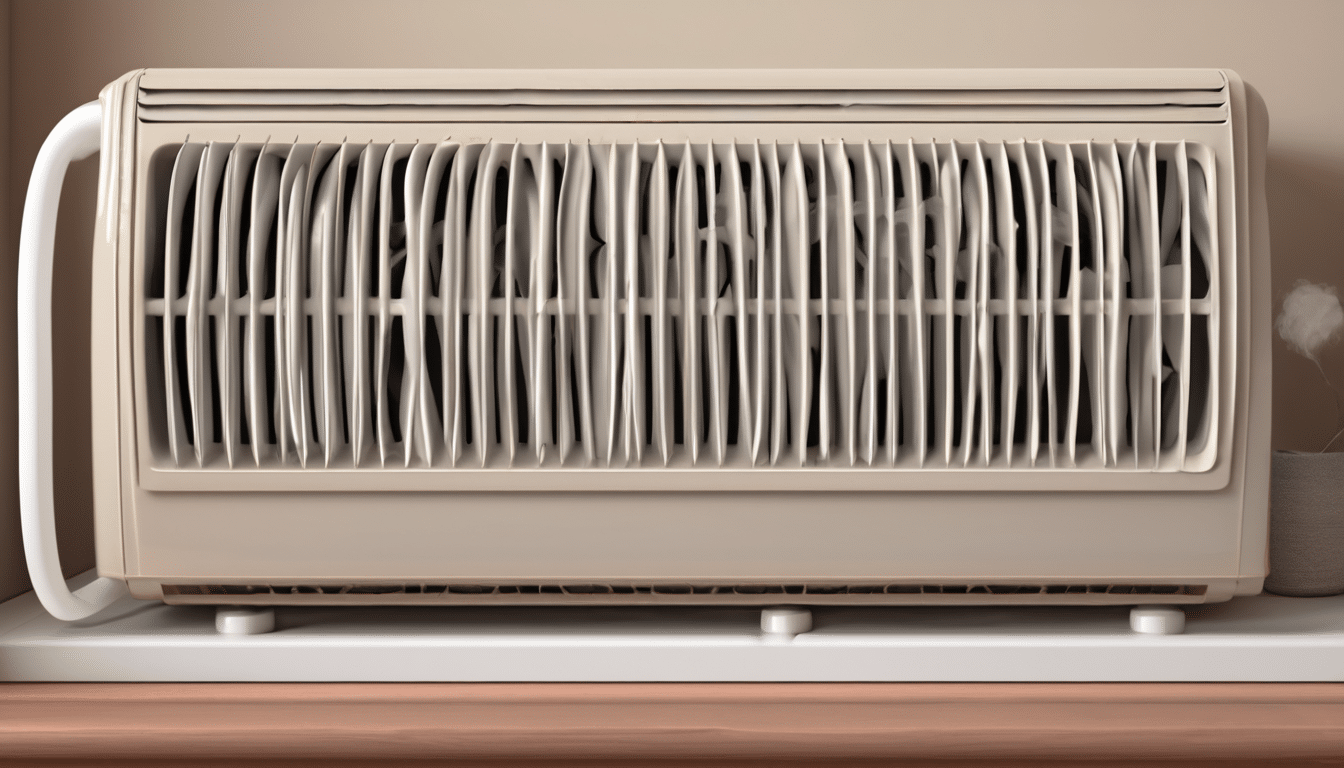
Construction debris in AC ducts remains in place and recirculates daily through the conditioned air supply. Within the first weeks of occupancy, residents commonly report a fine coating of white or grey dust on horizontal surfaces, even shortly after cleaning. Supply diffusers show visible particulate at grilles. Evaporator coil fins begin to load with compacted dust, reducing heat exchange efficiency. Return air filters clog at accelerated rates — often within days rather than the expected weeks — because they are capturing the entire accumulated particulate load of a completed construction project. Understanding Construction Debris in AC Ducts: What Stays Behind helps with this aspect.
Microbial conditions develop within months rather than years in uncleaned post-construction systems, because the organic materials present in construction dust — wood fibre, paper facing from drywall, adhesive residues — provide a substrate for moisture-driven microbial conditions to establish themselves in the coil bay. Dubai’s summer humidity amplifies this considerably. Construction Debris in AC Ducts: What Stays Behind factors into this consideration.
With Professional Post-Construction Duct Cleaning
Where construction debris in AC ducts is addressed before occupancy through a NADCA-aligned cleaning process, the contamination load is removed mechanically before it can circulate, compact, or contribute to secondary problems. HEPA-filtered negative pressure containment captures displaced particulate without redistributing it into the home. Coil surfaces are cleaned and inspected before gypsum and concrete dust can compact between fins. Drain lines and condensate trays are cleared of construction-phase debris before microbial conditions can establish. This relates directly to Construction Debris in AC Ducts: What Stays Behind.
The comparative outcome for occupants is measurable: surface dust accumulation is reduced, filter life is normalised, cooling efficiency is maintained from first use, and the chemical off-gassing environment inside the duct system is addressed through appropriate disinfection rather than left to cycle through the home. When considering Construction Debris in AC Ducts: What Stays Behind, this becomes clear.
Construction Debris in AC Ducts: What Stays Behind – Construction Debris in AC Ducts — Pre-Insulated Versus GI
The type of ductwork installed in a Dubai residential property affects both how construction debris accumulates and how thoroughly it can be removed. The importance of Construction Debris in AC Ducts: What Stays Behind is evident here.
Galvanised Iron (GI) Ducts
GI duct systems have smooth internal surfaces that hold construction debris at bends and low-flow zones but do not absorb it. Mechanical cleaning with rotary brush systems or compressed air, paired with HEPA vacuum extraction, can remove particulate effectively from GI systems when conducted by a properly equipped team. Construction debris in AC ducts with GI construction is largely a physical removal task. Understanding Construction Debris in AC Ducts: What Stays Behind helps with this aspect.
Pre-Insulated and Flexible Duct Systems
Pre-insulated ducts have a fibrous internal surface that traps fine particulate more tenaciously. Construction dust embeds into the lining rather than resting on it. Flexible duct systems, common in apartment and low-rise residential builds across Ajman and Ras Al Khaimah, accumulate debris at every corrugation fold. Cleaning pre-insulated or flexible systems after construction requires adapted methodology — aggressive mechanical agitation risks lining damage, while insufficiently thorough cleaning leaves the majority of the debris in place. Construction Debris in AC Ducts: What Stays Behind factors into this consideration.
Understanding which duct type is present in a property is a prerequisite for scoping the post-construction cleaning process correctly. A site assessment before service is not optional — it is the foundation of an appropriate approach. This relates directly to Construction Debris in AC Ducts: What Stays Behind.
Construction Debris in AC Ducts — Renovation Versus New Build
The contamination profile left by construction debris in AC ducts differs between properties undergoing partial renovation and those newly constructed. When considering Construction Debris in AC Ducts: What Stays Behind, this becomes clear.
New Build Properties
In a new build, the entire HVAC system has been installed in a construction environment. Every duct run, every coil bay, and every drain line has been exposed to construction activity from the earliest phases. The volume of accumulated debris is typically higher than in renovation scenarios, but the system has not yet developed the compacted, multi-layer contamination that builds up over years of operation. Professional post-construction duct cleaning in a new Dubai villa addresses a single, concentrated episode of contamination. The importance of Construction Debris in AC Ducts: What Stays Behind is evident here.
Renovation and Extension Projects
Renovation projects present a more complex contamination picture. An existing system already carries years of operational dust load. Construction activity during the renovation adds a second contamination layer on top of existing fouling. Construction debris in AC ducts from renovation work is therefore a combined problem: legacy operational particulate plus fresh construction particulate, sometimes with disturbed insulation or modified duct runs creating new debris sources. Post-renovation cleaning must address both layers, not only the most recent one. Understanding Construction Debris in AC Ducts: What Stays Behind helps with this aspect.
How Construction Debris in AC Ducts Affects System Performance
The consequences of leaving construction debris in AC ducts are not limited to air quality. System performance degrades along predictable lines.
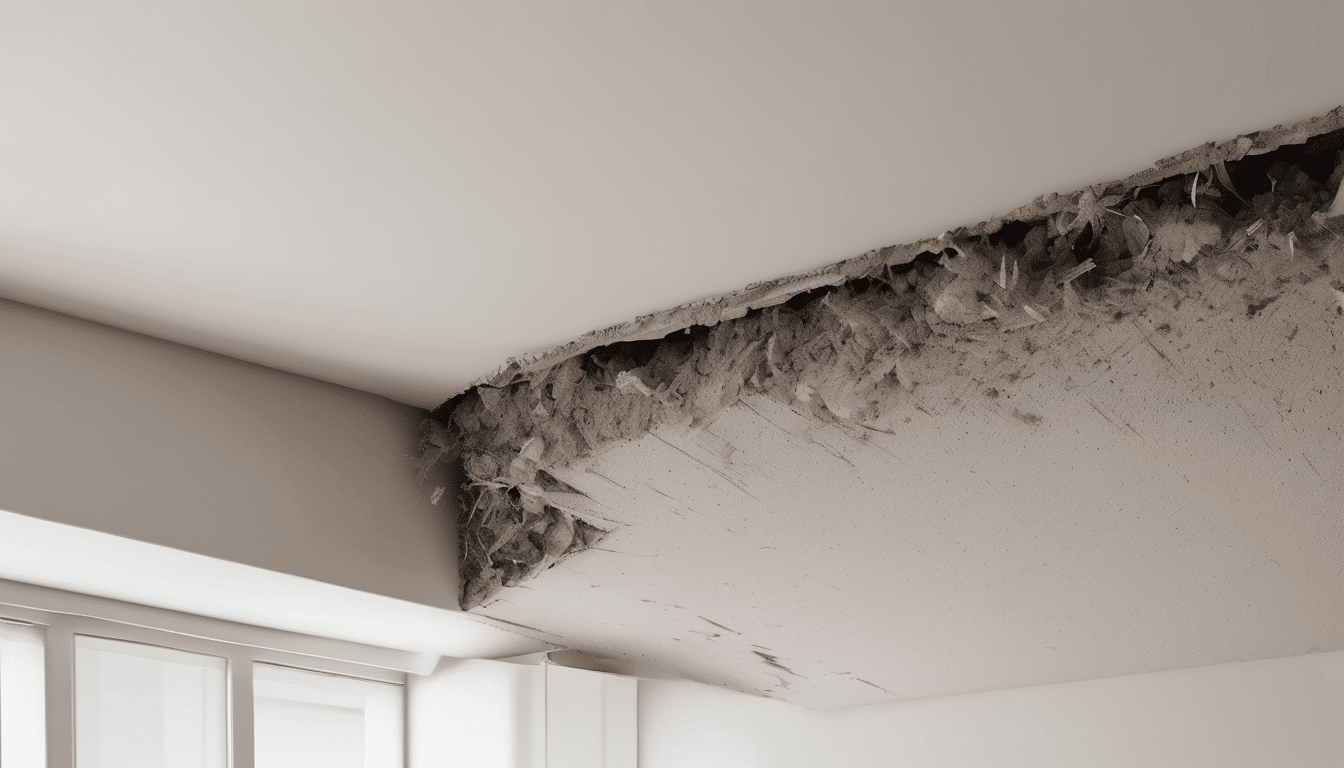
Evaporator coil fouling from compacted construction dust reduces heat exchange capacity, which the system compensates for by running longer cycles. Energy consumption rises while cooling delivery falls. The coil surface, covered in particulate, also holds moisture for longer periods during each cooling cycle, creating the conditions for moisture-driven microbial conditions to develop. Condensate drain lines blocked by construction debris overflow into drain trays, and then into ceiling voids or walls. These are familiar failure patterns in post-handover Dubai villas where the HVAC system was not cleaned before occupancy.
Expert Takeaways — Construction Debris in AC Ducts After a Dubai Build
- Construction debris in AC ducts is present in virtually every Dubai property following construction or significant renovation, regardless of how clean the site appeared at handover.
- The contamination profile is multi-material: gypsum, concrete, metal filings, insulation fibres, and chemical residues each require specific removal approaches.
- Post-construction duct cleaning must address the entire system — coils, drain lines, and diffusers — not ducts alone. Contamination in any one component will recontaminate others within weeks.
- HEPA-filtered negative pressure containment is not optional during post-construction cleaning. Displacing settled particulate without capturing it simply moves the problem from inside the duct to inside the home.
- NADCA-aligned methodology provides the process standard for post-construction AC duct cleaning. Saniservice post-construction cleaning for residential properties follows this standard with before-and-after service documentation.
- For Dubai families with children, elderly residents, or occupants with respiratory sensitivities, post-construction duct cleaning before move-in is a health service, not an optional maintenance item.
- The scope and cost of post-construction duct cleaning is property-specific. Variables include duct type, system configuration, number of units, renovation extent, and site access. A professional assessment determines the correct scope before any quotation is issued.
Frequently Asked Questions
What types of construction debris in AC ducts are most commonly found in Dubai villas after building work?
The most commonly observed materials are gypsum and plaster particulate, concrete and silica dust, fibrous insulation debris, metal filings from ductwork fabrication, and chemical residues from paints, adhesives, and sealants. In Dubai’s construction environment, where multiple finishing trades work simultaneously, the contamination profile is typically mixed rather than single-source.
How does construction debris in AC ducts affect indoor air quality after a family moves in?
Once the AC system operates in a post-construction home, settled debris becomes airborne with each fan cycle. Residents commonly experience elevated surface dust, visible particulate at supply diffusers, and recirculating fine dust that persists despite regular surface cleaning. Occupants with respiratory sensitivities are typically the first to notice a difference in how the air feels.
Is post-construction duct cleaning necessary even if the AC filters look clean at handover?
Yes. Standard construction-phase filters capture only the coarsest particulate. Fine gypsum dust, silica particles, and fibrous debris pass through basic filters and accumulate on duct surfaces, coil fins, and drain components. The filter condition at handover does not indicate the cleanliness of the broader duct system.
How long after a Dubai renovation should post-construction AC duct cleaning be completed?
Ideally, post-construction duct cleaning is completed before occupancy begins, so that construction debris in AC ducts is removed before it circulates through the home. For properties already occupied after handover, cleaning should be arranged as soon as practically possible. Delay allows fine particulate to compact onto coil fins and creates conditions for moisture-driven microbial development during summer months.
Does construction debris in AC ducts in Dubai apartments differ from that found in villas?
The contamination types are similar, but the duct system configuration differs. Dubai apartments commonly use flexible ductwork with corrugated internal surfaces that trap particulate more tenaciously than the GI ducts typical in larger villas. Cleaning methodology must be adapted to duct type. A site assessment before service confirms the correct approach for each property.
Can construction debris in AC ducts cause long-term damage to the HVAC system itself?
Yes. Compacted construction particulate on evaporator coil fins reduces heat exchange efficiency, increases run times, and raises energy consumption. Metal filings can score coil surfaces. Debris in condensate drain lines blocks drainage, leading to overflow. These are progressive problems that worsen with each operating cycle and are significantly more expensive to address after equipment damage has occurred.
How do I arrange a post-construction AC duct cleaning assessment in Dubai through SaniHome?
SaniHome specialists conduct a site assessment for each Dubai residential property before scoping or quoting post-construction duct cleaning. The assessment confirms duct type, system configuration, contamination extent, and access requirements. Contact Saniservice through the SaniHome residential division to arrange a property-specific assessment. Scope and pricing are determined after inspection, not from a generic package list.
Bringing It Together
Construction debris in AC ducts is not a cosmetic problem that resolves itself once a home is occupied and the system runs for a few weeks. It is a multi-material contamination event that affects every component of the HVAC system — from coil fins to drain trays to duct lining — and continues to circulate through the air that families breathe from day one of occupancy.
The comparison between addressed and unaddressed post-construction contamination is clear. Where construction debris in AC ducts is removed properly before occupancy, using HEPA-filtered negative pressure extraction and NADCA-aligned methodology, the system performs correctly from first use, the microbial risk profile is reset, and occupants are not spending the first months of home life breathing the residue of the build process. Where it is left in place, the consequences accumulate quietly — in compacted coil fouling, in persistent surface dust, in filter cycles that shorten month by month, and in air quality that never quite matches what a well-built home should deliver.
For Dubai families preparing to move into a newly built or recently renovated property, a professional post-construction duct cleaning assessment through SaniHome is the most straightforward way to know what construction debris in AC ducts has left behind — and to ensure it is properly addressed before it becomes part of the air the family breathes every day. Understanding Construction Debris in AC Ducts: What Stays Behind is key to success in this area.