Condenser Coil Cleaning Frequency for UAE Climate
Condenser coil cleaning frequency for UAE climate conditions is one of the most consistently misunderstood aspects of residential AC maintenance across Dubai, Abu Dhabi, Sharjah, and beyond. Most homeowners follow a once-a-year service schedule. In a temperate climate, that might be adequate. In the UAE, it rarely is. The combination of fine desert particulate, extreme ambient temperatures, near-continuous AC operation, and seasonal humidity creates fouling conditions that no standard annual service was designed to address.
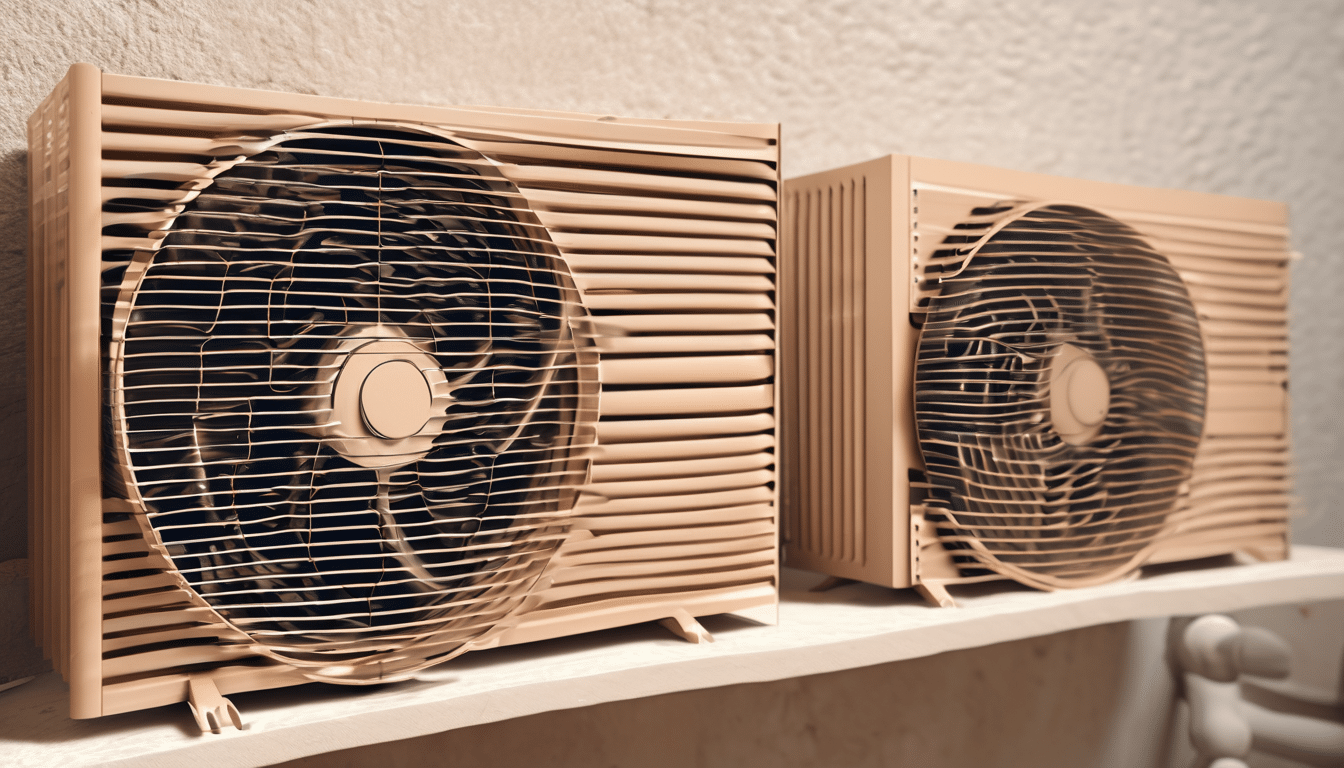
The condenser coil sits in the outdoor unit, exposed to whatever the environment delivers. In a Dubai villa, that environment delivers dust-laden shamal winds in spring, temperatures exceeding 45°C through summer, and elevated coastal humidity from June through September. Each of these conditions accelerates fouling. Together, they make the outdoor unit one of the most contamination-prone components in any UAE residential HVAC system. This relates directly to Condenser Coil Cleaning Frequency for UAE Climate.
What follows are nine factors that determine the appropriate condenser coil cleaning frequency for UAE climate conditions. These are not generic guidelines. They are drawn from field observations across residential properties in Dubai, Abu Dhabi, Sharjah, Ajman, Ras Al Khaimah, Umm Al Quwain, and Fujairah — properties that reflect the full range of UAE residential conditions.
1. Condenser Coil Cleaning Frequency for UAE Climate Starts With Ambient Dust Load
Contents
- 1 1. Condenser Coil Cleaning Frequency for UAE Climate Starts With Ambient Dust Load
- 2 2. Continuous Operation Compresses the Cleaning Interval
- 3 3. Summer Temperature Extremes Accelerate Coil Fouling Effects
- 4 4. Coastal and Inland Locations Require Different Frequency Assessments
- 5 5. Condenser Coil Cleaning Frequency for UAE Climate Varies by Property Type
- 6 6. System Age and Fin Condition Influence How Quickly Fouling Impacts Performance
- 7 7. Spring Shamal Winds Create a Predictable Fouling Spike
- 8 8. Condenser Coil Cleaning Frequency for UAE Climate and Manufacturer Warranty Considerations
- 9 9. Occupant Sensitivity and Indoor Air Quality Goals Affect Frequency Decisions
- 10 Expert Takeaways on Condenser Coil Cleaning Frequency for UAE Climate
- 11 Conclusion
- 12 Frequently Asked Questions
- 12.1 How often should condenser coils be cleaned in Dubai?
- 12.2 Why is condenser coil cleaning frequency different in the UAE compared to other countries?
- 12.3 What are the signs that a condenser coil needs cleaning before the scheduled service date?
- 12.4 Does condenser coil fouling affect indoor air quality in UAE homes?
- 12.5 Is condenser coil cleaning different for villa properties versus apartments in Dubai?
- 12.6 Should condenser coil cleaning be timed around the UAE shamal season?
- 12.7 How does condenser coil cleaning frequency for UAE climate affect AC warranty coverage?
The UAE is a desert environment. Fine particulate, silica dust, and construction debris circulate in the outdoor air at concentrations that are significantly higher than temperate climates experience. This particulate is drawn directly into the outdoor unit by the condenser fan and deposited across the coil fins with every cycle.
In areas with active construction nearby — and across Dubai and Abu Dhabi, active construction is a constant — fouling rates accelerate considerably. A condenser coil that might remain serviceable for twelve months in a clean suburban environment can accumulate restrictive fin fouling within four to six months in a high-dust zone.
The practical implication: properties near construction corridors, major arterial roads, or open desert-facing elevations typically require condenser coil cleaning at a higher frequency than properties in established, low-traffic residential clusters.
2. Continuous Operation Compresses the Cleaning Interval
In most climates, air conditioning operates seasonally. The system gets a break, the coils dry, and natural rest limits cumulative fouling. In the UAE, residential AC runs for ten to eleven months of the year at minimum. In many Dubai apartments and villas, it runs twelve months continuously. When considering Condenser Coil Cleaning Frequency for UAE Climate, this becomes clear.
Each operational hour draws more air across the coil surface, deposits more particulate, and contributes to fin blockage. The relationship between operational hours and fouling rate is direct. A system that runs twice as many hours accumulates restriction twice as quickly, all other factors being equal.
This is one of the primary reasons that condenser coil cleaning frequency for UAE climate conditions must be evaluated on operational intensity, not just calendar time. A villa where the AC runs twenty-two hours daily needs to be assessed differently from a holiday apartment that operates eight months a year.
3. Summer Temperature Extremes Accelerate Coil Fouling Effects
A fouled condenser coil in a temperate climate causes mild efficiency loss. A fouled condenser coil in Dubai summer, when ambient temperatures regularly exceed 45°C, causes significantly more serious performance degradation. The system is already operating at the outer edge of its design envelope. Any additional thermal resistance from particulate accumulation pushes condensing pressure higher, compressor load increases, and cooling capacity drops.
Field observations consistently show that efficiency problems reported by UAE homeowners during July and August frequently trace back to condenser coil fouling that accumulated over the preceding spring months. By the time the peak cooling demand arrives, the coil is already compromised.
Timing a condenser coil clean before summer — specifically during April or early May — is one of the highest-value maintenance decisions a UAE homeowner can make. Condenser coil cleaning frequency for UAE climate in this sense is as much about timing as interval.
4. Coastal and Inland Locations Require Different Frequency Assessments
The UAE is not uniform in its environmental conditions. Coastal properties in Dubai Marina, Abu Dhabi corniche areas, Sharjah waterfront, and Fujairah face salt-laden air in addition to dust. Salt deposition on aluminium fins initiates corrosion and creates a sticky surface matrix that binds particulate more aggressively than a clean fin surface would. The importance of Condenser Coil Cleaning Frequency for UAE Climate is evident here.
Inland properties in areas further from the coast face different conditions: higher dust concentration, lower ambient humidity outside summer, and greater thermal stress. Neither profile is inherently worse than the other, but both demand frequency decisions based on local conditions rather than a generic service calendar.
A professional condenser coil assessment for a Dubai Marina apartment and a villa in an inland emirate will reach different frequency recommendations, even if the systems are the same model and age. Condenser coil cleaning frequency for UAE climate must always account for location within the UAE, not just the UAE broadly.
5. Condenser Coil Cleaning Frequency for UAE Climate Varies by Property Type
A villa with its outdoor condensing units at ground level or on a roof terrace faces different fouling exposure than a high-rise apartment unit mounted on an external wall above the fifth floor. Ground-level units in villas collect more wind-blown debris, sand accumulation at the base, and airborne particles from surrounding landscaping and road traffic.
Rooftop units on residential towers face concentrated heat and direct solar exposure, but often benefit from higher wind dispersal that limits some particulate settlement. Mid-floor units in apartment buildings can face restricted airflow from adjacent units or architectural screening, which reduces dispersal and increases recirculation of warm discharge air — accelerating thermal stress on an already-fouled coil.
Understanding the installation context is a prerequisite for setting a realistic cleaning interval. This is why a site assessment by a qualified HVAC specialist matters more than a generic frequency recommendation applied uniformly.
6. System Age and Fin Condition Influence How Quickly Fouling Impacts Performance
Older condenser coils, particularly those that have experienced previous fin damage or have aluminium fins with surface oxidation from years of salt and humidity exposure, foul more readily than new coils. Corroded fins hold particulate more tenaciously. Bent fins restrict airflow at baseline. The compounding effect means that an older system may need more frequent attention simply to maintain adequate airflow across a degraded coil surface. Understanding Condenser Coil Cleaning Frequency for UAE Climate helps with this aspect.
Conversely, a well-maintained system with fins cleaned on schedule, no physical damage, and documented service history will foul more slowly because each previous clean removes the accumulated substrate that would otherwise accelerate the next fouling cycle.
This is one of the clearest arguments for consistent maintenance: systems that are serviced regularly maintain their fouling resistance. Systems that are cleaned infrequently accumulate damage that shortens the interval at which the next clean becomes necessary.
7. Spring Shamal Winds Create a Predictable Fouling Spike
The shamal is a northwesterly wind that carries fine desert sand across the UAE, typically most active between March and May. During periods of strong shamal activity, particulate concentration in outdoor air rises sharply. Outdoor condensing units operating through a sustained shamal event can accumulate weeks’ worth of normal dust loading within days.
Homeowners and residential property managers who track AC performance frequently notice efficiency drops following heavy shamal activity. This is not coincidental. The fin fouling that occurs during these events is real and measurable in system performance.
A practical adjustment to condenser coil cleaning frequency for UAE climate is to include a post-shamal assessment during May as a standard element of the annual service plan. If coil condition confirms significant fouling, a targeted clean before summer peak demand begins prevents the compounding thermal problem described earlier.
8. Condenser Coil Cleaning Frequency for UAE Climate and Manufacturer Warranty Considerations
Many residential AC systems installed across Dubai villas and apartments carry manufacturer warranties that include service and maintenance conditions. Some warranties specify that the outdoor unit must be serviced according to a documented schedule. Fouling that causes compressor failure or capacitor damage may not be covered if the service history cannot demonstrate regular condenser coil maintenance. Condenser Coil Cleaning Frequency for UAE Climate factors into this consideration.
This is a practical consideration that UAE homeowners often overlook. The warranty discussion is not about fear; it is about documentation. A professional service that provides a written report, before-and-after photographs, and a service record creates the paper trail that protects a homeowner’s warranty position. NADCA-aligned documentation practices ensure this record meets a recognised standard.
For newer systems under active warranty, discussing maintenance frequency with both the installer and an independent HVAC specialist ensures the schedule meets warranty requirements rather than falling short of them.
9. Occupant Sensitivity and Indoor Air Quality Goals Affect Frequency Decisions
Condenser coil fouling is primarily an outdoor unit issue, but its consequences reach inside the home. A restricted condenser coil raises condensing pressure and reduces system efficiency. Reduced efficiency means lower dehumidification performance. In UAE summer conditions, reduced dehumidification creates conditions in the indoor environment that affect occupant comfort and, in extreme cases, contribute to moisture conditions inside the indoor unit that have their own air quality implications.
For households with family members who have respiratory sensitivities, asthma, or allergy conditions, maintaining the outdoor unit at a higher standard of cleanliness contributes to the overall stability of the indoor environment. It is one part of a complete system approach rather than a standalone intervention.
Families who invest in regular indoor coil cleaning, duct cleaning, and disinfection — and then allow the outdoor condenser to foul unchecked — are managing only part of the system. Condenser coil cleaning frequency for UAE climate, in the context of indoor wellbeing, is a component of whole-system thinking.
Expert Takeaways on Condenser Coil Cleaning Frequency for UAE Climate
- Twice-yearly cleaning — before summer (April/May) and after summer (October/November) — is a commonly observed baseline for UAE residential properties in standard conditions.
- Properties in high-dust zones, near active construction, or coastal salt environments may warrant three visits annually based on professional assessment.
- A post-shamal inspection in May is a practical addition to any annual plan.
- Condenser coil cleaning frequency for UAE climate should be set after a site assessment, not from a generic schedule.
- Document every service. Written reports and photographs support warranty positions and establish a maintenance record that demonstrates responsible ownership.
- Efficiency monitoring — noting changes in cooling output, compressor cycling, or electricity consumption — provides an early signal that coil condition may have deteriorated between scheduled visits.
Conclusion
Condenser coil cleaning frequency for UAE climate is not a fixed number. It is a professional judgement made with reference to dust exposure, operational intensity, property type, location, system age, and occupant requirements. For most UAE residential properties, once per year is insufficient. For many, a structured twice-yearly programme represents the appropriate minimum, with a third assessment warranted depending on local conditions and system performance.
The difference between a well-maintained outdoor unit and a neglected one is measurable in efficiency, in electricity consumption, in system longevity, and in the quality of the indoor environment your family occupies every day. SaniHome residential AC specialists assess condenser coil condition as part of a complete HVAC hygiene review across Dubai, Abu Dhabi, Sharjah, and all seven emirates. If your outdoor unit has not been professionally inspected this season, the right time for an assessment is before summer demand arrives — not after it has already compromised your comfort.
Frequently Asked Questions
How often should condenser coils be cleaned in Dubai?
For most Dubai residential properties, condenser coil cleaning twice per year — once before summer in April or May and once after summer in October or November — represents a responsible baseline. Properties near construction sites, coastal areas, or high-traffic roads may require a third assessment annually. A professional site inspection determines the appropriate interval for your specific property.
Why is condenser coil cleaning frequency different in the UAE compared to other countries?
The UAE combines continuous AC operation, desert particulate, temperatures exceeding 45°C, and coastal salt air in ways that no temperate climate replicates. Each factor independently accelerates fouling. Together, they create conditions where a standard once-yearly service leaves the coil operating in a restricted state for much of the year, reducing efficiency and increasing thermal stress on the compressor.
What are the signs that a condenser coil needs cleaning before the scheduled service date?
Commonly observed indicators include reduced cooling output without a change in thermostat settings, the outdoor unit running longer cycles than usual, audible changes in compressor sound, and a noticeable increase in electricity consumption. Visible fin blockage — where dust or debris is visible on the outer face of the coil — confirms that professional cleaning is warranted.
Does condenser coil fouling affect indoor air quality in UAE homes?
Directly, no — the condenser coil is outdoors. Indirectly, yes. A fouled condenser reduces system efficiency and dehumidification performance. In UAE summer humidity conditions, reduced dehumidification inside the home can create moisture conditions in the indoor unit that affect air quality over time. Whole-system maintenance, including both outdoor and indoor components, supports a consistently stable indoor environment.
Is condenser coil cleaning different for villa properties versus apartments in Dubai?
The cleaning methodology shares core principles, but the fouling profile differs. Ground-level villa units accumulate more wind-blown debris and sand. High-rise apartment units face greater thermal stress and sometimes restricted airflow from architectural screening. A professional assessment of installation context and fin condition ensures the service and its frequency are matched to the actual conditions of the property. This relates directly to Condenser Coil Cleaning Frequency for UAE Climate.
Should condenser coil cleaning be timed around the UAE shamal season?
Yes. The shamal winds that cross the UAE between March and May carry concentrated fine particulate that can foul condenser coil fins significantly within a short period. Including a post-shamal inspection in May as part of the annual service plan is a practical approach. If coil condition confirms fouling, cleaning at this point ensures the system enters peak summer demand in optimal condition.
How does condenser coil cleaning frequency for UAE climate affect AC warranty coverage?
Some manufacturers require documented maintenance as a condition of warranty coverage. Fouling-related compressor or component failure may not be covered without a service record demonstrating regular maintenance. A professional service that provides written reports and before-and-after documentation creates the record needed to support a warranty position. This is a practical reason to maintain both the schedule and the paperwork. Understanding Condenser Coil Cleaning Frequency for UAE Climate is key to success in this area.