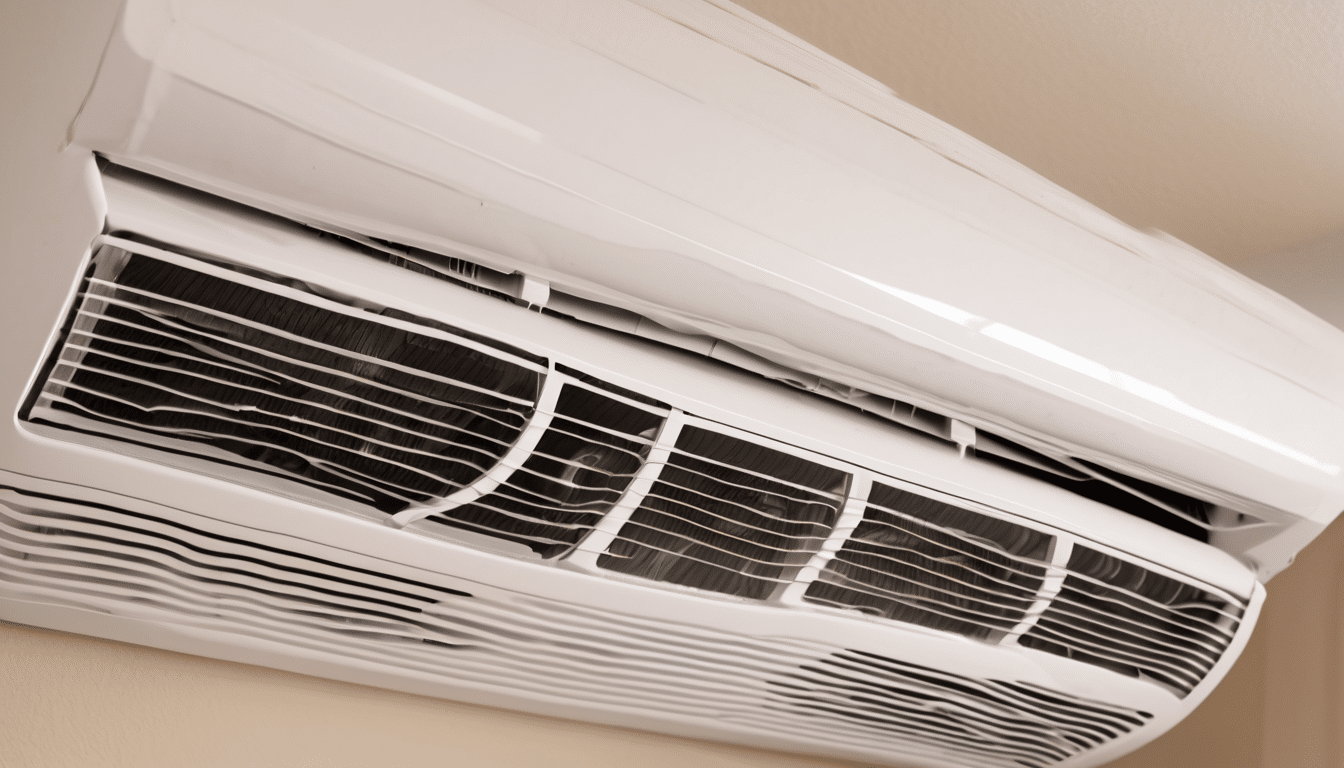
What AC Coil Cleaning Does for Cooling Performance
What AC Coil cleaning does for cooling performance is not abstract. In a climate where air conditioning runs continuously for eight months of the year, coil condition is the single variable that most directly determines how efficiently your system transfers heat. A clean coil moves heat out of your living space. A contaminated coil fights itself. Understanding that distinction — and knowing how a professional cleaning corrects it — is the starting point for every conversation about indoor comfort in UAE homes.
This guide is written for villa owners, apartment residents, and property managers across Dubai, Abu Dhabi, Sharjah, and the wider UAE who want to understand what actually happens during a coil cleaning service, why it matters for day-to-day cooling, and how to know whether the service they received addressed the root of the problem or simply the surface of it. This relates directly to What AC Coil Cleaning Does for Cooling Performance.
What AC Coil Cleaning Does for Cooling Performance – Why AC Coils Become the Core Performance Problem
Contents
- 1 What AC Coil Cleaning Does for Cooling Performance – Why AC Coils Become the Core Performance Problem
- 2 What AC Coil Cleaning Does for Cooling Performance Step by Step
- 2.1 Step 1 — System Isolation and Access Preparation
- 2.2 Step 2 — Dry Particulate Removal from the Coil Block
- 2.3 Step 3 — Coil Cleaner Application
- 2.4 Step 4 — Rinse and Controlled Flushing
- 2.5 Step 5 — Antibacterial and Antifungal Disinfection
- 2.6 Step 6 — Fin Combing Where Required
- 2.7 Step 7 — System Reassembly and Operational Check
- 3 What AC Coil Cleaning Does for Cooling Performance in UAE Conditions
- 4 How Coil Condition Connects to Other AC System Components
- 5 How to Know Whether AC Coil Cleaning Addressed the Root Cause
- 6 Expert Takeaways for UAE Villa and Apartment Owners
- 7 Frequently Asked Questions
- 7.1 What does AC coil cleaning actually do for cooling performance?
- 7.2 How often should AC coils be cleaned in Dubai homes?
- 7.3 Does a dirty AC coil affect electricity bills in UAE homes?
- 7.4 Is AC coil disinfection different from AC coil cleaning in Dubai?
- 7.5 Can I clean AC coils myself at home in Abu Dhabi or Dubai?
- 7.6 What happens if AC coils are not cleaned in UAE conditions?
- 7.7 How do I know if my AC coil cleaning in Dubai was done properly?
The evaporator coil sits at the heart of your indoor unit. Its job is to absorb heat from the air passing over it, transferring that heat to the refrigerant circulating within. For that exchange to work efficiently, the coil surface must be clean, dry between cycles, and free of material that insulates against heat transfer. When considering What AC Coil Cleaning Does for Cooling Performance, this becomes clear.
In UAE homes, three conditions work against that ideal simultaneously. First, desert dust enters through every gap in the building envelope and accumulates on coil fins. Second, continuous operation means the coil rarely has time to dry fully, creating a permanently moist surface where particulate and biological material can settle and bond. Third, humidity — particularly in summer months — accelerates the formation of biofilm on fin surfaces, which compounds the insulating effect of dust and reduces airflow through the coil block.
The result is a coil that works harder, draws more power, and delivers less cooling. That is what AC coil cleaning addresses — not aesthetics, but thermodynamic function. The importance of What AC Coil Cleaning Does for Cooling Performance is evident here.
What AC Coil Cleaning Does for Cooling Performance Step by Step
Understanding what AC coil cleaning does for cooling performance requires walking through the professional process in sequence. Each step addresses a specific layer of contamination or obstruction, and skipping any one of them leaves the system partially compromised.
Step 1 — System Isolation and Access Preparation
The first step is isolating the unit safely. The system is powered off at the circuit breaker, not simply at the remote, because coil cleaning involves liquid application near electrical components. The indoor unit cover and return air grille are removed. In a ducted split or cassette unit, this may require removing additional panels to reach the full coil surface. Understanding What AC Coil Cleaning Does for Cooling Performance helps with this aspect.
A HEPA-filtered vacuum is brought in before any wet work begins. This removes loose surface particulate — dust, fibrous material, and light debris — that would otherwise be driven deeper into the fin block by liquid pressure. Skipping this step is one of the most common shortcuts taken by less thorough providers, and it leaves contamination embedded in the coil rather than removed from it.
Step 2 — Dry Particulate Removal from the Coil Block
With the unit isolated and accessible, a HEPA-filtered vacuum with a soft brush attachment is used to draw surface contamination away from the fin block. This is done carefully — coil fins are thin aluminium structures spaced closely together, and physical pressure will bend them, reducing airflow and creating turbulence that actually worsens heat transfer. What AC Coil Cleaning Does for Cooling Performance factors into this consideration.
In UAE systems, this dry removal stage frequently uncovers a layer of compacted desert dust that has fused with moisture over weeks or months. This compacted layer is what AC coil cleaning targets at its most fundamental level, because it is this material that insulates the coil surface and prevents efficient heat exchange.
Step 3 — Coil Cleaner Application
A pH-appropriate coil cleaning solution is applied to the fin surface. The chemistry used matters. Highly alkaline or acidic products can corrode aluminium fins over time, particularly in a climate where coils are under continuous thermal stress. SaniHome’s protocol uses solutions suited to residential coil materials, applied in a controlled manner to avoid saturating insulation or electrical components nearby. This relates directly to What AC Coil Cleaning Does for Cooling Performance.
The solution is allowed to dwell on the coil surface for the period specified by the product protocol. During this time, it breaks down biofilm, loosens bonded particulate, and begins dissolving the mineral deposits that form on fin surfaces from condensate water in Dubai’s hard-water environment.
Step 4 — Rinse and Controlled Flushing
The coil is rinsed using controlled low-pressure water application. The condensate drainage system carries the displaced contamination away. This stage is where the benefit of what AC coil cleaning does for cooling performance becomes visible — the water running from the drain tray will be visibly different from the first flush to the last, carrying with it the material that was insulating the coil surface.
Drain pan condition is assessed simultaneously. Biofilm in the condensate tray — a separate but connected issue addressed in SaniHome’s AC drain pan cleaning protocol — can block drainage and cause water to back up over the coil, reintroducing contamination immediately after cleaning.
Step 5 — Antibacterial and Antifungal Disinfection
Once the coil is physically clean, a Dubai Municipality-approved bio-sanitiser is applied to the coil surface and surrounding coil bay. This step is distinct from cleaning and serves a different purpose: it addresses the microbial layer that physical cleaning alone does not eliminate. When considering What AC Coil Cleaning Does for Cooling Performance, this becomes clear.
Biofilm on coil fins is not fully removed by rinsing. A documented disinfection protocol using an eco-friendly, human-safe disinfectant is required to address what remains. This is the step that makes the difference between a coil that smells clean and one that genuinely is. In homes where children or occupants with respiratory sensitivities live, this distinction matters considerably.
Step 6 — Fin Combing Where Required
Bent or damaged fins are identified visually and straightened using a fin comb tool where accessible. This restores the designed airflow path through the coil block. Even a small section of bent fins creates resistance that forces air around the coil rather than through it, reducing the volume of air that contacts the heat-exchange surface and diminishing cooling output. The importance of What AC Coil Cleaning Does for Cooling Performance is evident here.
Step 7 — System Reassembly and Operational Check
Panels, covers, and grilles are reassembled. The system is powered on and run through an operational check. What AC coil cleaning does for cooling performance becomes measurable at this stage: airflow volume from supply diffusers typically increases noticeably, the time the system takes to reach setpoint temperature shortens, and any musty or sour odour previously present from the supply air is significantly reduced or absent.
What AC Coil Cleaning Does for Cooling Performance in UAE Conditions
The UAE context amplifies every consequence of coil contamination. Systems run for up to twenty hours per day during summer. Outdoor temperatures regularly exceed 45°C, meaning the refrigeration cycle is under continuous thermal load. A coil that is even partially insulated by contamination forces the compressor to work harder to compensate — drawing more electricity, generating more heat, and shortening the service life of the compressor itself. Understanding What AC Coil Cleaning Does for Cooling Performance helps with this aspect.
The relationship between coil cleanliness and energy consumption is not theoretical. Industry-standard HVAC engineering confirms that a coil fouled with even a thin layer of particulate requires measurably more energy to deliver the same cooling output as a clean coil. In practical terms for a Dubai villa running multiple cassette units through summer, that efficiency gap compounds across every hour of operation.
Clean coils also reach setpoint faster. For families who experience a warm home at the end of the day despite the AC running continuously, coil condition — alongside duct integrity and refrigerant charge — is one of the primary diagnostic areas NADCA-aligned technicians examine first. What AC Coil Cleaning Does for Cooling Performance factors into this consideration.
How Coil Condition Connects to Other AC System Components
What AC coil cleaning does for cooling performance cannot be fully understood in isolation. The coil is one part of a connected system, and contamination in any one component will degrade performance across the rest.
A fouled evaporator coil increases resistance in the air path, which reduces airflow through the ductwork. Reduced airflow allows more moisture to condense in ducts and air handling units, which accelerates particulate accumulation in the ducts themselves. This is why SaniHome’s approach addresses coils, ducts, drain pans, and blower wheels as a system rather than as isolated components. Cleaning the coil while leaving a partially blocked duct system means the coil operates below its potential within weeks. This relates directly to What AC Coil Cleaning Does for Cooling Performance.
The condenser coil — the outdoor unit — performs the complementary function, rejecting heat to the outside air. In UAE conditions, condenser coils accumulate dust, sand, and debris from desert winds. A blocked condenser coil cannot reject heat efficiently, which raises the refrigerant pressure and temperature entering the evaporator, reducing its ability to absorb heat from indoor air. Comprehensive coil cleaning addresses both indoor and outdoor coils together for this reason.
How to Know Whether AC Coil Cleaning Addressed the Root Cause
Homeowners across Dubai and Abu Dhabi frequently ask how to assess whether a coil cleaning service was genuinely thorough. Several indicators help answer that question without requiring technical instrumentation.
- Supply air volume from diffusers should feel noticeably stronger immediately after service
- The system should reach the setpoint temperature on the thermostat faster than it did before service
- Any musty or sour smell from the supply air should be absent or significantly reduced
- The drain line should run clear, not partially blocked, meaning the condensate path is unobstructed
- A service report should document what was found, what was done, and what was used — not just confirm attendance
SaniHome technicians provide before-and-after photographic documentation as standard, so that what AC coil cleaning does for cooling performance is visible evidence rather than an assumption. In homes where coils are cleaned as part of an annual AC maintenance contract, this documentation creates a baseline against which condition at the next service can be compared.
Expert Takeaways for UAE Villa and Apartment Owners
- Coil cleaning is a thermodynamic service, not a cosmetic one — the benefit is measured in cooling output and energy draw, not appearance
- Both evaporator and condenser coils should be addressed in the same service visit
- Disinfection is a separate step from physical cleaning and should not be treated as interchangeable with it
- Post-cleaning airflow improvement is observable immediately — if no difference is felt, the cleaning was incomplete
- In UAE conditions, annual coil cleaning is a baseline — systems in high-dust locations or homes with many occupants may benefit from more frequent service
- Drain pan condition directly affects coil condition — they should be assessed and serviced together
Frequently Asked Questions
What does AC coil cleaning actually do for cooling performance?
AC coil cleaning removes the particulate, biofilm, and mineral deposits that insulate the coil surface and restrict airflow. When those layers are removed, the coil can transfer heat efficiently again. In practical terms, the system cools faster, maintains setpoint more consistently, and draws less electrical power to do so. This is particularly relevant in UAE homes where continuous operation accelerates contamination.
How often should AC coils be cleaned in Dubai homes?
In Dubai’s climate, annual coil cleaning is considered the standard minimum for residential systems. Homes near construction activity, in sandy or coastal locations, or with multiple occupants may benefit from more frequent servicing. An annual AC maintenance contract with SaniHome includes coil condition assessment so that cleaning frequency is informed by actual system condition rather than a fixed calendar.
Does a dirty AC coil affect electricity bills in UAE homes?
Yes. A coil fouled with particulate and biofilm requires the compressor to work harder to achieve the same cooling output. In a climate where UAE residential systems run for extended daily periods through summer, that additional electrical load compounds meaningfully over a billing cycle. Coil cleaning is one of the most direct ways to restore system efficiency.
Is AC coil disinfection different from AC coil cleaning in Dubai?
These are two distinct steps that serve different purposes. Physical cleaning removes particulate, debris, and visible contamination from the fin surface. Disinfection applies an approved antimicrobial product to address microbial material — including biofilm — that physical cleaning alone does not eliminate. SaniHome’s protocol includes both steps as standard, using Dubai Municipality-approved bio-sanitisers.
Can I clean AC coils myself at home in Abu Dhabi or Dubai?
Surface dust on accessible grilles and filters is something residents can manage. The coil itself, however, requires correct chemical selection, controlled application to protect surrounding components, and safe drainage of displaced contamination. Using incorrect chemistry on aluminium fins causes corrosion that permanently reduces heat transfer. Professional service is the appropriate approach for coil cleaning in UAE residential systems.
What happens if AC coils are not cleaned in UAE conditions?
Without periodic cleaning, coil contamination accumulates progressively. The system loses cooling efficiency, energy consumption increases, and the compressor operates under elevated thermal stress. In humid UAE conditions, moisture-driven microbial conditions in the coil bay can also develop, affecting the quality of air supplied to the home. Over time, unserviced coils contribute to premature system component failure.
How do I know if my AC coil cleaning in Dubai was done properly?
Measurable indicators include noticeably stronger airflow from supply diffusers, faster time to reach thermostat setpoint, and absence of musty odour from supply air. A professional service report documenting what was found and what was applied confirms the scope of work. SaniHome provides before-and-after photographic documentation as standard practice for residential coil cleaning services across the UAE. Understanding What AC Coil Cleaning Does for Cooling Performance is key to success in this area.