HVAC Contamination From Construction Dust Dubai Guide
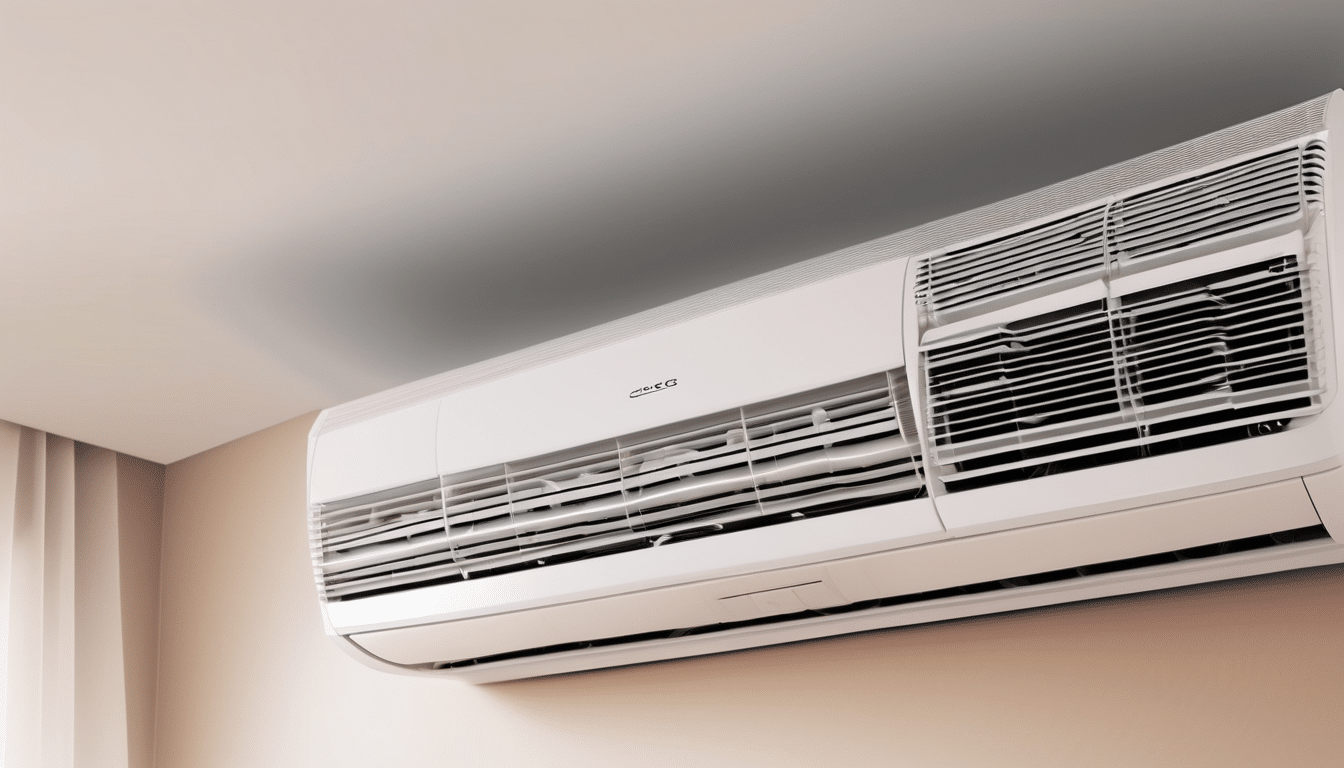
HVAC Contamination From construction dust is one of the most consistently underestimated problems in UAE residential properties. When walls are cut, tiles are drilled, ceilings are opened, or fitout work is completed in a villa or apartment, the HVAC system does not simply observe from a distance. It actively draws particulate into itself through return air pathways, then redistributes what it cannot trap throughout every room the system serves. By the time construction finishes and families move in, the contamination is already established inside the system, not on top of it.
Across thirteen years of post-construction AC assessments in Dubai, Abu Dhabi, Sharjah, and the wider UAE, the pattern is consistent. Residents notice dust settling repeatedly on surfaces within days of moving in. They feel reduced airflow from some diffusers. Some notice a dry, chalky quality to the air that does not resolve despite surface cleaning. These are not coincidences. They are the signature of an HVAC system loaded with construction particulate that nobody addressed before handover. This relates directly to HVAC Contamination from Construction Dust.
Understanding HVAC contamination from construction dust requires looking beyond what is visible on grilles and diffusers. The real contamination lives deeper, and resolving it properly requires a system-level approach rather than a surface wipe.
Why Construction Sites Create Severe HVAC Contamination
Contents
- 1 Why Construction Sites Create Severe HVAC Contamination
- 2 Where HVAC Contamination From Construction Dust Actually Accumulates
- 3 HVAC Contamination From Construction Dust and Indoor Air Quality
- 4 How Post-Construction HVAC Cleaning Differs From Routine Maintenance
- 5 Timing a Post-Construction HVAC Service Correctly
- 6 What Remains if HVAC Contamination From Construction Dust Is Not Addressed
- 7 Expert Takeaways for UAE Property Owners
- 8 Frequently Asked Questions
- 8.1 How does HVAC contamination from construction dust differ from normal dust accumulation?
- 8.2 Does running the AC after construction clear the dust from the system naturally?
- 8.3 When should post-construction AC duct cleaning be done in Dubai properties?
- 8.4 Does HVAC contamination from construction dust affect AC cooling performance in the UAE?
- 8.5 Is post-construction AC cleaning necessary for new Dubai apartments as well as villas?
- 8.6 What does a professional post-construction HVAC service in Dubai include?
- 8.7 How can I tell if my Dubai home’s AC system has construction dust contamination?
- 9 Resolving HVAC Contamination From Construction Dust Before It Compounds
Construction and renovation activities generate particulate at a scale that is genuinely different from everyday household dust. Cutting concrete produces fine silicate particles measured in microns. Sanding plaster and gypsum board creates airborne calcium sulphate that remains suspended for extended periods. Tile adhesive, grout, paint pigments, and drywall compound each contribute chemical compounds alongside physical particles.
In UAE conditions, where AC systems run almost continuously, these particles do not settle passively. The negative pressure created by return air intakes actively draws them into the ductwork. This is the fundamental mechanism behind HVAC contamination from construction dust: the system designed to condition your air becomes the primary collection point for construction particulate during the build phase.
If protective covers were not fitted over return air grilles during construction — and in many Dubai residential fit-outs they are not — the accumulation inside ducts, across evaporator coils, and within condensate trays can be significant by the time work is complete.
Where HVAC Contamination From Construction Dust Actually Accumulates
Knowing where particulate concentrates helps explain why a simple filter change or grille cleaning is not sufficient after construction work.
Ductwork and Air Distribution Paths
Galvanised iron, flexible, and pre-insulated duct systems all accumulate construction particulate along their internal surfaces. Fine particles adhere to duct walls, particularly at bends, junctions, and diffuser connections where airflow velocity changes. With each subsequent AC cycle, some of this particulate becomes re-entrained in the airstream and delivered into occupied rooms. This re-entrainment cycle explains why post-construction dust settles persistently even when surfaces appear clean.
Evaporator Coil Surfaces
The evaporator coil is the component most directly damaged by HVAC contamination from construction dust. Coil fins are densely packed and designed to maximise thermal exchange with passing air. When construction particulate accumulates across coil surfaces, it forms a layer that insulates fins from the airstream. The result is measurably reduced cooling efficiency, increased energy consumption, and a system that struggles to maintain set temperatures. In UAE summer conditions, where ambient temperatures regularly exceed 40°C, a coil compromised by construction particulate creates real comfort and cost consequences.
Condensate Drain Trays and Lines
Construction particulate that settles within the coil bay reaches the condensate tray below. In a climate where coils produce significant condensation, the tray becomes a site where particulate mixes with moisture. Fine construction debris — particularly calcium-containing compounds from plaster and tile work — can accelerate the formation of deposits within drain lines, contributing to restricted drainage and eventual overflow. This is a recurring finding in post-construction inspections across Dubai villas and apartment units.
Fan Blowers and Motor Housings
Blower wheels accumulate particulate on blade surfaces, which progressively disrupts airflow balance. Fine construction dust adheres more persistently than ordinary household dust because of its chemical composition and particle morphology. Blower imbalance manifests as reduced airflow and, in some cases, audible vibration from units that previously ran quietly.
HVAC Contamination From Construction Dust and Indoor Air Quality
The health dimension of HVAC contamination from construction dust deserves straightforward treatment. Construction particulate includes components that are not benign when recirculated through occupied residential spaces. Crystalline silica from concrete cutting, fine gypsum particles, adhesive compounds, and paint pigments each carry occupant exposure implications, particularly for residents with respiratory sensitivities, children, and elderly family members.
ASHRAE guidelines for indoor air quality recognise post-construction duct contamination as a documented source of elevated particulate matter in occupied buildings. NADCA standards for post-construction duct cleaning address this specifically, distinguishing between routine maintenance cleaning and construction-related remediation, which requires a different scope and methodology.
For UAE families moving into newly fitted or recently renovated villas and apartments, the indoor air environment they breathe from day one is directly shaped by whether the HVAC system was properly addressed before occupancy. A system loaded with construction particulate recirculates that material continuously until it is professionally removed.
How Post-Construction HVAC Cleaning Differs From Routine Maintenance
This distinction matters practically. HVAC contamination from construction dust is categorically different from the particulate accumulation that builds over months of normal use. Construction particulate is finer, more adhesive, chemically distinct, and present in far greater volume than household dust accumulation.
Scope of a Post-Construction Service
A properly scoped post-construction HVAC service addresses the entire system rather than individual components. At SaniHome, the post-construction process begins with an inspection to document contamination levels across ducts, coils, blowers, and drain systems before any cleaning commences. This pre-cleaning documentation provides an honest baseline rather than an assumption.
Duct cleaning in a post-construction context uses HEPA-filtered negative pressure equipment to contain dislodged particulate within the duct system rather than allowing it to re-enter the living space. The negative pressure methodology — aligned with NADCA standards — is essential for managing the volume of material present in post-construction situations.
Coil and Drain Restoration
Evaporator coils are cleaned using appropriate chemical agents that dissolve construction residue from fin surfaces without damaging coil materials. Following coil cleaning, antibacterial and antifungal treatment using Dubai Municipality approved bio-sanitisers addresses any moisture-driven microbial conditions that may have developed within the coil bay during and after construction.
Drain trays and lines are cleared of particulate accumulation and treated to restore unobstructed drainage function. In post-construction situations, this step often reveals a volume of material that surprises property owners who assumed drain systems were unaffected.
Timing a Post-Construction HVAC Service Correctly
The appropriate timing for addressing HVAC contamination from construction dust is before occupancy, not after families have already moved in. Cleaning the system after furniture is in place, after children have been sleeping in bedrooms, or after weeks of re-entrainment reduces the value of the service and extends the period of occupant exposure.
For Dubai residential handovers — whether from developer, landlord, or following a personal renovation project — scheduling the HVAC service as part of the final pre-move-in stage is the correct approach. It treats the AC system as infrastructure that requires commissioning before use rather than equipment that can be addressed whenever it becomes inconvenient.
Where construction or renovation work continues in adjacent units within an apartment building, ongoing particulate infiltration remains a consideration even after the primary service. Saniservice specialists can advise on filtration and inspection intervals appropriate to the specific building situation.
What Remains if HVAC Contamination From Construction Dust Is Not Addressed
The consequences of leaving post-construction HVAC contamination unresolved are cumulative rather than immediate. In the first weeks, residents notice persistent surface dust and reduced airflow quality. Over months, coil efficiency continues to decline as the particulate layer grows. Energy consumption increases. In UAE summer conditions, an inefficient system also runs longer cycles, generating more condensation, which in combination with the existing particulate environment creates conditions conducive to moisture-driven microbial growth within coil bays.
By the time a family calls for service because of an AC odour or visible contamination, the situation has progressed well beyond what the original post-construction service would have addressed. The cost, disruption, and occupant exposure implications are all greater at that stage than they would have been at handover.
HVAC contamination from construction dust is not a problem that resolves itself through normal use. The system’s airflow may gradually redistribute surface particulate, but the material embedded within coil fins, deposited in drain trays, and adhered to duct walls remains until it is mechanically and chemically removed by a properly equipped service.
Expert Takeaways for UAE Property Owners
- Post-construction HVAC cleaning is a distinct service category with a different scope than routine AC maintenance — confirm that any provider understands this distinction before booking.
- Inspection before cleaning is the correct sequence. Contamination levels vary significantly between properties, and scope should be determined by what is found, not by a generic package.
- HEPA-filtered negative pressure equipment is the appropriate standard for post-construction duct cleaning. Compressed air alone redistributes rather than removes particulate.
- Coil, drain, and blower cleaning must be included alongside duct work. Addressing ducts while leaving a contaminated coil simply recontaminates the duct system within weeks.
- Schedule the service before occupancy. The window between construction completion and move-in is the optimal time to resolve HVAC contamination from construction dust.
- Request a before-and-after inspection report. Measurable documentation of improvement is what distinguishes a thorough service from a surface-level clean.
Frequently Asked Questions
How does HVAC contamination from construction dust differ from normal dust accumulation?
Construction particulate includes fine silicates, calcium compounds, adhesive residues, and paint pigments that are finer, more adhesive, and present in far greater volume than ordinary household dust. These materials require specific cleaning methodology aligned with NADCA post-construction standards rather than routine maintenance approaches.
Does running the AC after construction clear the dust from the system naturally?
No. Normal AC operation re-entrains construction particulate from duct and coil surfaces back into the airstream and deposits it throughout the home. The system does not self-clean. Without professional intervention, contamination embedded in coil fins, drain trays, and duct interiors remains and continues to affect air quality and system performance.
When should post-construction AC duct cleaning be done in Dubai properties?
The optimal time is before occupancy — between construction completion and move-in. Scheduling post-construction duct cleaning as part of the pre-handover process minimises occupant exposure to construction particulate and ensures the HVAC system is delivering clean air from the first day of residence.
Does HVAC contamination from construction dust affect AC cooling performance in the UAE?
Yes. Particulate accumulation across evaporator coil fins insulates them from the airstream, reducing thermal exchange efficiency. In UAE summer conditions where ambient temperatures regularly exceed 40°C, a coil compromised by construction particulate causes measurably longer cooling cycles, higher energy consumption, and reduced ability to maintain set temperatures.
Is post-construction AC cleaning necessary for new Dubai apartments as well as villas?
Yes. New apartment units undergo fit-out work that generates construction particulate, and shared-building HVAC systems can distribute contamination across units if ductwork is connected. Both newly built and recently renovated apartments benefit from a dedicated post-construction HVAC inspection and cleaning service before occupancy.
What does a professional post-construction HVAC service in Dubai include?
A properly scoped service covers pre-cleaning inspection, HEPA-filtered negative pressure duct cleaning, evaporator coil cleaning and disinfection, condensate drain tray and line clearing, blower wheel cleaning, and application of Dubai Municipality approved bio-sanitisers. A documented inspection report before and after service confirms the improvement achieved.
How can I tell if my Dubai home’s AC system has construction dust contamination?
Common indicators include persistent surface dust settlement shortly after cleaning, reduced airflow from some diffusers, a dry or chalky air quality indoors, and visible particulate at grille edges. A professional pre-cleaning inspection by a NADCA-aligned specialist will assess duct interiors, coil condition, and drain systems to confirm the contamination level accurately.
Resolving HVAC Contamination From Construction Dust Before It Compounds
HVAC contamination from construction dust is a preventable problem when the right service is scheduled at the right time. For families moving into newly built or recently renovated homes across Dubai, Abu Dhabi, Sharjah, and the wider UAE, addressing the HVAC system before occupancy is the single most effective step toward a genuinely clean indoor air environment from day one.
SaniHome by Saniservice delivers post-construction HVAC cleaning following a documented, NADCA-aligned methodology that covers every component of the system. Before-and-after inspection reports provide measurable evidence of improvement rather than an assumption. If construction or renovation work has recently been completed in your property, a professional assessment will clarify the actual contamination level and the scope required to resolve it properly. Contact SaniHome to arrange an inspection before move-in. Understanding HVAC Contamination from Construction Dust is key to success in this area.