AC Coil Mold Removal and Disinfection Dubai Guide
Mold on an AC evaporator coil is not simply a maintenance issue. In Dubai’s climate, where air conditioning runs continuously and indoor humidity creates ideal conditions for microbial growth, coil mold is a direct health concern. This AC Coil Mold Removal and Disinfection Dubai Guide is designed to help residents, property managers, and facility teams understand what they are dealing with, how it should be treated, and what proper professional service actually looks like.
Over 13 years of working across Dubai’s villas, apartments, clinics, and commercial buildings, I have seen coil mold misdiagnosed, undertreated, and ignored until it becomes a significantly larger problem. The evaporator coil is cold, wet, and located at the heart of your air distribution system. When mold establishes there, every cubic metre of conditioned air passes directly over the contamination before entering your living or working space. This relates directly to Ac Coil Mold Removal And Disinfection Dubai Guide.
This guide follows the structure of a proper professional assessment — beginning with understanding why mold forms on coils, moving through identification and treatment, and finishing with a realistic prevention strategy for continuous-use AC systems in the UAE.
Ac Coil Mold Removal And Disinfection Dubai Guide – Why Mold Grows on AC Coils in Dubai
The evaporator coil sits inside your indoor AC unit and is responsible for absorbing heat from the air. As warm indoor air passes over the cold coil surface, moisture condenses and drips into the drain pan below. This constant cycle of moisture, organic dust, and controlled temperature creates near-perfect conditions for mold and bacterial biofilm to establish.
In Dubai’s climate, this process is intensified. Systems operate 10 to 16 hours per day during peak months, and the cycle of cooling and brief shutdown — rather than extended off periods — means the coil surface rarely dries completely. Indoor humidity spikes during the summer months of July and August, when outdoor humidity regularly exceeds 80%, and this moisture infiltrates even well-sealed spaces. When considering Ac Coil Mold Removal And Disinfection Dubai Guide, this becomes clear.
Desert dust, fine construction particulates, and organic debris from everyday indoor activity settle on the coil fins. This organic layer acts as a nutrient source for fungal and bacterial colonies. Without regular professional cleaning, the contamination compounds rapidly — and that is exactly the pattern this AC Coil Mold Removal and Disinfection Dubai Guide is structured to address.
Common Mold Species Found on UAE Coils
The most frequently identified species in contaminated Dubai AC systems include Cladosporium, Aspergillus, and Penicillium. These are airborne moulds that thrive in damp, dust-rich environments. Aspergillus niger, the black mould commonly mistaken for more dangerous species, is particularly common in drain trays and coil bases where standing moisture is present.
Each species presents different health risks, but all of them release spores continuously into the airstream. A coil surface contaminated with active mould growth distributes those spores throughout every room connected to that unit. That is why coil disinfection must be treated as a health intervention, not a cosmetic service.
Identifying Mold on Your Evaporator Coil
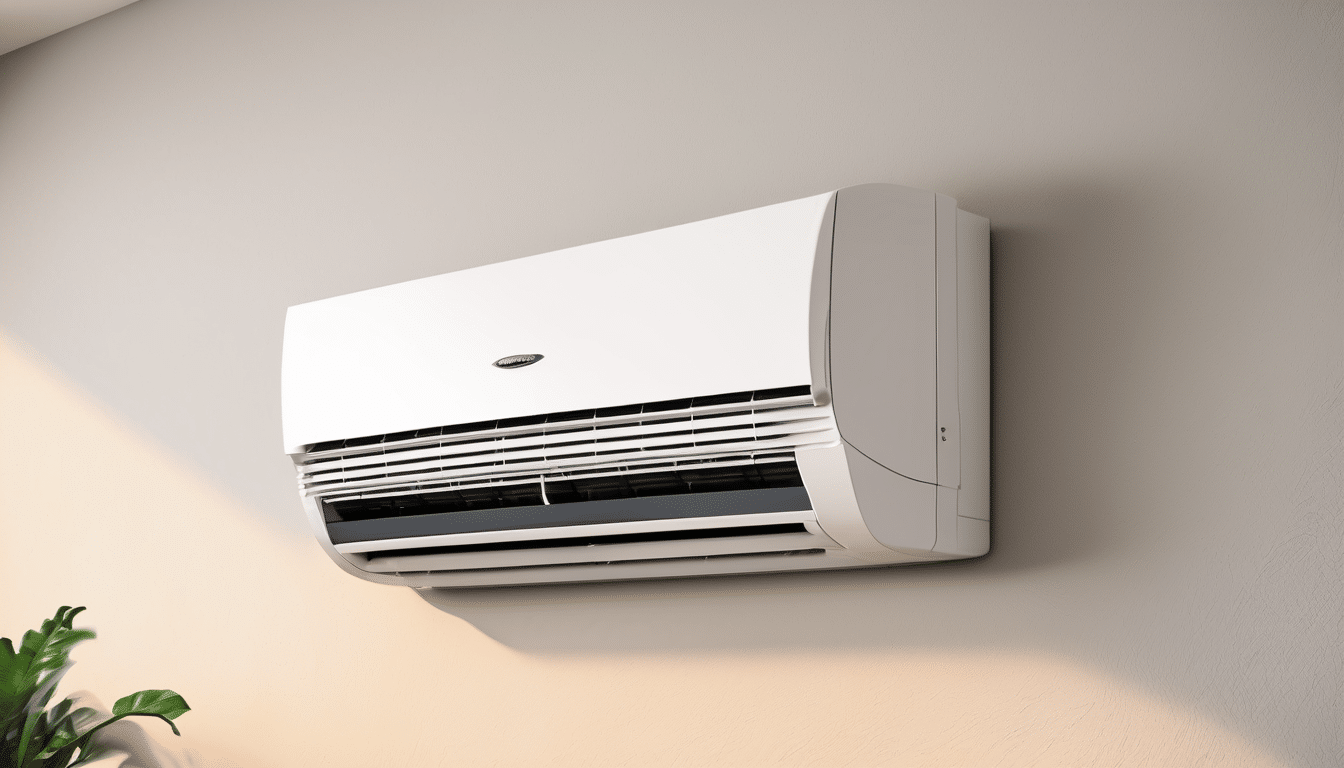
Visual inspection of the evaporator coil requires access to the indoor unit’s air handler compartment. In split systems, this means opening the front panel and looking past the filter at the coil assembly behind it. In ducted systems, access is typically via the air handling unit (AHU) in the utility space or ceiling void. The importance of Ac Coil Mold Removal And Disinfection Dubai Guide is evident here.
Mould on coils typically presents as dark grey, green, or black patches on the fin surface or surrounding insulation. Biofilm — a moist, slimy layer of bacteria and fungal matter — may appear as a translucent or pale grey coating on the coil fins themselves. Drain trays that show dark staining, standing water, or a sour smell are a strong secondary indicator of active coil contamination.
Warning Signs Without Visual Access
Not every resident can inspect their coil directly. The following are common indicators that mold or biofilm is present on the evaporator coil or surrounding components:
- A musty or sour odour when the AC first starts, which may fade after 10–15 minutes but returns each cycle
- Increased allergy or respiratory symptoms that are worse indoors than outdoors
- Visible moisture or water staining around supply vents or on walls below them
- Reduced cooling output despite the system operating normally
- Filter becoming visibly dirty faster than usual between replacements
If two or more of these signs are present simultaneously, a professional inspection of the coil assembly is warranted. This is a core recommendation of any responsible AC Coil Mold Removal and Disinfection Dubai Guide.
What Professional AC Coil Mold Removal and Disinfection Service Covers
A properly structured coil mold removal service is not simply a chemical spray applied to the visible surface. Effective treatment requires mechanical removal of accumulated debris, targeted disinfection of all contaminated surfaces, drain pan cleaning, and post-treatment verification. This is the standard that separates professional AC hygiene services from basic maintenance visits. Understanding Ac Coil Mold Removal And Disinfection Dubai Guide helps with this aspect.
The scope of a complete AC Coil Mold Removal and Disinfection Dubai Guide-compliant service includes the coil fins, coil housing, drain tray, condensate drain line, surrounding insulation, and adjacent ductwork connection points. Treating only the coil surface while leaving the drain tray or condensate line contaminated will result in recontamination within weeks.
Disinfectant Selection for Occupied Environments
Chemical selection matters significantly when working in occupied homes, nurseries, clinics, or offices. Hospital-grade quaternary ammonium compounds and EPA-registered antimicrobial treatments are suitable for coil disinfection when applied correctly. Fogging with chlorine-based products in occupied spaces is not recommended due to residual off-gassing risks, particularly where children or elderly residents are present.
Any professional service working in occupied Dubai properties should use human-safe formulations, ensure adequate post-treatment ventilation, and allow the system to run for at least 30 minutes before recommending full occupancy of treated spaces. This is standard responsible practice in this field.
Step-by-Step Coil Disinfection Process in Dubai
This section outlines the professional process as it should be performed in a residential or commercial setting in the UAE. The sequence matters — skipping steps or reversing the order reduces effectiveness and can spread contamination further into the system. Ac Coil Mold Removal And Disinfection Dubai Guide factors into this consideration.
Step 1 — System Shutdown and Access
The unit is powered down safely. Panels are removed to expose the evaporator coil, drain tray, and air handler interior. A pre-inspection is conducted using a torch and, where needed, an inspection camera for ducted systems. Photographs are taken to document baseline contamination.
Step 2 — Dry Debris Removal
Loose dust, particulates, and dry organic matter are removed from the coil fins using a soft brush and HEPA-filtered vacuum. This step prevents chemical cleaners from binding with dry debris and creating a residue layer on fin surfaces.
Step 3 — Coil Chemical Treatment
A coil-safe, non-corrosive cleaner is applied to the fin assembly. For contaminated coils with visible biofilm or mould, an antifungal coil cleaner is used. The product is allowed to dwell for the manufacturer-specified contact time — typically 10 to 15 minutes. It is then rinsed via a controlled low-pressure wash that directs water into the drain tray below.
Step 4 — Drain Pan and Line Cleaning
The drain tray is cleaned mechanically to remove accumulated sludge and biofilm. The condensate drain line is flushed and treated with an antibacterial solution. Blocked or partially blocked drain lines are cleared using pressurised air or a drain snake to restore full flow capacity. This relates directly to Ac Coil Mold Removal And Disinfection Dubai Guide.
Step 5 — Disinfection Application
After cleaning, an antimicrobial disinfectant is applied to all treated surfaces — coil fins, tray, and housing — and allowed to dry in place. This residual layer provides short-term protection against rapid recontamination. Slow-release antimicrobial tablets are placed in the drain tray for extended protection.
Step 6 — Reassembly and Verification
Panels are reassembled, the system is restarted, and airflow and temperature differential are checked. Post-service documentation, including photographs, is provided to the client. In health-sensitive environments such as clinics or nurseries, air quality spot-testing may be conducted before the space is cleared for reoccupancy.
AC Coil Mold Removal and Disinfection Dubai Guide — Costs
Pricing for professional coil mold removal and disinfection in Dubai varies based on system type, contamination severity, and property size. The following ranges reflect typical market rates for quality professional services across the UAE as of 2024.
- Single split unit (residential) — AED 250 to AED 450 per unit including coil clean, drain pan, and basic disinfection
- Ducted AHU system (villa or apartment) — AED 600 to AED 1,200 per AHU depending on size and access difficulty
- Full villa service (multiple units or AHUs) — AED 1,800 to AED 4,500 depending on system count and contamination level
- Commercial or clinic-grade disinfection — AED 3,000 to AED 8,000 or more for large AHU systems requiring HEPA containment and post-treatment air testing
Be cautious of services priced significantly below these ranges. Heavily discounted coil cleaning services frequently omit drain pan treatment, use diluted disinfectants, or apply surface sprays without mechanical cleaning. The result is cosmetically treated mould that returns within four to six weeks. When considering Ac Coil Mold Removal And Disinfection Dubai Guide, this becomes clear.
Health Effects of Mold-Contaminated Coils
Airborne mould spores released from contaminated coils represent a consistent daily exposure for building occupants. The health impact depends on the species present, the volume of spores being released, occupant sensitivity, and the duration of exposure. In Dubai’s sealed, continuously cooled indoor environments, exposure is effectively continuous during the time occupants are indoors.
Common health effects associated with mould-contaminated AC systems include persistent nasal congestion, morning throat irritation, worsening asthma or allergy symptoms, unexplained fatigue, and in sensitive individuals, respiratory inflammation. Children and elderly residents are disproportionately affected due to less developed or reduced immune responses.
It is important to note that this AC Coil Mold Removal and Disinfection Dubai Guide is not intended to alarm occupants — but to clarify that when symptoms and AC contamination coincide, professional assessment of the coil and indoor air quality is a medically reasonable response, not an overreaction.
AC Coil Mold Removal and Disinfection Dubai Guide — Prevention
Prevention of coil mould in Dubai requires a different mindset than what works in cooler or less humid climates. Because systems operate almost year-round, there is no natural dry season that allows coils to dry out and self-limit fungal growth. A structured maintenance schedule is the only reliable preventive approach. The importance of Ac Coil Mold Removal And Disinfection Dubai Guide is evident here.
Recommended Maintenance Intervals for Dubai
- Filter cleaning — every 2 to 4 weeks during heavy usage periods
- Coil inspection and light cleaning — every 3 months for continuously operating systems
- Full coil disinfection — every 6 months as a minimum, or annually for lower-usage systems
- Drain pan and condensate line flush — at every coil service visit
Additionally, maintaining indoor relative humidity below 60% significantly reduces the rate of coil contamination. If your property shows persistent humidity above this threshold, a dehumidifier or review of fresh air intake settings may be warranted in addition to the coil service itself.
Drain Pan Treatment Between Services
Slow-release antimicrobial tablets placed in the drain tray are an effective and inexpensive measure to inhibit biofilm formation between professional service intervals. These are available from HVAC suppliers and represent a practical step any property owner can manage independently. They do not replace professional cleaning, but they extend the protective window between services.
Coil Cleaning vs Full Duct Cleaning — When You Need Both
A common question in the context of this AC Coil Mold Removal and Disinfection Dubai Guide is whether coil cleaning alone is sufficient, or whether full duct cleaning is also required. The answer depends on the direction of contamination in your system.
If mould or biofilm is confined to the coil and drain tray, and duct inspection shows no visible contamination, coil disinfection may be sufficient. However, in systems where the coil has been heavily contaminated for an extended period, spores and particulates will have migrated into the ductwork downstream. In this case, treating only the coil while leaving contaminated ducts in place will result in partial remediation at best. Understanding Ac Coil Mold Removal And Disinfection Dubai Guide helps with this aspect.
As a general principle: coil contamination of more than six months’ duration, or where musty odours persist from supply vents after coil treatment, typically indicates that duct cleaning should accompany or follow the coil disinfection service. A professional inspection report with duct photography is the appropriate basis for this decision.
Expert Takeaways
After more than a decade applying these principles across Dubai’s most demanding residential and commercial environments, the following practical points summarise what this AC Coil Mold Removal and Disinfection Dubai Guide recommends:
- Treat coil mould as a health issue, not simply a maintenance inconvenience
- Never accept a service that omits drain pan cleaning — it is inseparable from coil treatment
- Request pre- and post-service photographs as standard documentation
- Schedule coil disinfection at minimum every six months for year-round-use systems in Dubai
- Do not rely on filter replacement alone to protect the coil from contamination
- If symptoms return within weeks of a cleaning service, the coil was not treated properly
- Verify that disinfectants used are appropriate for occupied environments, particularly in homes with children
The standard for AC coil mold removal and disinfection in Dubai must reflect the intensity of the conditions systems operate under here. Year-round cooling, high ambient humidity, and sealed indoor environments make this a more technically demanding challenge than in most other climates. Proper service, at the right frequency, delivered by qualified professionals, is how clean indoor air is maintained consistently.
If you are assessing your own AC system, or evaluating a service provider, use this AC Coil Mold Removal and Disinfection Dubai Guide as a practical benchmark. The coil is the most critical hygiene component in your system. What grows there reaches every room you breathe in. It deserves the same standard of care as any other health-related service in your home or facility.