AC Duct Cleaning for Villas vs Apartments Dubai Compared
When it comes to AC duct cleaning for villas vs apartments dubai, there is no single standard that applies to both. Over 13 years of working across Dubai’s residential landscape — from compact studio apartments in Deira to sprawling five-bedroom villas in Arabian Ranches — I have seen how fundamentally different these two environments are. The duct systems differ in size, layout, contamination type, and cleaning complexity. Treating them identically produces poor results.
Dubai’s climate makes this comparison especially important. With air conditioning running year-round at temperatures exceeding 45°C during summer months, both villas and apartments accumulate dust, microbial growth, and biofilm at rates that most residents significantly underestimate. However, how that contamination builds — and how it must be addressed — depends heavily on the property type. This relates directly to AC Duct Cleaning For Villas Vs Apartments Dubai.
This comparison breaks down the key differences between AC duct cleaning for villas and apartments in Dubai, covering system complexity, common contamination patterns, service frequency, costs, and which factors matter most for each property type. Whether you manage a villa in Jumeirah or an apartment in Dubai Marina, understanding these distinctions will help you make better decisions for your household’s air quality and long-term health.
Ac Duct Cleaning For Villas Vs Apartments Dubai – System Size and Complexity Compared
Contents
- 1 Ac Duct Cleaning For Villas Vs Apartments Dubai – System Size and Complexity Compared
- 2 Ac Duct Cleaning For Villas Vs Apartments Dubai – Contamination Patterns in Villas vs Apartments Dubai
- 3 Ac Duct Cleaning For Villas Vs Apartments Dubai – AC Duct Cleaning Process Differences for Villas vs Apartment
- 4 How Often AC Duct Cleaning Is Needed for Each Property Type
- 5 AC Duct Cleaning Cost for Villas vs Apartments Dubai
- 6 Health Considerations for AC Duct Cleaning in Villas vs Apartments Dubai
- 7 Pros and Cons of Each Property Type for AC Hygiene
- 8 Verdict and Recommendations
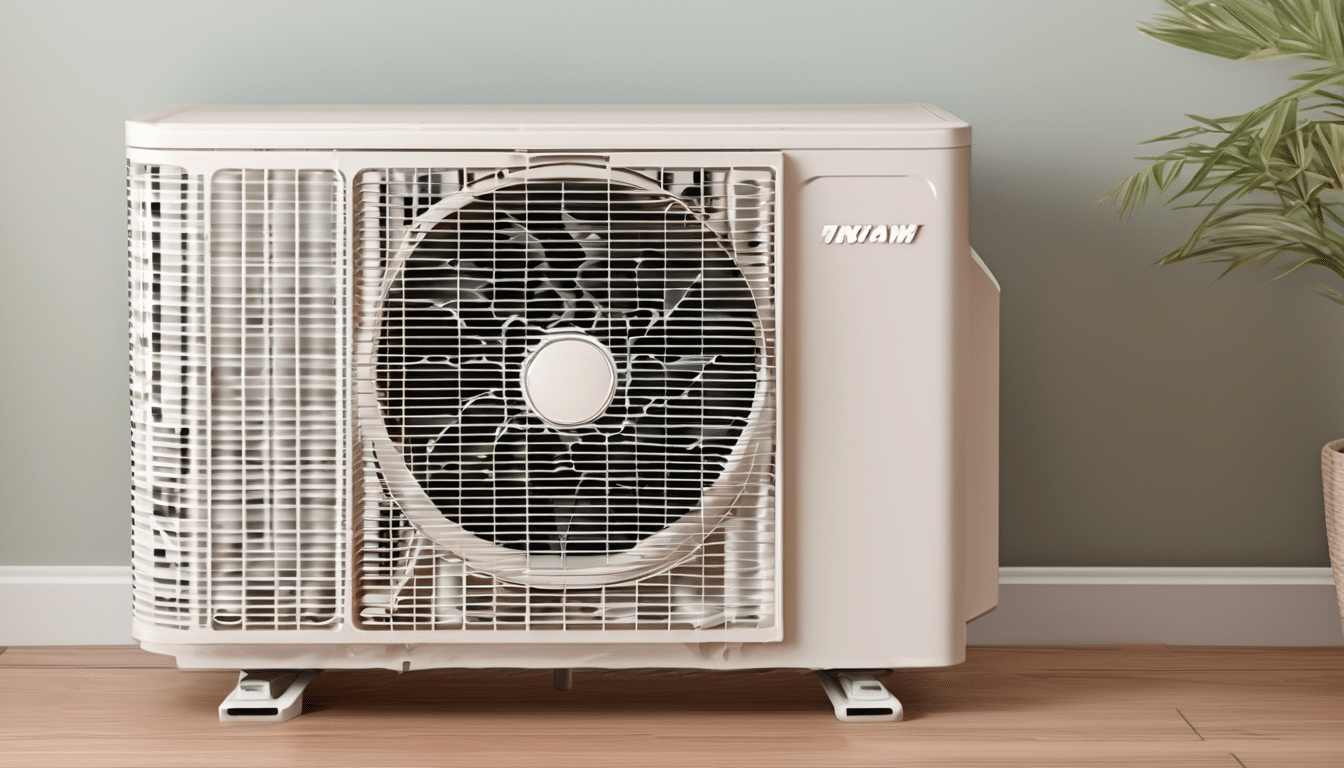
The most significant difference between AC duct cleaning for villas vs apartments Dubai begins with the sheer scale of the HVAC system. Villas — particularly those in communities such as Emirates Hills, Mirdif, and Al Barsha — typically feature centralised ducted systems that span two or three floors. These systems include multiple air handling units (AHUs), extensive ductwork networks running through ceiling voids and wall cavities, and often more than 20 supply and return air diffusers throughout the property.
Villa HVAC Systems
Villa ductwork in Dubai is commonly constructed from galvanised iron (GI) duct, flexible duct, or pre-insulated duct board systems. Each material presents different cleaning challenges. GI ductwork is durable but accumulates dense dust layers along internal surfaces. Flexible duct can collapse or develop kinks that trap debris. Pre-insulated board systems are prone to surface deterioration if improper cleaning techniques are applied. In larger villas, the duct network can extend to well over 100 linear metres in total, requiring significant time and equipment to clean properly.
Apartment HVAC Systems
Apartments in Dubai typically operate on smaller split-ducted systems or centralised building systems managed by facilities management companies. In high-rise towers such as those in Downtown Dubai or JLT, individual apartments may share fresh air intake systems at building level. The ducting within the apartment itself is shorter and less complex, often ranging from 20 to 50 linear metres, with fewer AHUs. However, the connection to shared building infrastructure introduces unique contamination risks that villa residents do not face.
Ac Duct Cleaning For Villas Vs Apartments Dubai – Contamination Patterns in Villas vs Apartments Dubai
Understanding contamination patterns is central to any honest comparison of AC duct cleaning for villas vs apartments Dubai. The type and source of contamination differs meaningfully between the two property categories, and this affects both the cleaning method and the health risk profile.
Common Contamination in Dubai Villas
Villas in Dubai are particularly vulnerable to desert dust infiltration. Ground-floor intakes and larger footprint properties allow fine particulate matter — often carrying silica from construction activity in surrounding areas — to enter the ductwork more readily. Villa systems also tend to develop mould growth in the lower sections of ductwork where condensation pools during high-humidity periods. Pest activity, including insects and small rodents finding access through roof-mounted equipment, is another contamination source I have encountered repeatedly in older villa properties.
Post-renovation contamination is also disproportionately common in villas. Renovation work involving drywall, tile cutting, or structural changes generates fine particulate that infiltrates ductwork through supply and return grilles. This debris layers onto coil surfaces and duct walls, reducing airflow and providing a substrate for microbial growth. AC duct cleaning after villa renovations in Dubai is almost always necessary and should be treated as a standard post-construction step.
Common Contamination in Dubai Apartments
Apartment systems typically show a different contamination signature. Because apartments are sealed environments with limited natural ventilation, volatile organic compounds (VOCs) from furniture, cleaning products, and building materials tend to accumulate on internal duct surfaces. Condensate drain lines in apartment systems are frequently shorter but more prone to blockage due to the compact system configurations used in residential towers. Biofilm in drain trays is consistently one of the primary sources of musty odour complaints I receive from apartment residents across Dubai. When considering Ac Duct Cleaning For Villas Vs Apartments Dubai, this becomes clear.
Shared building ventilation shafts in apartment towers introduce a risk that villas do not have — cross-contamination between units. If a neighbouring unit has a mould or pest issue, shared air pathways can distribute contaminants into adjacent apartments. This makes periodic cleaning and inspection particularly important for apartment residents in older Dubai towers built before current HVAC standards were widely adopted.
Ac Duct Cleaning For Villas Vs Apartments Dubai – AC Duct Cleaning Process Differences for Villas vs Apartment
The AC duct cleaning for villas vs apartments Dubai comparison becomes most practical when examining what the cleaning process actually involves for each property type. The methodology, equipment, and time required differ considerably.
Villa Cleaning Process
A thorough villa duct cleaning requires negative pressure equipment — typically a high-powered HEPA-filtered vacuum unit — connected to the duct system via access panels. Technicians insert rotating brushes or compressed air whips through the ducting to dislodge settled dust, while the negative pressure unit captures loosened debris. Given the extent of a typical villa duct network, a full clean for a four-bedroom property commonly requires a team of two to three technicians working for six to eight hours. The importance of Ac Duct Cleaning For Villas Vs Apartments Dubai is evident here.
Coil cleaning, drain pan treatment, and antibacterial disinfection are additional steps that should always accompany duct cleaning in villa systems. These are not optional additions — in Dubai’s climate, cleaning ducts without addressing coil contamination simply delays recontamination by weeks. Disinfectant fogging or surface spray application inside the ductwork finishes the process, using hospital-grade, occupant-safe formulations.
Apartment Cleaning Process
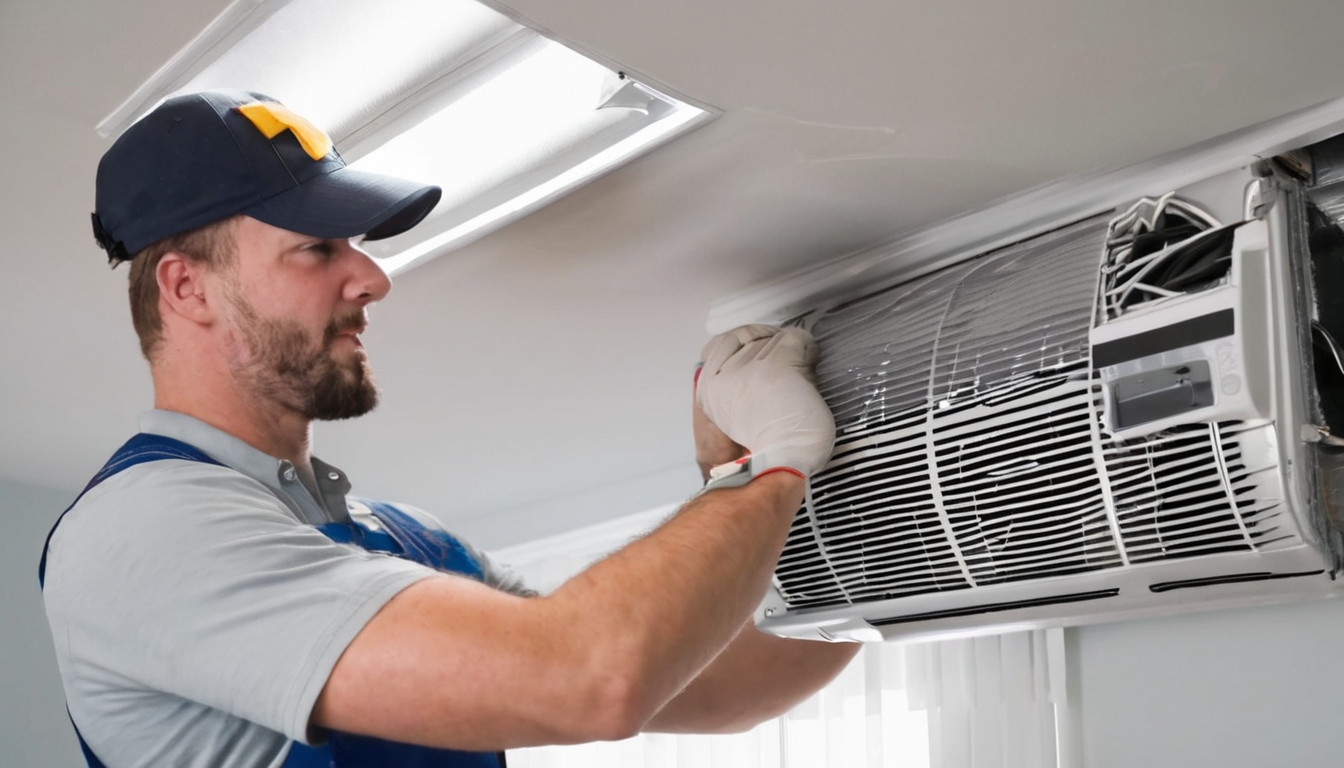
Apartment duct cleaning follows similar principles but at a smaller scale. Access to the duct network can be more restricted in apartment configurations, particularly in older buildings where ductwork was not designed with cleaning access in mind. Technicians work through existing diffuser openings and, where available, purpose-built access panels. A standard two-bedroom apartment clean typically takes two to four hours with a team of two technicians.
Drain line flushing and biofilm removal from the condensate tray are critical components for apartment systems, given how frequently these components contribute to odour problems. Coil cleaning should be included as standard. Post-cleaning disinfection using an appropriate antimicrobial solution ensures that any residual microbial contamination on duct surfaces is addressed before the system is returned to service. Understanding Ac Duct Cleaning For Villas Vs Apartments Dubai helps with this aspect.
How Often AC Duct Cleaning Is Needed for Each Property Type
Recommended service frequency is another area where AC duct cleaning for villas vs apartments Dubai diverges in meaningful ways. Both property types benefit from regular cleaning, but the intervals and triggers differ.
For Dubai villas, particularly those in areas with active nearby construction or those housing children, elderly residents, or occupants with respiratory conditions, a comprehensive duct clean every 12 months is appropriate. Properties that have undergone renovation or that show visible dust discharge from diffusers warrant immediate inspection regardless of the schedule.
Apartments in well-maintained towers with responsive facilities management may be adequately served by cleaning every 18 to 24 months, provided the building’s central systems are also maintained. However, apartments in older towers, those with recurring odour complaints, or those where building-wide maintenance is inconsistent benefit from annual cleaning. Any apartment where visible mould, persistent musty smell, or increased allergy symptoms are reported should be inspected without delay. Ac Duct Cleaning For Villas Vs Apartments Dubai factors into this consideration.
AC Duct Cleaning Cost for Villas vs Apartments Dubai
Cost is one of the most practical dimensions of AC duct cleaning for villas vs apartments Dubai. The pricing difference is significant, reflecting the difference in system size, labour requirements, and service duration.
For a standard Dubai apartment — one to three bedrooms — professional AC duct cleaning including coil cleaning and disinfection typically ranges from AED 400 to AED 900, depending on system configuration and the extent of contamination found. Studio apartments may fall below this range, while larger three-bedroom units with more complex layouts approach the upper end.
Villa cleaning costs reflect the greater scope of work involved. A three-bedroom villa clean with full duct, coil, and disinfection service typically costs between AED 1,200 and AED 2,000. Larger villas — five or six bedrooms with multiple AHUs — can range from AED 2,500 to AED 4,500 or more, particularly where access is difficult or where additional treatments such as UV sanitation or enzyme-based biofilm removal are required. This relates directly to Ac Duct Cleaning For Villas Vs Apartments Dubai.
It is worth noting that the lowest price in either category rarely reflects adequate service. In both villas and apartments, a genuinely thorough clean — one that will produce lasting improvement in indoor air quality — requires skilled technicians, proper equipment, and time. Underpriced services almost always involve shortcuts that result in contamination recurring within weeks.
Health Considerations for AC Duct Cleaning in Villas vs Apartments Dubai
Health outcomes are the primary reason AC duct cleaning for villas vs apartments Dubai matters beyond routine maintenance. Both property types present specific risks that cleaning addresses directly.
In villas, the larger volume of air being circulated through extensive ductwork means that contamination — whether dust, mould spores, or microbial VOCs — is distributed across more living spaces simultaneously. Children’s bedrooms, nurseries, and sleeping areas in villas are particularly important to protect, as occupants breathe recirculated air throughout the night with windows typically closed. Families with asthma or dust allergies in villa properties frequently report measurable symptom improvement following professional duct cleaning and coil sanitisation. When considering Ac Duct Cleaning For Villas Vs Apartments Dubai, this becomes clear.
In apartments, the concentration of contaminants in a smaller, sealed environment can be higher relative to floor area. Poor drain maintenance producing biofilm in the condensate system is one of the most consistent causes of the stale or sour odours that apartment residents report. This is not merely an aesthetic issue — biofilm produces microbial off-gassing that degrades indoor air quality continuously. Addressing it properly requires enzymatic or chemical biofilm treatment, not surface-level cleaning alone.
Pros and Cons of Each Property Type for AC Hygiene
Villas — Advantages for AC Hygiene Management
- Owners have direct control over cleaning schedules without dependence on building management
- Ductwork is more accessible in many villa configurations, allowing thorough cleaning
- No shared ventilation infrastructure means contamination sources are limited to the property itself
- Easier to implement whole-system upgrades such as UV sanitation or improved filtration
Villas — Challenges for AC Hygiene Management
- Larger systems accumulate more dust and require more frequent, more expensive cleaning
- Multiple AHUs and extensive ductwork increase the scope and cost of each service
- Ground-floor intakes and outdoor equipment are more exposed to desert dust and pest access
- Post-renovation cleaning is frequently required and adds to maintenance costs
Apartments — Advantages for AC Hygiene Management
- Smaller duct networks are quicker and less expensive to clean thoroughly
- Building-level maintenance programmes may cover some shared system components
- Newer tower developments often feature better-designed HVAC access points
Apartments — Challenges for AC Hygiene Management
- Shared building ventilation can introduce contaminants beyond the resident’s control
- Reliance on building management for central system maintenance creates inconsistency
- Compact system layouts can make full duct access more difficult
- Drain line blockages and biofilm are proportionally more impactful in smaller systems
Verdict and Recommendations
Having spent over a decade performing AC duct cleaning for villas vs apartments Dubai, my conclusion is straightforward: both property types require professional, process-driven cleaning — but the approach, frequency, and priorities must be tailored to the environment.
Villa owners should prioritise comprehensive annual cleaning that covers all AHUs, the full duct network, coils, drain trays, and disinfection. Given the scale of these systems and the investment involved, selecting a company with proper negative pressure equipment and documented methodology is essential. Budget for a thorough service rather than a low-cost alternative that will need repeating within months. The importance of Ac Duct Cleaning For Villas Vs Apartments Dubai is evident here.
Apartment residents should focus on drain line health, coil cleanliness, and annual cleaning regardless of whether the building management schedule covers anything. Do not assume that a shared maintenance contract addresses the individual unit’s ductwork. It almost never does. A professional inspection every 12 to 18 months, with full cleaning and disinfection when warranted, is the appropriate standard for any Dubai apartment where occupant health is a priority.
In both cases, AC duct cleaning for villas vs apartments Dubai is best understood as a health service rather than a maintenance task. The air that your family breathes every night passes through these systems. Ensuring that the systems are clean, dry, and free from microbial contamination is one of the most direct investments you can make in daily wellbeing. Schedule an inspection with a qualified provider, ask to see before-and-after documentation, and establish a cleaning interval that suits your property type, occupancy, and health priorities.