AC Duct Cleaning vs AC Coil Cleaning: Key Differences
In Dubai‘s climate, understanding AC Duct Cleaning vs AC Coil Cleaning: Key Differences is more than a technical exercise. It is the difference between a service that resolves your air quality concern and one that misses the root cause entirely. Both services are necessary. Both address real contamination. But they treat different components, different contamination types, and different consequences — and confusing the two leads to repeated problems that no single cleaning resolves.
After thirteen years of residential HVAC work across UAE villas, apartments, and compounds, I have seen this confusion play out hundreds of times. A family notices a musty odour. Someone cleans the ducts. The smell returns within a fortnight. Why? Because the source was inside the coil bay, not the ductwork. The reverse happens just as often. A coil is cleaned, airflow improves briefly, then drops again — because the duct soiling was restricting return air the whole time. This relates directly to AC Duct Cleaning vs AC Coil Cleaning: Key Differences.
This comparison article breaks down both services clearly: what each one addresses, how it is performed, what it resolves, and how to know which one your system needs. The verdict at the end explains why, in most UAE residential systems, the answer is rarely one or the other.
AC Duct Cleaning vs AC Coil Cleaning: Key Differences at a Glance
Contents
- 1 AC Duct Cleaning vs AC Coil Cleaning: Key Differences at a Glance
- 2 AC Duct Cleaning vs AC Coil Cleaning: Key Differences in Contamination Type
- 3 AC Duct Cleaning vs AC Coil Cleaning: Key Differences in System Impact
- 4 Comparing the Cleaning Process Side by Side
- 5 AC Duct Cleaning vs AC Coil Cleaning: Key Differences in Frequency
- 6 Which Service Does Your Dubai Home Actually Need
- 7 Pros and Cons Summary
- 8 Expert Takeaways for UAE Homeowners
- 9 Frequently Asked Questions
- 9.1 What is the main difference between AC duct cleaning and AC coil cleaning?
- 9.2 Which service should I book first for my Dubai home?
- 9.3 How often should AC coils be cleaned in the UAE?
- 9.4 Can dirty AC ducts cause health problems?
- 9.5 Does coil cleaning improve AC efficiency in Dubai?
- 9.6 Is post-construction AC duct cleaning different from regular duct cleaning?
- 9.7 Will cleaning only the ducts remove the musty smell from my AC?
- 10 Verdict: AC Duct Cleaning vs AC Coil Cleaning for Dubai Homes
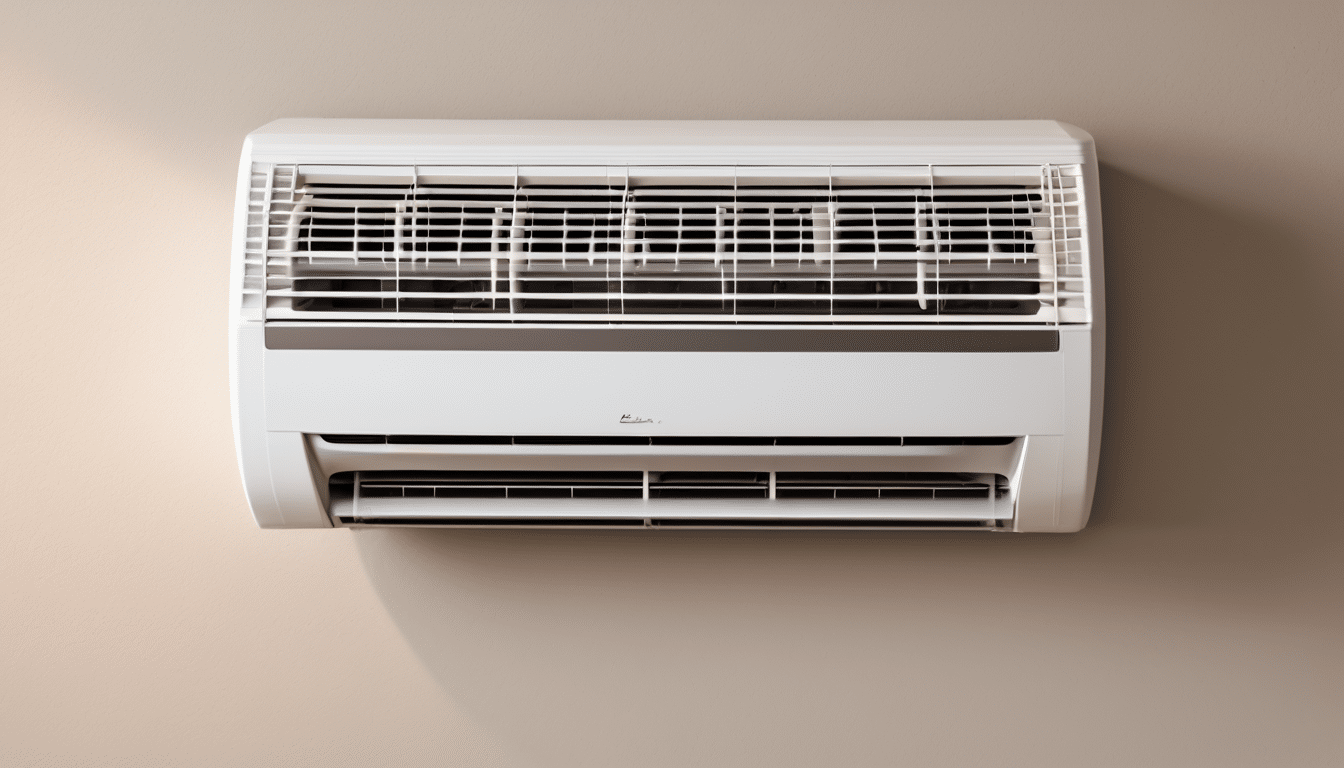
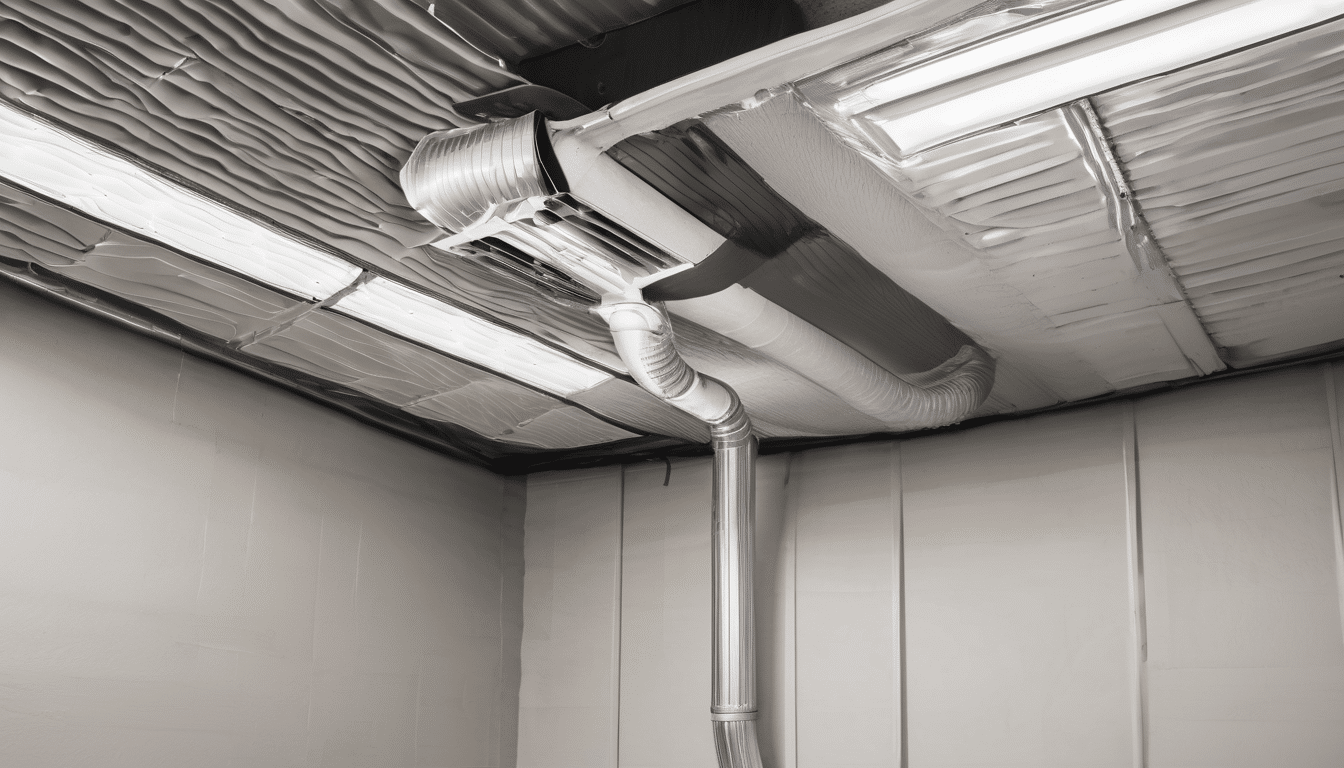
The clearest way to frame AC Duct Cleaning vs AC Coil Cleaning: Key Differences is by location within the system. Duct cleaning addresses the distribution network — the galvanised iron, flexible, or pre-insulated channels that carry conditioned air from the air handling unit or fan coil unit to every room in the property. Coil cleaning addresses the heat exchange surfaces inside the unit itself, specifically the evaporator coil, which sits in the path of return air before it is cooled and redistributed.
These are not competing services. They are sequential parts of the same air circuit. Contamination in either component affects the other. But the type of contamination, the cleaning methodology, and the health consequences differ meaningfully. When considering AC Duct Cleaning vs AC Coil Cleaning: Key Differences, this becomes clear.
What Duct Cleaning Addresses
AC duct cleaning removes accumulated particulate matter from inside the ductwork — desert dust, construction debris, textile fibres, insulation fragments, and biological material that has settled on duct surfaces over months or years. In Dubai, duct soiling is accelerated by continuous AC operation, high ambient dust loads from desert wind and nearby construction, and the fine particulate that infiltrates through gaps in the building envelope.
NADCA-aligned duct cleaning uses HEPA-filtered negative pressure equipment to draw contaminated air out of the duct system while mechanical agitation dislodges settled particulate from duct walls. Access panels are created or used at strategic points, and diffusers are removed and cleaned individually. The process typically includes antibacterial and antifungal treatment of internal duct surfaces using Dubai Municipality-approved bio-sanitisers. The importance of AC Duct Cleaning vs AC Coil Cleaning: Key Differences is evident here.
What Coil Cleaning Addresses
Coil cleaning focuses on the evaporator coil fins and surrounding surfaces — including the condensate drain tray, drain line, and the coil bay housing. In continuous-use UAE systems, the evaporator coil operates in persistently humid conditions. Return air carries moisture, dust, and biological particles directly onto the coil surface. Over time, this creates a layered accumulation of dust, biofilm, and moisture-driven microbial conditions that restricts airflow across the fins and reduces heat exchange efficiency.
Coil cleaning involves careful fin-by-fin cleaning with appropriate chemistry, biofilm removal from the drain tray and drain line, and treatment of the coil bay with an antibacterial agent. It requires full access to the indoor unit, which in ducted split and central systems often means accessing concealed fan coil units inside ceiling voids or service cupboards. Understanding AC Duct Cleaning vs AC Coil Cleaning: Key Differences helps with this aspect.
AC Duct Cleaning vs AC Coil Cleaning: Key Differences in Contamination Type
The contamination signature inside ductwork is primarily particulate — dust layers, settled fibres, and biological matter that has accumulated on static surfaces. This particulate is mechanically disturbed when the system runs and re-enters the air supply. In homes with residents who have respiratory sensitivities, this ongoing particulate exposure is a documented concern, particularly for fine particles that travel deepest into the respiratory system.
Coil contamination is a different character. Because the evaporator coil surface is perpetually wet during operation — moisture condenses on it as warm return air passes over cooled fins — it creates conditions where biofilm can form and persist. Biofilm is a structured microbial community that adheres to surfaces and resists basic cleaning. In a UAE residential system that runs twelve to sixteen hours daily, a coil that has not been properly cleaned in twelve months or more is very likely to carry a measurable biofilm layer. AC Duct Cleaning vs AC Coil Cleaning: Key Differences factors into this consideration.
This distinction matters for odour diagnosis. Musty or sour AC odours almost always originate from the coil bay or drain system, not the ductwork. Earthy or dusty odours, or a general staleness in rooms, more often trace to duct soiling and diffuser accumulation. Knowing the contamination type narrows the diagnosis before a single panel is opened.
AC Duct Cleaning vs AC Coil Cleaning: Key Differences in System Impact
Duct soiling affects distribution quality — how evenly conditioned air reaches rooms, how consistent temperatures are across a property, and how much fine particulate circulates with every cycle. Heavily soiled ducts also reduce overall airflow volume, which increases the load on the fan and indirectly stresses the coil. This relates directly to AC Duct Cleaning vs AC Coil Cleaning: Key Differences.
Coil contamination affects thermal performance directly. A coil coated in biofilm and dust cannot transfer heat efficiently across its surface. The system runs longer to reach the set temperature, compressor cycles increase, and energy consumption rises — all without any visible indication inside the home. This is one reason why coil cleaning has a measurable impact on cooling efficiency that duct cleaning alone does not produce.
The drain tray and drain line, which are part of the coil cleaning scope, have their own consequence when neglected. Blocked drain lines cause condensate to back up into the unit, overflow into ceiling voids, and create moisture damage in wall cavities and plasterboard. In multi-storey Dubai apartments, a blocked drain line in an upper-floor fan coil unit is a documented source of water damage to lower units. When considering AC Duct Cleaning vs AC Coil Cleaning: Key Differences, this becomes clear.
Comparing the Cleaning Process Side by Side
AC Duct Cleaning Process
- Full duct system inspection, including accessible duct runs and diffuser condition
- HEPA-filtered negative pressure containment applied to the duct network
- Mechanical agitation of duct interior surfaces via rotating brushes or compressed air whips
- Collection of dislodged particulate into HEPA-filtered extraction unit
- Diffuser and grille removal, cleaning, and reinstallation
- Antibacterial and antifungal bio-sanitiser application to internal duct surfaces
- Before-and-after documentation, typically photographic
AC Coil Cleaning Process
- Indoor unit access, including ceiling void or service cupboard entry for concealed units
- Evaporator coil surface cleaning, fin-by-fin, with appropriate non-corrosive chemistry
- Biofilm and scale removal from condensate drain tray
- Drain line flush and obstruction clearance
- Coil bay interior cleaning and disinfection
- Blower wheel inspection and cleaning where accessible
- Antibacterial treatment of coil bay surfaces
- Condensate flow test to confirm drainage is unobstructed
AC Duct Cleaning vs AC Coil Cleaning: Key Differences in Frequency
In Dubai residential properties with continuous AC operation, duct cleaning is generally warranted every two to three years under normal occupancy conditions. Post-construction, post-renovation, or following any sandstorm season that resulted in visible dust infiltration, more frequent assessment is appropriate. Properties in areas with high ambient construction activity — new developments in Mohammed Bin Rashid City, Yas Island in Abu Dhabi, or Muwaileh in Sharjah, for example — typically show accelerated duct soiling.
Coil cleaning warrants more frequent attention — typically annually as a minimum, and every six months in systems that run at maximum capacity during the long summer months. The evaporator coil is in continuous contact with moisture. A twelve-month cleaning interval is not excessive; it reflects the rate at which biofilm and scale actually accumulate in Gulf climate conditions. The importance of AC Duct Cleaning vs AC Coil Cleaning: Key Differences is evident here.
These intervals are starting points, not fixed rules. A NADCA-aligned inspection should assess actual condition before scheduling. Some systems, particularly in villas with older ductwork or coastal properties in Fujairah or Ras Al Khaimah where humidity is consistently higher, may require more frequent service.
Which Service Does Your Dubai Home Actually Need
This is the question I am asked most often. The honest answer is: both, but with informed prioritisation based on the symptoms your system is showing. Understanding AC Duct Cleaning vs AC Coil Cleaning: Key Differences helps with this aspect.
If your primary concern is persistent odour — musty, sour, or stale — the coil bay and drain system should be the starting point. The odour source is almost always moisture-related, and that means the coil, the drain tray, or both.
If your primary concern is visible dust at diffusers, uneven airflow between rooms, or a general deterioration in air freshness that worsens when the system starts, the duct network should be assessed first. Post-construction particulate, in particular, settles inside ductwork during building work and is redistributed into the living space with every cycle until it is properly extracted. AC Duct Cleaning vs AC Coil Cleaning: Key Differences factors into this consideration.
If your system is showing reduced cooling efficiency — longer run times, higher energy consumption, rooms that struggle to reach the set temperature — coil condition is the first place to look. A biofilm-coated coil can reduce heat exchange performance measurably, and no thermostat adjustment will resolve it.
In practice, SaniHome delivers both services as part of a complete system clean, because contamination in one component recontaminates the other. Cleaning the ducts while leaving a biofilm-laden coil in place means the air passing through clean ducts will carry microbial material from the coil within days of service. Cleaning the coil while leaving heavily soiled ductwork means fine particulate continues to circulate into every room regardless of coil condition. This relates directly to AC Duct Cleaning vs AC Coil Cleaning: Key Differences.
Pros and Cons Summary
AC Duct Cleaning
Strengths: Removes settled particulate from the distribution network. Improves diffuser airflow. Reduces fine particle recirculation. Essential after construction, renovation, or extended periods without service. Addresses the largest surface area of the air system.
Limitations: Does not address coil biofilm, drain system blockage, or odour originating from the coil bay. Does not restore cooling efficiency if the coil is the limiting factor. Particulate will return from the coil bay if that component is not also cleaned. When considering AC Duct Cleaning vs AC Coil Cleaning: Key Differences, this becomes clear.
AC Coil Cleaning
Strengths: Removes biofilm and scale from the evaporator coil. Restores heat exchange efficiency. Eliminates musty odours at source. Clears drain line blockages that cause condensate overflow. Most directly linked to measurable improvement in cooling performance.
Limitations: Does not address duct soiling or particulate accumulation in the distribution network. Airflow improvement from coil cleaning will be limited if duct restriction remains. Requires access to concealed units, which may involve more complex entry in certain property configurations. The importance of AC Duct Cleaning vs AC Coil Cleaning: Key Differences is evident here.
Expert Takeaways for UAE Homeowners
- Never treat AC duct cleaning and coil cleaning as the same service. They address different components with different tools, different chemistry, and different outcomes.
- Odour diagnosis should start at the coil bay. Airflow and particulate concerns should start at the duct network.
- Annual coil cleaning is a reasonable minimum for residential systems in Dubai and across the UAE. Duct assessment every two to three years, or after any construction or renovation activity.
- A complete system clean — coil, drain, duct, and diffuser — is the only approach that breaks the cycle of recurring contamination.
- Request before-and-after documentation for both services. If a provider cannot show you what was found and what changed, the outcome is unverifiable.
Frequently Asked Questions
What is the main difference between AC duct cleaning and AC coil cleaning?
AC duct cleaning removes accumulated particulate from inside the ductwork that distributes air throughout your property. AC coil cleaning removes biofilm, scale, and contamination from the evaporator coil inside the air handling unit. Both address different components, different contamination types, and different consequences. Understanding AC Duct Cleaning vs AC Coil Cleaning: Key Differences ensures the right service is applied to the right problem.
Which service should I book first for my Dubai home?
This depends on your primary symptom. Persistent musty odour points to the coil bay and drain system — prioritise coil cleaning. Visible dust at diffusers or uneven airflow points to duct soiling — prioritise duct cleaning. In most Dubai villas and apartments, a complete system clean covering both components is the most effective approach and prevents one from recontaminating the other.
How often should AC coils be cleaned in the UAE?
For residential systems in Dubai and across the UAE that operate continuously through the summer months, annual coil cleaning is a reasonable minimum. Systems in coastal emirates such as Fujairah and Ras Al Khaimah, where ambient humidity is consistently higher, may benefit from more frequent assessment. Coil condition should be inspected as part of every service visit.
Can dirty AC ducts cause health problems?
Particulate accumulation in AC ducts means that fine particles — including dust, allergens, and biological material — are recirculated into living spaces with every cycle. For residents with respiratory sensitivities, allergies, or asthma, this ongoing exposure can worsen symptoms. NADCA-aligned duct cleaning extracts this particulate rather than redistributing it, which is a meaningful distinction from basic surface cleaning.
Does coil cleaning improve AC efficiency in Dubai?
Yes. A biofilm-coated evaporator coil cannot transfer heat efficiently across its fin surface. The system runs longer to reach the set temperature, and energy consumption rises as a result. Coil cleaning restores the heat exchange surface to working condition, which commonly results in shorter run cycles and improved cooling response — particularly relevant during Dubai’s peak summer temperatures above 45°C.
Is post-construction AC duct cleaning different from regular duct cleaning?
Post-construction duct cleaning addresses a significantly higher particulate load — fine concrete dust, plaster particles, sealant residue, and construction debris that has settled throughout the duct network during building work. This typically requires more thorough mechanical agitation and extraction than standard residential duct cleaning. In Dubai villas and newly handed-over apartments, post-construction duct cleaning should be completed before the system is used for regular occupancy.
Will cleaning only the ducts remove the musty smell from my AC?
Not if the odour originates in the coil bay or drain system, which is the most common source. Musty or sour AC odours are almost always moisture-related — produced by biofilm or microbial conditions on the evaporator coil or in the condensate drain tray. Cleaning the ducts without addressing the coil leaves the odour source in place. This is one of the most frequently misdiagnosed problems in residential AC service across UAE homes.
Verdict: AC Duct Cleaning vs AC Coil Cleaning for Dubai Homes
The AC Duct Cleaning vs AC Coil Cleaning: Key Differences comparison does not produce a winner. It produces a system. Both services are necessary, and both are complementary rather than interchangeable. The ductwork and the coil are parts of the same air circuit. Contamination in either component affects the quality of air that reaches your family every day.
What the comparison does clarify is that symptoms point to different starting priorities. Odour concerns start at the coil. Particulate and airflow concerns start at the ducts. Efficiency concerns start at the coil. Post-construction concerns start at the ducts. A professional site assessment — not a generic package — is the correct way to determine what your system actually needs.
For Dubai residents, Abu Dhabi families, and homeowners across the UAE, the AC Duct Cleaning vs AC Coil Cleaning: Key Differences question matters because the system runs every day. What happens inside it happens to the air you breathe every night. Getting the diagnosis right, and addressing the whole system, is what separates a service that resolves the problem from one that simply defers it.