What Is Air Duct Contamination and Why It Matters
Most property managers in Dubai underestimate the impact of what is air duct contamination until issues become costly. Research from American health agencies shows that dust and microbial buildup in HVAC systems can seriously affect indoor air quality. Ignoring these hidden threats can lead to health code violations and decreased tenant satisfaction. This article uncovers what air duct contamination truly means for luxury villas and commercial properties and why proactive solutions protect both your investment and residents’ well-being.
Table of Contents
Contents
- 1 Table of Contents
- 2 Key Takeaways
- 3 Air Duct Contamination Defined and Debunked
- 4 Major Types and Sources of Contaminants
- 5 How Contaminated Ducts Affect Indoor Air
- 6 Health and HVAC Risks in Dubai Environments
- 7 Prevention, Cleaning, and Maintenance Priorities
- 8 Protect Your Indoor Air with Expert Air Duct Cleaning from Saniservice
- 9 Frequently Asked Questions
- 10 Recommended
- Air Duct Contamination Defined and Debunked
- Major Types and Sources of Contaminants
- How Contaminated Ducts Affect Indoor Air
- Health and HVAC Risks in Dubai Environments
- Prevention, Cleaning, and Maintenance Priorities
Key Takeaways
| Point | Details |
|---|---|
| Air Duct Contamination | Accumulation of particulate matter and microbial growth in HVAC systems can impact indoor air quality but does not always pose severe health risks. |
| Sources of Contaminants | Biological, particulate, and chemical contaminants can compromise air quality, requiring targeted management strategies. |
| Health Risks | Contaminated ducts may lead to respiratory complications and neurological or cardiovascular issues, particularly in humid environments like Dubai. |
| Maintenance Strategies | Proactive HVAC maintenance, including regular inspections and humidity control, is essential for minimizing air quality risks in challenging climates. |
Air Duct Contamination Defined and Debunked
Air duct contamination represents a complex environmental challenge affecting indoor air quality in homes and buildings across the United Arab Emirates. At its core, this phenomenon involves the gradual accumulation of particulate matter, microbial growth, and potential debris within heating, ventilation, and air conditioning (HVAC) systems. Microbial contamination risks can emerge from multiple sources, including ambient humidity, temperature variations, and systemic design limitations.
Contrary to widespread misconceptions, air duct contamination does not automatically translate to severe health hazards. The U.S. Environmental Protection Agency’s research indicates that while contamination occurs, not all instances demand immediate intervention. Some key characteristics of air duct contamination include:
- Dust and debris accumulation
- Potential mold spore development
- Potential microbial growth under specific environmental conditions
- Reduced system efficiency
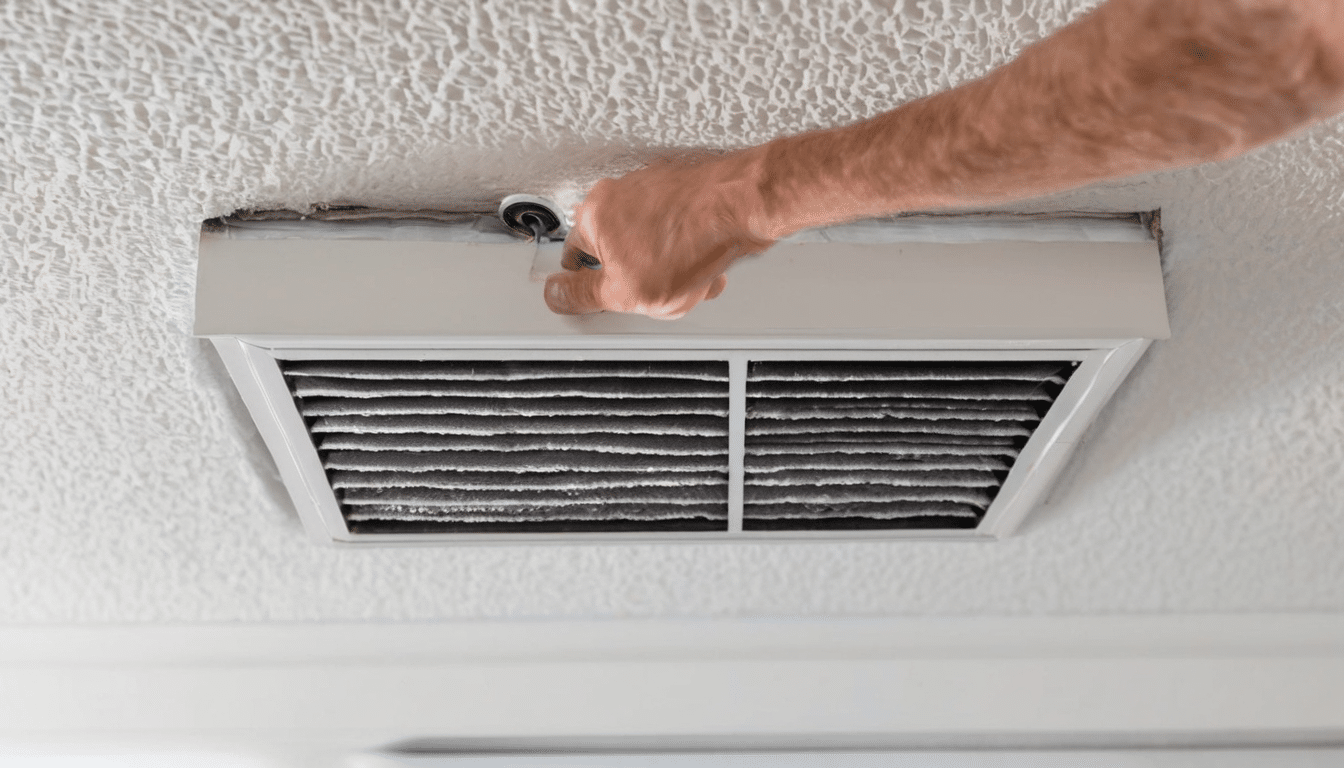
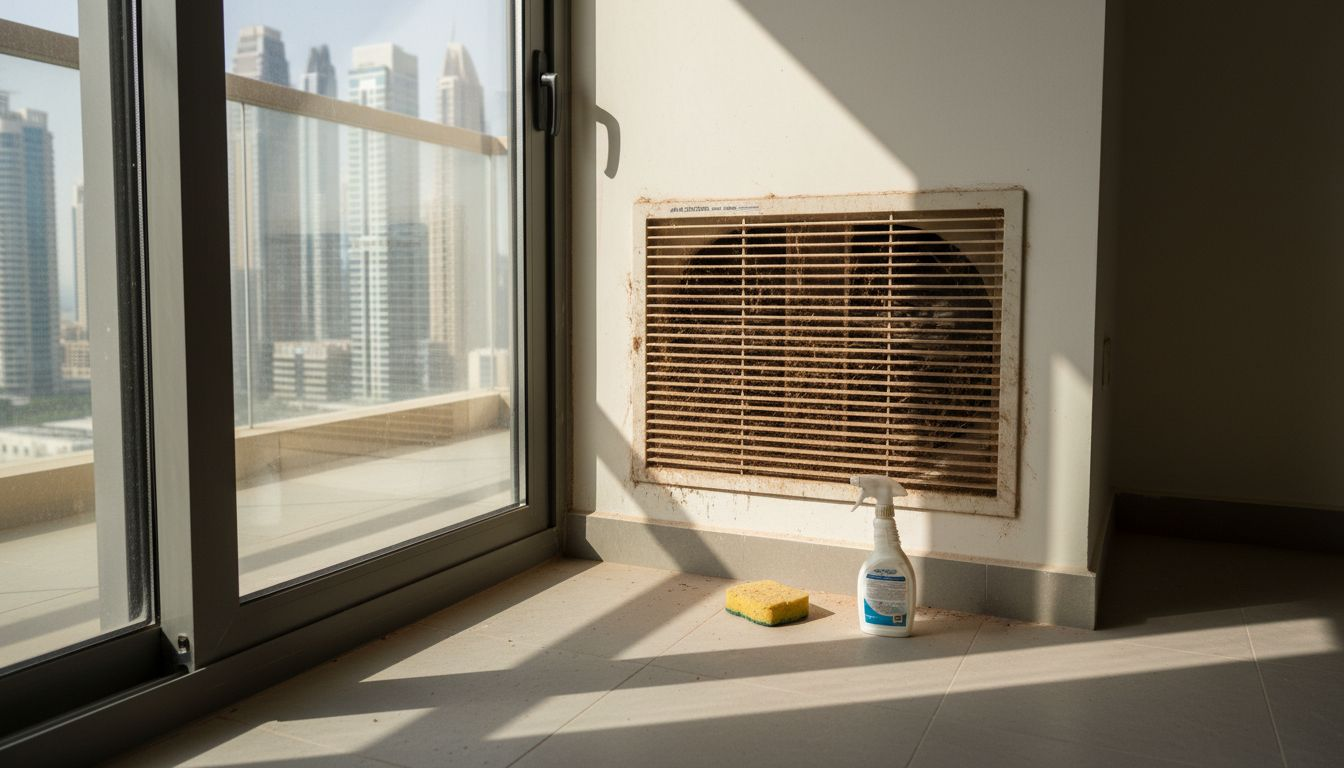
Professional assessment becomes critical when visible signs of contamination emerge. Factors such as persistent musty odors, visible mold growth, or unexplained respiratory issues might indicate more significant contamination risks requiring professional intervention. Buildings in humid environments like Dubai are particularly susceptible to these challenges, necessitating proactive monitoring and maintenance strategies.
Pro Tip: Schedule professional HVAC inspections biannually to detect and mitigate potential air duct contamination before it becomes a significant health or system performance concern.
Major Types and Sources of Contaminants
Air duct contamination encompasses a diverse range of pollutants that can compromise indoor air quality in Dubai’s residential and commercial spaces. Biological contaminants represent one of the most prevalent categories, including microscopic organisms that thrive in humid environments. These biological agents range from microbial growth patterns that develop in ventilation systems to more complex ecosystem developments within ductwork.
The primary sources of air duct contaminants can be categorized into several critical groups:
- Biological Contaminants
- Mold spores
- Bacteria
- Fungal colonies
- Dust mites
- Particulate Matter
- Construction debris
- Dead skin cells
- Fabric fibers
- Pollen
- Chemical Contaminants
- Volatile organic compounds (VOCs)
- Cleaning product residues
- Paint fumes
- Industrial chemical traces
Environmental factors specific to the United Arab Emirates significantly influence contaminant development. The region’s extreme heat and high humidity create ideal conditions for microbial proliferation, especially within poorly maintained HVAC systems. Dubai’s unique urban environment compounds these challenges, with construction dust, desert particulates, and marine aerosols introducing additional contamination vectors into residential and commercial air circulation systems.
Here’s a summary comparing major air duct contaminant types and their typical impacts:
| Contaminant Type | Common Sources | Main Indoor Impact |
|---|---|---|
| Biological | Humidity, poor HVAC design | Mold, allergens, illness risk |
| Particulate Matter | Construction, skin, fabrics | Dust buildup, airflow loss |
| Chemical | Cleaners, paints, emissions | Irritation, odor, toxins |
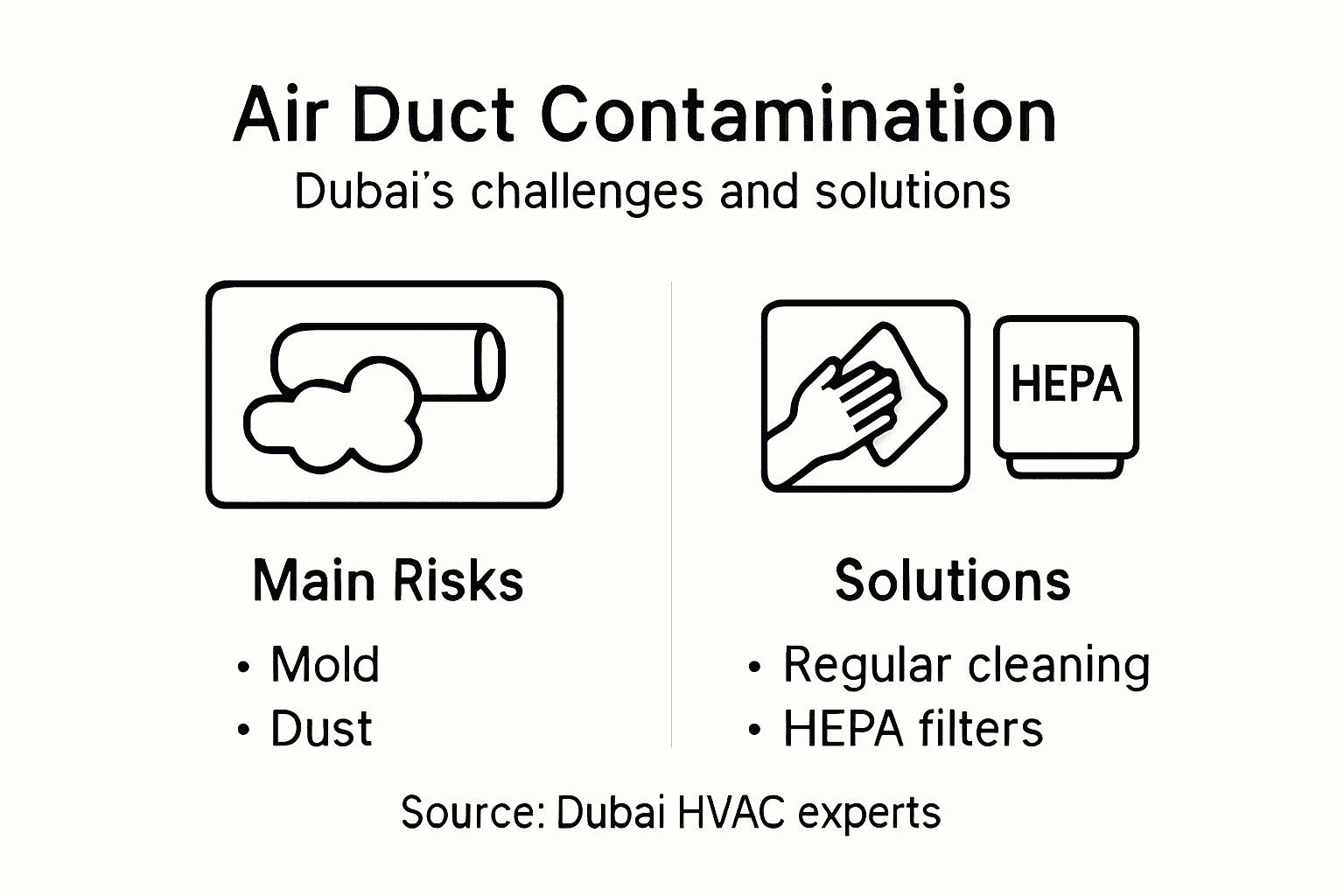
Pro Tip: Invest in high-quality HEPA air filtration systems and conduct quarterly comprehensive air quality assessments to proactively manage potential contaminant sources in your indoor environment.
How Contaminated Ducts Affect Indoor Air
Contaminated air ducts represent a significant threat to indoor air quality, transforming what should be a clean ventilation system into a potential breeding ground for harmful particles. Indoor air pollution mechanisms reveal complex interactions between contaminants and human physiological systems, with potentially serious health implications for residents in Dubai’s urban environments.
The primary health risks associated with contaminated air ducts include:
- Respiratory Complications
- Increased asthma triggers
- Aggravated allergic responses
- Chronic bronchial inflammation
- Neurological Impacts
- Potential cognitive function reduction
- Decreased concentration levels
- Increased risk of neurological stress
- Cardiovascular Strain
- Elevated inflammation markers
- Potential heart rate irregularities
- Compromised cardiovascular resilience
Unique environmental conditions in the United Arab Emirates amplify these risks. Dubai’s combination of extreme heat, high humidity, and urban construction activities creates an ideal environment for contaminant proliferation. Dust, particulate matter, and microbial agents can rapidly multiply within HVAC systems, continuously circulating potentially harmful substances throughout residential and commercial spaces.
Pro Tip: Conduct professional air quality testing biannually and maintain consistent HVAC maintenance to minimize the risk of indoor air contamination and protect your health.
Health and HVAC Risks in Dubai Environments
Dubai’s unique environmental conditions create extraordinary challenges for indoor air quality management. Technical guidelines for indoor air quality highlight the complex interplay between rapid urbanization, extreme climate, and HVAC system performance that significantly impacts resident health and well-being.
The primary environmental risk factors specific to Dubai include:
- Climate-Related Challenges
- Extreme desert heat
- High atmospheric humidity
- Persistent dust particulate exposure
- Urban Environmental Stressors
- Construction particulate matter
- Industrial emission concentrations
- Concentrated urban pollutant sources
- HVAC System Vulnerabilities
- Rapid microbial growth potential
- Accelerated system degradation
- Increased maintenance requirements
These environmental dynamics create a perfect storm for indoor air contamination. The combination of desert dust, marine aerosols, urban pollutants, and humidity generates unique challenges that exponentially increase the risk of HVAC system contamination. Buildings without rigorous maintenance protocols become breeding grounds for microbial agents, potentially compromising respiratory health and overall indoor environmental quality.
This table highlights Dubai-specific environmental challenges for HVAC systems:
| Risk Factor | Dubai Context | Mitigation Priority |
|---|---|---|
| Extreme heat | Intense year-round temperatures | Frequent system checks |
| High humidity | Persistent moisture in air | Humidity control, dehumidifiers |
| Urban pollutants | Heavy construction & traffic | Upgraded filtration systems |
Pro Tip: Implement comprehensive HVAC maintenance protocols that include quarterly professional inspections and specialized cleaning to mitigate the complex environmental risks prevalent in Dubai’s challenging urban landscape.
Prevention, Cleaning, and Maintenance Priorities
Maintaining air duct systems requires a strategic, proactive approach tailored to Dubai’s challenging environmental conditions. HVAC maintenance best practices emphasize comprehensive strategies that go beyond routine cleaning, focusing on systematic prevention and targeted intervention.
Key maintenance priorities include:
- Preventive Inspection Protocols
- Quarterly visual system assessments
- Comprehensive filter evaluations
- Moisture intrusion detection
- Contamination Control Strategies
- Dust and debris management
- Humidity level monitoring
- Sealed ductwork during renovations
- Professional Intervention Points
- Mold growth identification
- Vermin infestation assessment
- Airflow restriction analysis
Professional maintenance becomes especially critical in Dubai’s extreme climate. The region’s high humidity, persistent dust, and temperature fluctuations create unique challenges that demand specialized HVAC care. Buildings require more frequent and comprehensive interventions compared to standard maintenance protocols, with an emphasis on preventing microbial growth and maintaining optimal system performance.
Pro Tip: Develop a customized HVAC maintenance calendar that accounts for Dubai’s specific environmental conditions, scheduling professional inspections at least twice annually to ensure system integrity and indoor air quality.
Protect Your Indoor Air with Expert Air Duct Cleaning from Saniservice
Air duct contamination creates hidden risks for your health and HVAC system efficiency. The buildup of mold spores, bacteria, dust, and chemical residues as described in this article can seriously degrade indoor air quality and cause respiratory and cardiovascular issues. In Dubai’s extreme climate, these challenges multiply, making it essential to act promptly before contamination affects your home or workplace.
Saniservice offers science-backed air conditioning cleaning solutions that target these exact issues. Our NADCA-certified technicians utilize hospital-grade, chemical-free biosanitisers to eliminate mold, allergens, and microbes from every duct component. Supported by our specialized Indoor Sciences team and an in-house microbiology laboratory, we ensure precise and effective removal of contaminants that other services miss.
Take the first step toward healthier air today by exploring our Case Studies – Saniservice AC Cleaning to see real results from clients facing similar contamination concerns. Learn how expert inspections and professional cleaning protect your HVAC system against Dubai’s unique environmental risks. Visit Saniservice now to schedule your consultation and safeguard your indoor environment with trusted, evidence-based care.
Frequently Asked Questions
What causes air duct contamination?
Air duct contamination can be caused by various factors, including the accumulation of dust, mold spores, and particulate matter within HVAC systems due to humidity, temperature changes, and poor system design.
How can contaminated ducts affect indoor air quality?
Contaminated ducts can lead to poor indoor air quality, resulting in respiratory complications, increased asthma triggers, allergies, and potential cognitive and cardiovascular issues due to the circulation of harmful pollutants.
What signs indicate the need for professional HVAC inspection?
Visible signs such as persistent musty odors, mold growth, or unexplained respiratory issues may indicate significant air duct contamination requiring professional inspection and cleaning.
How often should HVAC systems be maintained in high humidity environments?
In high humidity environments, it’s advisable to conduct professional HVAC maintenance at least twice a year to detect and mitigate potential contamination issues and ensure optimal system performance.
Recommended
Related articles