Apartment HVAC System Mold Inspection Dubai Guide
Living in Dubai’s year-round air-conditioned environment means Apartment HVAC Systems operate continuously, creating ideal conditions for mold growth within ductwork and components. Apartment HVAC System Mold Inspection Dubai services have become increasingly essential as residents recognise the health risks associated with contaminated air circulation systems in shared residential buildings.
Dubai’s unique climate combines intense heat, high humidity, and constant cooling demands, making apartment buildings particularly susceptible to mold development within shared HVAC infrastructure. Professional mold inspection identifies hidden contamination before it affects indoor air quality and resident health, protecting families from respiratory issues and long-term exposure risks.
Apartment Hvac System Mold Inspection Dubai – Understanding Mold in Apartment HVAC Systems
Contents
- 1 Apartment Hvac System Mold Inspection Dubai – Understanding Mold in Apartment HVAC Systems
- 2 Apartment HVAC System Mold Inspection Dubai Process
- 3 Health Risks from Mold-Contaminated HVAC Systems
- 4 Professional Inspection Techniques for Apartment Buildings
- 5 Dubai Climate and Mold Growth Factors
- 6 Apartment HVAC System Mold Inspection Dubai Costs
- 7 Prevention and Maintenance Strategies
- 8 Choosing Professional Inspection Services
- 9 Post-Inspection Remediation and Follow-up
- 10 Key Takeaways for Apartment Residents
Mold growth within apartment HVAC systems occurs when moisture accumulates in ductwork, coils, and drain pans, combined with organic debris that serves as food sources. In Dubai’s climate, continuous cooling creates condensation throughout the system, whilst desert dust provides nutrients for microbial growth.
Apartment buildings face unique challenges because shared HVAC systems can spread contamination between units. When one section develops mold problems, spores circulate through interconnected ductwork, potentially affecting multiple residences. This cross-contamination makes early detection through professional Apartment HVAC System Mold Inspection Dubai services crucial for building-wide health protection.
Common Mold Types in Dubai Apartments
Aspergillus species thrive in Dubai’s warm, humid conditions and commonly colonise air conditioning systems. These molds produce allergens and mycotoxins that compromise indoor air quality. Penicillium species also develop in moisture-rich environments, particularly around cooling coils and drain pans.
Cladosporium and Alternaria represent outdoor molds that enter systems through air intake, then establish colonies when moisture conditions support growth. Professional inspection identifies specific mold types present, enabling targeted remediation approaches.
Apartment HVAC System Mold Inspection Dubai Process
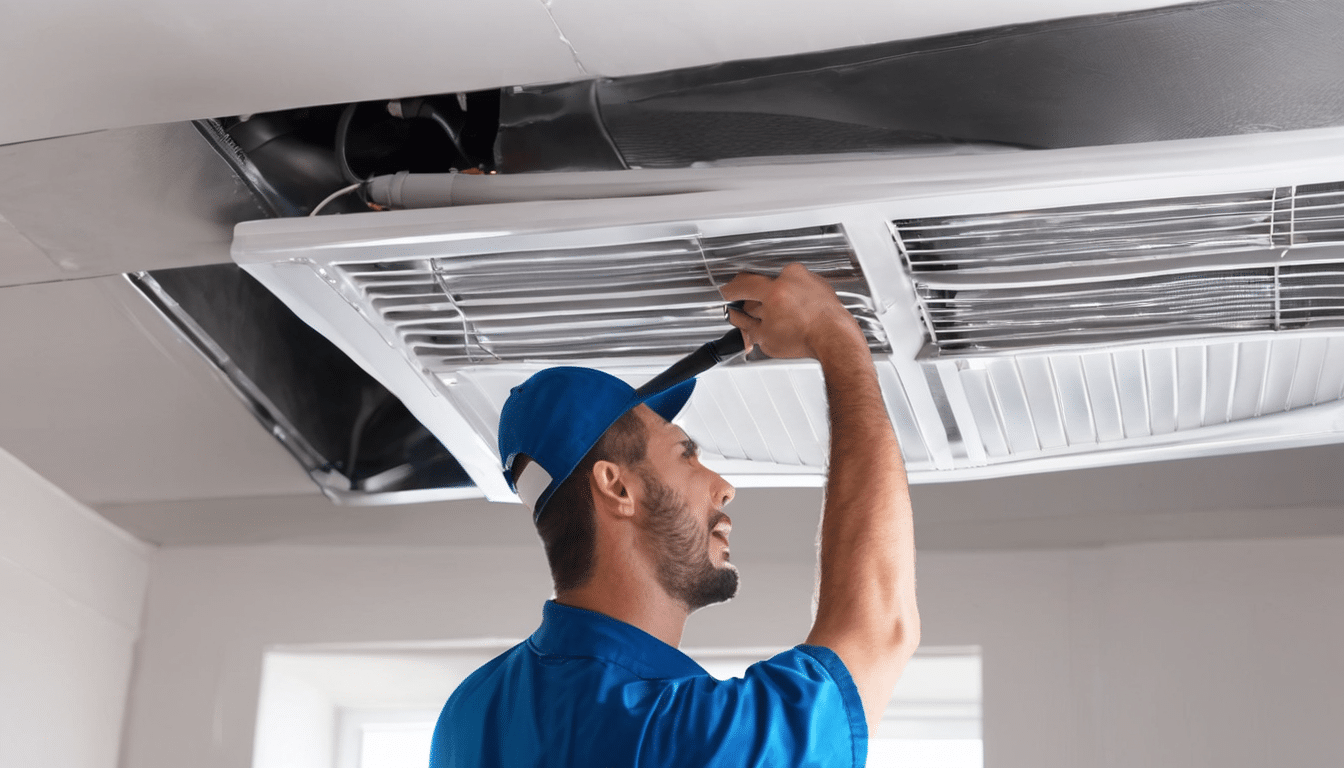
Professional mold inspection begins with visual assessment of accessible HVAC components, including air handlers, ductwork connections, and ventilation grilles. Inspectors examine cooling coils, drain pans, and filter housings for visible mold growth, moisture accumulation, and biofilm development.
Advanced inspection techniques include endoscopic examination of internal ductwork, moisture mapping using infrared thermography, and air sampling to detect airborne spore concentrations. Surface sampling from suspected contamination areas provides laboratory confirmation of mold species present.
Inspection Documentation Standards
Comprehensive Apartment HVAC System Mold Inspection Dubai reports document findings through detailed photography, moisture measurements, and contamination mapping. Laboratory analysis results identify specific mold species, spore concentrations, and contamination severity levels.
Professional documentation includes recommendations for remediation, prevention strategies, and follow-up assessment schedules. This information supports property management decisions and provides residents with clear understanding of air quality conditions.
Health Risks from Mold-Contaminated HVAC Systems
Mold contamination in apartment HVAC systems poses significant health risks through continuous spore circulation and mycotoxin exposure. Residents may experience respiratory symptoms, allergic reactions, and increased asthma episodes when contaminated air circulates throughout living spaces.
Children, elderly residents, and individuals with compromised immune systems face heightened vulnerability to mold exposure. Professional Apartment HVAC System Mold Inspection Dubai services identify contamination before symptoms develop, protecting vulnerable populations through early intervention.
Symptom Recognition and Health Impact
Common symptoms of mold exposure include persistent coughing, nasal congestion, throat irritation, and eye discomfort. Headaches, fatigue, and skin reactions may also indicate indoor air quality problems related to HVAC contamination.
Long-term exposure to certain mold species can contribute to chronic respiratory conditions and immune system dysfunction. Early detection through professional inspection prevents prolonged exposure and associated health complications.
Professional Inspection Techniques for Apartment Buildings
Apartment building inspections require specialised approaches due to shared HVAC infrastructure and multiple unit configurations. Professional technicians assess central air handling units, distribution ductwork, and individual apartment connections to identify contamination sources.
Pressure differentials between apartments can affect contamination spread, making comprehensive system evaluation essential. Apartment HVAC System Mold Inspection Dubai professionals use advanced equipment to trace air movement patterns and identify cross-contamination pathways.
Sampling and Testing Protocols
Air sampling protocols include background outdoor samples, indoor samples from affected areas, and control samples from unaffected zones. Surface sampling targets suspected contamination sites using sterile collection methods for laboratory analysis.
Bulk sampling of debris and settled materials provides additional contamination evidence. Professional protocols ensure sample integrity and chain of custody for accurate laboratory results.
Dubai Climate and Mold Growth Factors
Dubai’s extreme heat and humidity create challenging conditions for HVAC systems, with continuous cooling generating persistent moisture accumulation. Coastal humidity levels, combined with desert dust infiltration, provide optimal conditions for mold development within apartment buildings.
Temperature differentials between outdoor and indoor environments cause condensation throughout cooling systems. Poor drainage, inadequate ventilation, and insufficient maintenance amplify mold growth potential, making regular Apartment HVAC System Mold Inspection Dubai assessments necessary.
Seasonal Contamination Patterns
Summer months present peak contamination risk due to maximum cooling demands and highest humidity levels. Monsoon season introduces additional moisture challenges through increased outdoor humidity and potential water intrusion.
Winter months may reduce active growth but allow established colonies to persist in protective biofilms. Year-round inspection schedules account for seasonal variations in contamination development patterns.
Apartment HVAC System Mold Inspection Dubai Costs
Professional inspection costs range from AED 500 to AED 1,500 per apartment unit, depending on system complexity and testing requirements. Comprehensive building assessments may cost AED 2,000 to AED 5,000, with bulk pricing available for multi-unit properties.
Laboratory analysis adds AED 200 to AED 400 per sample, with typical inspections requiring 3-5 samples for accurate assessment. Advanced testing methods, including mycotoxin analysis, increase costs but provide detailed contamination characterisation.
Cost-Benefit Analysis
Early detection through Apartment HVAC System Mold Inspection Dubai services prevents costly remediation projects and protects resident health. Inspection costs represent minimal investment compared to extensive system cleaning, component replacement, and potential health-related expenses.
Regular inspection schedules reduce long-term maintenance costs whilst ensuring optimal indoor air quality. Property owners benefit from reduced liability and improved tenant satisfaction through proactive contamination management.
Prevention and Maintenance Strategies
Effective mold prevention requires comprehensive moisture control, regular maintenance, and proper ventilation management. Maintaining drain pan cleanliness, ensuring adequate condensate drainage, and replacing filters regularly reduce contamination development risk.
Professional maintenance schedules should include coil cleaning, ductwork assessment, and humidity monitoring. Apartment HVAC System Mold Inspection Dubai services integrate with preventive maintenance programmes to identify problems before they develop into contamination issues.
Building Management Best Practices
Property managers should implement standardised inspection schedules, maintain detailed maintenance records, and respond promptly to tenant air quality complaints. Regular filter replacement, proper ventilation balancing, and moisture monitoring support contamination prevention efforts.
Tenant education about proper ventilation practices, prompt reporting of musty odours, and cooperation with maintenance activities enhances building-wide prevention strategies.
Choosing Professional Inspection Services
Qualified mold inspection professionals possess relevant certifications, specialised equipment, and extensive experience with Dubai’s climate challenges. Look for technicians certified by recognised organisations with proven experience in apartment building assessments.
Professional services should provide comprehensive reporting, laboratory-confirmed results, and clear remediation recommendations. Apartment HVAC System Mold Inspection Dubai specialists understand local building codes, climate factors, and industry best practices.
Service Quality Indicators
Quality indicators include detailed inspection protocols, certified laboratory partnerships, and comprehensive reporting systems. Professional services maintain insurance coverage, provide written warranties, and offer follow-up assessment services.
References from property management companies, detailed service descriptions, and transparent pricing structures indicate professional reliability and service quality.
Post-Inspection Remediation and Follow-up
Following positive mold detection, professional remediation removes contamination whilst addressing underlying moisture sources. Remediation protocols include containment procedures, safe removal methods, and system sanitisation to prevent recontamination.
Post-remediation verification through follow-up Apartment HVAC System Mold Inspection Dubai assessments confirms successful contamination elimination. Air quality testing ensures spore levels return to acceptable ranges before system reactivation.
Long-term Monitoring Strategies
Ongoing monitoring programmes detect early recontamination signs through regular air quality assessments and visual inspections. Quarterly inspections during high-risk seasons provide early warning of developing problems.
Annual comprehensive assessments evaluate system condition, maintenance effectiveness, and indoor air quality trends. Professional monitoring supports long-term contamination prevention and resident health protection.
Key Takeaways for Apartment Residents
Professional mold inspection protects apartment residents from health risks associated with contaminated HVAC systems. Dubai’s climate creates ideal conditions for mold growth, making regular assessment essential for maintaining healthy indoor environments.
Early detection through Apartment HVAC System Mold Inspection Dubai services prevents extensive contamination and costly remediation projects. Property owners benefit from reduced liability whilst residents enjoy improved air quality and health protection.
Choosing qualified professionals ensures accurate assessment and effective remediation planning. Regular inspection schedules, combined with proper maintenance and moisture control, provide long-term protection against mold contamination in apartment buildings throughout Dubai and the UAE. Understanding Apartment Hvac System Mold Inspection Dubai is key to success in this area.