How HVAC Cleaning Boosts Energy Efficiency And Airflow
How Hvac Cleaning Boosts Energy Efficiency and Airflow Guide for 12 Hidden Results
Discover how regular HVAC cleaning can significantly enhance your system’s energy efficiency and airflow, leading to lower utility bills and improved indoor air quality. Learn about the hidden benefits of professional cleaning in this comprehensive guide.
Understanding How HVAC Cleaning Boosts Energy Efficiency and Airflow
Contents
- 1 Understanding How HVAC Cleaning Boosts Energy Efficiency and Airflow
- 2 How HVAC Cleaning Boosts Energy Efficiency And Airflow – The Importance of Airflow and Energy Efficiency
- 3 How HVAC Cleaning Boosts Energy Efficiency And Airflow – Common Issues Caused by Dirty Air Conditioning Systems
- 4 How Dirty Ducts Affect Energy Efficiency
- 5 Improving Airflow Through Clean Ducts
- 6 Reducing Energy Consumption with Clean Ducts
- 7 Enhancing Indoor Air Quality Through HVAC Cleaning
- 8 Case Study on the Effects of HVAC Cleaning
- 9 Benefits of Regular HVAC Cleaning for Homeowners
- 10 Practical Tips for Homeowners
- 11 Frequently Asked Questions (FAQs)
- 12 Conclusion
Heating, ventilation, and air conditioning (HVAC) systems play a crucial role in maintaining comfortable indoor environments. Regular cleaning of these systems can boost their energy efficiency and improve airflow, leading to significant cost savings and enhanced comfort for occupants.
How HVAC Cleaning Boosts Energy Efficiency And Airflow – The Importance of Airflow and Energy Efficiency
Effective HVAC systems rely on proper airflow to distribute conditioned air throughout the building. Clean ductwork ensures that air moves freely, reducing strain on the system and improving overall performance. Inefficient systems can lead to higher energy consumption, increased operating costs, and discomfort for occupants.
How HVAC Cleaning Boosts Energy Efficiency And Airflow – Common Issues Caused by Dirty Air Conditioning Systems
Over time, air conditioning systems accumulate dust, mold, and debris. These contaminants can obstruct airflow, reduce system efficiency, and introduce pollutants into the indoor environment. Regular cleaning is essential to maintain optimal performance.
How Dirty Ducts Affect Energy Efficiency
Dirty ductwork reduces airflow by restricting the passage of air through the system. This can cause the HVAC unit to work harder, leading to increased energy consumption and higher utility bills. By removing obstructions, cleaning improves the overall efficiency of the system.
Improving Airflow Through Clean Ducts
Cleaning ductwork involves removing accumulated debris, including dust, mold spores, and other contaminants. This process unclogs air pathways, allowing for more efficient airflow. Improved airflow ensures that conditioned air reaches all parts of the building effectively.
Reducing Energy Consumption with Clean Ducts
By maintaining clean ductwork, HVAC systems can operate at optimal levels, reducing the need for excessive power usage. This not only lowers energy bills but also extends the lifespan of the equipment and reduces environmental impact. This relates directly to How Hvac Cleaning Boosts Energy Efficiency And Airflow.
Enhancing Indoor Air Quality Through HVAC Cleaning
Clean HVAC systems contribute to better indoor air quality by reducing allergens, mold spores, and other pollutants. Regular cleaning helps maintain a healthier environment for occupants, particularly those with respiratory conditions or allergies.
Case Study on the Effects of HVAC Cleaning
A recent study conducted in Dubai found that buildings with regularly cleaned HVAC systems experienced 30% lower energy consumption compared to those without regular maintenance. The study also reported a significant improvement in indoor air quality, leading to better occupant comfort and health.
Benefits of Regular HVAC Cleaning for Homeowners
Regular cleaning of HVAC systems offers numerous benefits for homeowners:
- Lower energy bills: Improved system efficiency leads to reduced utility costs.
- Better indoor air quality: Removal of contaminants improves overall comfort and health.
- Prolonged equipment lifespan: Regular maintenance extends the life of HVAC systems.
Practical Tips for Homeowners
- Schedule regular cleanings: Set a yearly or bi-annual schedule to ensure your system remains in top condition.
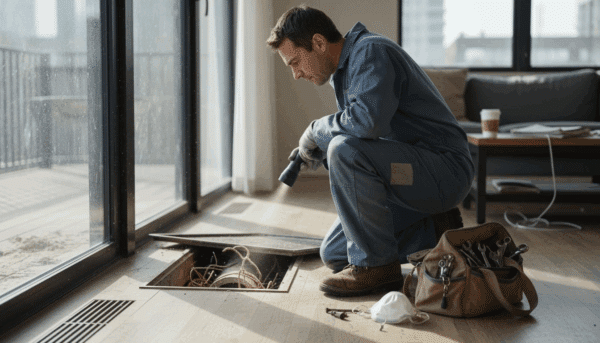
- Use professional services: Employ experienced technicians who can effectively clean and disinfect the entire HVAC system.
- Monitor filter replacements: Replace filters as recommended by the manufacturer to maintain optimal airflow.
Frequently Asked Questions (FAQs)
- Q: How often should I clean my HVAC system?
- A: It is recommended to have your HVAC system cleaned once a year or every two years, depending on usage and environmental conditions.
Q: Can DIY cleaning be as effective as professional cleaning?
A: While DIY methods can help, professional cleaning offers more thorough results. Experts use specialized tools and techniques to ensure complete system hygiene.
Q: What are the signs that my HVAC system needs cleaning?
A: Signs include reduced air flow, increased energy bills, musty odors in the home, or visible dust on surfaces. These can indicate a need for professional cleaning.
Conclusion
Regular HVAC cleaning is essential for maintaining optimal system performance and indoor air quality. By addressing hidden issues such as dirty ducts, homeowners can enjoy lower energy bills, improved comfort, and a healthier living environment. Professional cleaning services offer the expertise necessary to keep your HVAC system running efficiently. Understanding How Hvac Cleaning Boosts Energy Efficiency And Airflow is key to success in this area.