

Energy Efficiency In Ac: Balancing Indoor Air Quality with
Understanding Balancing Indoor Air Quality With Energy Efficiency In Ac is essential. —
Understanding Balancing Indoor Air Quality with Energy Efficiency in AC
Contents
- 1 Understanding Balancing Indoor Air Quality with Energy Efficiency in AC
- 2 Balancing Indoor Air Quality With Energy Efficiency In Ac – Duct Cleaning for Energy Efficiency: Pros and Cons
- 3 Balancing Indoor Air Quality With Energy Efficiency In Ac – Frequent AC Maintenance and Its Impact on IAQ and EE
- 4 Advanced Filtration Technologies: A Closer Look
- 5 Humidity Control Strategies for Energy Efficiency
- 6 Verdict: The Best Approach to Balancing IAQ and EE in AC Systems
- 7 Expert Tips for Balancing IAQ and EE
- 8 FAQs
- 9 Conclusion
Indoor air quality (IAQ) and energy efficiency are two critical aspects of an effective HVAC system, especially in the context of Dubai’s climate. While high indoor air quality improves comfort and health, it can sometimes compromise energy efficiency, leading to increased costs. Conversely, optimizing energy efficiency might reduce utility bills but could negatively impact IAQ if not managed properly.
—
Indoor Air Quality (IAQ) involves maintaining clean, healthy air within a building’s environment, while Energy Efficiency in AC systems focuses on reducing energy consumption without compromising cooling performance. Balancing these two can be challenging but is essential for long-term comfort and cost-effectiveness.
Balancing Indoor Air Quality With Energy Efficiency In Ac – Duct Cleaning for Energy Efficiency: Pros and Cons
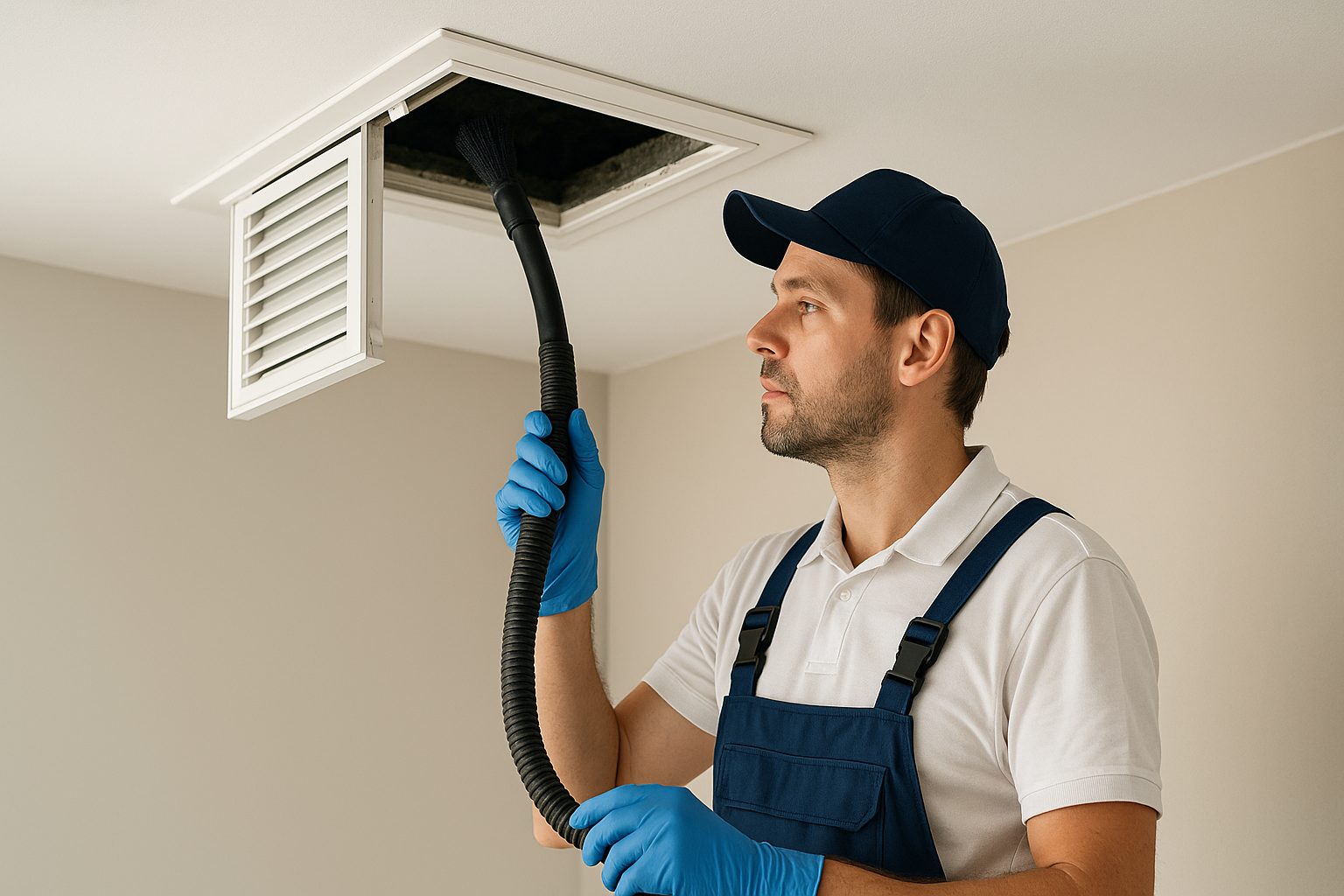
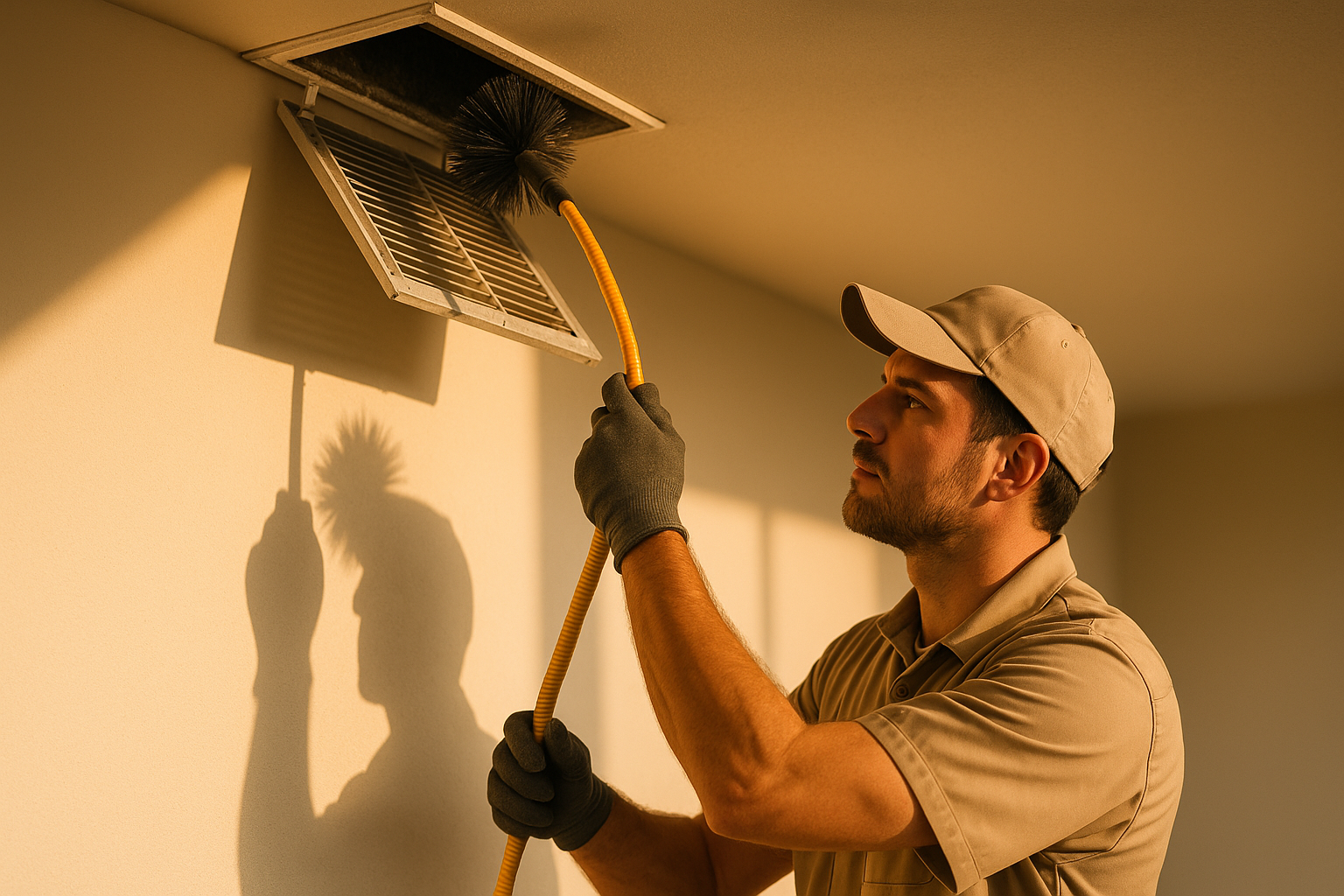
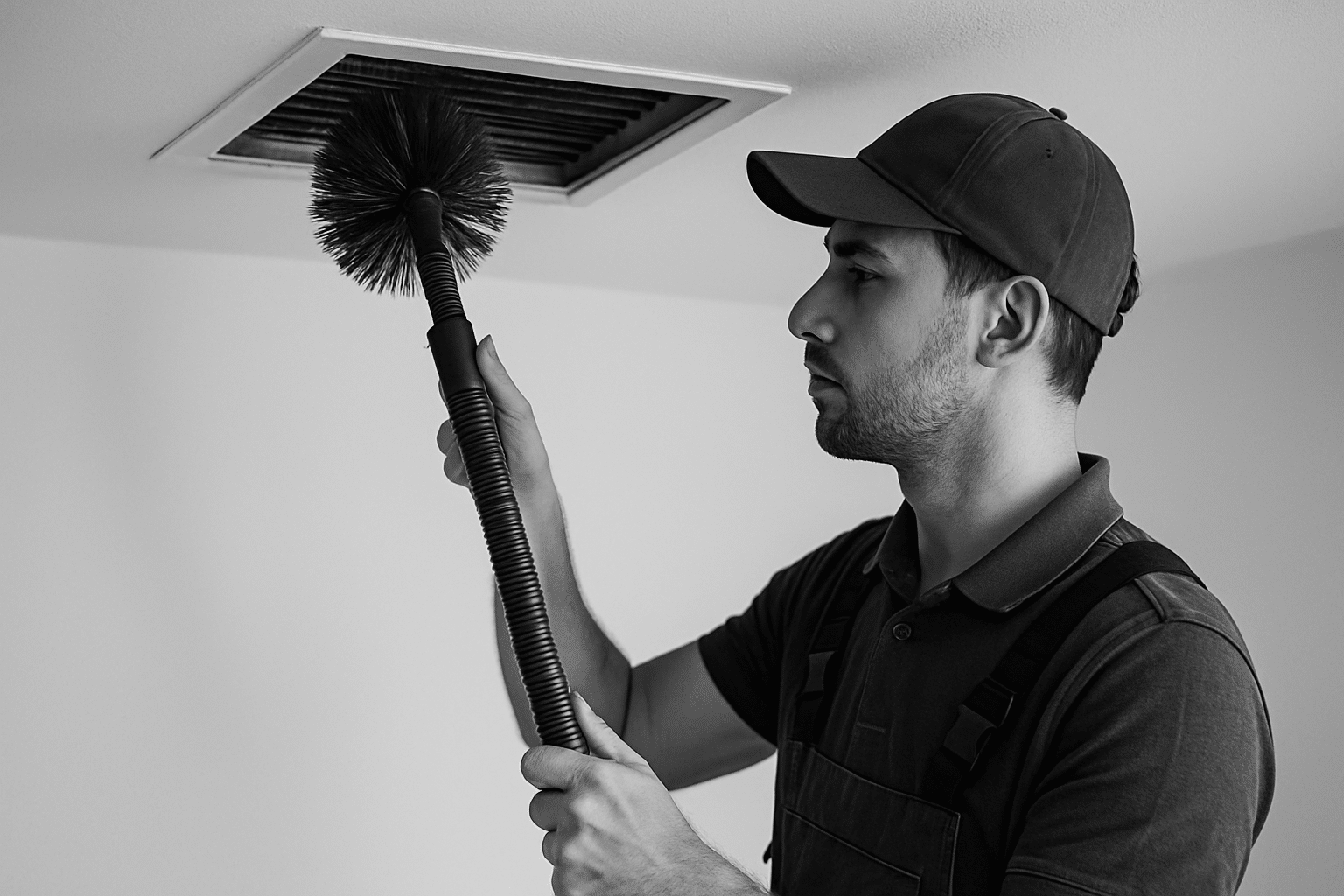
Duct cleaning is often promoted as a method to improve both IAQ and energy efficiency. However, the relationship between duct cleaning and energy savings can be complex.
Pros of Duct Cleaning for Energy Efficiency:
- Cleaning Removes Obstructions: Accumulated dust and debris in AC ducts can restrict airflow, leading to increased energy consumption as the system works harder. Regular cleaning ensures smooth air flow, reducing strain on the HVAC unit.
- Improved System Performance: Clean ducts enhance overall performance, potentially lowering utility bills by up to 20%. This is especially true for older systems that have not been maintained properly.
Cons of Duct Cleaning for Energy Efficiency:
- Costly and Inconvenient: Professional duct cleaning can be expensive, with prices ranging from AED 100 to 200 per meter of ductwork. This cost may not always justify the energy savings.
- Maintenance Intensity: Regular maintenance is necessary to keep ducts clean, which requires ongoing effort and expense for homeowners or building managers.
—
Balancing Indoor Air Quality With Energy Efficiency In Ac – Frequent AC Maintenance and Its Impact on IAQ and EE
Frequent AC maintenance plays a crucial role in both improving indoor air quality (IAQ) and enhancing energy efficiency. Proper maintenance ensures that the HVAC system operates at optimal levels, reducing energy waste while maintaining clean and healthy air. This relates directly to Balancing Indoor Air Quality With Energy Efficiency In Ac.
Impact on IAQ:
- Mold and Mildew Prevention: Regular cleaning of evaporator coils and drain pans prevents mold growth, which can cause serious health issues. This maintenance is particularly important in humid climates like Dubai’s.
- Dust Removal: Cleaning filters and other components reduces the amount of dust and allergens circulating through the air, improving overall IAQ for allergy-sensitive individuals.
Impact on EE:
- Better Airflow: Regular cleaning ensures that airflow remains consistent, reducing the workload on the AC unit and lowering energy consumption.
- Efficient Use of Refrigerant: Proper maintenance helps to ensure that refrigerants are not overcharged or undercharged, leading to more efficient operation and lower energy usage.
—
Advanced Filtration Technologies: A Closer Look
To balance IAQ and EE effectively, advanced filtration technologies can be employed. These include high-efficiency particulate air (HEPA) filters, activated carbon filters, and ultra-violet (UV) lights that provide superior filtration while maintaining energy efficiency.
Pros of Advanced Filtration Technologies:
- Higher Air Quality: HEPA filters can capture particles as small as 0.3 microns, which is highly effective for allergy sufferers and those with respiratory issues.
- Built-in UV Lights: UV lights installed in the AC system can kill bacteria and viruses, further enhancing IAQ without significant energy impact.
Cons of Advanced Filtration Technologies:
- Higher Initial Cost: These filters are more expensive than standard ones but offer long-term benefits for both IAQ and EE.
- Maintenance Requirements: Regular replacement of these filters may be necessary, adding to maintenance costs.
—
Humidity Control Strategies for Energy Efficiency
Humidity control is another critical factor in balancing IAQ and EE. Excessive moisture can lead to mold growth, decreased system efficiency, and poor air quality. Implementing effective humidity control strategies ensures both comfort and energy savings. When considering Balancing Indoor Air Quality With Energy Efficiency In Ac, this becomes clear.
Strategies:
- Dedicated Dehumidifiers: These units can be used in conjunction with AC systems to remove excess moisture from the air, reducing the risk of mold growth and improving IAQ.
- Proper Ventilation: Ensuring that areas are well-ventilated helps to maintain a balanced indoor environment. This is especially important during high-humidity seasons in Dubai.
—
Verdict: The Best Approach to Balancing IAQ and EE in AC Systems
The best approach to balancing indoor air quality (IAQ) with energy efficiency (EE) involves a combination of regular maintenance, advanced filtration technologies, and effective humidity control strategies. Here are the key recommendations:
- Regular Maintenance: Schedule annual or bi-annual inspections and cleanings to ensure optimal system performance.
- Advanced Filtration Systems: Consider upgrading to high-efficiency filters if you have occupants with allergies or respiratory issues, but weigh the cost against your energy savings goals.
- Humidity Control Measures: Implement strategies like using dehumidifiers and maintaining proper ventilation to manage moisture levels effectively.
By taking a holistic approach that addresses both IAQ and EE, you can achieve a more comfortable, healthy, and energy-efficient living or working environment in Dubai’s climate.
—
Expert Tips for Balancing IAQ and EE
- Regularly Check Filters: Replace filters every 3-6 months to ensure maximum efficiency and clean air circulation.
- Use Humidistats: Install humidistats in your AC system to monitor and control humidity levels automatically.
- Opt for Energy-Efficient Models: Invest in newer, energy-efficient models that offer better performance with lower power consumption.
—
FAQs
- Q1: How often should I have my AC ducts cleaned?
- Q2: Can I save energy by just turning off my AC during the day?
- Q3: What are the signs of poor IAQ in my home?
- Q4: Can I DIY duct cleaning, or should I hire a professional?
- Q5: What are the benefits of UV lights in AC systems?
A1: It’s recommended to clean your AC ducts every 3-5 years, but this can vary depending on the local environment and usage. High dust levels in desert climates may require more frequent cleaning.
A2: While turning off your AC during low-usage periods can reduce energy consumption, it’s essential to ensure that your system is properly maintained and set up for efficient operation. Regular maintenance will help you achieve maximum savings without compromising comfort.
A3: Poor IAQ can manifest through symptoms like coughing, sneezing, eye irritation, and skin rashes. You might also notice musty odors or mold growth in your AC system. The importance of Balancing Indoor Air Quality With Energy Efficiency In Ac is evident here.
A4: While some basic cleaning can be done by homeowners, professional duct cleaning is recommended for thorough results. Professionals use specialized tools and techniques that ensure safety and effectiveness.
A5: UV lights can kill bacteria and viruses, improving IAQ while maintaining energy efficiency. They work best when combined with advanced filtration systems for optimal results.
—
Conclusion
Balancing indoor air quality (IAQ) with energy efficiency (EE) in AC systems is a complex but essential task, particularly in the challenging climate of Dubai. By implementing regular maintenance, advanced filtration technologies, and effective humidity control strategies, you can achieve both comfort and cost savings. The key is to find a balance that works for your specific needs and environment.
—
By following these recommendations and consulting with professional HVAC experts, you can create an optimal indoor environment that enhances both health and energy performance in your Dubai home or building. Understanding Balancing Indoor Air Quality With Energy Efficiency In Ac is key to success in this area.

Leave a Reply