Home Water Filter Guide
Understanding Home Water Filter types: which one actually works in Dubai’s specific water conditions is not straightforward. Dubai’s water supply arrives through desalination plants, travels through extensive pipe networks, and often sits in rooftop storage tanks before reaching your tap. Each of these stages introduces different contaminants — from chlorine and total dissolved solids to sediment, bacteria, and biofilm. The right filter must address what is actually in your water, not what a generic global guide assumes.
Based on over 13 years of working with indoor environments across Dubai, Abu Dhabi, and Sharjah, the question I hear most often from residents is: “Which water filter should I buy?” The honest answer is that no single filter type works best in every situation. Different home water filter types remove different contaminants, and choosing correctly depends on your water source, tank condition, pipe age, and health requirements. This relates directly to Home Water Filter Types: Which One Actually Works.
This step-by-step guide walks through every major filter technology available to UAE households, explains what each one removes, and helps you match the right system to your home’s actual water quality. By the end, you will know precisely which home water filter type actually works for your situation.
Home Water Filter Types: Which One Actually Works – Step 1: Understand What Is in Your Water First
Before comparing home water filter types: which one actually works cannot be answered without knowing your starting point. Dubai’s municipal water is treated and technically meets WHO standards at the source. However, by the time water reaches your tap, it has passed through kilometres of distribution pipes, rooftop storage tanks that may not have been cleaned in months, and building-internal plumbing of varying age and condition.
Common contaminants in UAE tap water
- Chlorine and chloramines — added by Dubai Municipality for disinfection; affects taste and odour
- Total dissolved solids (TDS) — desalinated water remineralisation can leave elevated TDS in some areas
- Sediment and rust particles — from ageing pipes and uncleaned storage tanks
- Bacteria and biofilm — most common in tank-stored water left stagnant in summer heat above 40°C
- Scale and limescale — hard water minerals that accumulate in pipes and appliances
How to test your water before buying a filter
Purchase a basic TDS meter (available in Dubai for AED 30–80) to check dissolved solids. For more thorough analysis, Dubai Accredited Testing Laboratories offer water quality tests from AED 150–400 that identify bacteria, heavy metals, and chemical parameters. Field investigation data consistently shows that Dubai homes with uncleaned water tanks record bacterial counts 3 to 8 times higher than the same building’s municipal supply entry point — making tank condition as important as filter selection. When considering Home Water Filter Types: Which One Actually Works, this becomes clear.
Home Water Filter Types: Which One Actually Works – Step 2: Start With Sediment Filtration
Every effective home water filtration system begins with a sediment pre-filter. When comparing home water filter types: which one actually works, sediment filters are the foundation layer, not the complete solution.
Sediment filters use a physical barrier — typically polypropylene or pleated media — rated in microns. A 5-micron filter removes particles visible to the eye: sand, rust flakes, dirt, and debris from tank walls. A 1-micron filter catches finer sediment. These filters protect downstream components such as carbon blocks and reverse osmosis membranes from clogging prematurely.
Sediment filters do not remove chlorine, bacteria, dissolved chemicals, or TDS. In Dubai villas and apartments with older internal plumbing or infrequently cleaned water tanks, sediment filters should be replaced every 1–3 months, as they load quickly in high-dust and high-sediment environments.
Step 3: Evaluate Activated Carbon Filters
When evaluating home water filter types: which one actually works for taste and chemical reduction, activated carbon is the most widely relevant technology for Dubai households.
Activated carbon works through adsorption — contaminants bind to the enormous surface area of carbon granules or compressed carbon blocks. A single gram of activated carbon contains approximately 500 square metres of internal surface area. This makes it exceptionally effective for specific contaminants.
What activated carbon removes
- Chlorine and chloramines — highly effective
- Volatile organic compounds (VOCs)
- Pesticide residues
- Unpleasant taste and odour
- Some heavy metals (lead, mercury) when using specialised carbon media
What activated carbon does not remove
- Bacteria and viruses
- Dissolved salts and TDS
- Nitrates and fluoride
- Limescale minerals
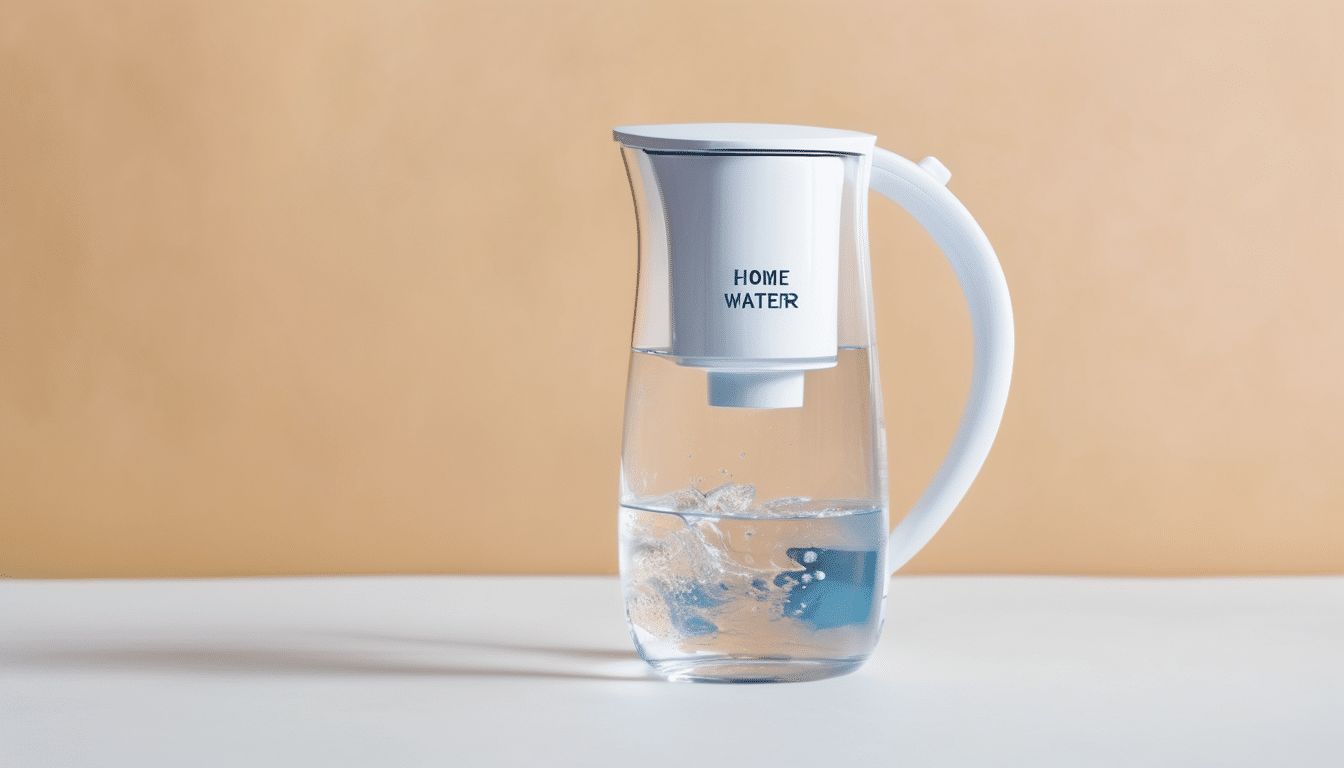
Carbon block filters perform better than granular activated carbon (GAC) for most residential applications because the compressed block forces water through a consistent media path. For Dubai households where chlorine taste is the primary concern and tank hygiene is regularly maintained, a quality activated carbon under-sink filter (AED 300–700) may be sufficient.
Step 4: Consider Reverse Osmosis for Comprehensive Filtration
In the discussion of home water filter types: which one actually works for the broadest range of Dubai water quality concerns, reverse osmosis (RO) systems consistently deliver the most comprehensive results. Industry data from UAE water quality assessments suggests that properly maintained RO systems remove 95–99% of dissolved contaminants from municipal and tank-sourced water.
Reverse osmosis forces water under pressure through a semi-permeable membrane with pores approximately 0.0001 microns in size. This is smaller than most bacteria, viruses, dissolved salts, heavy metals, nitrates, and TDS compounds. The process produces permeate (filtered water) and reject water (the concentrated contaminants flushed to drain). The importance of Home Water Filter Types: Which One Actually Works is evident here.
Standard RO system stages
- Stage 1 — Sediment pre-filter: Removes particulate matter above 5 microns
- Stage 2 — Carbon pre-filter: Removes chlorine that damages the RO membrane
- Stage 3 — RO membrane: Primary filtration stage removing dissolved contaminants
- Stage 4 — Post-carbon polishing filter: Improves final taste and removes residual compounds
- Stage 5 (optional) — Remineralisation or alkaline filter: Restores beneficial minerals removed during RO process
RO systems under the sink in Dubai villas typically cost AED 800–2,500 for supply and installation, with annual maintenance (membrane and filter replacements) of approximately AED 300–600. The RO membrane itself should be replaced every 12–24 months depending on local water TDS and usage volume.
One limitation: RO systems produce reject water at a ratio of approximately 3:1 or 4:1 (reject to filtered water). This is a practical consideration in UAE water conservation contexts.
Step 5: Add UV Purification for Microbial Safety
When assessing home water filter types: which one actually works specifically for bacteria and viral contamination, ultraviolet (UV) purification is the targeted solution. UV systems are not standalone replacements for chemical or particulate filtration — they are the final defence against microbial threats.
UV purifiers expose water to ultraviolet light at a wavelength of 254 nanometres, which disrupts the DNA of bacteria, viruses, and protozoa, rendering them unable to reproduce. UV systems achieve 99.99% inactivation of most waterborne pathogens. They add no chemicals to water, produce no off-flavours, and require minimal maintenance — typically an annual lamp replacement. Understanding Home Water Filter Types: Which One Actually Works helps with this aspect.
When UV filtration is most important in Dubai
UV purification is particularly relevant for Dubai and UAE households where water storage tanks are used (as in most villas and low-rise buildings), where tank cleaning has been delayed beyond six months, where building plumbing is old and may harbour biofilm, and where immunocompromised individuals, young children, or elderly occupants reside. In summer months when tank water temperatures reach 35–45°C, bacterial proliferation accelerates significantly, making UV an important layer in the filtration chain.
UV systems typically cost AED 400–1,200 for residential units, with annual lamp replacement costs of AED 150–300.
Comparing Home Water Filter Types: Which One Actually Works
To make the decision clear, this comparison addresses home water filter types: which one actually works for each specific water quality concern Dubai residents face.
| Contaminant | Sediment Filter | Activated Carbon | Reverse Osmosis | UV Purification |
|---|---|---|---|---|
| Sediment and rust | ✓ Excellent | Partial | ✓ Good | ✗ No |
| Chlorine and odour | ✗ No | ✓ Excellent | ✓ Good (with carbon) | ✗ No |
| TDS and dissolved salts | ✗ No | ✗ No | ✓ Excellent | ✗ No |
| Bacteria and viruses | ✗ No | ✗ No | Partial (membrane dependent) | ✓ Excellent |
| Heavy metals | ✗ No | Partial | ✓ Excellent | ✗ No |
The most effective home water filtration for Dubai conditions combines an RO system with a UV final stage, preceded by sediment and carbon pre-filtration. This multi-stage approach addresses the full spectrum of contaminants present in Dubai’s tank-stored, pipe-distributed, desalinated water supply. Home Water Filter Types: Which One Actually Works factors into this consideration.
Water Filter Costs in Dubai and the UAE
Understanding home water filter types: which one actually works must also include realistic cost expectations for UAE consumers.
- Sediment pre-filter (inline): AED 50–150 unit cost; AED 30–80 per replacement cartridge every 1–3 months
- Activated carbon under-sink system: AED 300–700 installed; AED 100–250 annually for filter replacement
- 5-stage RO system (under-sink): AED 800–2,500 installed; AED 300–600 annually for maintenance
- UV purification unit: AED 400–1,200 installed; AED 150–300 annually for lamp replacement
- Whole-house filtration system: AED 3,000–8,000 installed, suitable for large Dubai villas
Whole-house systems treat all water entering the property, protecting appliances, showers, and all taps simultaneously. They are particularly relevant for Dubai villas in areas such as Arabian Ranches, Jumeirah Village Circle, or The Springs, where aging internal plumbing may introduce sediment and scale at multiple points.
Expert Tips for Choosing the Right Home Water Filter
After assessing home water filter types: which one actually works across hundreds of Dubai residential properties, these field-tested recommendations consistently deliver the best outcomes.
- Test before you buy: A basic TDS reading and visual inspection of your water tank condition will immediately narrow your filter requirements.
- Clean your water tank first: No filter compensates for a tank contaminated with algae, biofilm, or sediment. Professional water tank cleaning in Dubai costs AED 300–800 and should precede filter installation.
- Do not rely on a single-stage filter: In Dubai’s conditions, multi-stage filtration is not a luxury — it addresses genuinely different contamination sources at each stage.
- Replace filters on schedule: An overloaded activated carbon filter does not just lose effectiveness — it can release trapped contaminants back into filtered water. Set maintenance reminders every 6 months at minimum.
- Consider a remineralisation stage with RO: Pure RO water lacks beneficial minerals. A remineralisation cartridge (AED 80–200) restores calcium and magnesium for better taste and mineral balance.
- For renters: A countertop or under-sink RO unit with a quick-connect fitting allows installation without building modifications and is portable when you move.
Frequently Asked Questions
Which home water filter type is best for Dubai tap water?
In Dubai’s specific conditions — desalinated source water, rooftop tank storage, and high summer temperatures — a multi-stage system combining sediment pre-filtration, activated carbon, reverse osmosis, and UV purification provides the most comprehensive protection. Home water filter types: which one actually works depends entirely on your specific contamination profile, so water testing before purchase is strongly recommended.
Is Dubai tap water safe to drink without filtering?
Dubai Municipality water meets WHO standards at the treatment and distribution source. However, contamination frequently occurs in rooftop storage tanks and building plumbing before it reaches your tap. Independent testing of Dubai villa and apartment tap water consistently shows elevated bacterial counts, sediment, and chlorine levels that make filtration advisable for daily drinking water use.
How often should I replace my water filter in Dubai?
Sediment pre-filters in Dubai should be replaced every 1–3 months due to high dust and tank sediment loads. Activated carbon filters every 6 months. RO membranes every 12–24 months. UV lamps annually. Dubai’s year-round high usage and elevated TDS levels mean filters load faster than in temperate climates — always follow the shorter end of manufacturer replacement intervals.
Does a water filter remove bacteria from tank water in UAE homes?
Activated carbon and sediment filters do not reliably remove bacteria. Reverse osmosis membranes remove most bacteria, but UV purification is the most effective and reliable technology for microbial inactivation. For UAE homes where water is stored in rooftop tanks that reach 40°C or above in summer, UV purification is particularly important as a final-stage treatment.
What is TDS and what level is acceptable in Dubai drinking water?
TDS (total dissolved solids) measures the concentration of dissolved compounds in water, expressed in milligrams per litre (mg/L) or parts per million (ppm). WHO guidelines suggest a TDS below 600 mg/L for drinking water, with 300 mg/L or below considered excellent. Dubai municipal water TDS typically ranges from 150–400 mg/L at source. Reverse osmosis is the most effective method for reducing TDS when levels are elevated. This relates directly to Home Water Filter Types: Which One Actually Works.
Can I install a water filter in a Dubai apartment rental?
Yes. Under-sink reverse osmosis systems and countertop filters can be installed in Dubai apartments without permanent modifications. Many systems use quick-connect fittings that attach to existing tap connections. Countertop gravity-fed filters require no plumbing at all. Always confirm with your landlord or property management before making any connections under the sink.
What is the difference between reverse osmosis and UV purification in UAE homes?
Reverse osmosis removes dissolved contaminants, TDS, heavy metals, and most bacteria through membrane filtration. UV purification uses ultraviolet light to inactivate bacteria, viruses, and protozoa without chemical addition. These technologies address different threats and work best together. RO removes what UV cannot, and UV eliminates microbes that RO membranes may occasionally allow through if damaged.
Conclusion
Understanding home water filter types: which one actually works for Dubai and UAE conditions requires moving beyond generic global advice. Dubai’s water travels a complex path — desalination, distribution, tank storage, and building plumbing — each stage capable of introducing different contaminants. No single filter technology addresses all of them.
The practical answer: a multi-stage system combining sediment pre-filtration, activated carbon, reverse osmosis, and UV purification delivers comprehensive, measurable protection. For most Dubai households, a quality 5-stage RO system with UV post-treatment, properly installed and maintained, will resolve the vast majority of water quality concerns. Simpler setups — such as activated carbon alone — remain appropriate where water quality testing confirms that TDS and bacterial contamination are not primary concerns. When considering Home Water Filter Types: Which One Actually Works, this becomes clear.
Whatever filter system you choose, the single most important prerequisite is a clean water storage tank. No home water filter type works properly against the volume of contamination that a neglected 5,000-litre rooftop tank can introduce. Start with tank hygiene, follow with targeted filtration, and maintain both on a consistent schedule. That combination — more than any single filter — is what actually works for healthy drinking water in Dubai homes. Understanding Home Water Filter Types: Which One Actually Works is key to success in this area.