Control Indoor Allergens And Improve Indoor Air Quality
Introduction
Contents
- 1 Introduction
- 2 Understanding Allergens and Indoor Air Quality
- 3 Improving Indoor Air Quality
- 4 Controlling Dust Mites in Your Home
- 5 Avoiding Pet Allergens
- 6 Managing Plant and Mold Growth
- 7 Using Air Filters Effectively
- 8 Proper Hygiene Practices for IAQ
- 9 Controlling Pests and Insects
- 10 Professional Services for IAQ Improvement
- 11 Expert Tips and Takeaways
- 12 FAQs on Controlling Allergens and Air Quality
- 13 Conclusion
Understanding I Control Indoor Allergens And Improve Indoor Air Quality is essential. Indoor air quality (IAQ) is a critical aspect of our daily lives, especially in the UAE where year-round air conditioning is common. Poor IAQ can lead to respiratory issues, allergies, and other health problems. This guide will provide you with actionable steps to control indoor allergens and improve the overall air quality in your home or workplace.
Understanding Allergens and Indoor Air Quality
Allergens are substances that trigger allergic reactions in susceptible individuals. Common allergens found indoors include dust mites, pet dander, mold spores, pollen, and various chemicals from cleaning products or building materials. These allergens can significantly impact indoor air quality and contribute to respiratory issues such as asthma and allergies.
Improving Indoor Air Quality
Improving IAQ involves multiple steps that include proper ventilation, filtration, and regular cleaning. Here are some practical measures you can implement: This relates directly to I Control Indoor Allergens And Improve Indoor Air Quality.
- Ventilation: Ensure your home or office has adequate natural ventilation to reduce indoor pollutants. Consider using exhaust fans in bathrooms and kitchens.
- Air Purifiers: Invest in high-quality air purifiers that use HEPA filters to trap allergens, particles, and even viruses.
- Cleaning Practices: Regularly clean your home with a focus on areas prone to dust accumulation such as carpets, curtains, and furniture. Use microfiber cloths for better dust collection.
Controlling Dust Mites in Your Home
Dust mites thrive in warm, humid environments. In the UAE, high indoor humidity can exacerbate this issue. Here’s how to control dust mites:
- Control Humidity Levels: Use dehumidifiers or air conditioners to maintain a relative humidity of around 30-50%. This makes it harder for dust mites to survive.
- Cover Beds and Furniture: Encase mattresses, pillows, and cushions with allergen-proof covers. Wash bedding weekly in hot water (at least 60°C).
- Frequent Cleaning: Dust and vacuum surfaces regularly using a HEPA filter vacuum cleaner to reduce dust mite populations.
Avoiding Pet Allergens
If you have pets, their dander, saliva, and urine can trigger allergic reactions. Here are some steps to manage pet allergens: When considering I Control Indoor Allergens And Improve Indoor Air Quality, this becomes clear.
- Regular Grooming: Bathe your pets regularly and groom them outside the home to minimize dander spread.
- Zoning: Designate certain areas of your home as “no-pet” zones. Keep pets out of bedrooms where allergens can settle on bedding and furniture.
- Clean Regularly: Vacuum carpets, clean upholstery, and wash pet toys frequently to reduce the presence of dander and other allergens.
Managing Plant and Mold Growth
Mold thrives in damp conditions. Here are steps you can take to manage mold growth:
- Fix Leaks Promptly: Address any water leaks or spills immediately to prevent moisture accumulation.
- Ventilation: Ensure bathrooms and kitchens have proper ventilation to reduce humidity. Use exhaust fans during showering and cooking.
- Drying Surfaces: Dry surfaces thoroughly after cleaning or washing to prevent mold spores from settling.
Using Air Filters Effectively
Air filters play a crucial role in maintaining IAQ. Here’s how to use them effectively:
- Replace Filters Regularly: Replace your air filter according to the manufacturer’s recommendations, typically every three months.
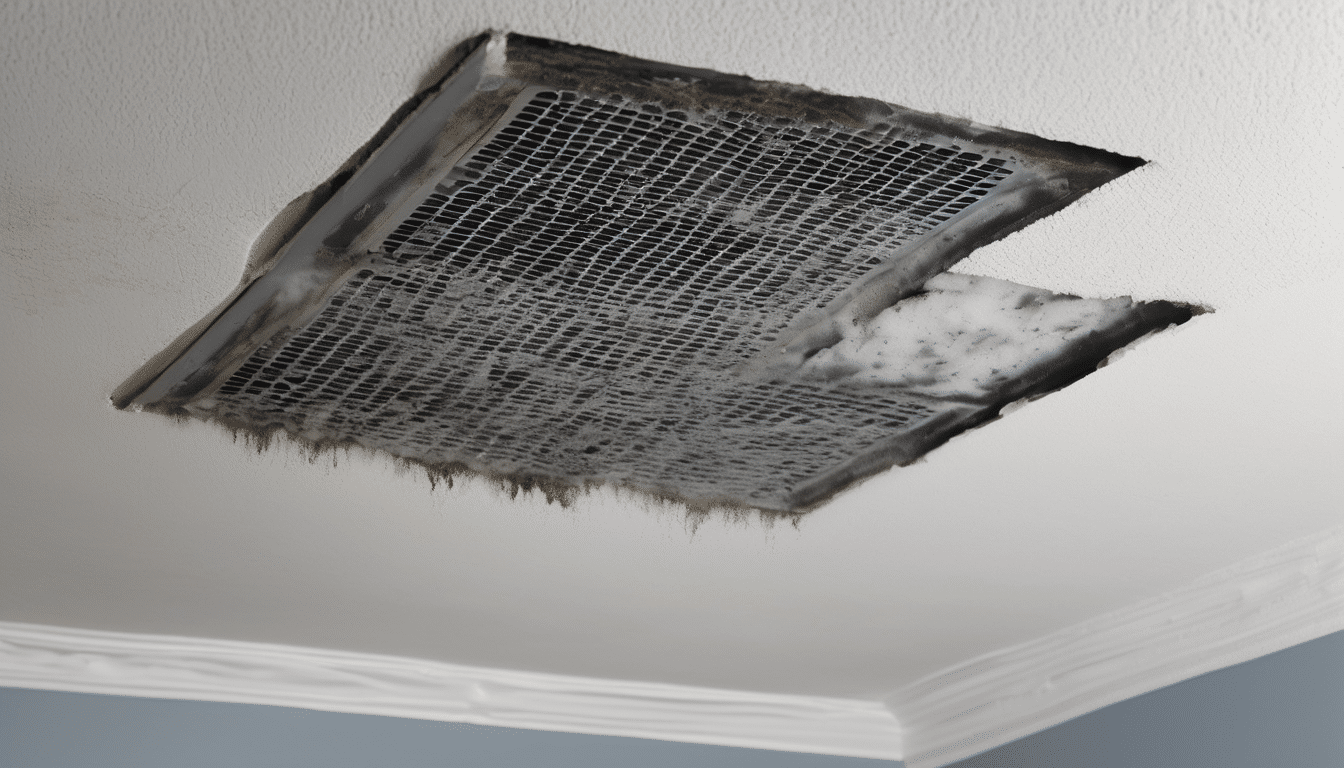
- Cleaning Filters: For reusable filters, clean them regularly using a vacuum with a brush attachment or by washing them in hot water and drying thoroughly.
- Monitor Air Quality: Use air quality monitors to track changes and adjust your filter replacement schedule as needed.
Proper Hygiene Practices for IAQ
Promoting good hygiene practices can significantly improve indoor air quality. Here are some tips:
- Regular Cleaning Schedule: Establish a regular cleaning routine to keep your home free of dust, dirt, and other allergens.
- Cooking Ventilation: Ensure your kitchen has proper ventilation when cooking to reduce the spread of cooking fumes and smoke indoors.
- Personal Hygiene: Encourage family members to wash hands regularly and change clothes before entering bedrooms or other living areas.
Controlling Pests and Insects
Pests can introduce allergens into your home. Here’s how to manage them:
- Seal Entry Points: Seal cracks, gaps, and openings in walls, floors, and windows to prevent pests from entering.
- Proper Storage: Store food securely in sealed containers to avoid attracting insects. Clean up spills immediately.
- Natural Repellents: Use natural pest repellents like essential oils (e.g., peppermint, lavender) to keep pests away without harsh chemicals.
Professional Services for IAQ Improvement
If you need professional assistance, consider hiring a specialist in HVAC cleaning and disinfection. Here’s what to look for:
- Certified Professionals: Hire contractors certified by organizations like ASHRAE (American Society of Heating, Refrigerating, and Air-Conditioning Engineers).
- Customized Solutions: A professional can provide tailored solutions based on your specific IAQ needs.
- Regular Maintenance: Arrange for regular maintenance to keep your HVAC system in top condition and prevent allergen accumulation.
Expert Tips and Takeaways
To summarize, controlling indoor allergens and improving IAQ involves a combination of preventive measures, regular cleaning, and professional help when necessary. By following these tips, you can create a healthier living environment for yourself and your family. The importance of I Control Indoor Allergens And Improve Indoor Air Quality is evident here.
FAQs on Controlling Allergens and Air Quality
Here are some frequently asked questions about controlling indoor allergens:
-
- Q: What is the most effective way to reduce dust mites in my home?
- A: Use dehumidifiers or air conditioners to maintain a relative humidity of around 30-50%. Encase mattresses, pillows, and cushions with allergen-proof covers. Wash bedding weekly in hot water (at least 60°C).
- Q: How can I manage mold growth in my home?
- A: Fix any leaks promptly and ensure proper ventilation. Use exhaust fans during showering and cooking to reduce humidity. Dry surfaces thoroughly after cleaning.
Understanding I Control Indoor Allergens And Improve Indoor Air Quality helps with this aspect.
- Q: Are air purifiers effective for controlling indoor allergens?
- A: Yes, high-quality air purifiers with HEPA filters can effectively trap allergens, particles, and even viruses. Replace or clean the filters regularly to maintain their effectiveness.
Conclusion
Controlling indoor allergens and improving IAQ is a multi-faceted process that requires attention to detail and regular maintenance. By implementing the strategies outlined in this guide, you can create a healthier living environment for yourself and your family. Understanding I Control Indoor Allergens And Improve Indoor Air Quality is key to success in this area.