Mini Split Disinfection for Allergy Relief Dubai Proven
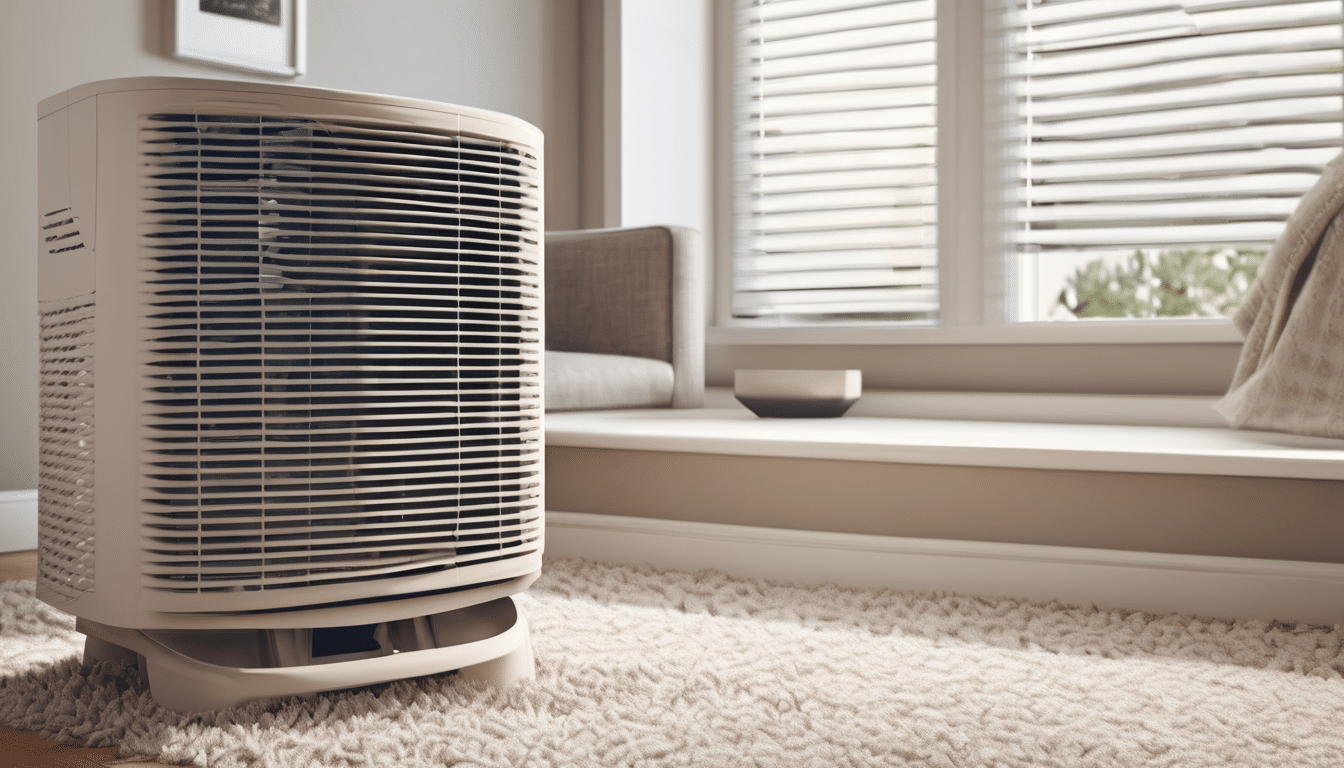
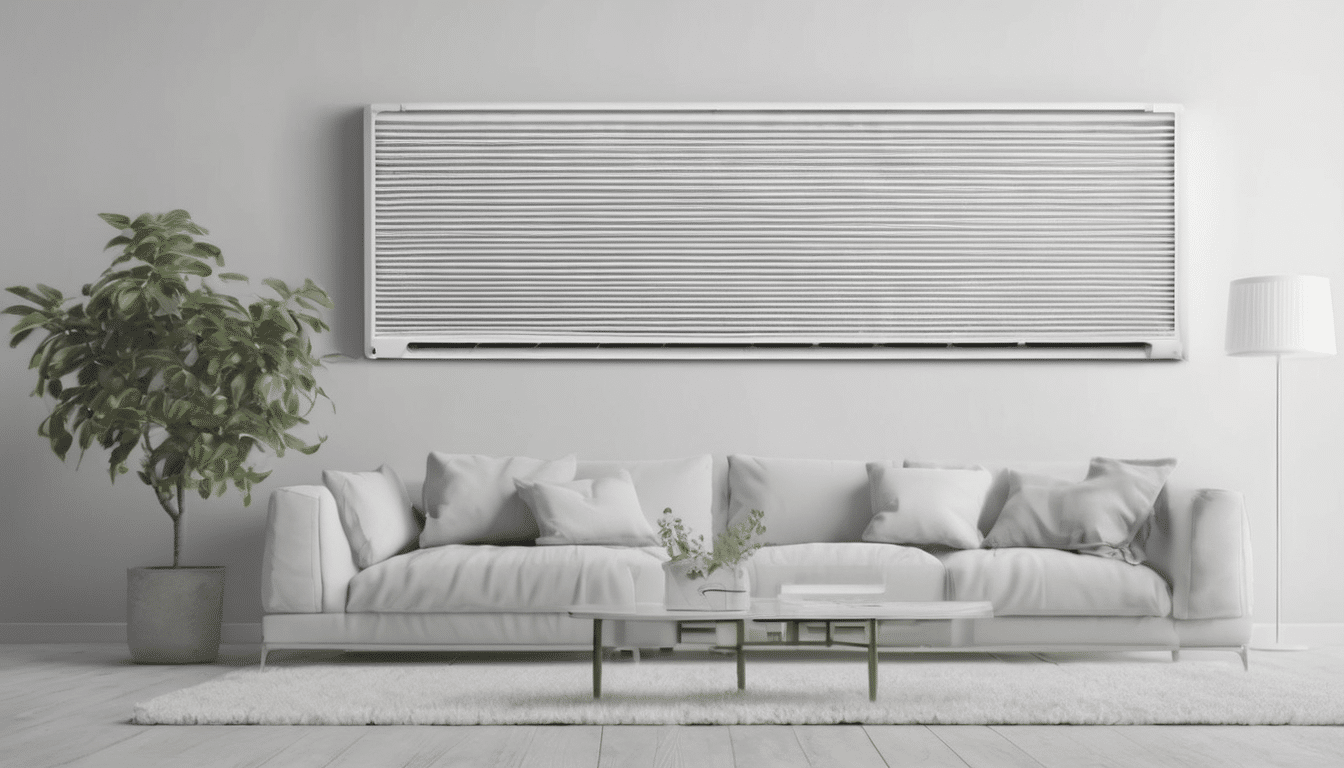
Mini split disinfection for allergy relief Dubai is one of the most effective yet underutilised interventions available to households dealing with persistent respiratory symptoms. In a city where air conditioning runs continuously for up to ten months of the year, the indoor air environment is almost entirely shaped by the condition of the AC system itself. When that system accumulates dust, mould, and microbial growth, it does not simply reduce cooling efficiency — it actively recirculates contaminants into the breathing space of every occupant.
Many families in Dubai report waking up with a blocked nose, experiencing morning coughing, or noticing that allergy symptoms worsen at home despite taking medication. In most cases the air conditioning system is the contributing factor, and the mini split unit — with its evaporator coil, drain tray, and internal fan — is typically the primary source. Mini Split Disinfection for allergy relief Dubai is not a cosmetic cleaning procedure. It is a targeted hygiene intervention that addresses the biology of contamination inside a system that is breathing on behalf of your family, every single day.
This article answers the key questions Dubai residents ask about mini split disinfection, explains what happens inside a contaminated unit, and sets out what a properly conducted disinfection service should include to deliver genuine allergy relief.
Mini Split Disinfection For Allergy Relief Dubai – Why Mini Splits Trigger Allergy Symptoms in Dubai Homes
Contents
- 1 Mini Split Disinfection For Allergy Relief Dubai – Why Mini Splits Trigger Allergy Symptoms in Dubai Homes
- 2 Mini Split Disinfection For Allergy Relief Dubai – What Builds Up Inside a Mini Split System
- 3 What Mini Split Disinfection for Allergy Relief Dubai Actually Involves
- 4 AC Drain Pan Cleaning and Its Role in Allergy Relief
- 5 How Often Should You Schedule Mini Split Disinfection in Dubai
- 6 Professional Service vs DIY Cleaning for Allergy Relief
- 7 Signs Your Mini Split Needs Disinfection Now
- 8 Expert Tips for Sustained Mini Split Disinfection and Allergy Relief Dubai
- 9 Conclusion
Mini split units pull indoor air across a cold evaporator coil to cool it, then return that air into the room. This process repeats continuously, and anything suspended in the air — dust, pet dander, pollen, skin cells, fungal spores — gradually deposits onto the coil fins, internal housing, and blower wheel. In Dubai’s climate, this accumulation happens faster than in most other environments due to fine desert dust infiltration from outside and high humidity during summer months.
The combination of moisture and organic material inside the unit creates conditions that support microbial colonisation. Mould spores, bacterial biofilm, and allergen-laden dust particles are then distributed through the room every time the unit operates. For residents with asthma, rhinitis, or dust mite sensitivity, this is a direct and daily exposure that no medication fully compensates for. Mini split disinfection for allergy relief Dubai targets these biological contaminants at their source.
Sealed Indoor Environments Amplify the Problem
Dubai homes and apartments are typically sealed against the heat outside, meaning indoor air is recirculated rather than exchanged regularly with fresh outdoor air. This closed-loop environment means allergens introduced by the AC system remain concentrated indoors. Without proper mini split disinfection, the air quality inside a sealed apartment can be significantly more polluted than the outdoor air, even during periods of high desert dust. This relates directly to Mini Split Disinfection For Allergy Relief Dubai.
Mini Split Disinfection For Allergy Relief Dubai – What Builds Up Inside a Mini Split System
Understanding the contamination profile of a mini split unit explains why standard filter rinsing is insufficient for allergy management. The filter traps only the largest particles. Everything smaller — including the most allergenic material — passes through and deposits on the coil, blower wheel, and drain components.
Evaporator Coil Contamination
The evaporator coil operates at low temperatures and accumulates condensation throughout its operational cycle. This moisture, combined with dust and organic debris, creates a surface that readily supports mould and bacterial growth. Coil contamination is one of the most significant contributors to poor indoor air quality in mini split systems, and it is invisible unless the unit is opened by a trained technician. Addressing coil contamination is central to effective mini split disinfection for allergy relief in Dubai homes.
Blower Wheel Debris
The blower wheel moves air across the coil and into the room. Over time, a thick layer of dust accumulates on the wheel fins, which not only reduces airflow but also continuously sheds particles into the air stream. A contaminated blower wheel is a persistent allergen source that filter cleaning will never resolve.
Mould Growth Patterns
In Dubai’s summer months, when humidity indoors can rise significantly even with AC running, the internal surfaces of a mini split unit rarely dry out completely. This sustained moisture creates ideal conditions for mould colonisation on the coil, drain tray, and internal housing walls. Mini split mould removal is a specialist task that requires appropriate antifungal treatment, not simply wiping visible growth. Without proper treatment, mould returns within weeks.
What Mini Split Disinfection for Allergy Relief Dubai Actually Involves
A professional mini split disinfection for allergy relief Dubai service is a structured process that goes well beyond a basic rinse of the filter. Each component that contacts the air stream must be cleaned and treated individually to achieve a meaningful reduction in allergen load.
Filter Removal and Deep Cleaning
Filters are removed, inspected, and washed with an appropriate solution to remove accumulated dust and biofilm. Damaged or excessively loaded filters should be replaced, as a compromised filter allows particulates to reach the coil more rapidly.
Evaporator Coil Cleaning and Sanitisation
The coil fins are cleaned using a low-pressure application of a coil-safe cleaner that loosens dust and biological debris. Following this, an antifungal and antibacterial disinfectant approved for use in occupied environments is applied. This step is the core of mini split disinfection for allergy relief Dubai, as coil contamination is the primary driver of allergen distribution.
Blower Wheel and Internal Housing Treatment
The blower wheel is cleaned in place or removed depending on the unit type, and the internal housing surfaces are wiped and disinfected. All areas that contact the circulating air stream are treated systematically to prevent recontamination from adjacent surfaces.
Drain Tray and Drain Line Clearance
The condensate drain tray is a standing water environment that accumulates biofilm, mould, and bacterial colonies. It is cleaned, disinfected, and the drain line is flushed to ensure free drainage. Blocked or contaminated drain systems contribute significantly to humidity build-up inside the unit and in the ceiling space above it.
AC Drain Pan Cleaning and Its Role in Allergy Relief
AC drain pan cleaning and biofilm removal is a component of mini split disinfection that many low-cost services skip entirely. Biofilm is a complex microbial community that forms on drain tray surfaces when condensate water sits in contact with organic material. It is slimy, persistent, and releases biological particles into the air stream above it. In Dubai’s warm environment, biofilm develops rapidly in units that have not been serviced within the previous four to six months. When considering Mini Split Disinfection For Allergy Relief Dubai, this becomes clear.
Removing biofilm from the drain pan requires more than rinsing with water. It requires mechanical scrubbing combined with an appropriate antimicrobial treatment that penetrates and disrupts the biofilm matrix. When this step is properly completed, it removes a significant source of bacterial and fungal contamination that directly contributes to allergy symptoms, particularly respiratory irritation and persistent coughing.
How Often Should You Schedule Mini Split Disinfection in Dubai
In Dubai’s climate, mini split disinfection for allergy relief Dubai should be conducted more frequently than the standard annual service recommended in cooler climates. The continuous operational cycle, high ambient dust levels, and humidity fluctuations across the year accelerate contamination in ways that a once-yearly service cannot adequately address.
For households with allergy or asthma sufferers, a professional disinfection service every four to six months is appropriate. For homes without identified sensitivities, a minimum of twice yearly — typically before and after the peak summer period — maintains acceptable hygiene standards. Filter cleaning between services, conducted by the homeowner every three to four weeks, extends the benefit of professional treatment and reduces the rate at which the coil accumulates debris.
Post-renovation properties require immediate mini split disinfection before occupancy, as construction dust contains fine silica particles, adhesive residues, and biological material that deposit heavily inside AC systems during building work. This is a specific contamination scenario that requires a full system clean, not a routine service.
Professional Service vs DIY Cleaning for Allergy Relief
Homeowner maintenance — primarily filter cleaning — is a valuable part of managing indoor air quality between professional visits. However, it does not constitute mini split disinfection for allergy relief Dubai in any meaningful sense. The components that carry the highest allergen load, namely the evaporator coil, blower wheel, and drain tray, are inaccessible without opening the unit and require appropriate chemical treatments that are not available to the general consumer.
DIY foam cleaners sold for mini split use can remove some surface dust from the coil but do not penetrate coil fin deposits, do not disinfect, and do not address the blower wheel or drain system. For households managing allergies, relying on these products may provide the impression of maintenance without delivering genuine air quality improvement. A professional service should include before-and-after documentation so the client has evidence of what was removed and what was treated.
Signs Your Mini Split Needs Disinfection Now
Recognising the indicators of a contaminated mini split unit allows residents to act before symptoms worsen. The following signs are commonly observed in Dubai homes and should prompt a professional inspection.
- Musty or sour odour when the unit starts: This is typically caused by mould or bacterial growth on the coil or in the drain tray and is a clear indicator that disinfection is needed.
- Increased sneezing or nasal congestion at home: If symptoms are worse indoors and improve when leaving the property, the AC system is likely contributing.
- Visible dark spots on the front panel or inside the grille: These indicate surface mould growth, which typically reflects more extensive contamination deeper within the unit.
- Reduced cooling despite set temperature being unchanged: Coil fouling with dust and biofilm reduces heat transfer efficiency, causing the system to work harder for less output.
- Water leaking from the indoor unit: This suggests a blocked drain line, which means standing water in the drain tray and active biofilm and mould development.
Any one of these signs warrants professional assessment. Mini split disinfection for allergy relief Dubai, when conducted at the right time, interrupts the contamination cycle before it becomes a more significant air quality problem.
Expert Tips for Sustained Mini Split Disinfection and Allergy Relief Dubai
Achieving lasting allergy relief from a mini split service requires more than a single cleaning. The following practices support sustained improvement in indoor air quality between professional visits.
- Clean filters every three to four weeks: In Dubai’s dust environment, filters load rapidly. A clean filter protects the coil from debris that professional services must work harder to remove.
- Keep the area around the indoor unit clear: Soft furnishings, curtains, and stored items near the unit contribute to the dust load entering the system.
- Maintain consistent indoor humidity between 40% and 60%: This range discourages mould growth without allowing excessive dryness that irritates respiratory passages.
- Book disinfection services before peak allergy periods: In Dubai, increased dust from construction and seasonal wind events in spring and autumn typically coincides with elevated allergy symptoms. Scheduling mini split disinfection for allergy relief Dubai ahead of these periods reduces exposure during the highest-risk windows.
- Use antimicrobial drain tablets in the drain tray: Some professional services provide these as part of a maintenance plan. They slow biofilm re-establishment and extend the hygienic benefit of a professional clean.
- Request documentation of what was treated: A professional service should identify the specific contamination found — coil mould, biofilm, dust loading — so you understand the condition of your system and can track improvement over time.
Professional mini split disinfection for allergy relief Dubai costs typically range between AED 150 and AED 350 per unit depending on system size, contamination level, and the scope of the service. This is a modest investment relative to the daily health impact of a contaminated system operating in a sealed indoor environment.
Conclusion
Mini split disinfection for allergy relief Dubai is not a luxury service reserved for specific health conditions. In Dubai’s environment — where AC systems operate continuously, fine dust infiltrates sealed buildings, and humidity drives microbial growth inside every unit — it is a routine health requirement for any household that values the air its occupants breathe. The connection between a contaminated mini split and persistent allergy symptoms is well established, and the solution is straightforward when the work is conducted properly.
A thorough professional service addresses the evaporator coil, blower wheel, drain tray, and internal surfaces with appropriate cleaning and disinfection treatments. It removes the biological and particulate contamination that filter cleaning alone never reaches. For families managing asthma, rhinitis, or dust sensitivity, mini split disinfection for allergy relief Dubai is among the most impactful changes they can make to the home environment. Schedule a professional inspection, ask for documentation of what is found, and treat your AC system as the health infrastructure it genuinely is.