7 Key Indoor Air Quality Best Practices for Healthier Homes
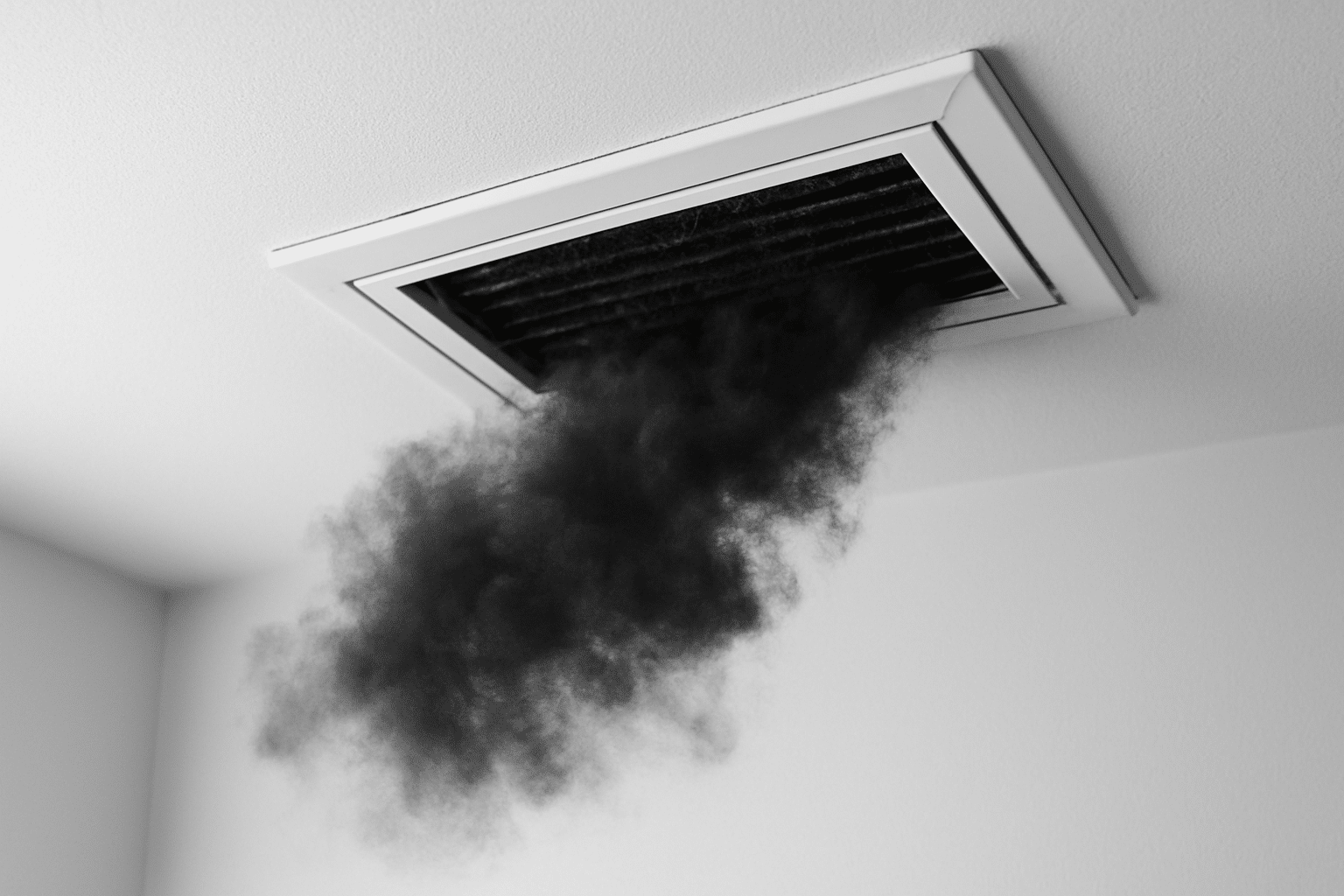
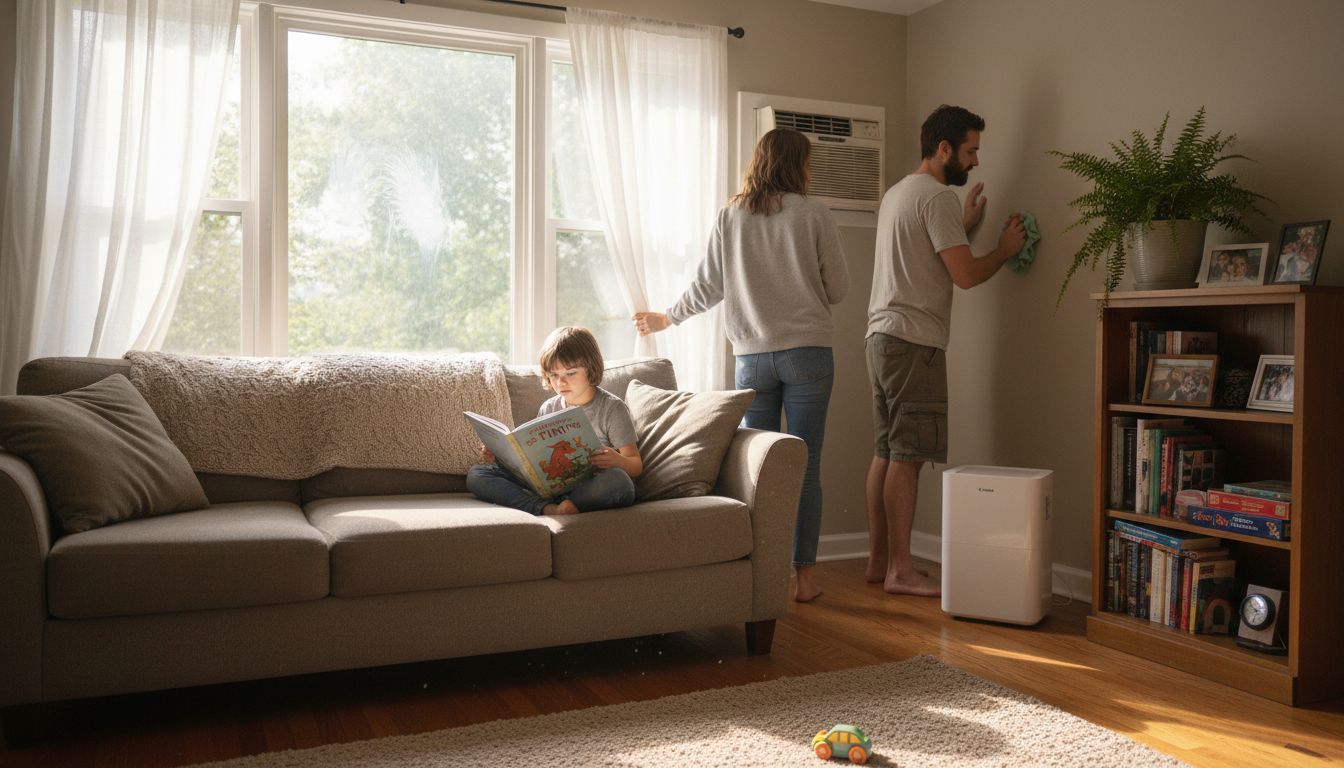
Most American households spend close to 90 percent of their time indoors, yet many overlook the impact of indoor air quality on daily life. Between air conditioning cycles, seasonal changes, and cleaning routines, even a spotless home can harbor hidden pollutants. Taking small steps to improve the air you breathe can reduce health risks, prevent allergies, and help your family thrive. Discover why simple changes make a powerful difference in every American home.
Table of Contents
Contents
- 1 Table of Contents
- 2 Quick Summary
- 3 1. Ensure Regular Professional AC Cleaning and Disinfection
- 4 2. Use High-Efficiency Air Filters and Change Them Often
- 5 3. Control Indoor Humidity to Prevent Mold Growth
- 6 4. Ventilate Rooms and Common Areas Effectively
- 7 5. Choose Chemical-Free and Non-Toxic Cleaning Products
- 8 6. Monitor Indoor Air Quality with Reliable Sensors
- 9 7. Schedule Routine HVAC Maintenance for Long-Term Safety
- 10 Elevate Your Home’s Air Quality with Expert AC Cleaning and Maintenance
- 11 Frequently Asked Questions
- 11.0.1 How often should I schedule professional AC cleaning and disinfection?
- 11.0.2 What type of air filters should I use for better indoor air quality?
- 11.0.3 How can I control indoor humidity to reduce mold growth?
- 11.0.4 What are effective ways to improve ventilation in my home?
- 11.0.5 How can I monitor indoor air quality effectively?
- 11.0.6 Why is routine HVAC maintenance important for indoor air quality?
- 12 Recommended
- 1. Ensure Regular Professional AC Cleaning and Disinfection
- 2. Use High-Efficiency Air Filters and Change Them Often
- 3. Control Indoor Humidity to Prevent Mold Growth
- 4. Ventilate Rooms and Common Areas Effectively
- 5. Choose Chemical-Free and Non-Toxic Cleaning Products
- 6. Monitor Indoor Air Quality with Reliable Sensors
- 7. Schedule Routine HVAC Maintenance for Long-Term Safety
Quick Summary
| Key Insight | Explanation |
|---|---|
| 1. Ensure Regular Professional AC Cleaning | Schedule professional AC cleaning twice a year to maintain air quality and prevent microbial growth. |
| 2. Use High-Efficiency Air Filters | Opt for filters with a MERV rating of 13 or higher and replace them every 60 to 90 days. |
| 3. Control Indoor Humidity Levels | Maintain humidity between 30% and 50% to prevent mold growth and respiratory health issues. |
| 4. Ventilate Rooms Efficiently | Open windows during cool hours and use exhaust fans to improve air circulation and reduce pollutants. |
| 5. Choose Non-Toxic Cleaning Products | Select chemical-free cleaners to improve air quality and reduce health risks from volatile organic compounds. |
1. Ensure Regular Professional AC Cleaning and Disinfection
Maintaining a healthy indoor environment starts with clean air conditioning systems. Professional AC cleaning and disinfection are not just optional services but critical steps in preserving your home’s air quality and protecting your family’s health.
Indoor air can harbor numerous microscopic contaminants that accumulate inside air conditioning systems. Maintaining cleanliness and hygiene in HVAC systems is essential for indoor air quality, preventing the buildup of dust, mold, bacteria, and other harmful microorganisms that can circulate through your living spaces.
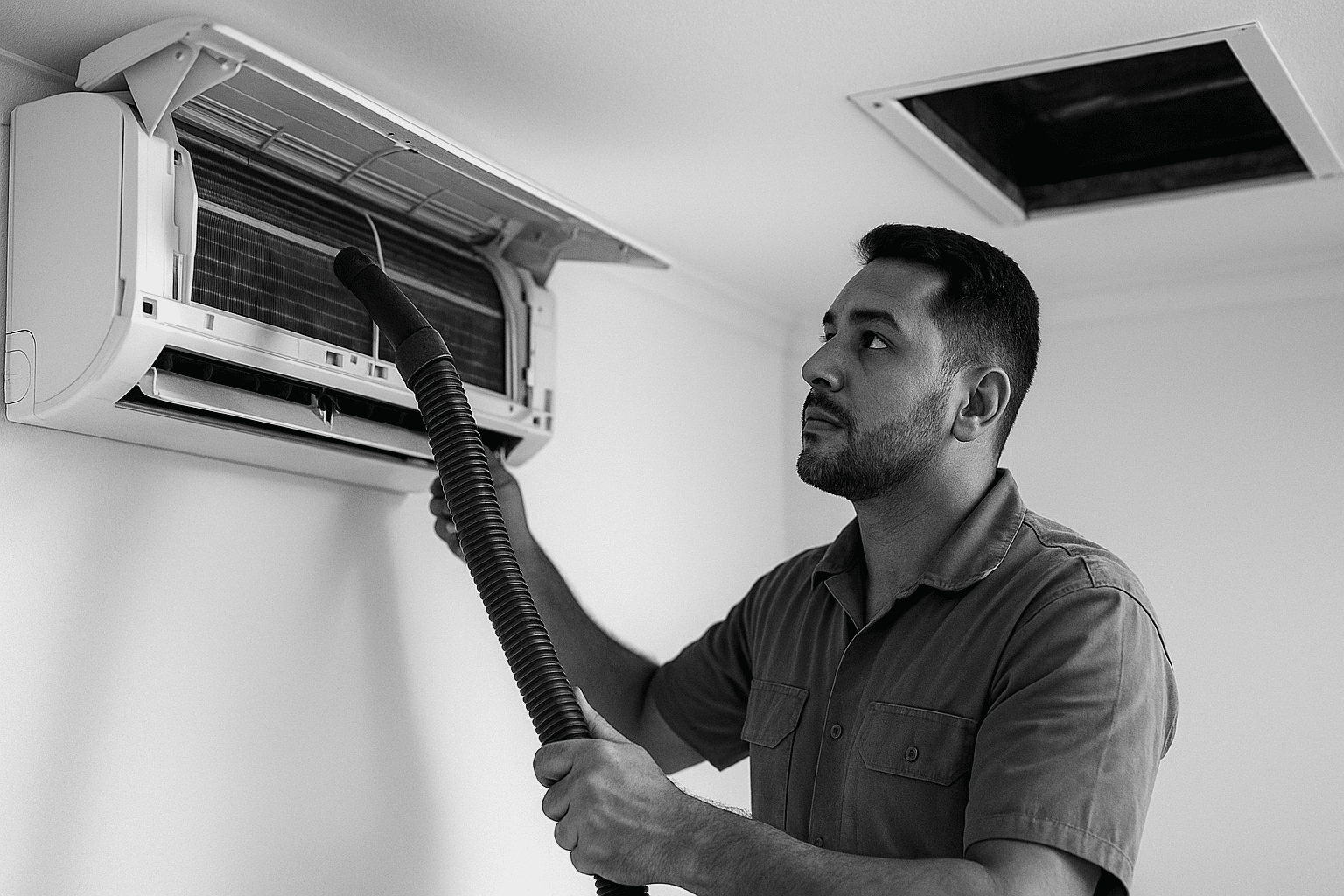
Professional AC cleaning goes beyond simple surface cleaning. Trained technicians systematically dismantle AC components like coils, blowers, and drainage systems to remove biofilms, dust accumulations, and potential microbial growth. This thorough process ensures that every component is meticulously cleaned and disinfected, dramatically improving the air you breathe.
Regular professional cleaning offers multiple benefits. It enhances system efficiency, reduces energy consumption, extends equipment lifespan, and most importantly, creates a healthier indoor environment. By preventing contaminant buildup, you significantly reduce risks associated with respiratory issues, allergies, and potential microbial exposures.
Homeowners should schedule professional AC cleaning at least twice annually preferably before summer and winter seasons. Dubai’s extreme temperatures and high humidity create perfect conditions for microbial growth, making consistent maintenance even more crucial.
Pro tip: Create a maintenance calendar and set reminders for your AC cleaning appointments to ensure you never miss a critical cleaning cycle.
2. Use High-Efficiency Air Filters and Change Them Often
Air filters play a critical role in maintaining healthy indoor environments by trapping harmful particles and preventing their circulation. Choosing the right air filter and maintaining a consistent replacement schedule can dramatically improve your home’s air quality.
High-efficiency air filters with a Minimum Efficiency Reporting Value (MERV) of 13 or higher can significantly improve indoor air quality by capturing microscopic pollutants like dust, pollen, pet dander, and microorganisms that traditional filters miss.
Research highlights the potential impact of advanced filtration. A scientific study involving asthmatic children found that high-efficiency filters reduced indoor fine particulate matter concentrations by 48%. While the study noted no direct improvement in asthma symptoms, it underscored the importance of comprehensive air quality management.
When selecting air filters, consider factors like your home’s specific needs, local air quality, and the presence of respiratory sensitive individuals. MERV ratings between 13 and 16 offer an excellent balance between filtration efficiency and airflow resistance.
Replace your air filters every 60 to 90 days, or more frequently if you have pets, allergies, or live in areas with high pollution. Regular replacement prevents filter clogging, maintains optimal HVAC system performance, and ensures consistent air quality.
Pro tip: Mark your calendar with filter replacement dates and consider setting digital reminders to maintain a consistent maintenance schedule.
3. Control Indoor Humidity to Prevent Mold Growth
Moisture control is fundamental to maintaining a healthy indoor environment. Understanding and managing indoor humidity levels can dramatically reduce the risk of mold growth and associated health hazards.
Maintaining appropriate indoor humidity levels is crucial for preventing mold growth and ensuring good indoor air quality. In Dubai’s hot and humid climate, this challenge becomes even more critical for homeowners and property managers.
Ideal indoor humidity should range between 30% and 50%. Levels above 60% create perfect conditions for mold spores to germinate and spread rapidly. High humidity not only promotes mold growth but can also attract dust mites, bacteria, and other harmful microorganisms.
To effectively control indoor humidity, invest in a quality dehumidifier and place humidity monitors in key areas of your home. Bathrooms, kitchens, and areas near air conditioning units are particularly susceptible to moisture buildup. Ensure proper ventilation in these spaces and regularly inspect for signs of condensation or water damage.
Additional strategies include using exhaust fans during and after moisture generating activities like cooking or showering, fixing any water leaks immediately, and maintaining your air conditioning system to prevent excess moisture accumulation. Regular AC maintenance helps remove trapped moisture and prevents the development of microbial growth inside your cooling system.
Pro tip: Use digital hygrometers to track humidity levels in different rooms and adjust your dehumidification strategy accordingly.
4. Ventilate Rooms and Common Areas Effectively
Proper ventilation is a critical yet often overlooked strategy for maintaining healthy indoor environments. Efficient air circulation helps remove pollutants, reduce moisture, and create a fresher living space.
Effective ventilation is essential for diluting indoor pollutants and reducing airborne pathogens, playing a crucial role in protecting your family’s respiratory health. By strategically managing airflow, you can significantly improve your home’s overall air quality.
In Dubai’s climate, where homes are frequently sealed to maintain cool temperatures, intentional ventilation becomes even more important. Open windows during cooler morning or evening hours to allow natural air exchange. Use cross ventilation techniques by opening windows on opposite sides of rooms to create airflow that pushes stale air out and brings fresh air in.
Mechanical ventilation systems like exhaust fans in kitchens and bathrooms help remove moisture and cooking odors. For living areas, ceiling fans and portable fans can enhance air circulation without compromising your air conditioning efficiency. Consider installing energy recovery ventilators that exchange indoor and outdoor air while minimizing temperature transfer.
Pay special attention to areas with limited natural airflow such as closets, storage rooms, and basement spaces. These areas can accumulate moisture and become breeding grounds for mold and mildew. Periodically open these spaces and use dehumidifiers or small fans to promote air movement.
Pro tip: Create a ventilation schedule that aligns with your daily routine, ensuring consistent air exchange without sacrificing comfort or energy efficiency.
5. Choose Chemical-Free and Non-Toxic Cleaning Products
The cleaning products you choose can have a profound impact on your indoor air quality and overall health. Traditional cleaning agents often contain harsh chemicals that release volatile organic compounds into your living environment.
Selecting chemical-free and non-toxic cleaning products is crucial for maintaining indoor air quality, as these substances can significantly degrade respiratory health and introduce unnecessary pollutants into your home.
Volatile organic compounds (VOCs) found in conventional cleaning products can cause short term health issues like headaches and respiratory irritation, and potentially contribute to long term health complications. Natural alternatives made from plant-based ingredients offer effective cleaning power without compromising air quality.
When shopping for cleaning products, look for certifications like Green Seal or EPA Safer Choice, which indicate lower chemical toxicity. Prioritize products with transparent ingredient lists that avoid synthetic fragrances, chlorine, ammonia, and petroleum derivatives. Brands using essential oils, vinegar, and plant-derived surfactants provide powerful cleaning capabilities without harmful side effects.
Consider making your own cleaning solutions using simple ingredients like white vinegar, baking soda, and lemon juice. These natural alternatives can effectively clean surfaces while eliminating the risk of introducing toxic chemicals into your indoor environment. High-quality air filters can further complement these efforts by reducing indoor pollutants and maintaining cleaner air.
Pro tip: Gradually replace your current cleaning products with non-toxic alternatives, starting with the most frequently used items in high traffic areas of your home.
6. Monitor Indoor Air Quality with Reliable Sensors
Modern indoor environments require sophisticated monitoring techniques to ensure optimal air quality. Advanced sensor technologies provide real-time insights into the invisible world of airborne particles and potential contaminants.
Innovative monitoring systems like the AeroSafe system introduce advanced technologies such as robotic cough emulators and digital twins-based aerosol residence time analysis, revolutionizing our understanding of indoor air dynamics. These sophisticated tools go beyond simple measurements, offering comprehensive assessments of air quality and potential health risks.
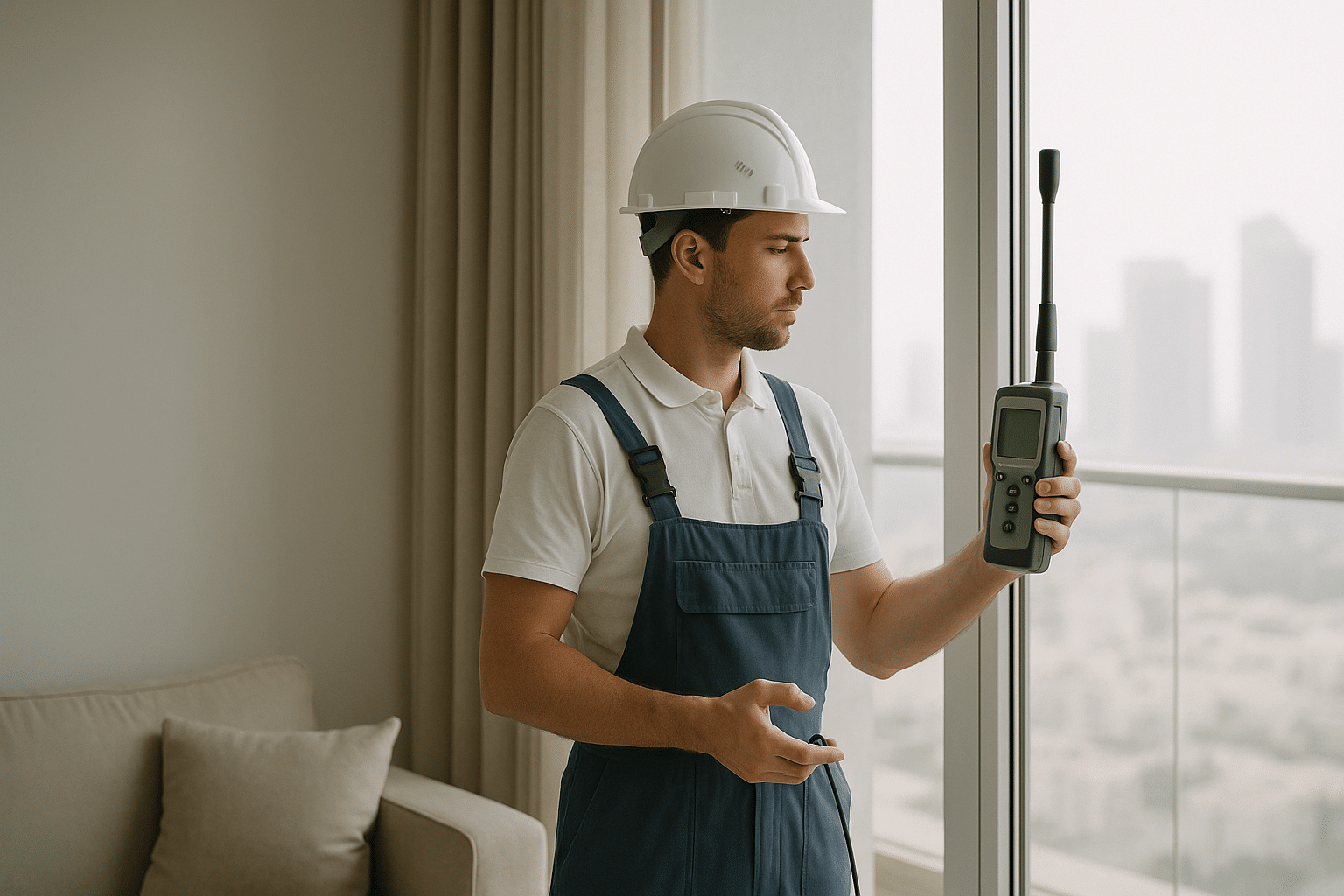
When selecting indoor air quality sensors, prioritize devices that can track multiple parameters including particulate matter, volatile organic compounds (VOCs), humidity, temperature, and carbon dioxide levels. Smart sensors with wifi connectivity allow continuous monitoring and can send instant alerts to your smartphone when air quality drops below recommended thresholds.
Place sensors strategically throughout your home in areas with high human traffic or potential pollutant sources like kitchens, living rooms, and near air conditioning units. Emerging technologies like graphene-enhanced ceramic network filters offer multifunctional monitoring capabilities, capturing microorganisms while providing real-time air quality data.
Consider investing in professional air quality testing services that provide comprehensive assessments using calibrated, laboratory-grade equipment. These professional evaluations can identify subtle air quality issues that consumer-grade sensors might miss, offering a more thorough understanding of your indoor environment.
Pro tip: Calibrate your air quality sensors annually and compare readings from multiple devices to ensure accuracy and comprehensive monitoring.
7. Schedule Routine HVAC Maintenance for Long-Term Safety
Your HVAC system is the respiratory system of your home, silently working to maintain comfort and air quality. Regular professional maintenance is not just a recommendation but a critical investment in your family’s health and home’s efficiency.
Regular HVAC maintenance ensures compliance with ventilation standards and prevents potential indoor air quality issues, addressing potential problems before they become serious health risks. Professional technicians can identify and resolve minor issues that could compromise your system’s performance and air quality.
A comprehensive HVAC maintenance schedule should include quarterly or biannual professional inspections, depending on your system’s age and local environmental conditions. During these inspections, technicians will thoroughly clean system components, check refrigerant levels, inspect electrical connections, evaluate airflow, and ensure all parts are functioning optimally.
Investing in high-quality air filters and consistent maintenance can lead to significant long-term cost savings. While premium filters might have a higher upfront cost, they provide extended service life, better performance, and reduce the frequency of replacements. This approach not only improves air quality but also reduces overall maintenance expenses.
Specific maintenance tasks include cleaning or replacing air filters, checking and cleaning drain pans, inspecting ductwork for potential leaks or contamination, lubricating moving parts, and calibrating thermostats. These steps prevent moisture buildup, reduce energy consumption, and maintain optimal system performance.
Pro tip: Create a digital maintenance calendar with automated reminders for filter changes and professional HVAC inspections to ensure you never miss a critical maintenance window.
Below is a comprehensive table summarizing the key indoor air quality strategies discussed throughout the article.
| Strategy | Implementation | Benefits/Outcomes |
|---|---|---|
| Professional AC Cleaning | Schedule cleaning twice annually, dismantle components for thorough disinfection. | Enhanced air quality, improved system efficiency, reduced health risks. |
| High-Efficiency Air Filters | Use filters with MERV 13+, replace every 60-90 days. | Improved pollutant removal, maintained HVAC performance, better respiratory health. |
| Humidity Control | Maintain 30-50% humidity, use dehumidifiers, install humidity monitors. | Reduced mold growth, controlled dust mites/bacteria, healthier living spaces. |
| Effective Ventilation | Use cross ventilation, install mechanical ventilators, move air with fans. | Fresher air, reduced pollutants, balanced indoor temperatures. |
| Non-Toxic Cleaning Products | Select products with natural ingredients, avoid VOCs, make DIY solutions. | Safer indoor environment, decreased chemical exposure, improved air quality. |
| Air Quality Monitoring | Utilize sensors for tracking air parameters, set up alerts. | Real-time insights, quick response to air quality changes, comprehensive assessments. |
| Routine HVAC Maintenance | Conduct quarterly/biannual inspections, clean/replace parts. | Prolonged system life, energy savings, sustained air quality. |
Elevate Your Home’s Air Quality with Expert AC Cleaning and Maintenance
The article highlights the importance of professional AC cleaning and maintaining optimal indoor air quality to protect your health and home from mold, bacteria, and allergens. If you struggle with concerns like microbial growth, high humidity, or inefficient ventilation, these challenges can negatively impact your family’s well-being and comfort. Saniservice offers a science-based solution designed specifically to address these critical issues through thorough dismantling, deep cleaning, and disinfecting of every air conditioning component.
Discover how our NADCA-certified technicians use hospital-grade, chemical-free biosanitisers to eradicate contaminants while promoting energy efficiency and extending your system’s lifespan. Take the first step towards a healthier indoor environment by exploring our expert AC Cleaning & Maintenance services or see real-world results in our Case Studies – Saniservice AC Cleaning. Don’t wait for indoor air issues to worsen. Visit Saniservice today and schedule your professional service to breathe cleaner, safer, and more comfortable air now.
Frequently Asked Questions
How often should I schedule professional AC cleaning and disinfection?
Regular professional AC cleaning and disinfection should be scheduled at least twice a year, ideally before summer and winter seasons. This ensures your air conditioning system is free of contaminants that can affect indoor air quality and your family’s health.
What type of air filters should I use for better indoor air quality?
Choose high-efficiency air filters with a Minimum Efficiency Reporting Value (MERV) of 13 or higher. Replace them every 60 to 90 days to maintain optimal airflow and filtration, especially if you have pets or allergies.
How can I control indoor humidity to reduce mold growth?
Maintain indoor humidity levels between 30% and 50% to prevent mold growth. Use a quality dehumidifier and ensure proper ventilation in moisture-prone areas like bathrooms and kitchens to manage humidity effectively.
What are effective ways to improve ventilation in my home?
To improve ventilation, open windows during cooler hours and use exhaust fans in kitchens and bathrooms. Consider using ceiling fans and mechanical ventilation systems to enhance air circulation without sacrificing air conditioning efficiency.
How can I monitor indoor air quality effectively?
Invest in reliable indoor air quality sensors that track particulate matter, humidity, and volatile organic compounds. Place them in high-traffic areas and routinely check readings to adjust your air quality management strategies.
Why is routine HVAC maintenance important for indoor air quality?
Regular HVAC maintenance is essential for preventing potential indoor air quality issues and ensuring system efficiency. Schedule professional inspections biannually to clean components and check for any issues that could impact your home’s air quality.
Recommended
- 10 Must-Know Indoor Air Quality Improvement Solutions for Healthier Homes in Dubai – Saniservice AC Cleaning
- 9 Critical Health Risks of Poor Indoor Air Quality Dubai Residents Must Know – Saniservice AC Cleaning
- 10 Key Insights on Indoor Air Quality Testing Dubai for Healthier Homes – Saniservice AC Cleaning
- 5 Smart Reasons to Choose Indoor Air Quality Testing Services Dubai for Healthy Living – Saniservice AC Cleaning