9 Critical Health Risks of Poor Indoor Air Quality Dubai Residents Must Know
Table of Contents
Contents
- 1 Table of Contents
- 2 Introduction to Indoor Air Quality Challenges in Dubai
- 3 Common Indoor Air Pollutants in Dubai Homes and Offices
- 4 Health Impacts: Respiratory and Allergic Conditions
- 5 Cardiovascular Concerns Linked to Indoor Air Exposure
- 6 Impact on Vulnerable Groups: Children and Elderly
- 7 Reduced Productivity and Mental Health Effects
- 8 Dubai’s Local Regulations and Indoor Air Quality Standards
- 9 Improving Air Quality: Services and Efficient Cooling Solutions
- 10 Conclusion and Call to Action
- 11 Understanding the Health Risks of Poor Indoor Air Quality Dubai
- 11.1 Common Indoor Air Pollutants in Dubai
- 11.2 Short- and Long-Term Health Impacts
- 11.3 Vulnerable Populations at Higher Risk
- 11.4 Climate and Urban Factors Influencing Indoor Air Quality
- 11.5 Regulatory Framework and Public Health Guidelines in Dubai
- 11.6 Mitigating the Health Risks of Poor Indoor Air Quality Dubai
- 11.7 Case Studies and Local Examples
- 11.8 The Role of Technological Innovation
- 11.9 Conclusion
Introduction to Indoor Air Quality Challenges in Dubai
The health risks of poor indoor air quality dubai residents face are increasingly under scrutiny due to the region’s unique climate and urban development. Dubai’s hot, arid weather heavily influences indoor living environments, necessitating extensive cooling solutions which, if not maintained properly, can exacerbate air quality problems. This article explores the critical health risks associated with poor indoor air quality in Dubai and highlights actionable ways to improve the air we breathe indoors.
Common Indoor Air Pollutants in Dubai Homes and Offices
Understanding the sources of indoor air pollution in Dubai is the first step toward mitigating the health risks of poor indoor air quality dubai. The city’s rapid urbanization, combined with intense heat and dust storms, contributes to unique pollutant profiles indoors.
Particulate Matter (PM2.5 and PM10)
Fine dust particles infiltrate buildings despite closed windows due to frequent dust storms in Dubai. Accumulated particulate matter causes respiratory irritation and long-term lung damage, contributing to the health risks of poor indoor air quality dubai.
Volatile Organic Compounds (VOCs)
Common VOCs in indoor air arise from paints, cleaning agents, furniture finishes, and new building materials, contributing significantly to the health risks of poor indoor air quality dubai. VOC exposure can trigger headaches, allergic reactions, and fatigue.
Biological Contaminants
Humidity control in Dubai’s air conditioning units is essential to prevent mold, bacteria, and dust mite growth, directly impacting the health risks of poor indoor air quality dubai. Biological pollutants increase allergic responses and infections.
Carbon Monoxide and Nitrogen Dioxide
Indoor combustion sources, such as cooking and poorly ventilated generators or water heaters, release these gases, which impair oxygen transport and cause dizziness or worse symptoms, highlighting additional health risks of poor indoor air quality dubai.
Health Impacts: Respiratory and Allergic Conditions
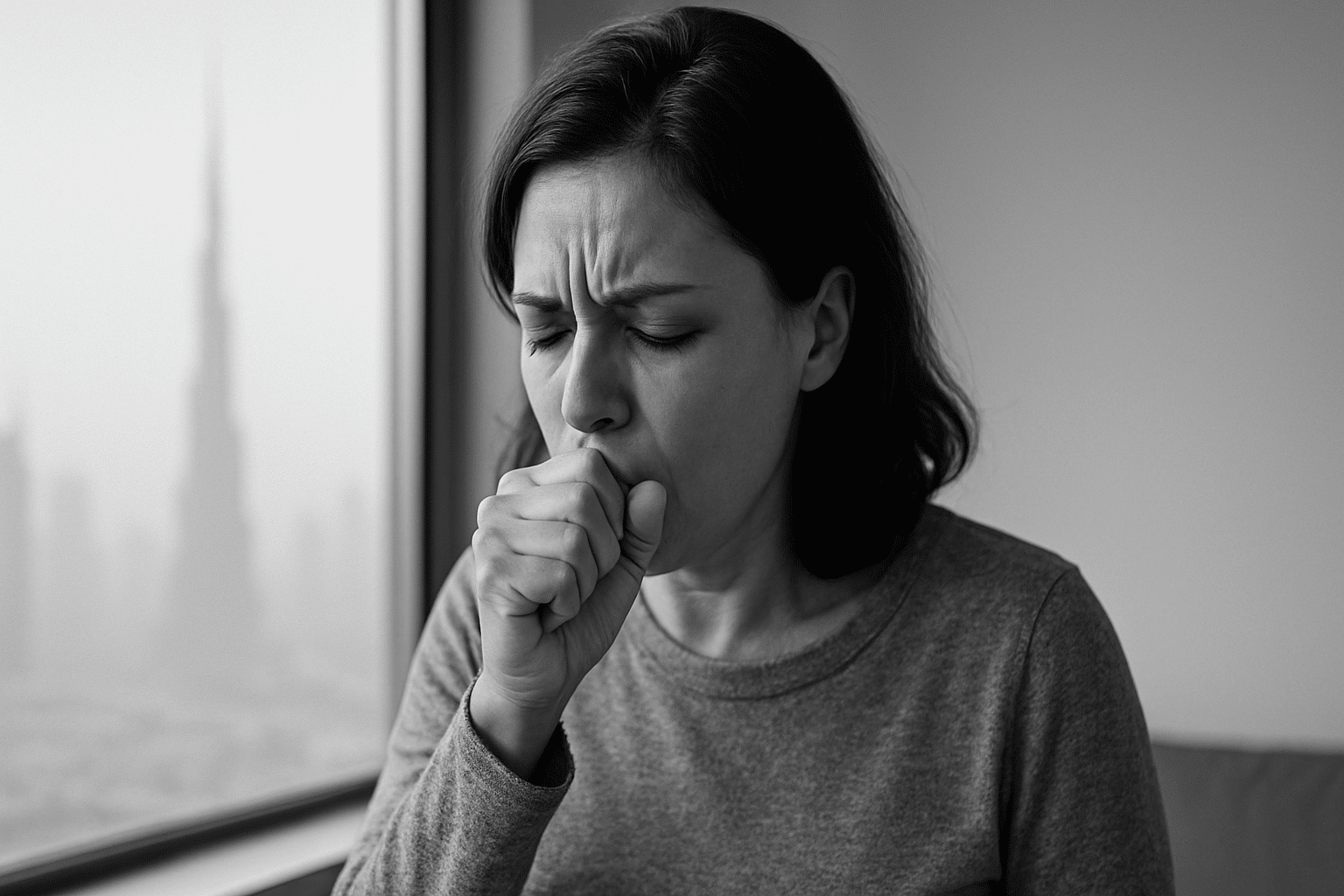
Exposure to poor indoor air quality triggers a range of respiratory ailments common among Dubai residents spending substantial time indoors due to the climate, escalating the health risks of poor indoor air quality dubai.
- Asthma and Bronchitis: Indoor pollutants irritate airways, exacerbating chronic respiratory diseases prevalent in Dubai’s young and adult populations.
- Allergic Rhinitis: Mold spores and dust mite allergens contribute to persistent nasal congestion, sneezing, and watery eyes.
- Chronic Obstructive Pulmonary Disease (COPD): Long-term exposure to PM2.5 particulates and irritants may worsen lung function decline.
The health risks of poor indoor air quality dubai residents face should not be overlooked, especially in workplaces and schools where vulnerable individuals gather.
Cardiovascular Concerns Linked to Indoor Air Exposure
Recent research highlights that poor indoor air quality poses significant cardiovascular health risks of poor indoor air quality dubai. Pollutants like fine particulate matter can enter the bloodstream through the lungs, causing inflammation and increasing chances of high blood pressure and heart disease.
Dubai’s local health authorities emphasize that maintaining clean indoor air is essential not only for breathing comfort but also safeguarding heart health and minimizing the health risks of poor indoor air quality dubai.
Impact on Vulnerable Groups: Children and Elderly
Children and elderly residents in Dubai are disproportionately affected by poor indoor air quality, amplifying the health risks of poor indoor air quality dubai. Children’s developing lungs and immune systems are more susceptible to toxins and allergens present indoors. Health risks include increased hospital visits for respiratory issues and delayed lung development.
Elderly individuals often have pre-existing conditions and weaker immune responses, which can worsen with continuous exposure to indoor pollutants. Maintaining healthy indoor environments in homes and care facilities in neighborhoods like Arabian Ranches and Dubai Marina is critical.
Reduced Productivity and Mental Health Effects
Poor indoor air quality also impacts cognitive function, energy levels, and overall wellbeing, which can reduce productivity in offices and schools. The associated health risks of poor indoor air quality dubai include symptoms such as headaches, fatigue, and difficulty concentrating, commonly reported in spaces with inadequate ventilation or improperly serviced cooling systems.
Companies and educational institutions in Business Bay and Downtown Dubai are increasingly investing in local services to address these deficits and enhance occupant health and efficiency.
Dubai’s Local Regulations and Indoor Air Quality Standards
The Dubai Municipality along with the Dubai Health Authority (DHA) have outlined guidelines focusing on indoor air quality to safeguard public health. Cooling and ventilation systems must comply with standards that limit pollutant levels and regulate humidity.
Regular inspection and certification of HVAC systems are mandatory to reduce the health risks of poor indoor air quality dubai residents face. The Emirates Authority for Standardization and Metrology (ESMA) also provides technical standards supporting these regulations.
Improving Air Quality: Services and Efficient Cooling Solutions
Improving indoor air quality in Dubai requires a combination of proactive maintenance and the right service partnerships to tackle the health risks of poor indoor air quality dubai. Trusted local companies specialize in servicing and upgrading HVAC and cooling systems tailored for Dubai’s climate.
One key approach is investing in efficient cooling solutions to mitigate the health risks of poor indoor air quality dubai that integrate advanced filtration and humidity control technologies, reducing pollutant accumulation.
For Dubai residents, choosing services like local cooling system maintenance options addressing the health risks of poor indoor air quality dubai ensures compliance with Dubai Municipality standards and enhances indoor air quality effectively.
| Service Aspect | Benefit to Indoor Air Quality |
|---|---|
| Regular Filter Replacement | Removes fine dust and airborne allergens |
| System Sanitization | Eliminates mold and bacterial growth |
| Humidity Control | Prevents mold and dust mite proliferation |
| Ventilation Optimization | Ensures fresh air circulation and pollutant dilution |
Conclusion and Call to Action
Addressing the health risks of poor indoor air quality dubai residents encounter is both urgent and achievable. By understanding pollutant sources, recognizing health symptoms, and leveraging expert local services, Dubai residents and businesses can significantly improve indoor environments.
Take proactive steps today—invest in reliable cooling system services that meet strict local standards and protect your health and wellbeing against the health risks of poor indoor air quality dubai. For trusted solutions and ongoing maintenance, partner with renowned Dubai-based providers committed to cleaner indoor air.
Understanding the Health Risks of Poor Indoor Air Quality Dubai
Indoor air quality (IAQ) significantly influences overall health, especially in highly urbanized environments such as Dubai, where people spend a substantial portion of their daily lives indoors. The health risks of poor indoor air quality Dubai are increasingly critical due to rapid urban growth, intense climate conditions, and the reliance on air conditioning systems. When indoor environments are contaminated by pollutants, allergens, or excess moisture, it can lead to a spectrum of adverse health effects that impact residents, workers, and visitors alike.
Common Indoor Air Pollutants in Dubai
Dubai’s unique climate and urban infrastructure contribute to specific indoor air challenges that influence IAQ. The extreme heat and humidity often necessitate closed windows and continuous use of air conditioning units. While these systems control temperature, they can also trap pollutants and moisture inside buildings. Common indoor pollutants that worsen air quality include:
- Particulate Matter (PM): Dust, construction debris, and desert sand particles often penetrate indoor spaces despite filtration, causing respiratory irritation.
- Volatile Organic Compounds (VOCs): These chemicals, emitted from cleaning agents, paints, furniture, and office equipment, are prevalent in commercial and residential buildings in Dubai’s developed zones such as Business Bay and Dubai Marina.
- Biological Contaminants: Mold, fungi, and dust mites thrive in poorly ventilated and humid indoor environments like Arabian Ranches, leading to allergy outbreaks.
- Carbon Monoxide and Radon: Although less common indoors in Dubai compared to other regions, combustion appliances and occasional gas leaks contribute to indoor CO levels, which pose silent health threats.
Short- and Long-Term Health Impacts
Exposure to poor indoor air quality can manifest in a wide range of health problems, from transient discomfort to chronic conditions. In Dubai’s indoor environments — including offices, homes, schools, and shopping malls — the effects span physical, cognitive, and respiratory health domains. Key health outcomes associated with poor IAQ include:
- Respiratory Issues: The most immediate impact is on the respiratory system. Pollutants can trigger or worsen asthma, bronchitis, and chronic obstructive pulmonary disease (COPD). Residents in Nad Al Sheba and other densely populated areas often report increased cases of breathing difficulties linked to indoor allergens and dust.
- Allergic Reactions: Mold spores and dust mites stimulate allergic responses, causing symptoms such as sneezing, nasal congestion, skin irritation, and watery eyes. These are especially problematic for vulnerable groups including children, the elderly, and individuals with pre-existing allergies.
- Cardiovascular Stress: Evidence increasingly shows that prolonged exposure to indoor pollutants like PM2.5 and VOCs can elevate blood pressure and promote heart conditions.
- Mental Health and Cognitive Effects: Poor IAQ has been linked to headaches, dizziness, fatigue, and difficulty concentrating. In workspace environments such as Downtown Dubai office towers, occupants experiencing suboptimal air quality report decreased productivity and increased stress levels.
These health risks collectively underscore the importance of addressing indoor air quality as part of public health strategies in Dubai. It is not just a matter of comfort but a critical factor in reducing the burden of chronic diseases and improving quality of life.
Vulnerable Populations at Higher Risk
Certain groups are more susceptible to adverse effects from poor indoor air quality in Dubai. Among these are:
- Children: Young children living in areas like Dubai Marina or Arabian Ranches are more vulnerable since their developing lungs absorb pollutants more readily and for longer durations.
- Elderly Residents: The aging population with pre-existing cardiovascular or respiratory illnesses experiences exacerbated symptoms when exposed to contaminated indoor air.
- Individuals with Chronic Health Conditions: Those with asthma, allergies, or immune deficiencies face increased risk of severe reactions and hospitalizations.
- Workers in High-Density and Enclosed Spaces: Employees in call centers, shopping malls, and schools within Dubai’s commercial hub are at risk due to prolonged time in poorly ventilated environments.
Climate and Urban Factors Influencing Indoor Air Quality
Dubai’s harsh climate fundamentally influences indoor air challenges. The need for sealed environments to block out external heat often results in inadequate ventilation, causing indoor pollutants to accumulate. Furthermore, the frequent dust storms originating from desert surroundings contribute to particulate buildup indoors, especially when window seals or air filtration systems are not properly maintained. Rapid urbanization, with intense construction activities in pockets such as Business Bay or near Dubai International Financial Centre (DIFC), adds localized sources of dust and chemical emissions.
To complicate matters, many residential and commercial buildings depend on centralized air conditioning systems that, if poorly maintained, become breeding grounds for bacteria and mold spores. Ineffective maintenance can also contribute to the circulation of airborne pathogens, raising the risk of infections among occupants.
Regulatory Framework and Public Health Guidelines in Dubai
Recognizing the health risks of poor indoor air quality Dubai, local authorities have implemented regulations aimed at promoting air quality standards and safeguarding public well-being. The Dubai Municipality enforces building codes and ventilation requirements aligned with the UAE Fire & Life Safety Code to ensure adequate airflow and pollutant control.
In collaboration with the Dubai Health Authority (DHA), Dubai Municipality emphasizes regular air quality monitoring and mandates the use of air purification technologies in public and commercial buildings. The DHA’s health advisories urge building managers to prioritize IAQ management, including routine HVAC maintenance, humidity control, and air filtration upgrades.
Mitigating the Health Risks of Poor Indoor Air Quality Dubai
Effective mitigation strategies are essential to minimize the health risks of poor indoor air quality Dubai. Efforts should focus on both preventing pollutant sources and enhancing ventilation and filtration indoors. Recommended practices include:
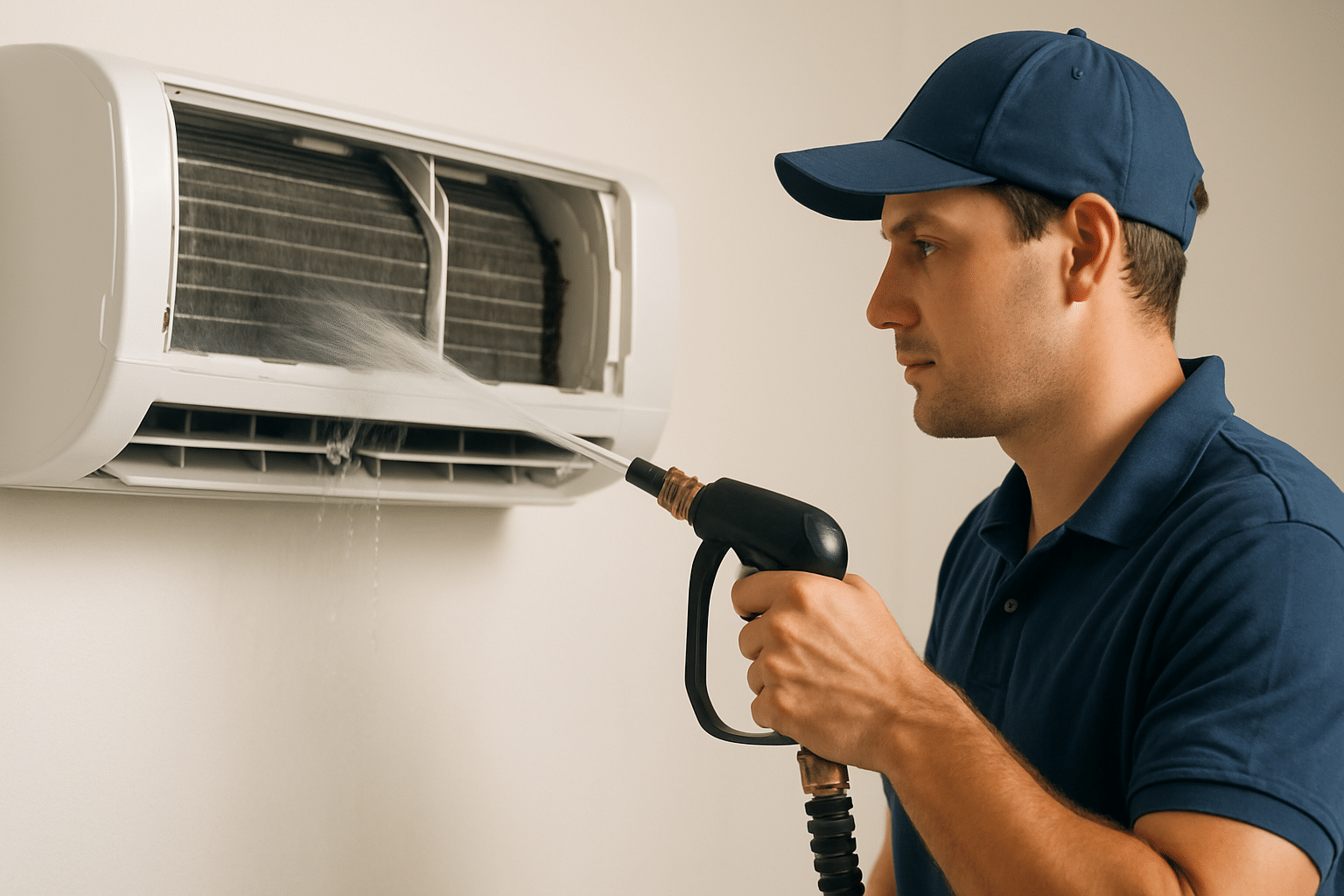
- Regular HVAC Maintenance: Periodic servicing of air conditioning units and ventilation systems in Dubai’s buildings ensures removal of accumulated dust, mold, and bacteria that degrade IAQ.
- Use of High-Efficiency Air Filters: Installation of HEPA or activated carbon filters significantly reduces particulate and chemical contaminants effectively.
- Controlling Indoor Humidity: Maintaining indoor humidity levels between 40-60% reduces mold growth and dust mite proliferation, improving comfort and health outcomes.
- Minimizing Chemical Pollutants: Selecting low-VOC paints and cleaning products in Dubai offices and residences helps limit indoor chemical exposure.
- Enhanced Ventilation: Where climate permits, increasing fresh air exchange through mechanical or natural means dilutes indoor pollutant concentration.
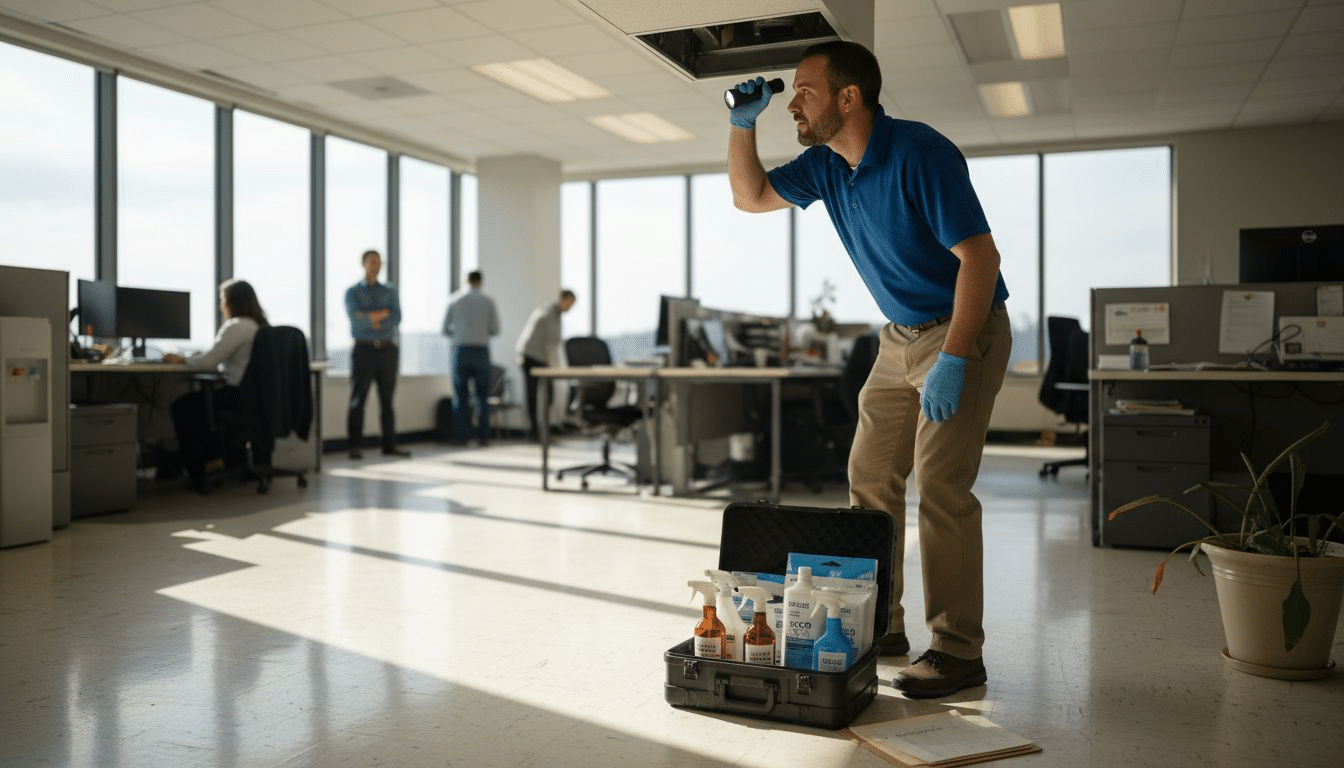
- Regular IAQ Monitoring: Deployment of air quality sensors in strategic locations like schools and hospitals enables real-time monitoring and quick response to deteriorating conditions.
Public awareness campaigns led by Dubai Municipality and the DHA stress the importance of indoor air quality, particularly as the city continues to grow vertically, with many high-rise buildings such as those in Business Bay and Downtown Dubai posing unique ventilation challenges.
Case Studies and Local Examples
In recent years, several studies supported by Dubai Health Authority have highlighted the correlation between indoor air pollution and increased respiratory complaints in urban communities like Nad Al Sheba and Jumeirah Lakes Towers. Schools in these areas have adopted stricter IAQ measures, including routine HVAC filter replacement and air quality audits—room air purifiers have become more widespread to curb allergen and pollutant levels during peak summer months.
Similarly, commercial developers in Dubai Marina have integrated smart ventilation systems compliant with Dubai Municipality air quality standards to ensure healthier indoor environments and reduce occupant sick days. These initiatives exemplify how addressing health risks of poor indoor air quality Dubai not only improves health but also enhances workplace productivity and resident satisfaction.
The Role of Technological Innovation
Advances in IAQ technologies are paving the way for better control over indoor pollutants in Dubai’s built environments. Innovations such as sensor-driven smart ventilation systems adjust airflow dynamically based on real-time pollutant levels, optimizing energy use while preserving clean air. Ultraviolet germicidal irradiation (UVGI) systems integrated into HVAC setups have also been employed to limit microbial contamination.
These cutting-edge solutions align with Dubai’s smart city ambitions and sustainability plans, particularly under the guidance of Dubai Municipality’s environment sector and Dubai Supreme Council of Energy, ensuring that buildings in locales like Business Bay and Dubai Silicon Oasis meet health, environmental, and regulatory benchmarks.
Conclusion
The health risks of poor indoor air quality Dubai represent a multifaceted challenge requiring collaborative efforts among municipal authorities, building managers, healthcare providers, and residents. Addressing indoor air pollution proactively can mitigate respiratory problems, allergic diseases, and other health burdens exacerbated by the unique climate and urban environment of Dubai. Commitment to regular monitoring, maintenance of ventilation systems, regulatory compliance, and adoption of innovative IAQ technologies will play a crucial role in securing healthier indoor environments across Dubai’s diverse localities.
Ultimately, prioritizing indoor air quality safeguards not only individual health but also Dubai’s broader public health resilience and livability as one of the region’s most dynamic cities.