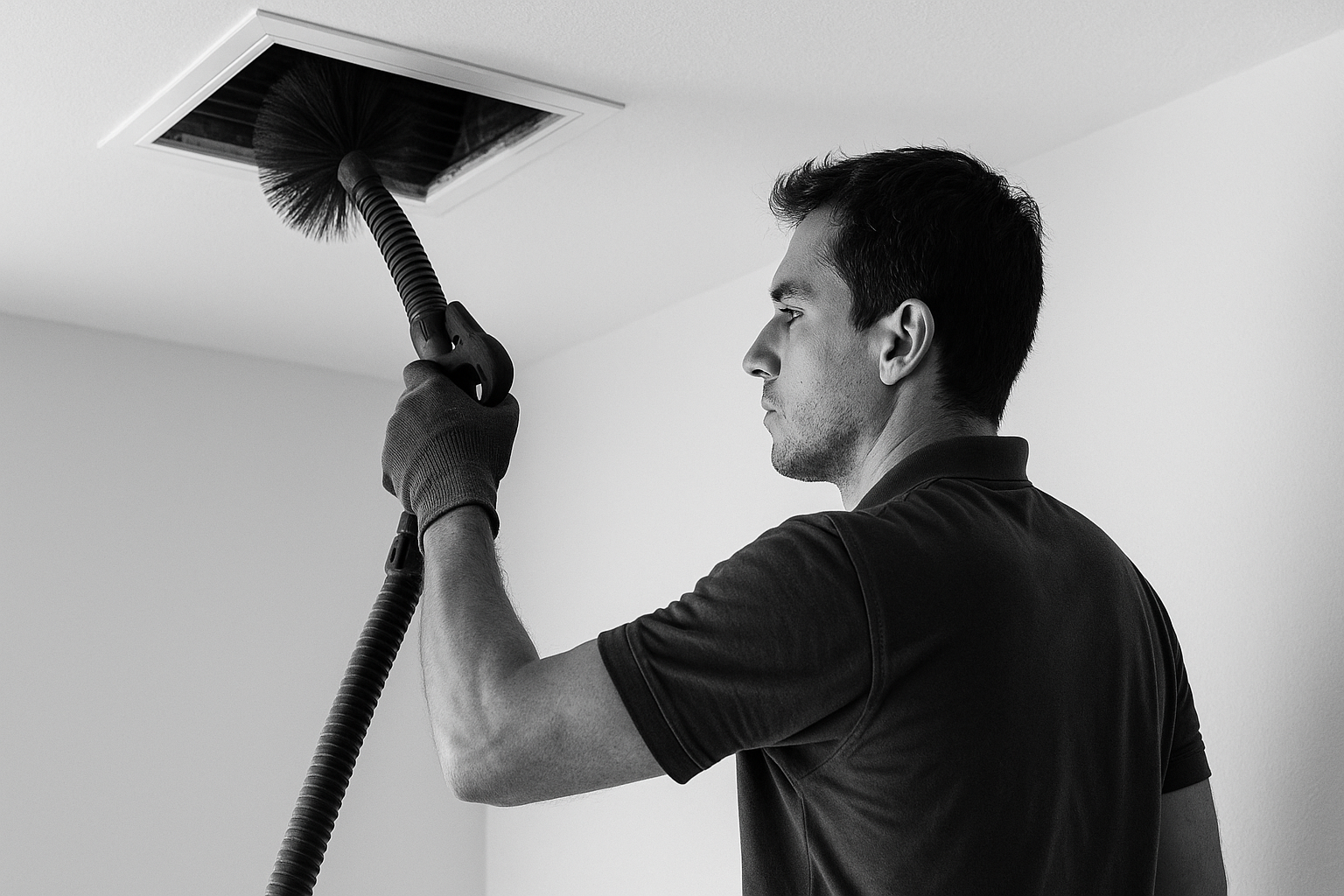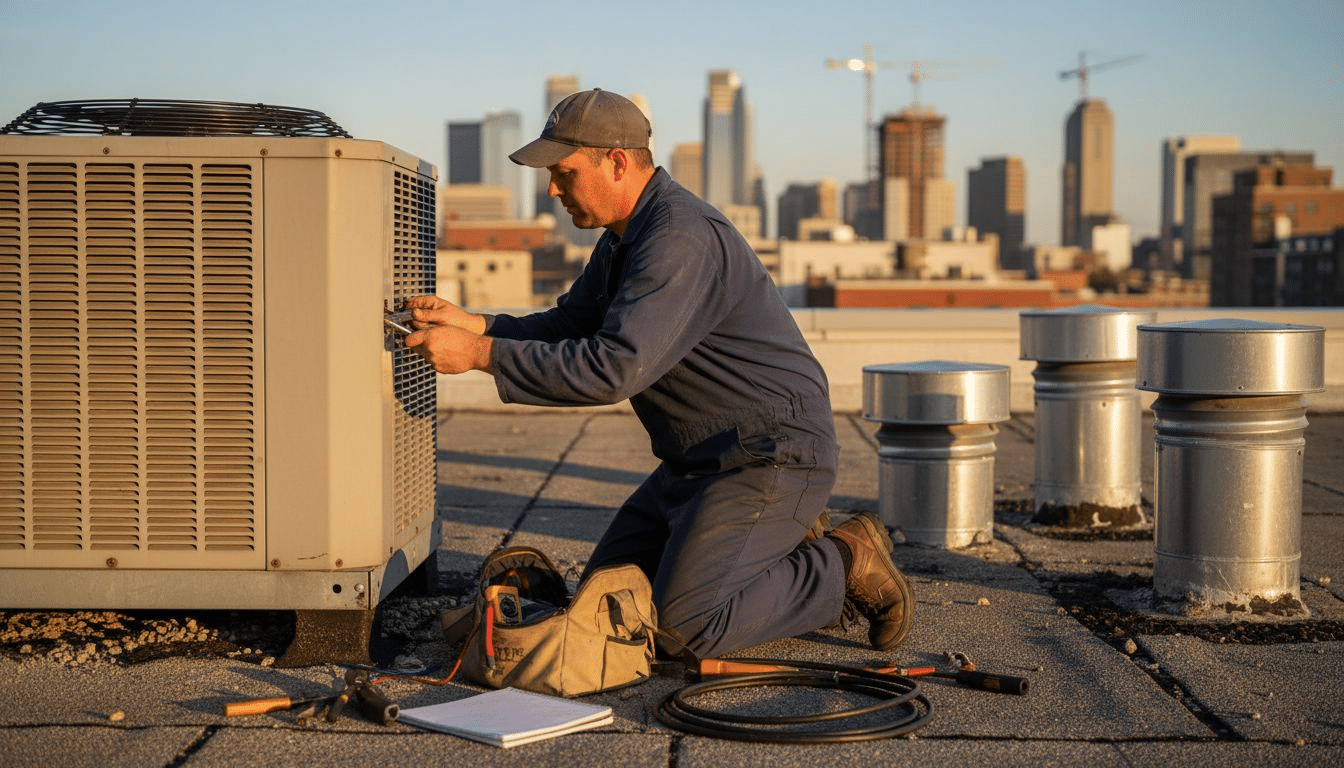
What Is HVAC Maintenance and Why It Matters
Most property managers are surprised to learn that a poorly maintained HVAC system can drive energy costs up by as much as 30 percent, threatening both comfort and operational budgets. For Dubai’s luxury villas, where clean air and seamless climate control are non-negotiable, robust HVAC maintenance is crucial. By understanding the american approach to preventative care and certified technician standards, decision-makers can safeguard air quality, enhance system reliability, and protect high-value investments.
Table of Contents
Contents
- 1 Table of Contents
- 2 Key Takeaways
- 3 Defining HVAC Maintenance and Its Purpose
- 4 Types of HVAC Maintenance Services
- 5 Core Processes and Scientific Methods
- 6 Roles of Certified Technicians and Standards
- 7 Risks of Poor Maintenance and Common Pitfalls
- 8 Cost Implications and Value Comparison
- 9 Ensure Your HVAC System Performs at Its Best with Saniservice
- 10 Frequently Asked Questions
- 11 Recommended
- Defining HVAC Maintenance and Its Purpose
- Types of HVAC Maintenance Services
- Core Processes and Scientific Methods
- Roles of Certified Technicians and Standards
- Risks of Poor Maintenance and Common Pitfalls
- Cost Implications and Value Comparison
Key Takeaways
| Point | Details |
|---|---|
| Importance of HVAC Maintenance | Regular HVAC maintenance is essential in Dubai’s extreme climate to ensure system efficiency, extend lifespan, and improve indoor air quality. |
| Three Maintenance Strategies | Preventive, predictive, and corrective maintenance approaches each have unique benefits, with preventive strategies being the most cost-effective and efficient in preventing system breakdowns. |
| Professional Expertise | Certified HVAC technicians are crucial for maintaining system reliability and performance, employing rigorous standards and ongoing education to effectively manage complex HVAC systems. |
| Cost Benefits of Maintenance | Proactive maintenance reduces energy costs by up to 30% and extends equipment lifespan, making it a worthwhile investment compared to the higher costs associated with reactive maintenance. |
Defining HVAC Maintenance and Its Purpose
HVAC maintenance represents a systematic approach to preserving, protecting, and optimizing heating, ventilation, and air conditioning systems in residential and commercial spaces across Dubai. Comprehensive maintenance processes involve strategic servicing designed to ensure optimal performance, energy efficiency, and indoor environmental quality.
At its core, HVAC maintenance encompasses a range of preventative and corrective procedures that extend far beyond simple equipment cleaning. These activities include thorough component inspections, precise adjustments, strategic replacements, and comprehensive system evaluations. The primary objectives are multifaceted: maintaining peak operational efficiency, preventing unexpected system failures, extending equipment lifespan, and ensuring consistent indoor comfort for property owners and occupants.
Understanding HVAC maintenance requires recognizing its critical role in Dubai’s demanding climate. In an environment characterized by extreme heat and high humidity, air conditioning systems work substantially harder compared to temperate regions. This increased operational stress makes regular, professional maintenance not just recommended, but essential. Effective maintenance strategies help mitigate potential issues such as:
- Reduced cooling performance
- Higher energy consumption
- Increased risk of system breakdowns
- Compromised indoor air quality
- Potential health risks from microbial contamination
Professional HVAC maintenance transforms these systems from mere temperature control mechanisms into sophisticated environmental management solutions that protect both human health and infrastructure investments.
Pro tip: Schedule comprehensive HVAC system evaluations at least twice yearly, preferably before Dubai’s most intense summer and winter seasons, to ensure optimal performance and prevent potential system failures.
Types of HVAC Maintenance Services
HVAC maintenance encompasses multiple strategic approaches designed to ensure optimal system performance and longevity. Comprehensive maintenance strategies typically fall into three primary categories: preventive, predictive, and corrective services, each addressing different aspects of system health and functionality.
Preventive maintenance represents the most proactive approach, focusing on regular inspections, cleaning, and component replacements before potential issues emerge. This strategy includes critical tasks such as:
- Filter replacements
- Refrigerant level checks
- Electrical connection inspections
- Lubrication of moving parts
- Cleaning of condenser and evaporator coils
- Drainage system evaluations
Predictive maintenance takes a more advanced approach, utilizing sophisticated diagnostic tools and technologies to monitor system performance in real time. By analyzing vibration patterns, temperature variations, and operational efficiency, technicians can anticipate potential failures before they occur. This data-driven method helps property owners in Dubai minimize unexpected breakdowns and optimize system performance during the region’s intense heat cycles.
Corrective or reactive maintenance addresses immediate system issues and repairs, typically triggered by unexpected equipment failures or significant performance degradation. While less ideal than preventive strategies, these services remain crucial for maintaining system functionality and preventing complete system failures.
Pro tip: Create a comprehensive maintenance log tracking all service interventions, which helps predict future maintenance needs and provides valuable documentation for warranty claims and system performance analysis.
Here’s a concise comparison of HVAC maintenance strategies and their business implications:
| Maintenance Type | Main Approach | Business Impact | Typical Frequency |
|---|---|---|---|
| Preventive | Scheduled service and checks | Lower costs, longer lifespan | Biannual (twice yearly) |
| Predictive | Monitored diagnostic analytics | Minimized breakdowns, improved ROI | Continuous monitoring |
| Corrective/Reactive | Emergency repairs | Higher costs, risk downtime | As needed |
Core Processes and Scientific Methods
HVAC maintenance relies on sophisticated scientific methodologies that transform routine servicing into precision-driven technical interventions. Rigorous scientific protocols underpin every maintenance process, combining advanced diagnostic techniques with systematic engineering approaches to ensure maximum system performance and reliability.
Scientific methods in HVAC maintenance encompass multiple sophisticated diagnostic and analytical techniques. These include advanced thermodynamic assessments, fluid mechanics evaluations, and complex heat transfer analyses. Technicians utilize specialized equipment to measure critical parameters such as:
- Refrigerant pressure and composition
- Airflow velocity and distribution
- Electrical system performance
- Temperature differential across system components
- Vibration and mechanical stress indicators
- Microbial and particulate contamination levels
The core scientific approach involves comprehensive system modeling and predictive analytics. By leveraging data from sophisticated sensors and diagnostic tools, maintenance professionals can create precise mathematical models that predict potential system failures, optimize energy efficiency, and develop targeted intervention strategies. This approach is particularly critical in Dubai’s extreme climate, where HVAC systems operate under intense environmental stress.
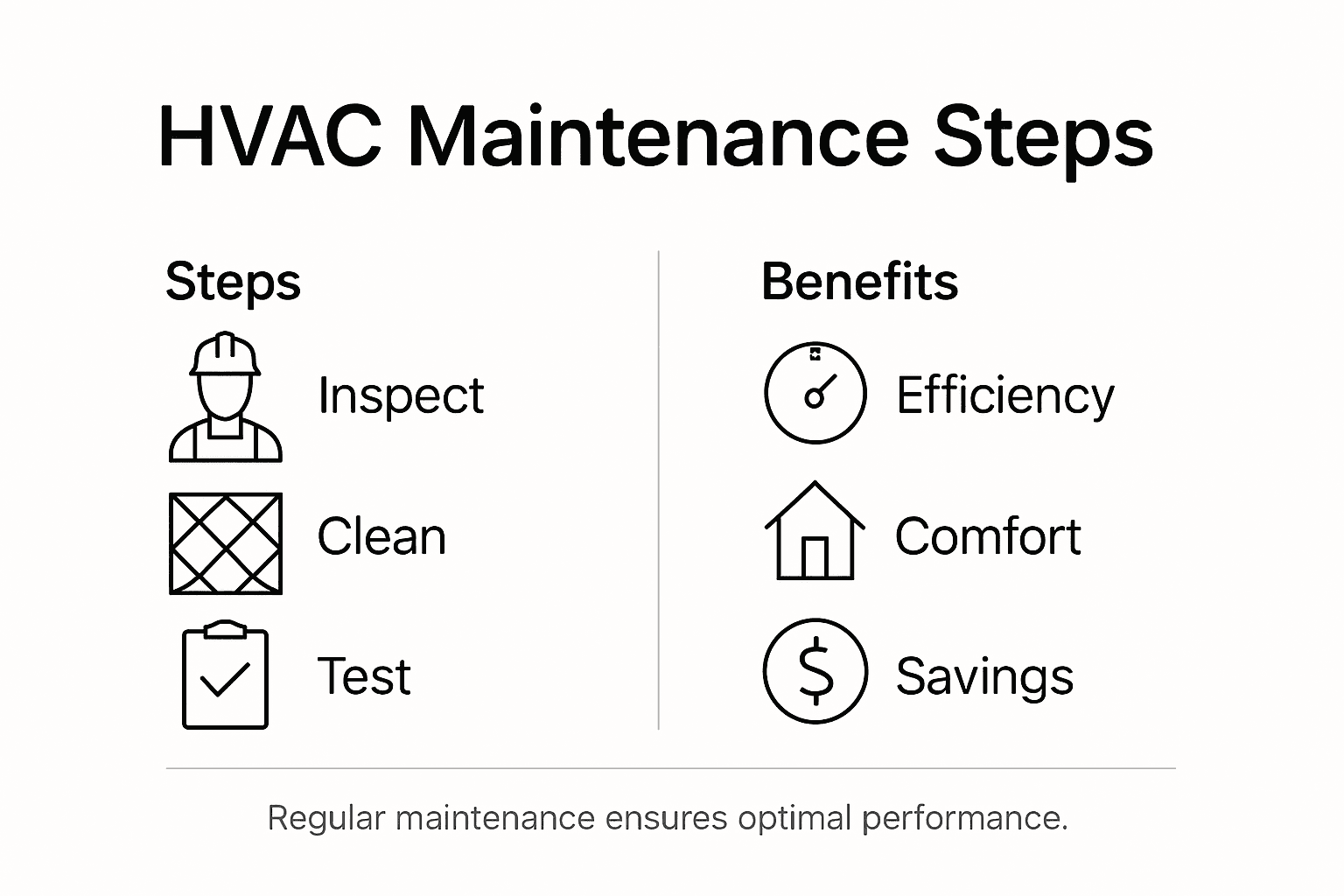
Instrumental to these scientific methods are standardized protocols established by professional organizations like ASHRAE and AHRI. These standards provide a rigorous framework for systematic inspection, calibration, and performance validation, ensuring that maintenance procedures meet the highest levels of technical and environmental compliance.
Pro tip: Invest in digital monitoring systems that provide real-time performance data, enabling proactive maintenance decisions and minimizing unexpected system interruptions.
Roles of Certified Technicians and Standards
Certified HVAC technicians represent the cornerstone of professional maintenance, bringing specialized expertise and rigorous training to complex system management. Comprehensive certification requirements ensure that professionals possess the technical knowledge, safety protocols, and regulatory understanding necessary to deliver exceptional service across residential and commercial environments.
The certification process encompasses multiple critical competency areas, including:
- Refrigerant handling and environmental compliance
- Advanced diagnostic techniques
- System performance optimization
- Safety protocol implementation
- Technological system integration
- Emissions reduction strategies
- Precision equipment calibration
Professional standards established by organizations like ACCA and ANSI create a structured framework that guarantees consistent quality and technical excellence. These standards mandate ongoing education, technical proficiency assessments, and adherence to strict ethical guidelines. In Dubai’s demanding climate, where HVAC systems operate under extreme environmental conditions, these certifications become even more critical in ensuring system reliability and performance.
Beyond technical competence, certified technicians serve as critical problem solvers and environmental stewards. They translate complex scientific principles into practical maintenance strategies, balancing technical precision with energy efficiency goals. Their expertise extends beyond simple repairs, encompassing comprehensive system analysis, predictive maintenance, and sustainable operational recommendations.
Pro tip: Request documentation of a technician’s current certifications and specialized training before engaging their HVAC maintenance services, ensuring you receive the highest level of professional expertise.
Risks of Poor Maintenance and Common Pitfalls
Neglecting HVAC maintenance can transform a sophisticated cooling system into a potential health and financial liability. Comprehensive research on maintenance risks reveals multiple critical consequences that extend far beyond simple equipment performance, impacting indoor air quality, energy efficiency, and long-term operational sustainability.
The most significant risks associated with poor HVAC maintenance include:
- Dramatically reduced energy efficiency
- Accelerated system component deterioration
- Increased operational costs
- Compromised indoor air quality
- Higher potential for unexpected system failures
- Potential health risks from microbial contamination
- Voided equipment warranties
- Reduced overall system lifespan
In Dubai’s extreme climate, where HVAC systems operate under constant high-stress conditions, the consequences of maintenance neglect become even more pronounced. Dust accumulation, moisture buildup, and unaddressed mechanical wear can transform a high-performance system into an inefficient, potentially hazardous environmental control mechanism. The financial implications are substantial—a poorly maintained system can consume up to 30% more energy while delivering significantly reduced cooling performance.

Beyond immediate operational challenges, poor maintenance creates cascading risks that extend into broader environmental and health domains. Unmaintained systems become breeding grounds for microbial contaminants, potentially releasing harmful particulates, allergens, and pathogens into indoor environments. This becomes particularly critical in residential and commercial spaces where occupant health depends on consistent, clean air circulation.
Pro tip: Schedule professional HVAC system diagnostics at least twice annually, strategically timing inspections before Dubai’s most intense seasonal temperature transitions to preemptively identify and mitigate potential performance issues.
Cost Implications and Value Comparison
Understanding the economic dimensions of HVAC maintenance requires a comprehensive analysis of both immediate expenses and long-term financial implications. Comprehensive cost management strategies reveal that proactive maintenance is not an expense, but a strategic investment with measurable financial returns.
The comparative cost analysis of maintenance approaches demonstrates significant financial differences:
-
Preventive Maintenance Costs:
- Regular service: $200-$500 annually
- Predictable expense
- Planned budgeting
-
Reactive/Emergency Repair Costs:
- Unexpected breakdowns: $1,500-$5,000 per incident
- Potential system replacement: $8,000-$15,000
- Unpredictable financial burden
In Dubai’s extreme climate, where HVAC systems operate under constant high-stress conditions, the financial calculus becomes even more pronounced. A well-maintained system can reduce energy consumption by up to 30%, translating to substantial utility savings. Professional maintenance extends equipment lifespan by 40-50%, effectively deferring significant capital expenditures and providing a compelling economic argument for consistent, systematic service interventions.
Beyond direct financial metrics, maintenance value encompasses broader economic considerations. Reduced energy consumption contributes to environmental sustainability, potential tax incentives, and alignment with Dubai’s green building standards. The holistic value proposition includes improved system reliability, enhanced indoor environmental quality, and minimized operational disruptions—factors that deliver tangible and intangible economic benefits across residential and commercial contexts.
For a quick cost-benefit reference, see this comparison of financial impacts by maintenance approach:
| Aspect | Preventive Maintenance | Reactive Maintenance |
|---|---|---|
| Annual Expense Range | $200-$500 | $1,500-$5,000 per event |
| Equipment Lifespan Gain | Extends by 40-50% | Frequently shortened |
| Energy Savings Potential | Up to 30% reduction | Often negligible |
| Predictability | High (planned budgeting) | Low (unplanned expenses) |
Pro tip: Request a detailed maintenance cost-benefit analysis from your HVAC service provider, comparing projected maintenance expenses against potential emergency repair and replacement costs to make an informed financial decision.
Ensure Your HVAC System Performs at Its Best with Saniservice
The challenges highlighted in the article emphasize the critical need for regular, scientific HVAC maintenance to prevent costly breakdowns, maintain energy efficiency, and protect indoor air quality in Dubai’s extreme climate. If you are concerned about issues such as microbial contamination, reduced cooling performance, or unexpected system failures, professional intervention based on precision diagnostics and evidence-based cleaning is essential.
Saniservice offers expert solutions designed to address these exact pain points. Our NADCA-certified technicians apply hospital-grade biosanitisers during thorough AC cleaning and maintenance to eliminate mold, bacteria, and allergens that typical maintenance misses. Explore how we transform indoor environments with proven scientific methods by visiting our AC Cleaning & Maintenance page.
Take control of your HVAC system’s health and safeguard your comfort today. Visit Saniservice to learn more about our comprehensive services or see real results from satisfied clients in our Case Studies – Saniservice AC Cleaning. Do not wait for costly repairs or compromised air quality act now and extend the life and efficiency of your system with Dubai’s leading professional air conditioning cleaning experts.
Frequently Asked Questions
What is HVAC maintenance?
HVAC maintenance refers to the systematic approach to preserving, protecting, and optimizing heating, ventilation, and air conditioning systems through regular inspections, cleaning, and repairs to ensure their optimal performance and energy efficiency.
Why is HVAC maintenance important?
HVAC maintenance is crucial for maintaining peak operational efficiency, extending equipment lifespan, preventing unexpected failures, and ensuring consistent indoor comfort, especially in climates with extreme temperatures.
What are the different types of HVAC maintenance services?
There are three primary types of HVAC maintenance services: preventive maintenance, which focuses on regular inspections and cleaning; predictive maintenance, which uses diagnostic tools to anticipate potential issues; and corrective maintenance, which addresses immediate repairs following system failures.
How often should HVAC maintenance be performed?
It is recommended to schedule comprehensive HVAC system evaluations at least twice a year, ideally before the peak summer and winter seasons, to ensure optimal performance and prevent potential system failures.